Ancient Greek (500 BC)

Archaic and Athenian

Kroton (500 BC) - Delphic Tripod / Eagle

Notes

Kroton (500 BC) - Delphic Tripod / Eagle


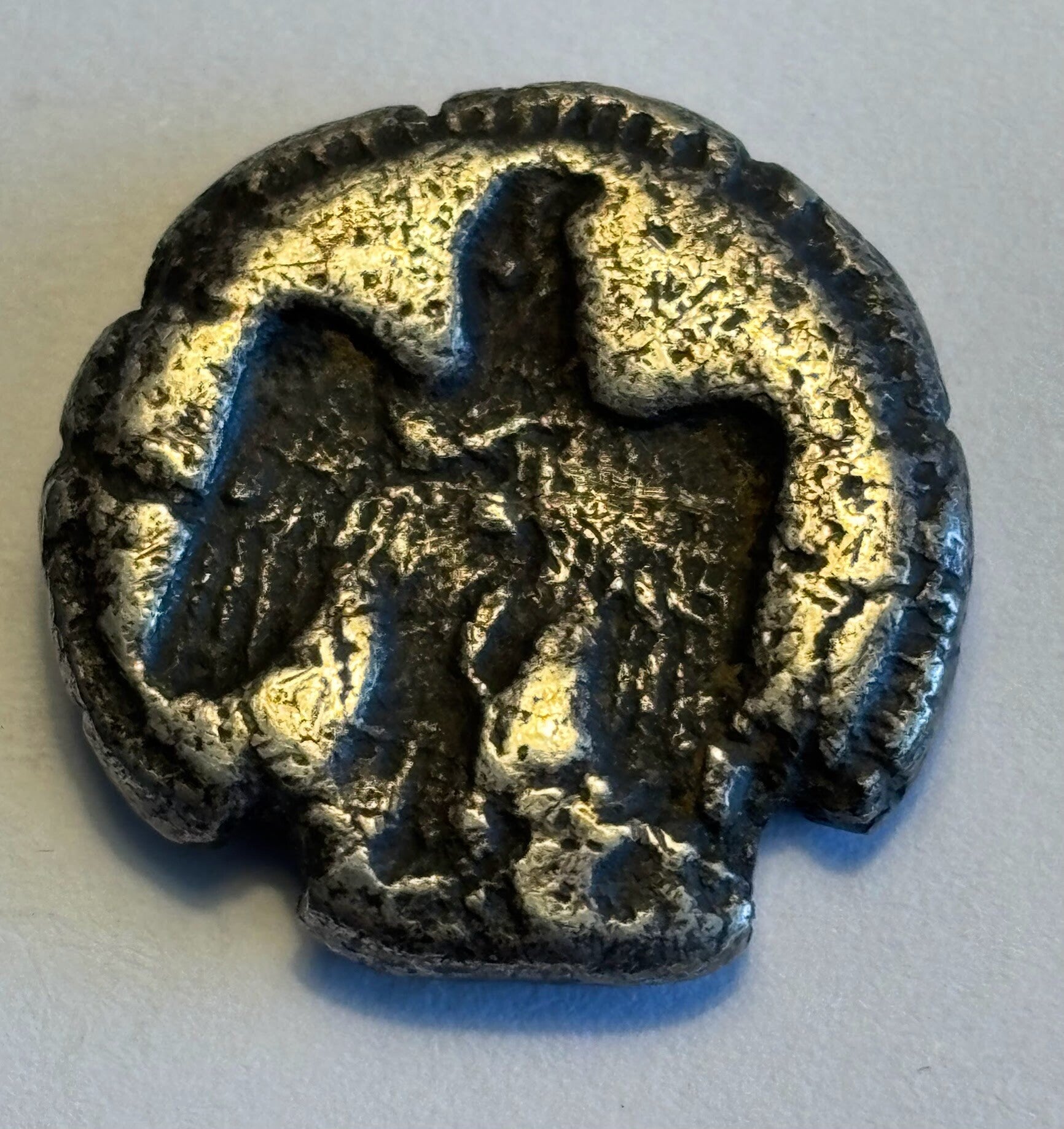
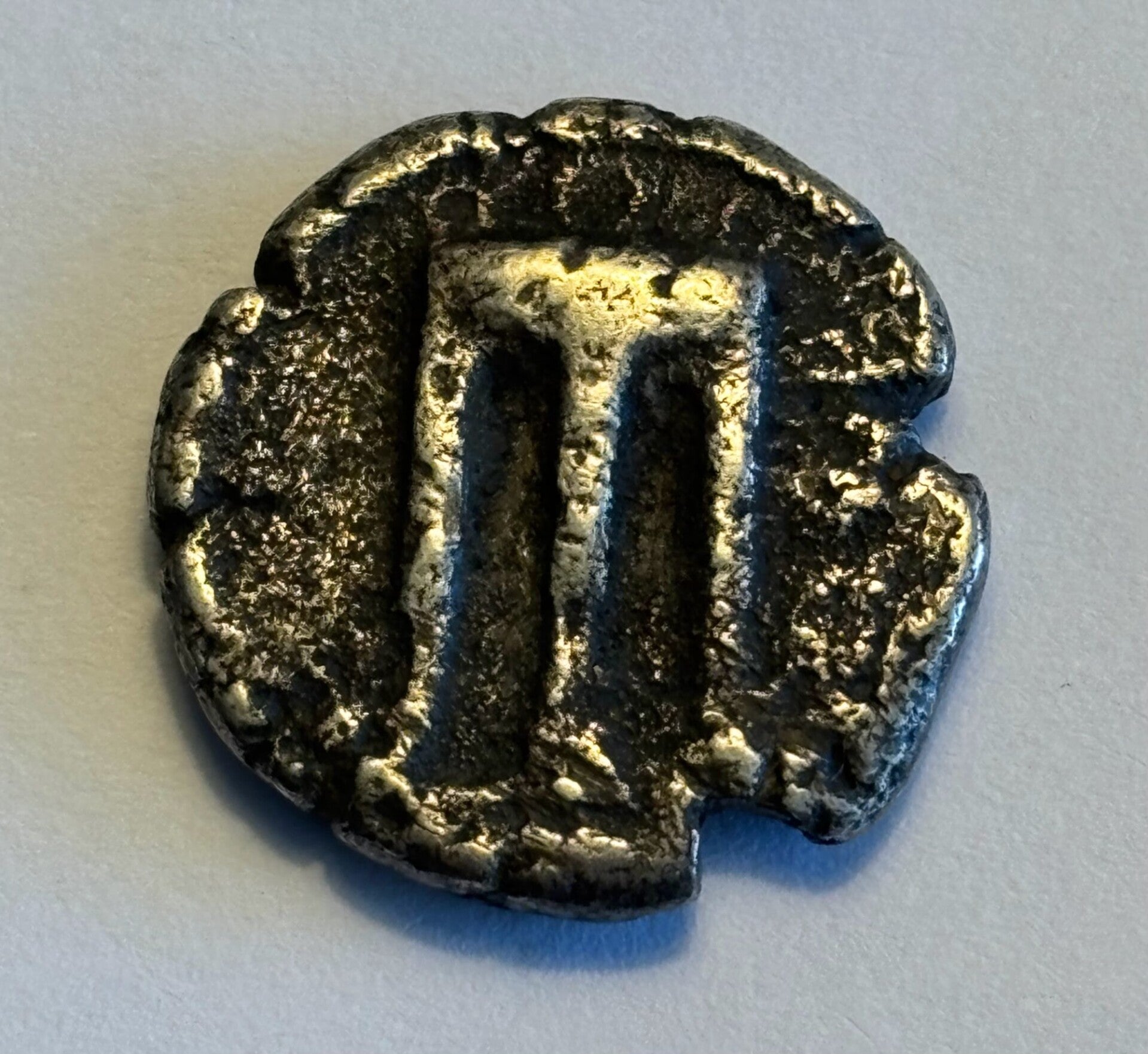
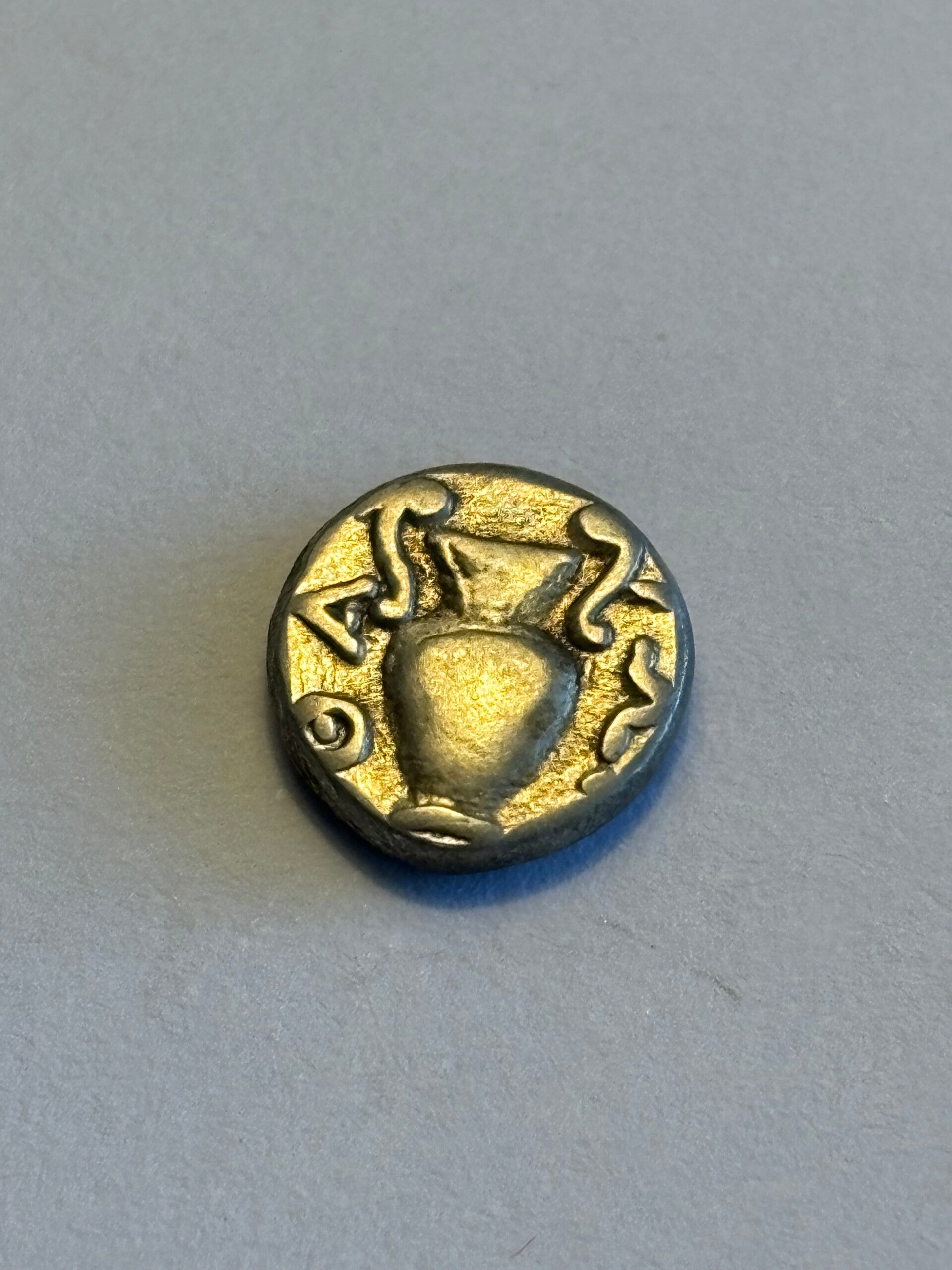
The Kroton stater with the Delphic tripod on the obverse and an incuse eagle flying right on the reverse is one of the most important and visually striking coins of Magna Graecia.
It was struck in Kroton (Croton), Bruttium) around 500–480 BC.

Obverse: Delphic tripod with lion‑foot legs and the ethnic ϘΡΟΤΟΝ (Kroton)

Reverse: Eagle flying right, rendered in incuse (sunken) 

The tripod is the sacred symbol of Apollo at Delphi, representing prophecy and divine sanctity

Struck in incuse — meaning the design is sunken into the flan rather than raised

This was the era when Kroton was a major power in Magna Graecia — famous for its athletes, philosophers (including Pythagoreans) and strong maritime connections.

The tripod symbolised Kroton’s religious prestige and connection to Delphi.

Currency  Stater

Paid £340 - Kevin - Charing Cross

Date 10/6/2000

Reference S.257

Current value £450

Weight

Size

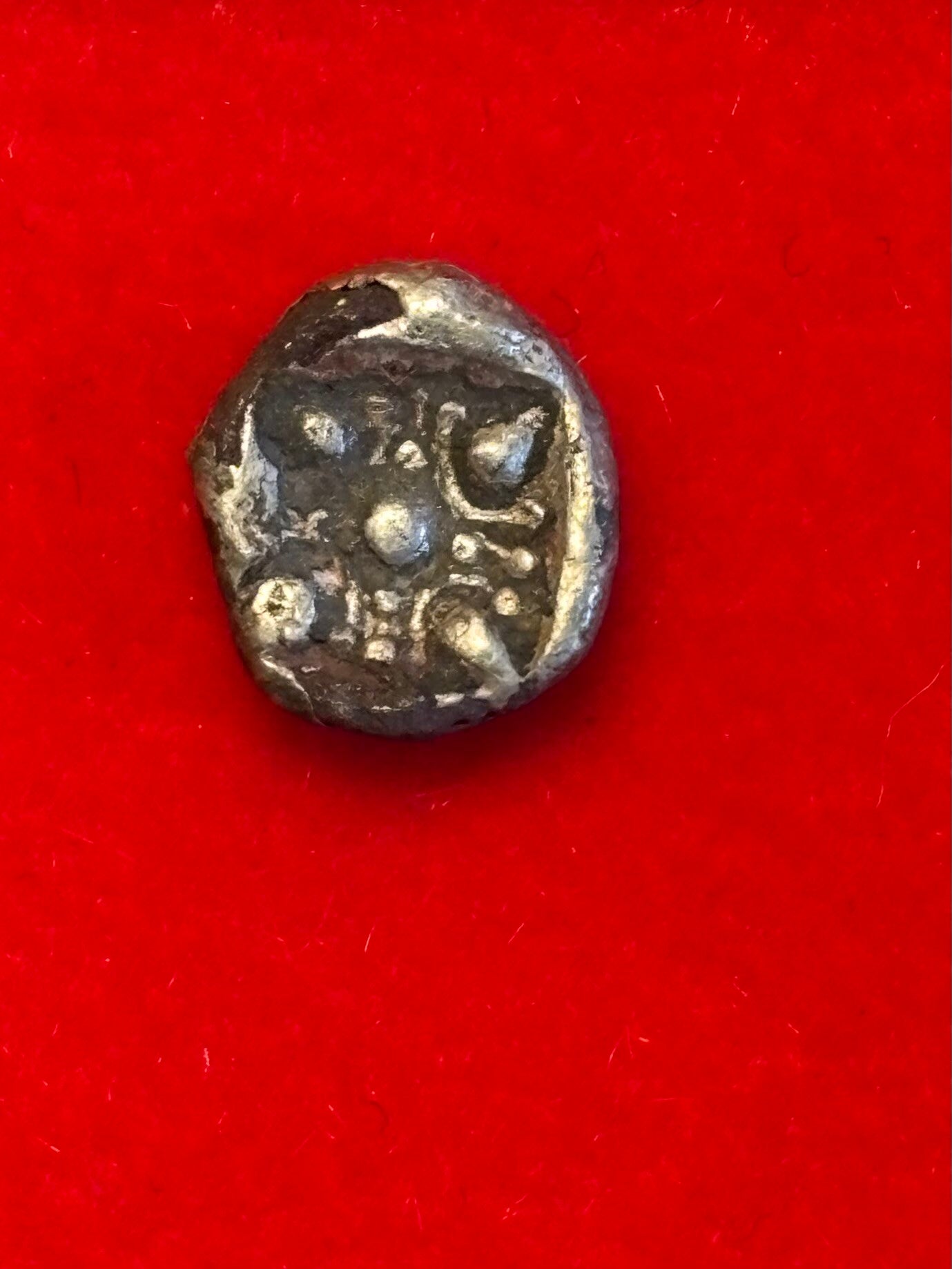
Aigina (530-500 BC) - Turtle

Notes

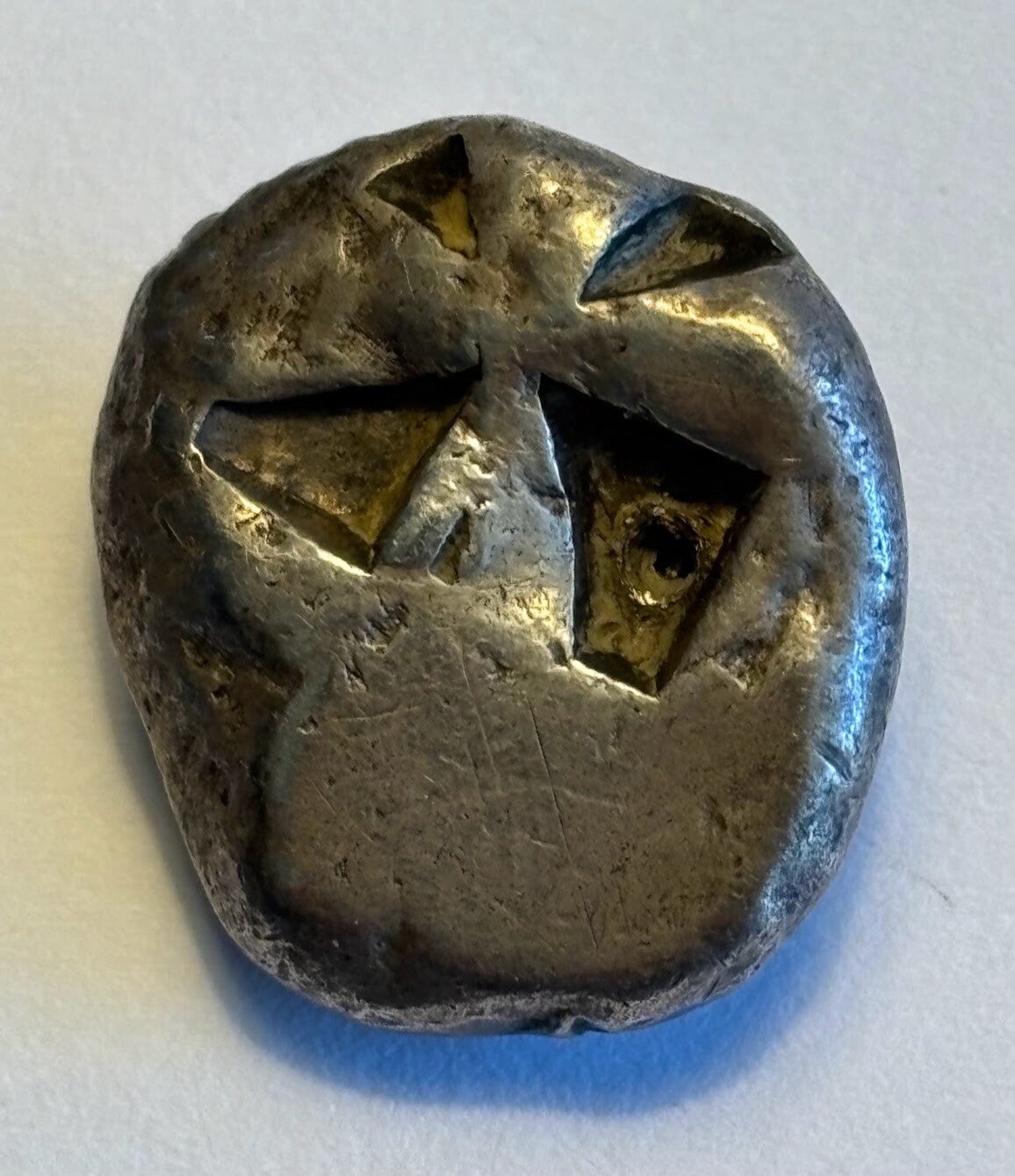
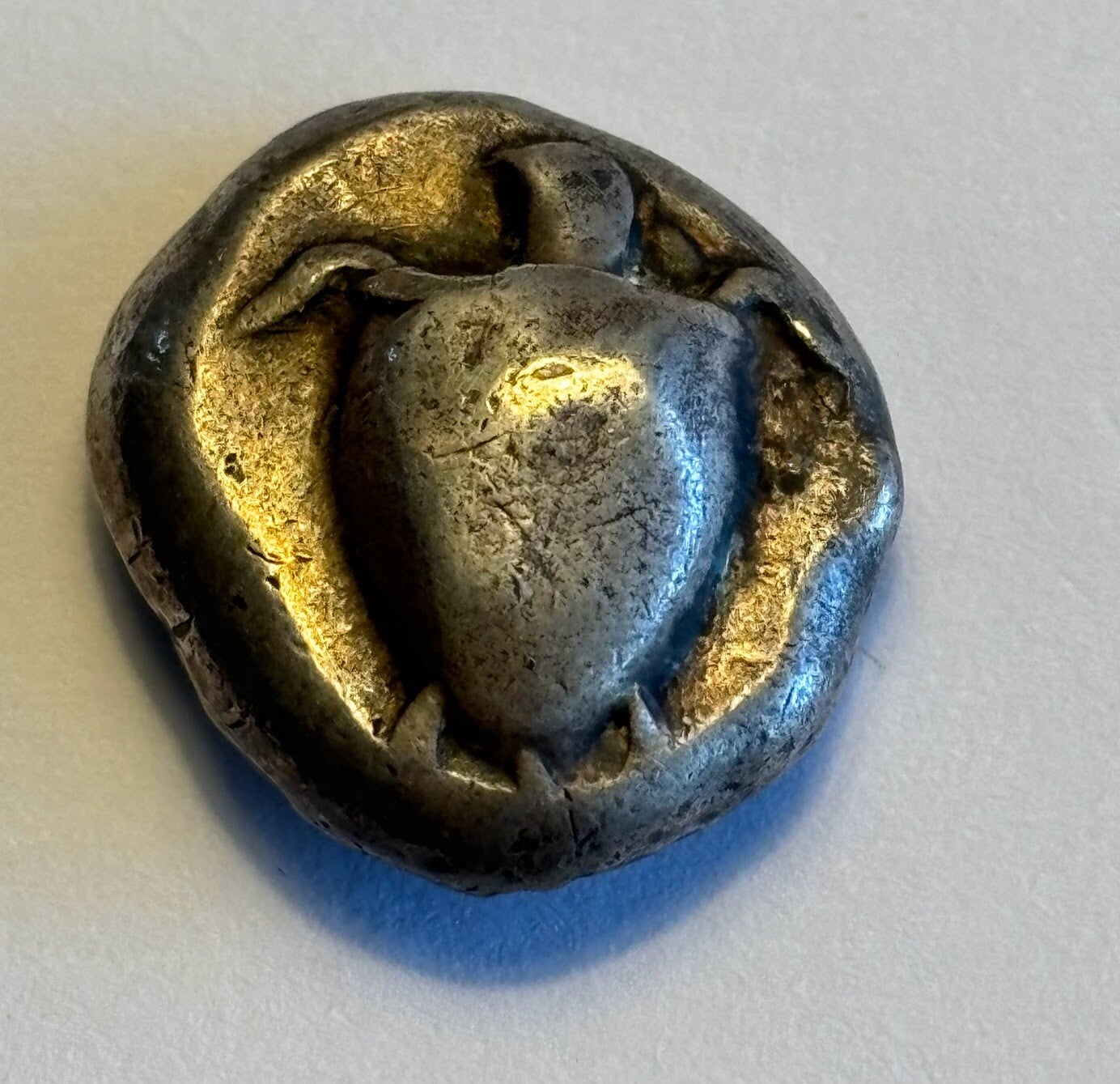
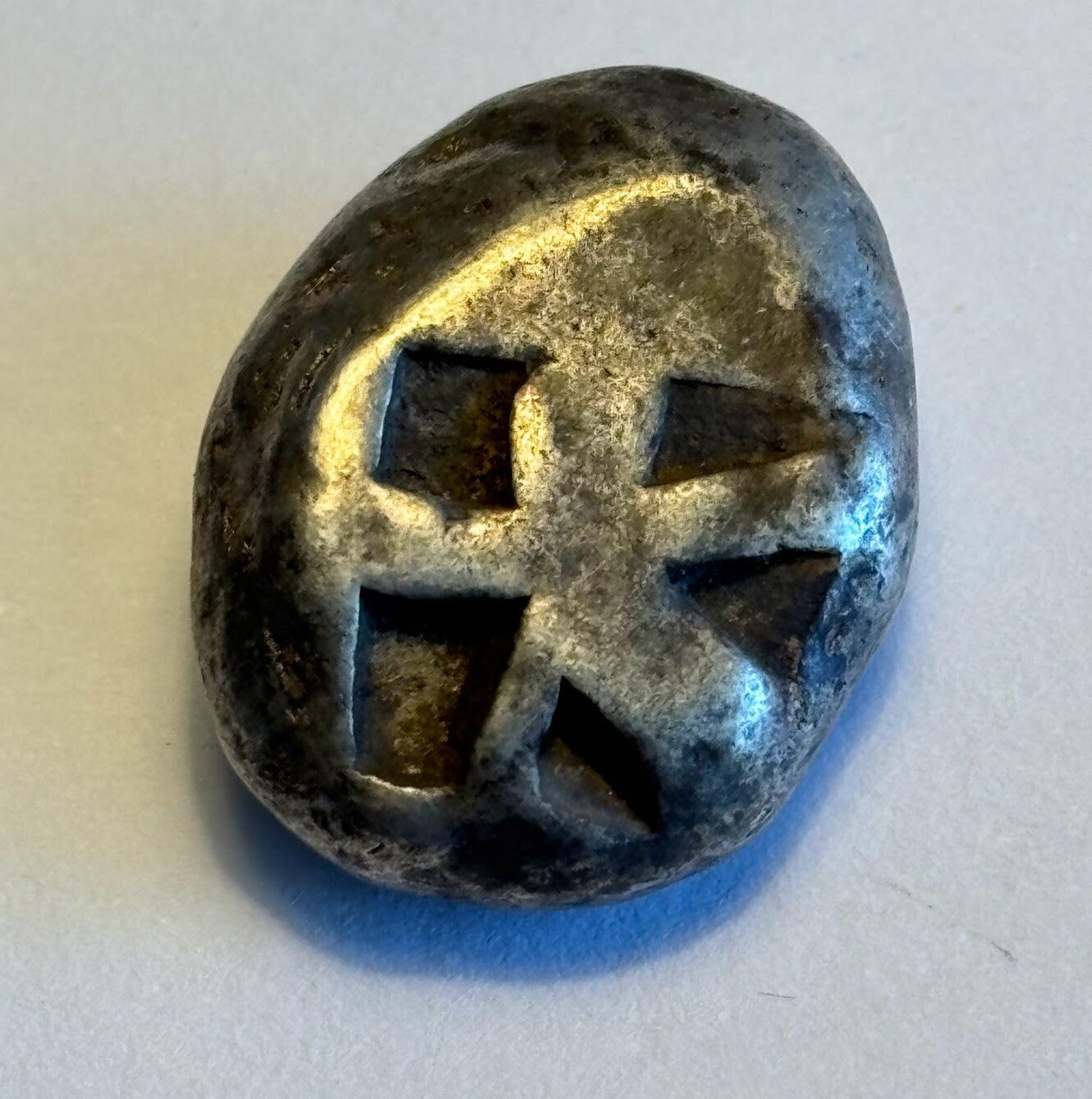
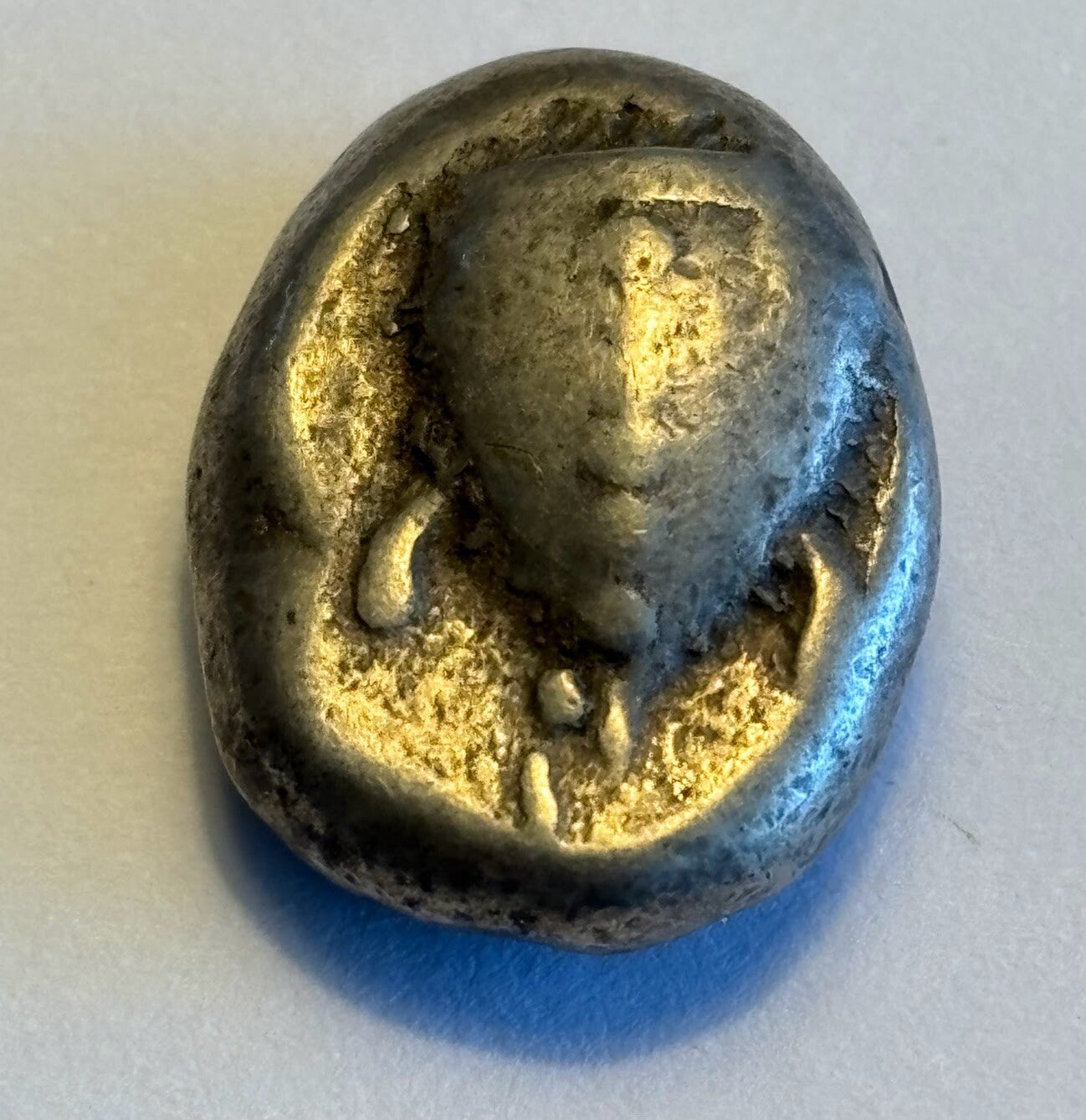
The Aegina Turtle Stater (c. 550–480 BC) - Incuse 'union jack' pattern.

The Aegina turtle coin is one of the most iconic and historically important coins of the ancient Greek world — in fact, it was the dominant trade currency of Greece before the Athenian owl.

The classic “turtle coin” is a silver stater minted on the island of Aegina, one of the earliest Greek coinages.It dates from around 550–480 BC, during the Archaic period.

It was so widely used that ancient Greeks joked:
“Courage and wisdom are overcome by Turtles.”
The Obverse portrays a Sea Turtle seen from above. The shell has a line of raised pellets/dots running down the centre.
The turtle symbolised Aegina’s maritime power and its dominance in Aegean trade.

The Reverse has an The Incuse Punch - A deep incuse square divided into multiple triangular or geometric compartments. Earlier issues have an eight‑part “mill-sail” pattern, but this has the five part "Union Jack" pattern. This was created by the punch used to force the blank into the obverse die. This reverse is extremely distinctive — no inscription, just a punch

This coin was one of the first mass‑produced silver currencies in Greece. It was minted in huge quantities — estimated 10,000 coins per year for ~70 years and used widely across the Cyclades and Crete.

It pre‑dates the Athenian owl as a major trade currency.


Currency Silver 'turtle' stater

Paid £90 - Coindex Exhibition

Date 7/10/2000

Reference S.1858

Current Value £400

Weight

Size

Aigina (530-500 BC) - Turtle

Notes

The Aegina Turtle Stater (c. 550–480 BC) - Incuse 'union jack' pattern.

The Aegina turtle coin is one of the most iconic and historically important coins of the ancient Greek world — in fact, it was the dominant trade currency of Greece before the Athenian owl.

The classic “turtle coin” is a silver stater minted on the island of Aegina, one of the earliest Greek coinages.It dates from around 550–480 BC, during the Archaic period.

It was so widely used that ancient Greeks joked:
“Courage and wisdom are overcome by Turtles.”
The Obverse portrays a Sea Turtle seen from above. The shell has a line of raised pellets/dots running down the centre.
The turtle symbolised Aegina’s maritime power and its dominance in Aegean trade.

The Reverse has an The Incuse Punch - A deep incuse square divided into multiple triangular or geometric compartments. Earlier issues have an eight‑part “mill-sail” pattern, but this has the five part "Union Jack" pattern. This was created by the punch used to force the blank into the obverse die. This reverse is extremely distinctive — no inscription, just a punch

This coin was one of the first mass‑produced silver currencies in Greece. It was minted in huge quantities — estimated 10,000 coins per year for ~70 years and used widely across the Cyclades and Crete.

It pre‑dates the Athenian owl as a major trade currency.


Currency Silver 'turtle' stater

Paid £90 - Cumberland Coin Show

Date 3/6/2000

Reference S.1858

Current Value £400

Weight

Size


Athens (450 BC) - Athena / Owl

Notes

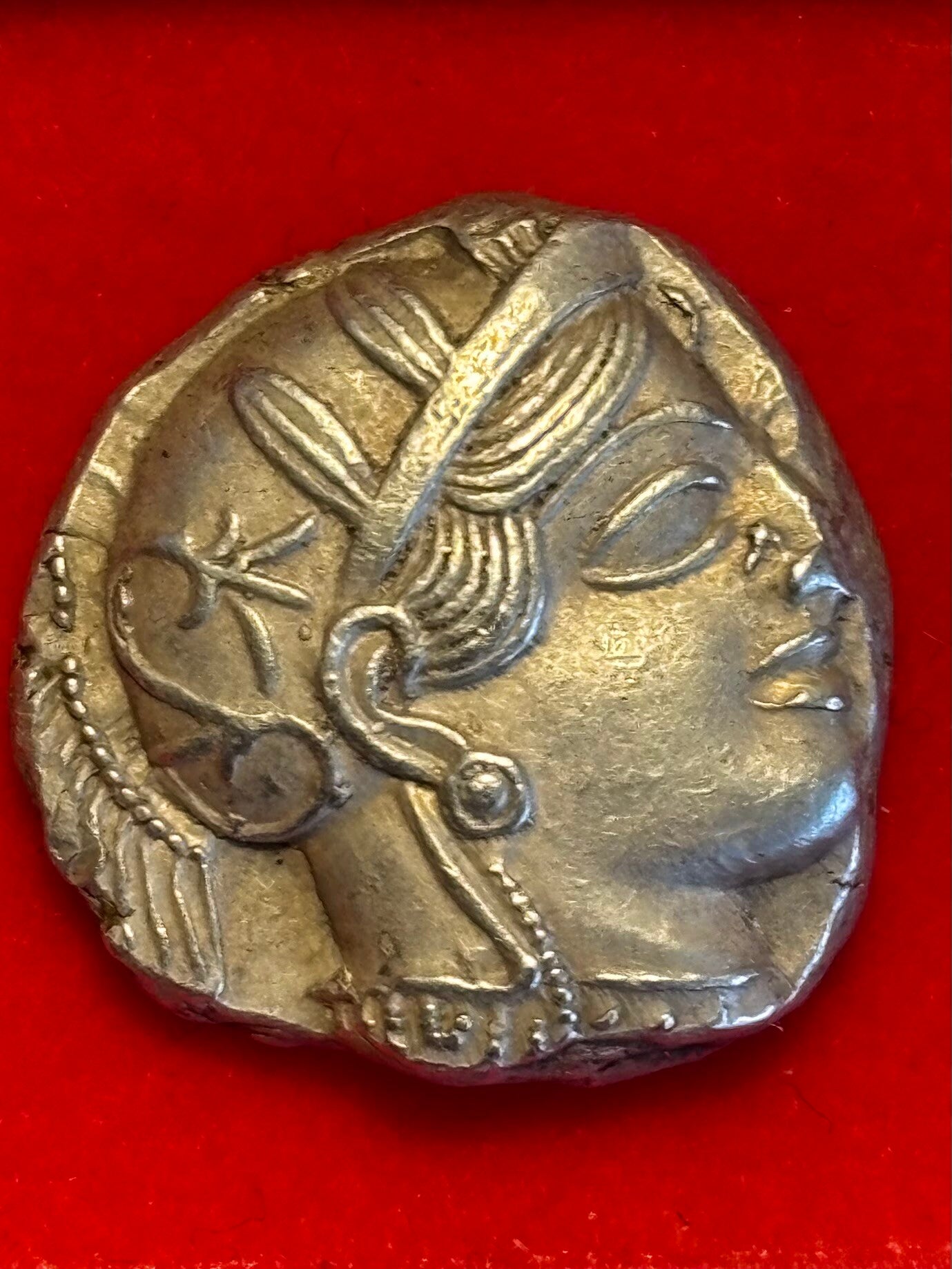
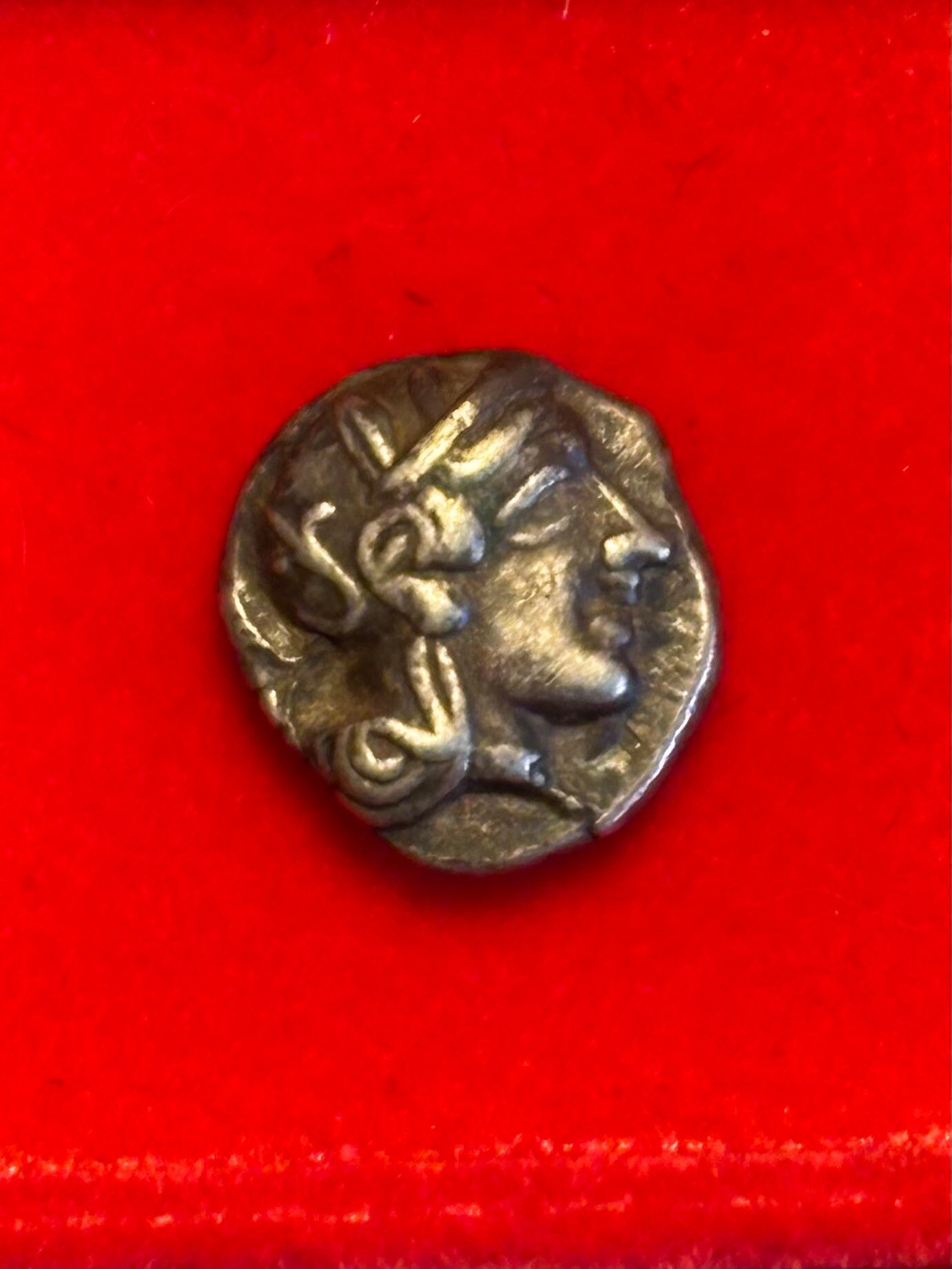
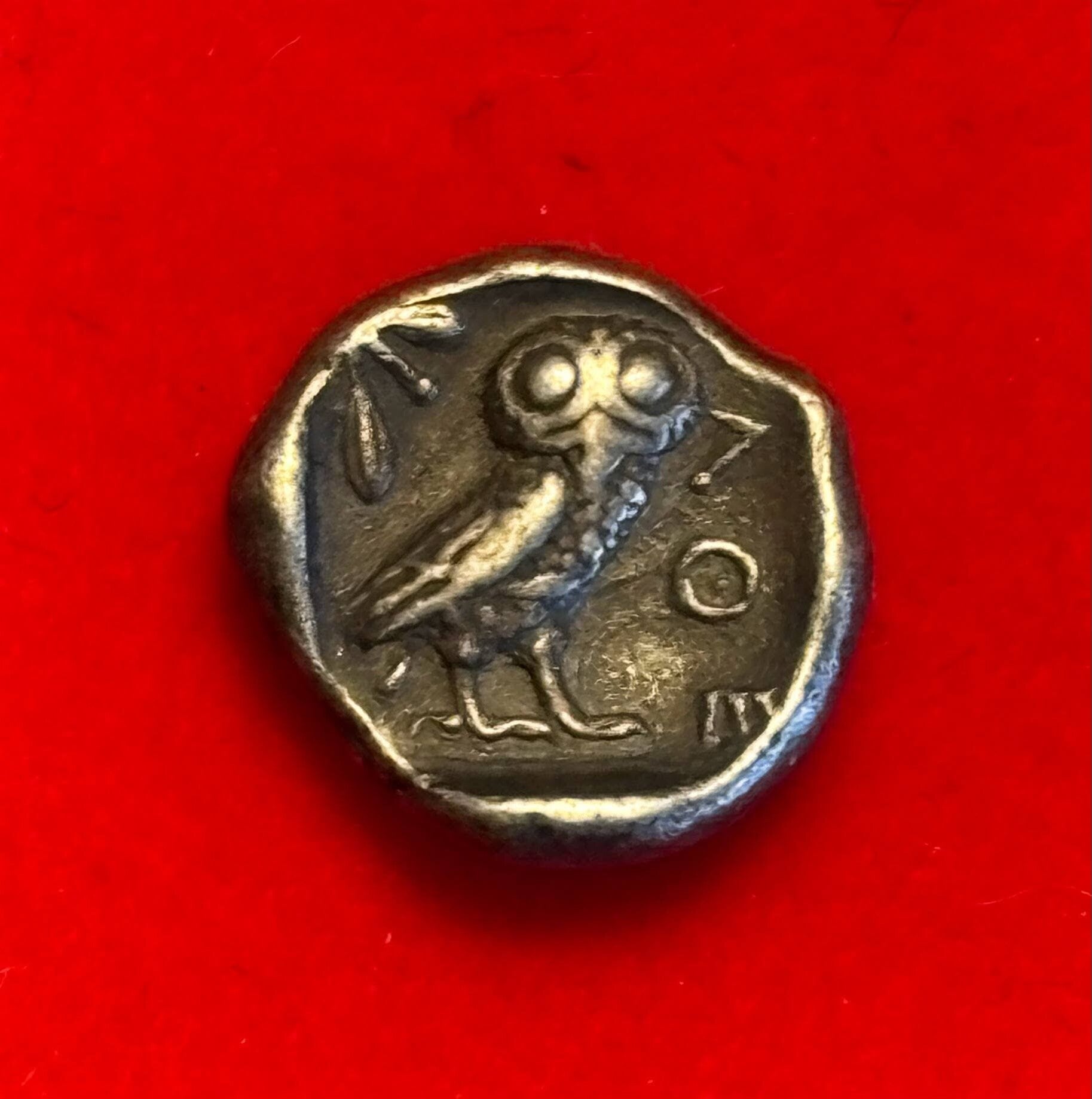
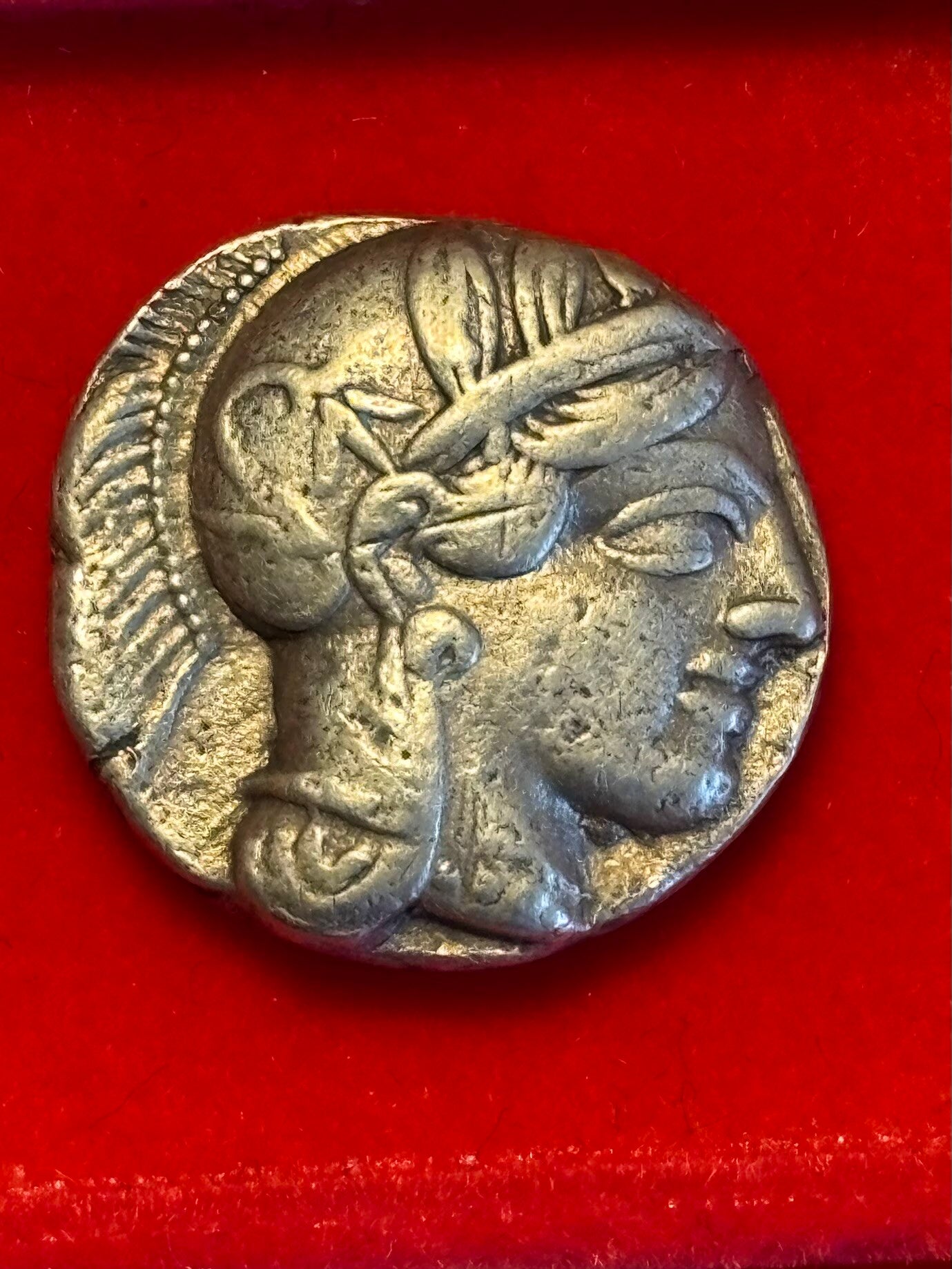
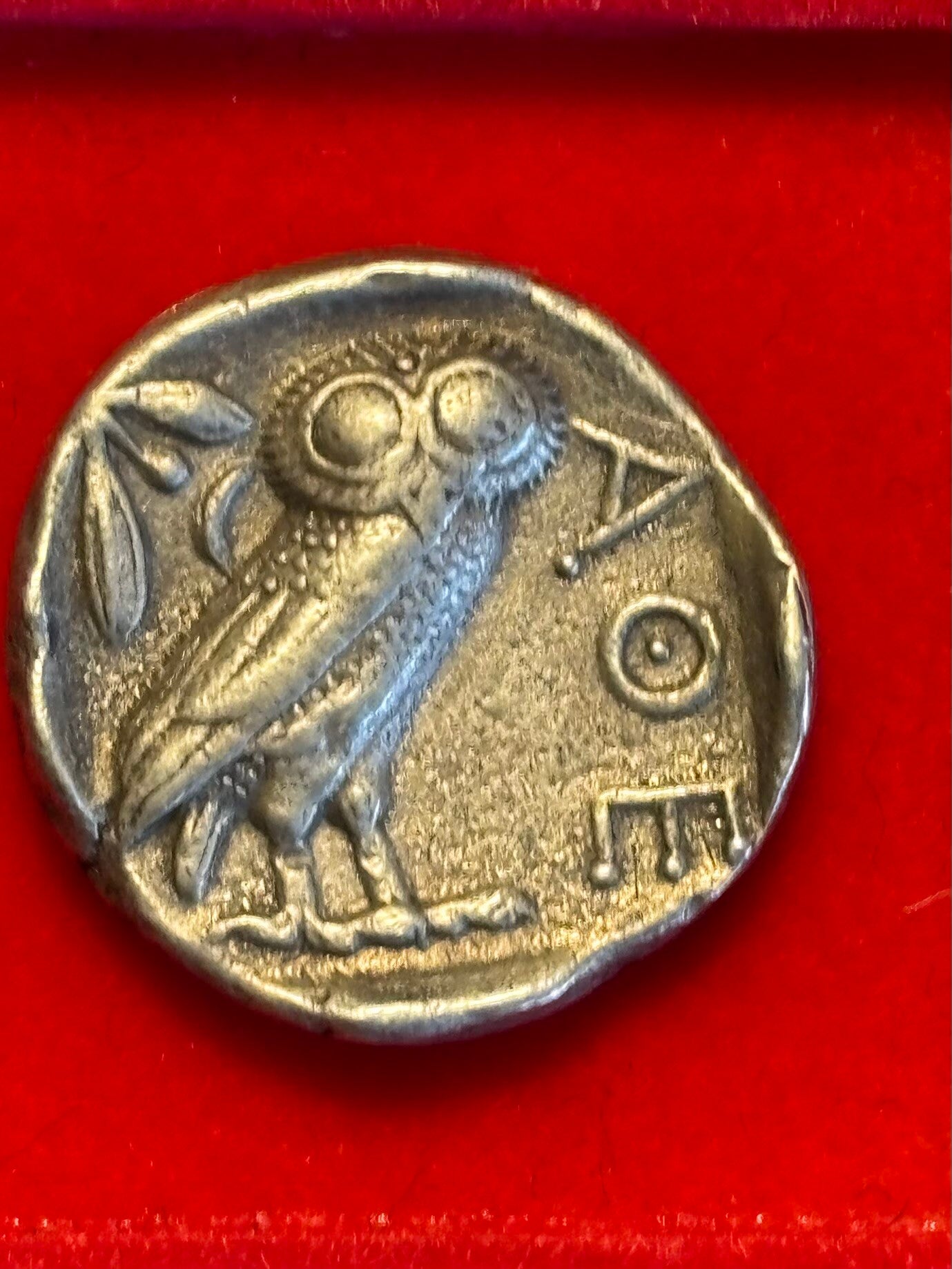
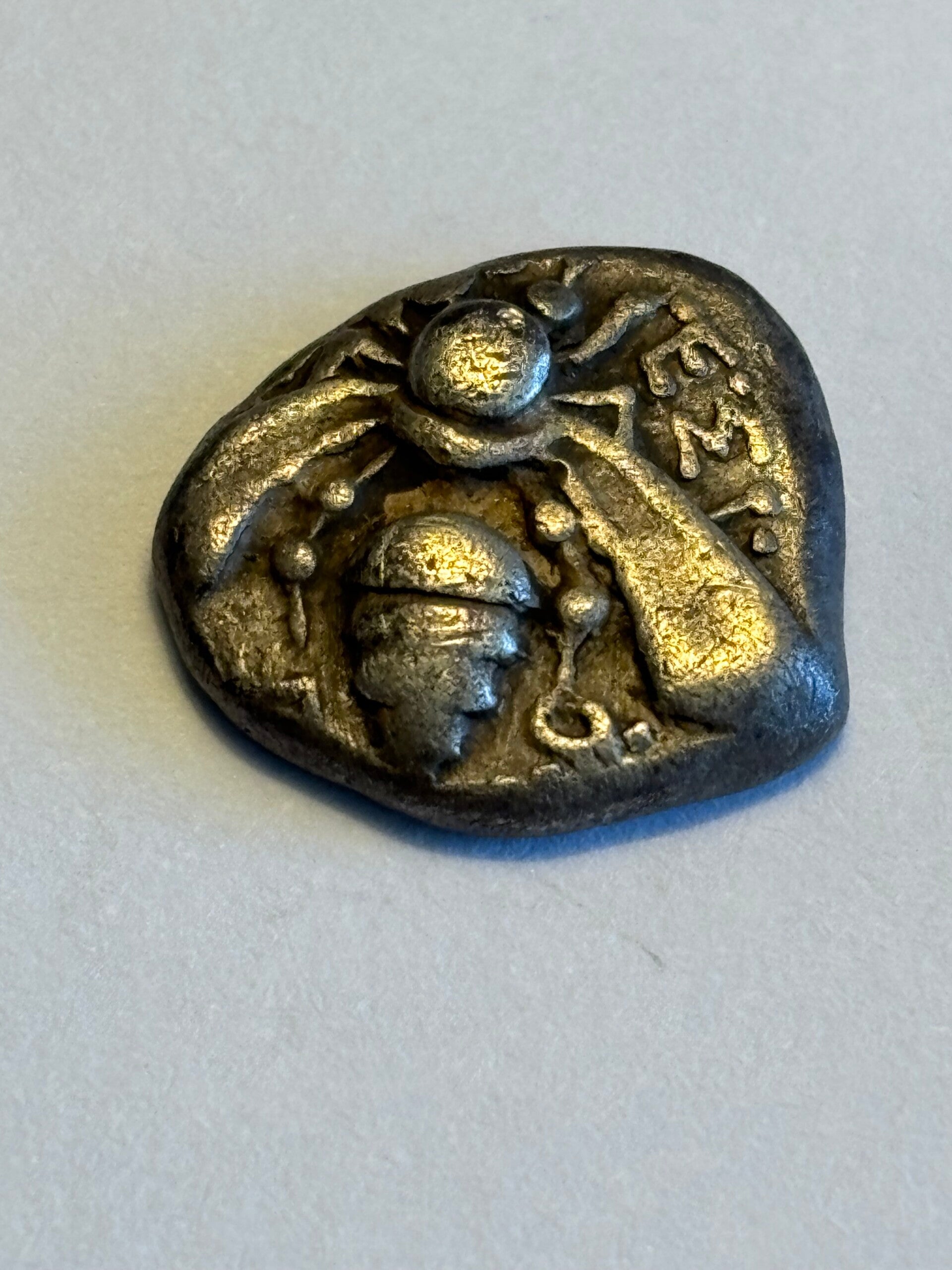
Athenian Incuse Owl/ Head of Athena

The obverse shows the head of Athena, the patron goddess of Athens. She faces right, wearing an Attic helmet decorated with olive leaves or floral/animal motifs.

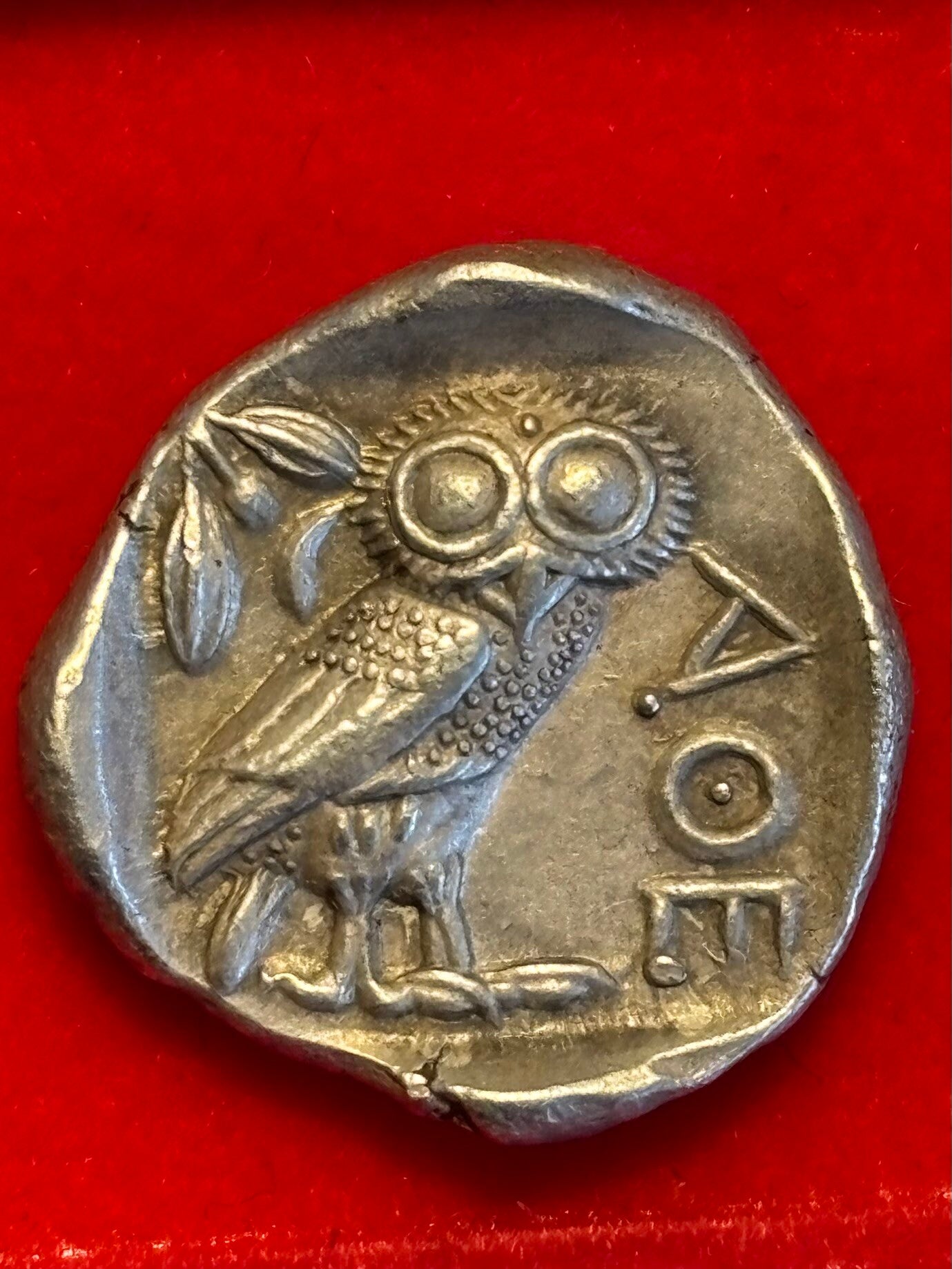
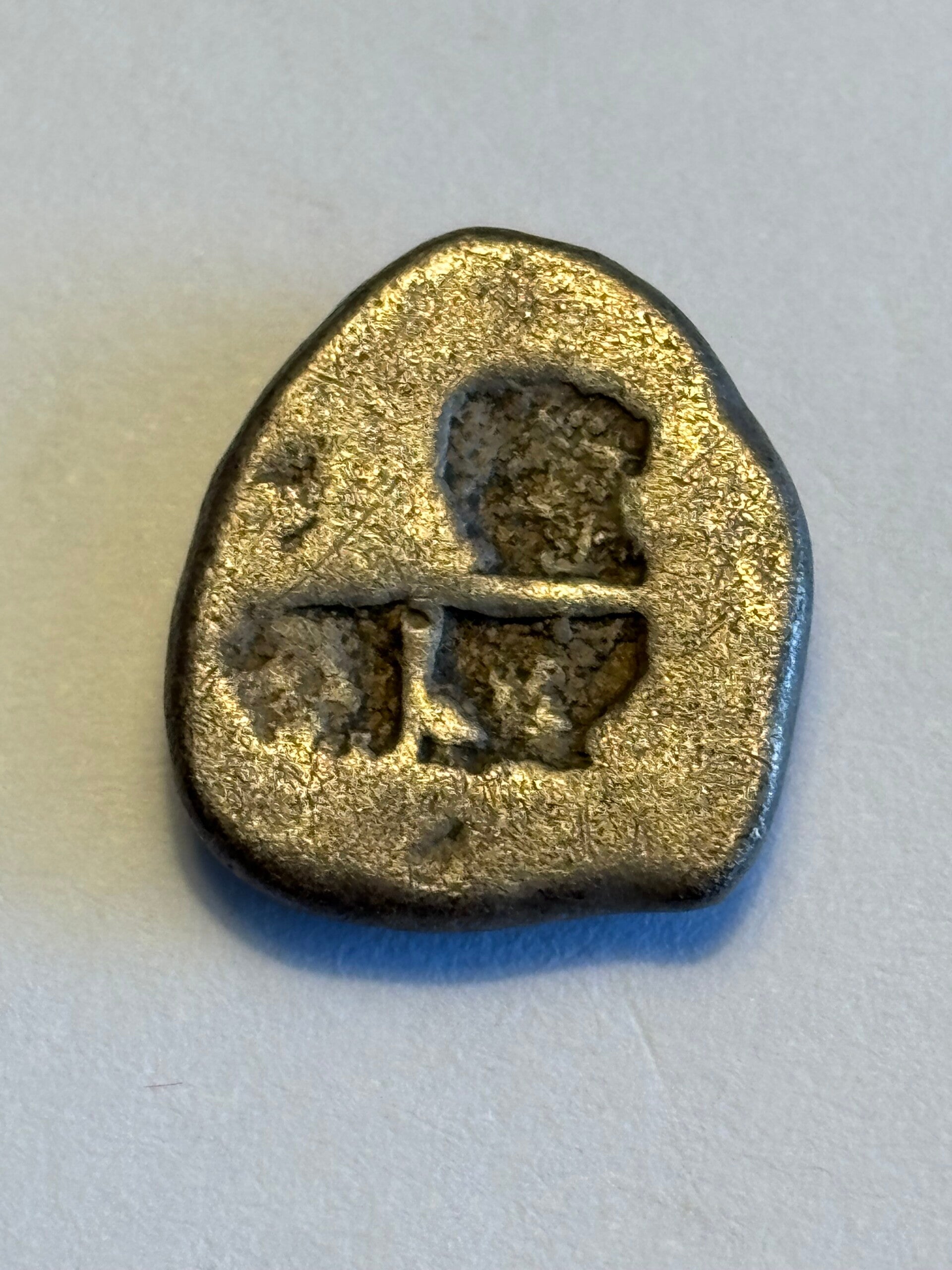
The reverse shows the owl of Athena, standing right but looking forward. To the right of the owl is the inscription ΑΘΕ — the first three letters of “Athenians.”
A small crescent moon and olive sprig appear behind the owl. Early issues like this coin show the owl inside a deep incuse square.

The coin became the most widely used trade coin in the Mediterranean. Athens’ silver mines at Laurion allowed mass production.


Currency Tetradrachm

Paid £360 - Dave - Charing Cross

Date 25/3/2000

Reference s.2526

Current Value £900

Weight

Size

Athens (450 BC) - Athena / Owl

Notes

Athenian Incuse Owl / Head of Athena

The obverse shows the head of Athena, the patron goddess of Athens. She faces right, wearing an Attic helmet decorated with olive leaves or floral/animal motifs.

The reverse shows the owl of Athena, standing right but looking forward. To the right of the owl is the inscription ΑΘΕ — the first three letters of “Athenians.”
A small crescent moon and olive sprig appear behind the owl. Early issues like this coin show the owl inside a deep incuse square.

The coin became the most widely used trade coin in the Mediterranean. Athens’ silver mines at Laurion allowed mass production.

Currency Drachma

Paid £100 - Dave - Charing Cross

Date 26/02/2000

Reference s.2527

Current Value £900

Size

Weight

Athens (500 BC) - Athena / Owl

Notes

Head of Athena / Incuse Owl.

The obverse shows the head of Athena, the patron goddess of Athens. She faces right, wearing an Attic helmet decorated with olive leaves or floral/animal motifs. The reverse shows the owl of Athena, standing right but looking forward. To the right of the owl is the inscription ΑΘΕ — the first three letters of “Athenians.” A small crescent moon and olive sprig appear behind the owl. Early issues like this coin show the owl inside a deep incuse square. The coin became the most widely used trade coin in the Mediterranean. Athens’ silver mines at Laurion allowed mass production.


Currency Tetradrachm

Paid £230 - Kevin - Charing Cross

Date 16/12/2000

Reference s.2526

Current Value £900

Size

Weight

Miletos (525 BC) - Lion / Star

Notes


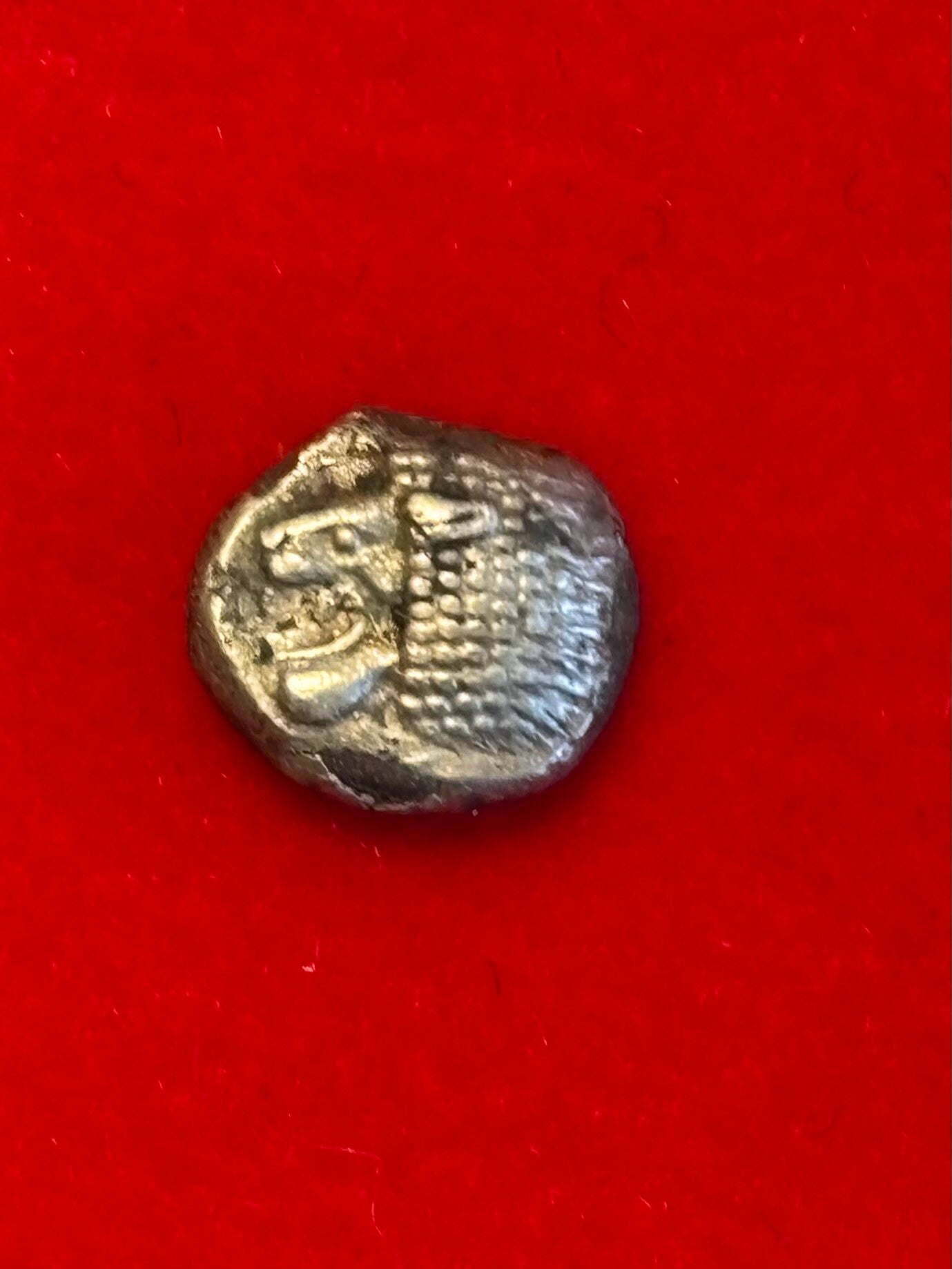
Description Forepart of a lion (left) on the obverse, and a star‑shaped ornament within an incuse square on the reverse — is an Archaic from Miletos (Ionia), struck roughly 525–494 BC. This coin is a small silver fraction (AR Twelth) - Date range: c. 525–494 BC. These coins belong to the famous Archaic lion‑series of Miletos. Miletos was one of the wealthiest and most influential Greek cities of the Archaic period.

Currency AR Twelth

Paid £55 - Kurek - eBay

Date 03/04/2000

Reference S.3533

Current Value

Size

Weight


Ephesus (480-330 BC) - Bee with straight wings

Notes

Bee with straight wings.

The ancient city of Ephesus adopted the bee as one of its coin designs. The tetradrachm of Ephesus (340 - 325 B.C.) shows a bee on the obverse with the Greek letters epsilon and pi, an abbreviation for the city’s name. The reverse depicts a stag and palm tree, powerful symbols of Artemis; Artemis is often depicted riding a stag, and the palm tree represents the island of Delos, her legendary birthplace. Some coins of Ephesus show the signature of a man named Gerenios, one of the magistrates overseeing the mint. It was home to the temple of Artemis, goddess of hunting, wilderness & wild animals. The temple's high priest was known as the ‘king bee’ & priestesses as ‘melissae’ (honey bees).

Currency Tetradrachm

Paid £220 - Grays Market

Date 29/08/2000

Reference S.4366

Current Value

Weight

Size

Thasos (463 BC) - Satyr carrying Nymph

Notes

Kneeling Satyr carrying Nymph


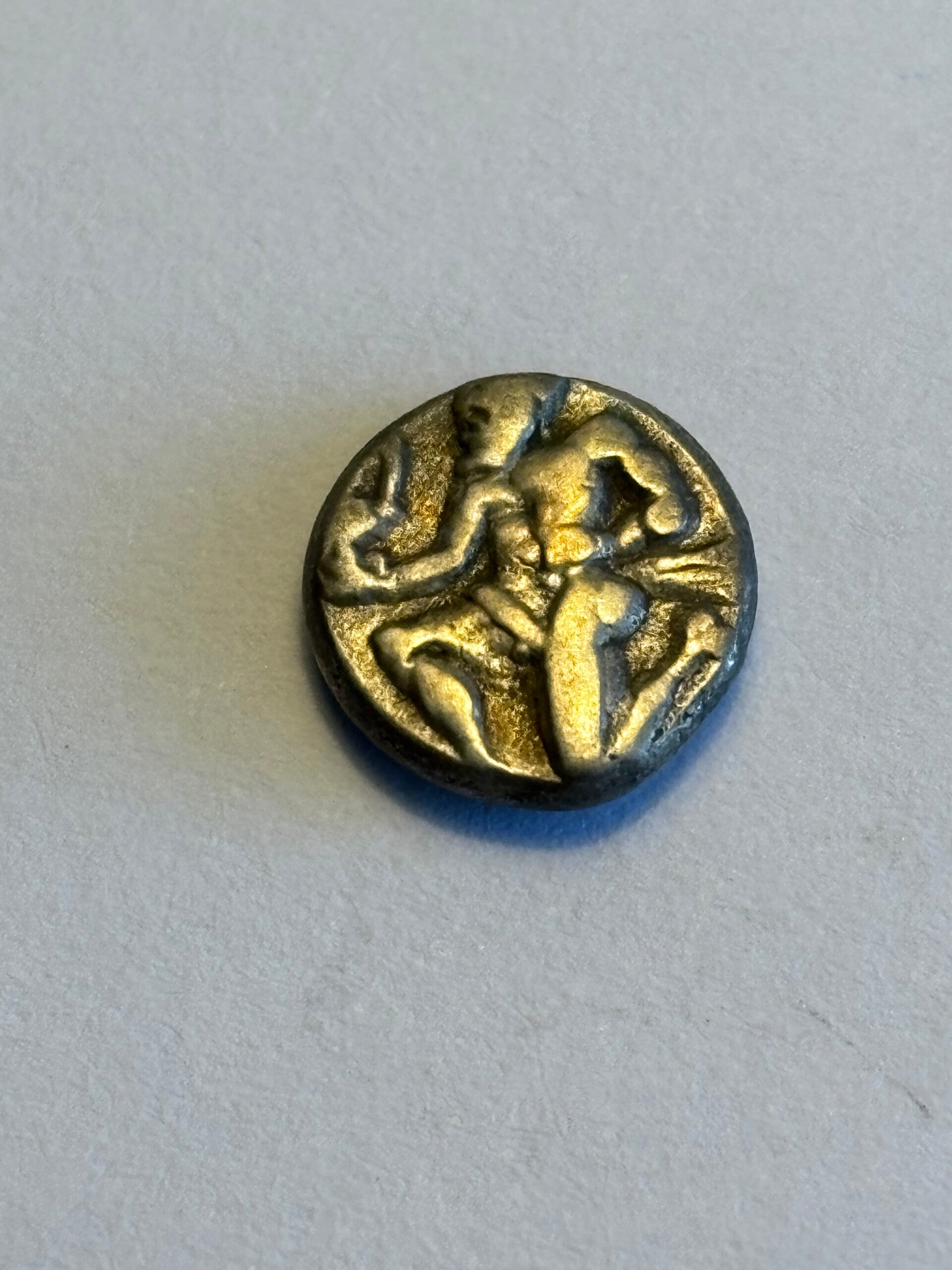
The coin depicts a kneeling-running ithyphallic satyr carrying off a protesting nymph. The satyr—a mythical, wild follower of Dionysus—is shown grabbing the fleeing nymph, who traditionally raises her hand in protest. On the reverse features a deep, quadripartite (four-part) incuse square, characteristic of the earliest Greek coinage.Mythological Meaning: Satyrs in Greek mythology embodied base, primal instincts, while nymphs represented the beauty of nature. The coin scene is believed to represent the Dionysian theme of untamed nature encroaching on civilization, or the ritualistic abduction scenes common in Dionysian cult dances.Evolution of the Design: As Thasos fell under Attic (Athenian) influence in the mid-5th century BCE, the art style shifted. By the end of the 5th century, the nymph's protesting gesture disappeared, and the design evolved into a more peaceful depiction of the two embracing.


Currency Stater

Paid £22 - eBay

Date 23/10/2015

Reference S.1755

Current Value

Weight

Size

Thrace, Istros (400-350 BC) - Conjoined Heads, Sea Eagle with Fish in Claws

Notes

Conjoined Heads / Sea Eagle with Fish in Claws

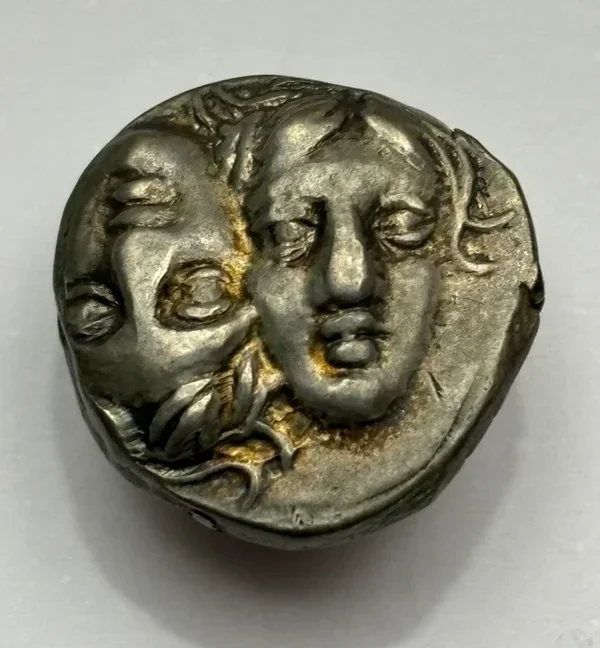
The coin features a the conjoined heads on the obverse, one upright and the other inverted, symbolizing the Dioscuri, Castor and Pollux.

In ancient mythology, these brothers were the patron deities of sailors and travelers. Alternatively, the inverted head is sometimes interpreted as the setting sun.

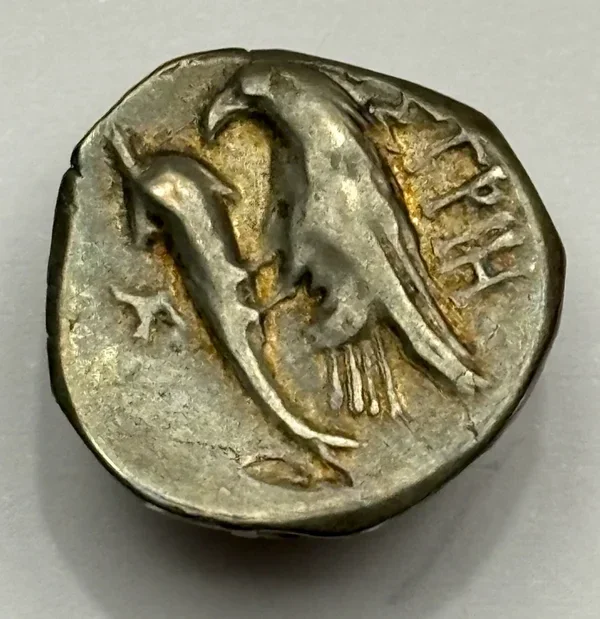
The reverse displays a sea eagle grasping a marine creature—usually a dolphin—in its talons. This powerful image was the civic badge of Istros, serving as a direct nod to the polis's dominance over trade and its deep economic ties to the Black Sea.

It was minted in the ancient city of Istros, located on the western coast of the Black Sea approximately 400-350 BC

Currency Stater

Paid £80 - Charing Cross

Purchased 17/5/2025

Current Value

reference

Size

Weight 5.73g