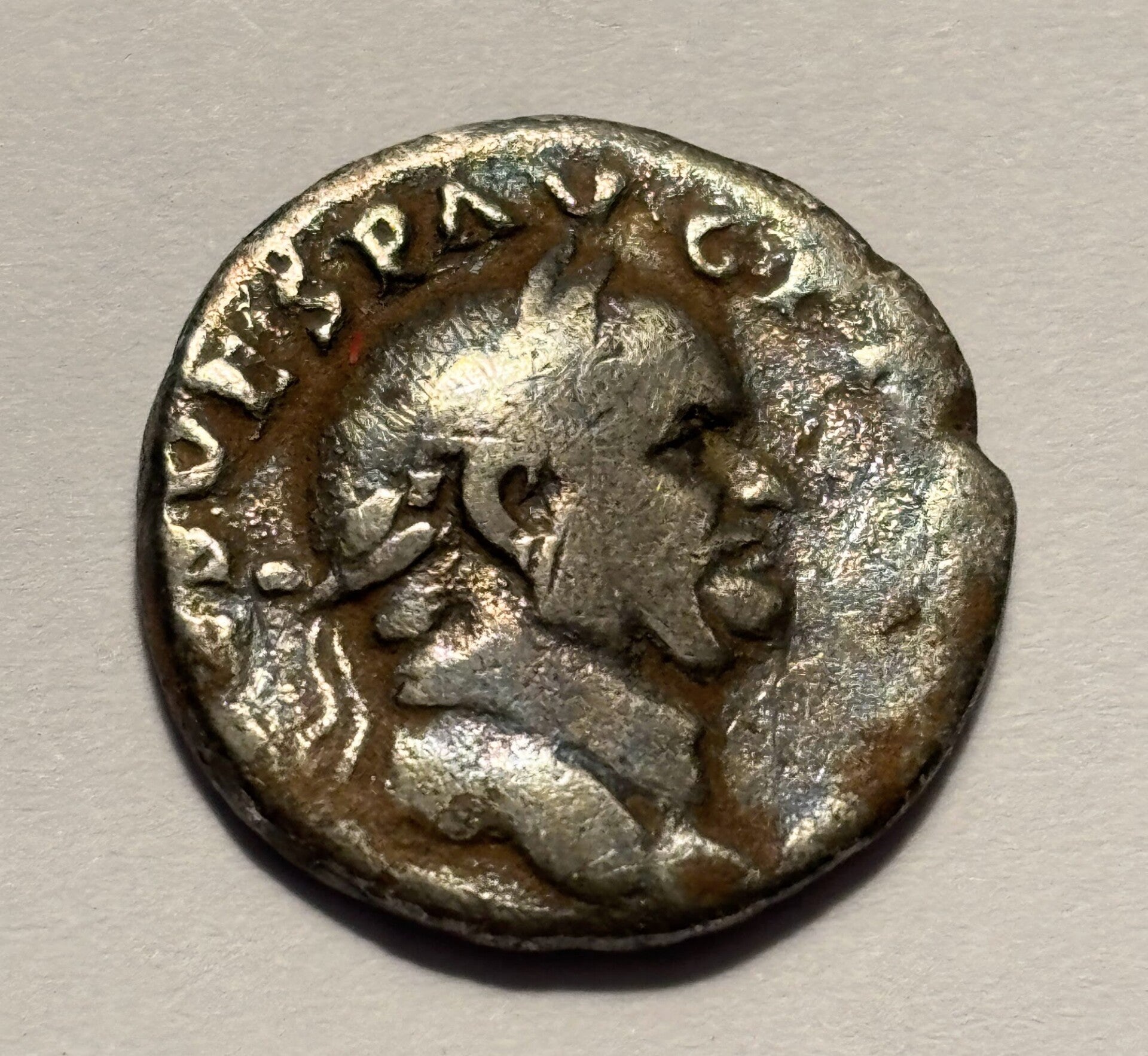
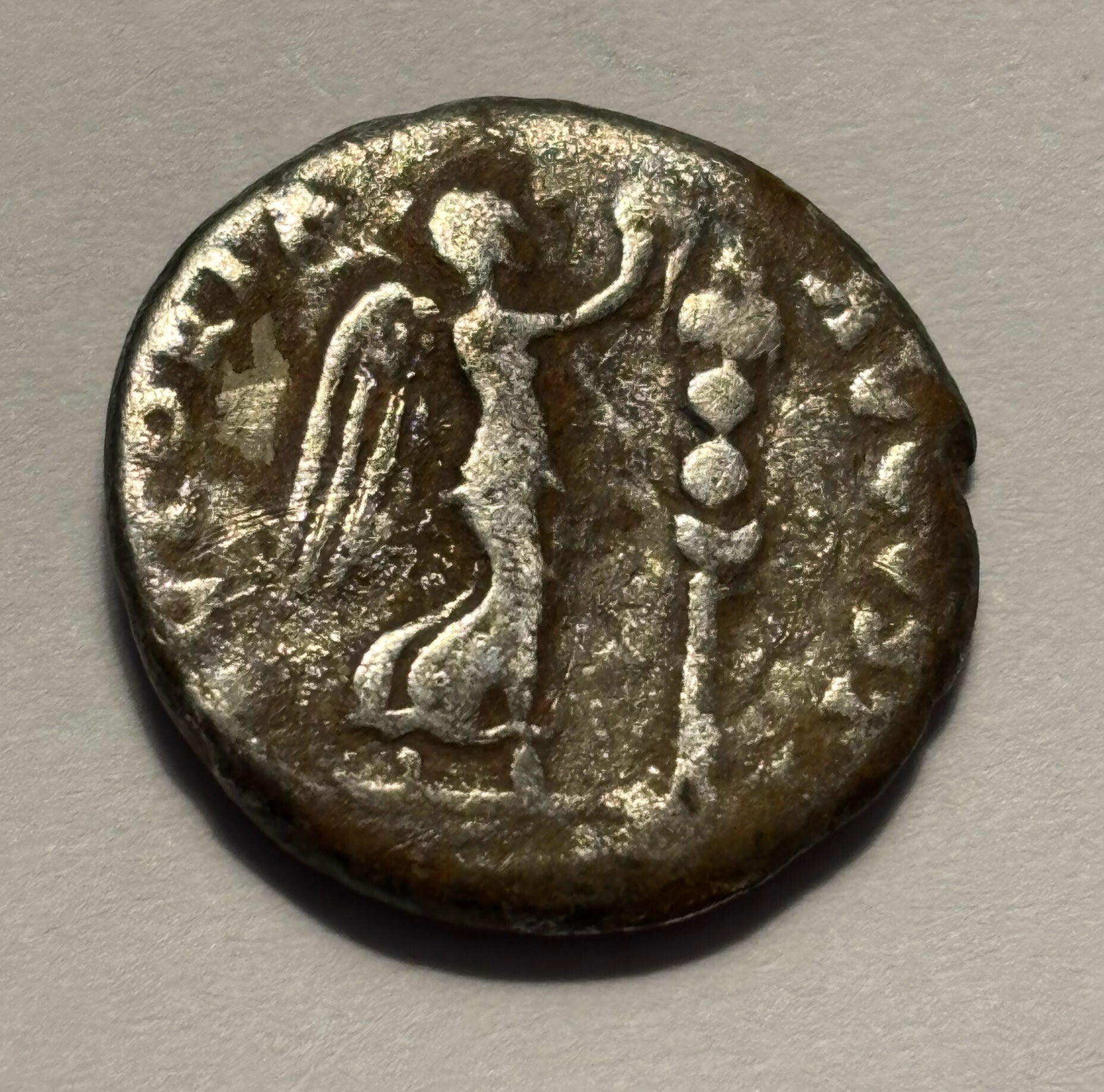
The Twelve Caesars (49BC-96AD)
Julius Caesar — 49–44 BC
Augustus — 27 BC – AD 14
Tiberius — AD 14–37
Caligula — AD 37–41
Claudius — AD 41–54
Nero — AD 54–68
Galba — AD 68–69
Otho — AD 69
Vitellius — AD 69
Vespasian — AD 69–79
Titus — AD 79–81
Domitian — AD 81–96

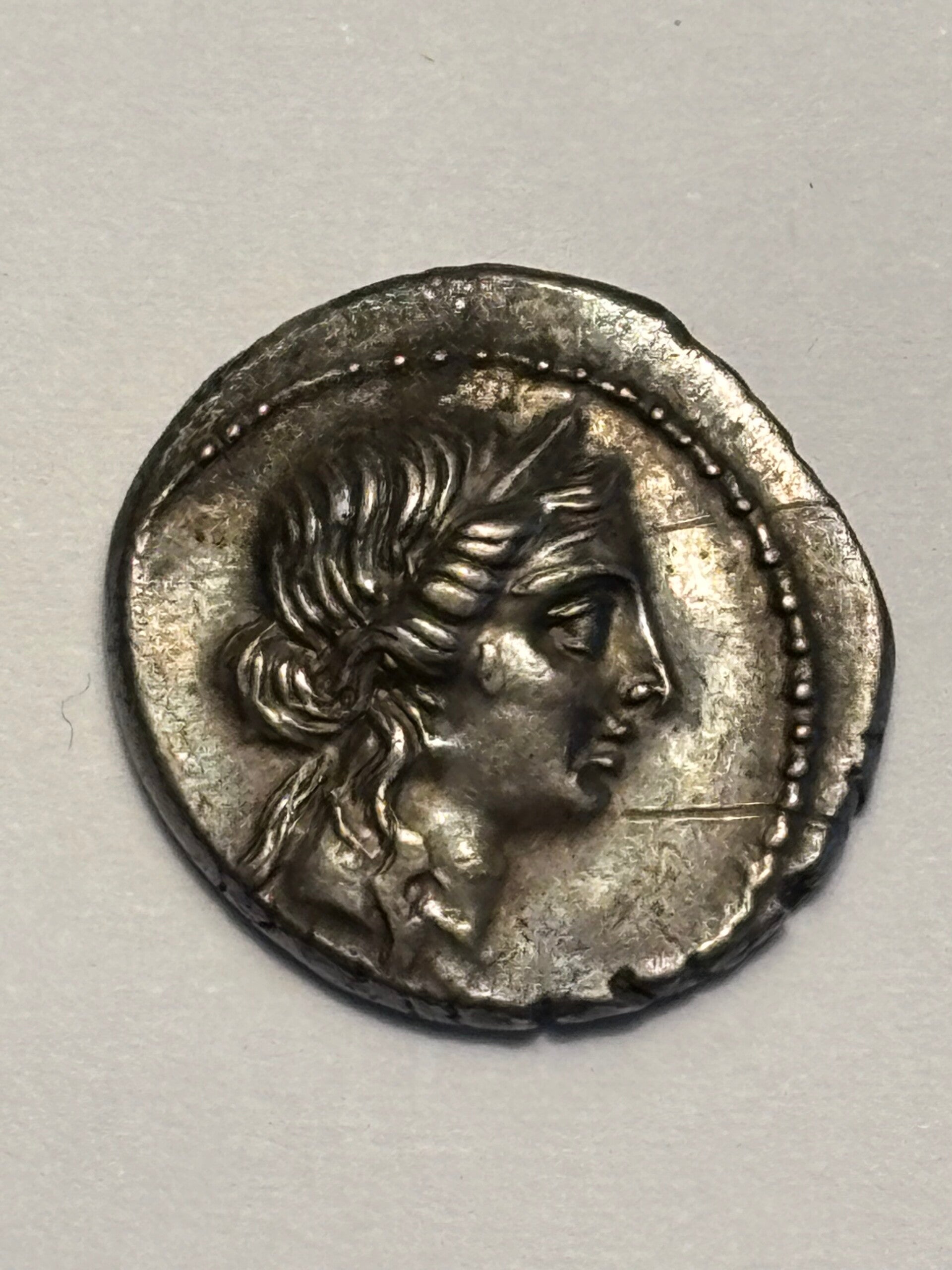
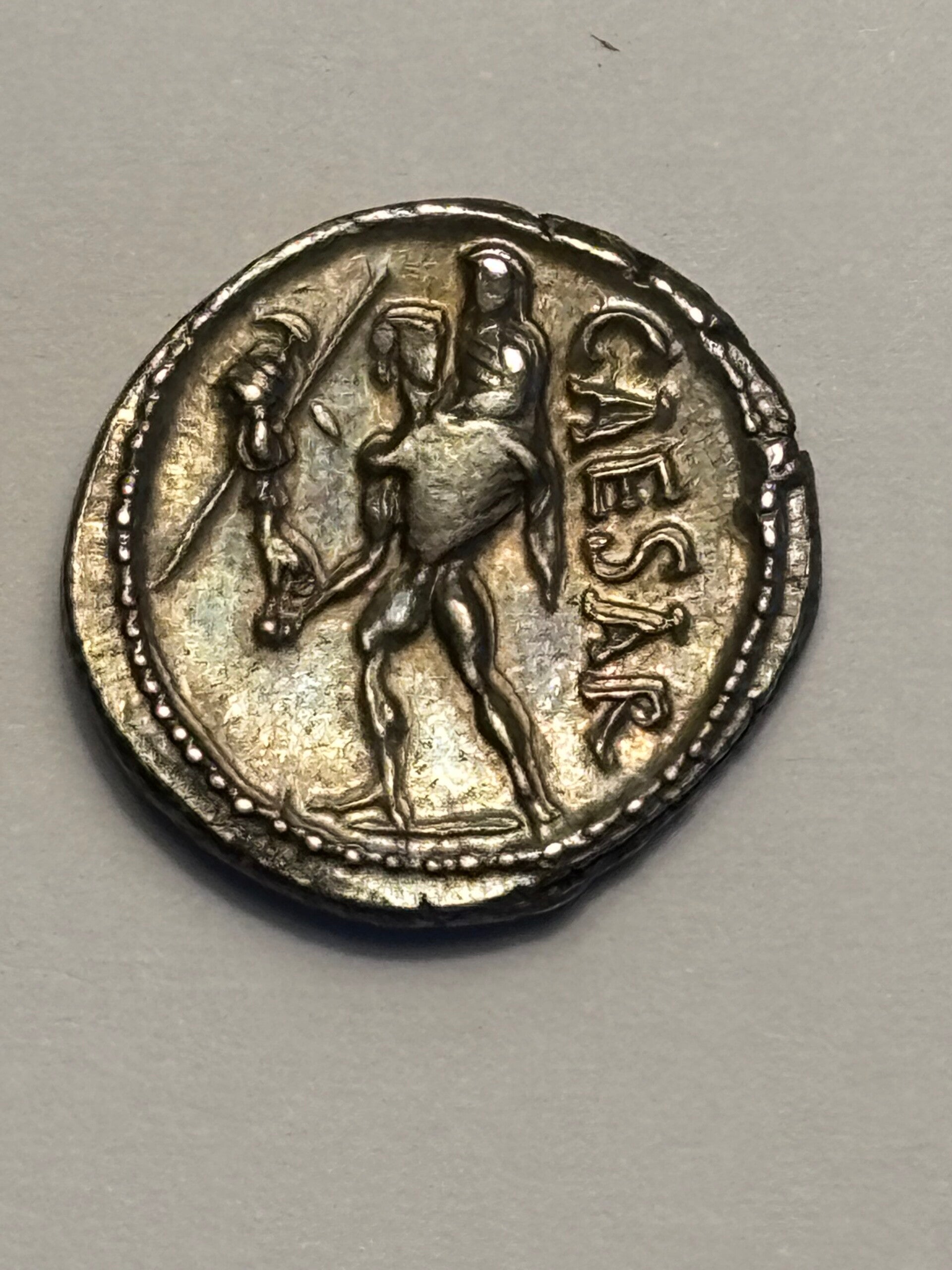
Julius Caesar (100–44 BC) was the brilliant Roman general and statesman whose actions ended the Roman Republic and set the foundations for the Empire. Rising through military success and political alliances, he conquered Gaul, crossed the Rubicon in defiance of the Senate, and emerged victorious from civil war as Rome’s dominant figure. As dictator, he introduced major reforms—from the calendar to provincial administration—that reshaped Roman life. His growing power alarmed traditionalists, and on the Ides of March 44 BC he was assassinated by senators hoping to save the Republic. Instead, his death triggered another civil war, leading to the rise of Augustus and the birth of imperial Rome.
Julius Caesar stands at the turning point between Republic and Empire, and his coinage reflects that seismic shift. His issues — from the famous elephant denarius to the unprecedented lifetime portrait coins of 44 BC — were political statements as much as currency. They celebrated his victories in Gaul, his role as dictator perpetuo, and his religious authority, all while signalling the rise of personal power over traditional Republican institutions. Caesar’s coinage marks the moment Rome embraced the image of a single ruler, setting the template for every emperor who followed.
178. Julius Caesar (100 - 44 BC) - Venus / Aeneas
112. Julius Caesar (100 - 44 BC) - Elephant Trampling Snake (* Contemporary Counterfeit *)
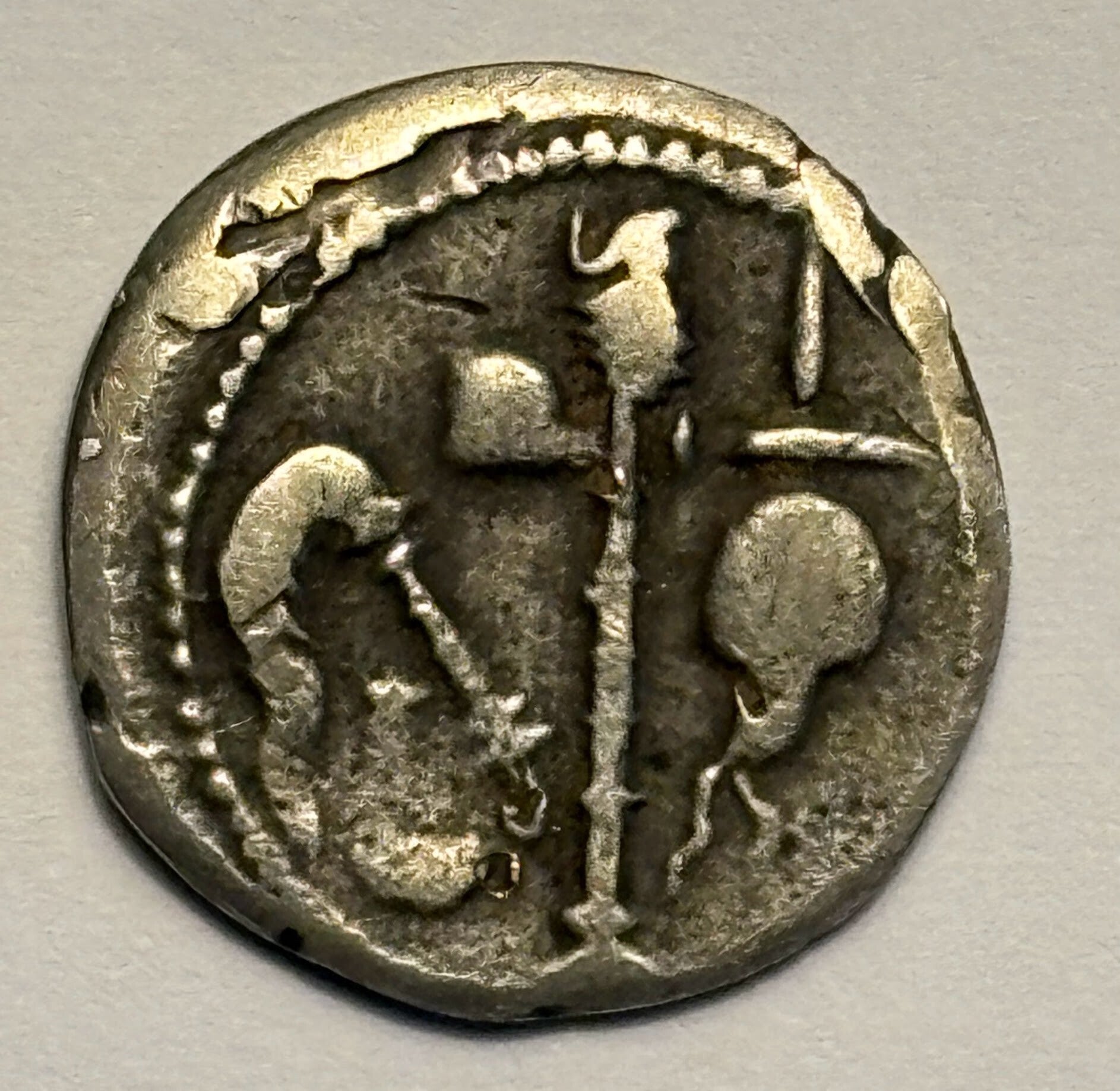
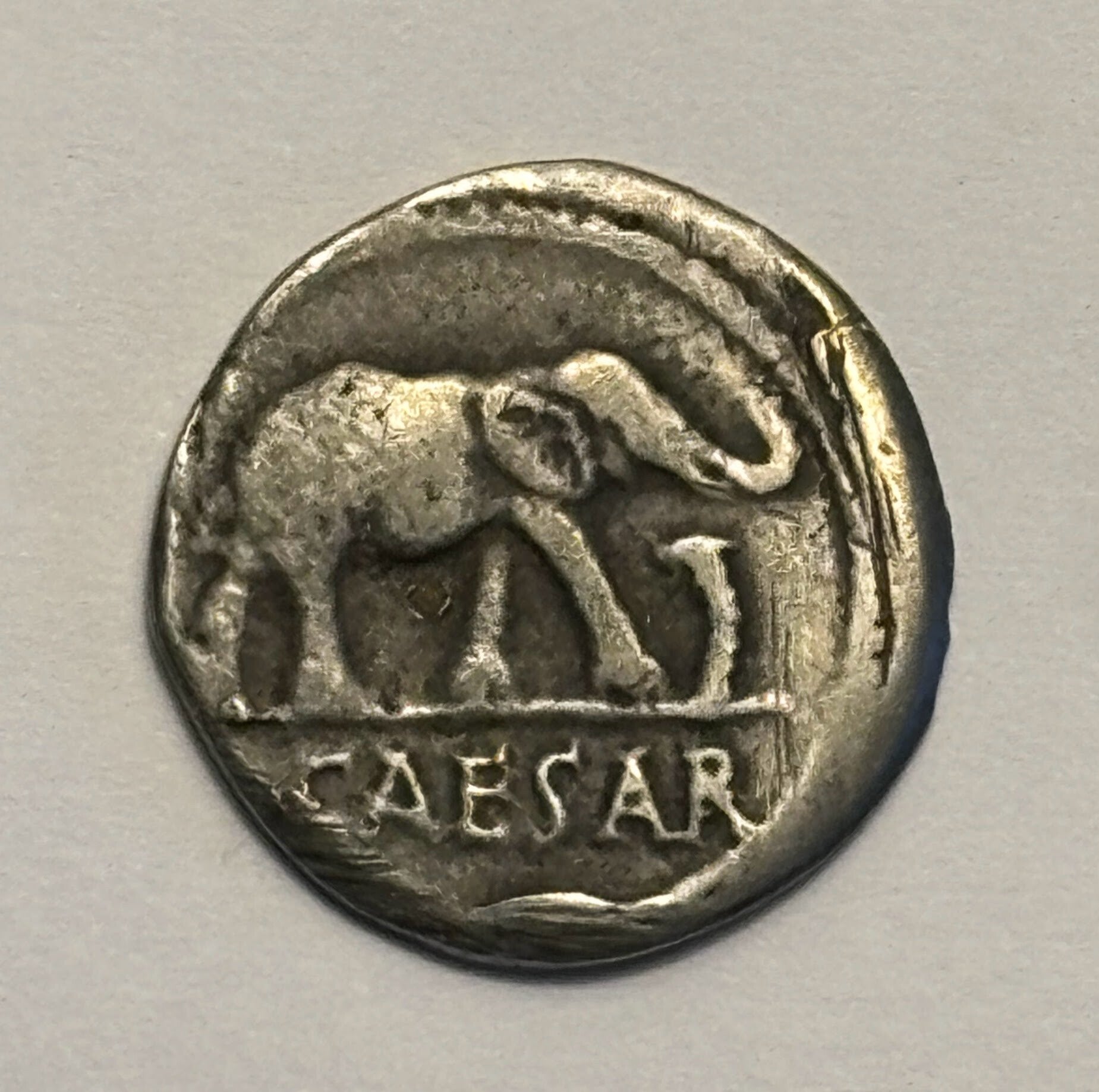
241. Julius Caesar (100 - 44 BC) - Elephant Trampling Snake
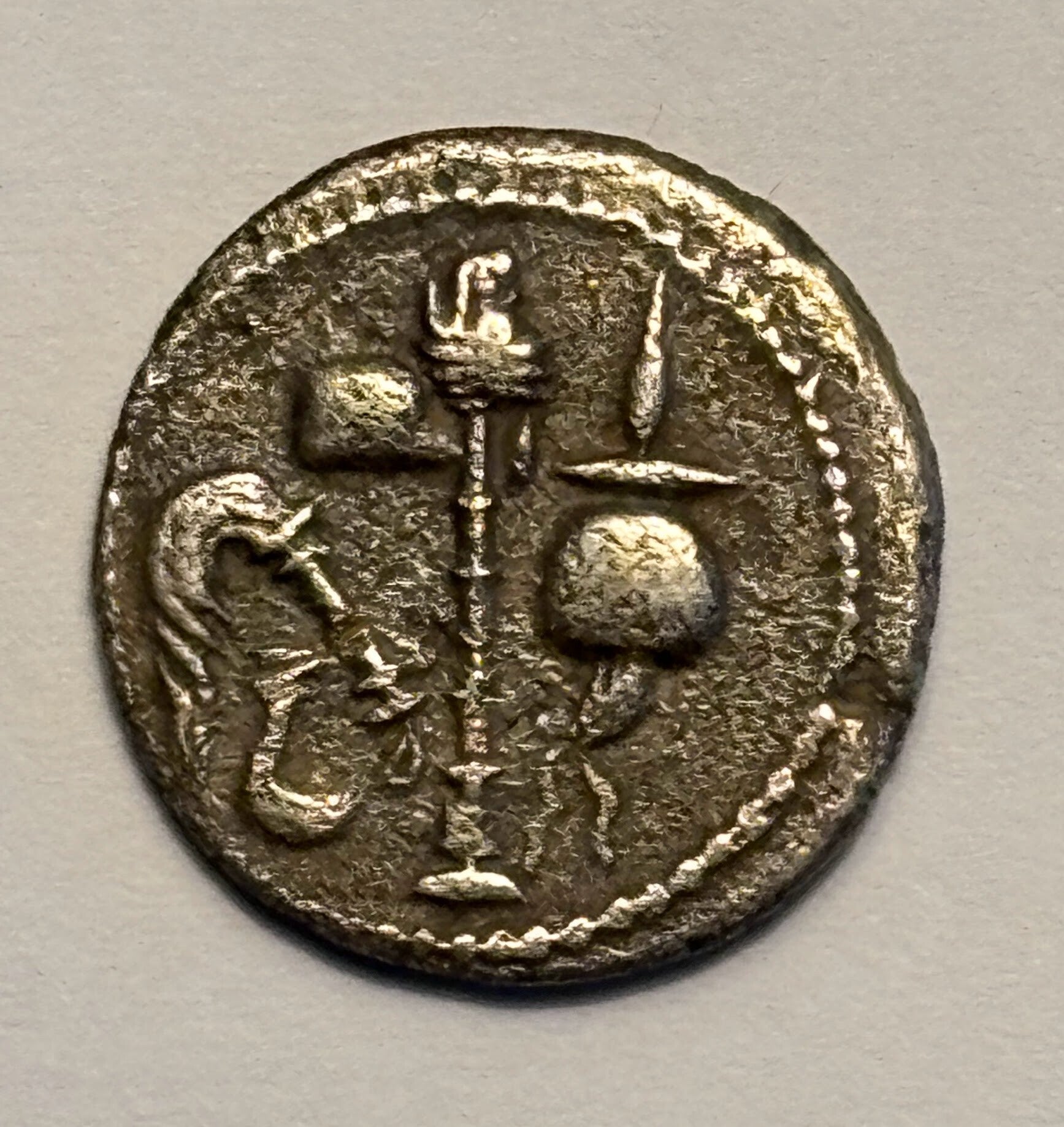
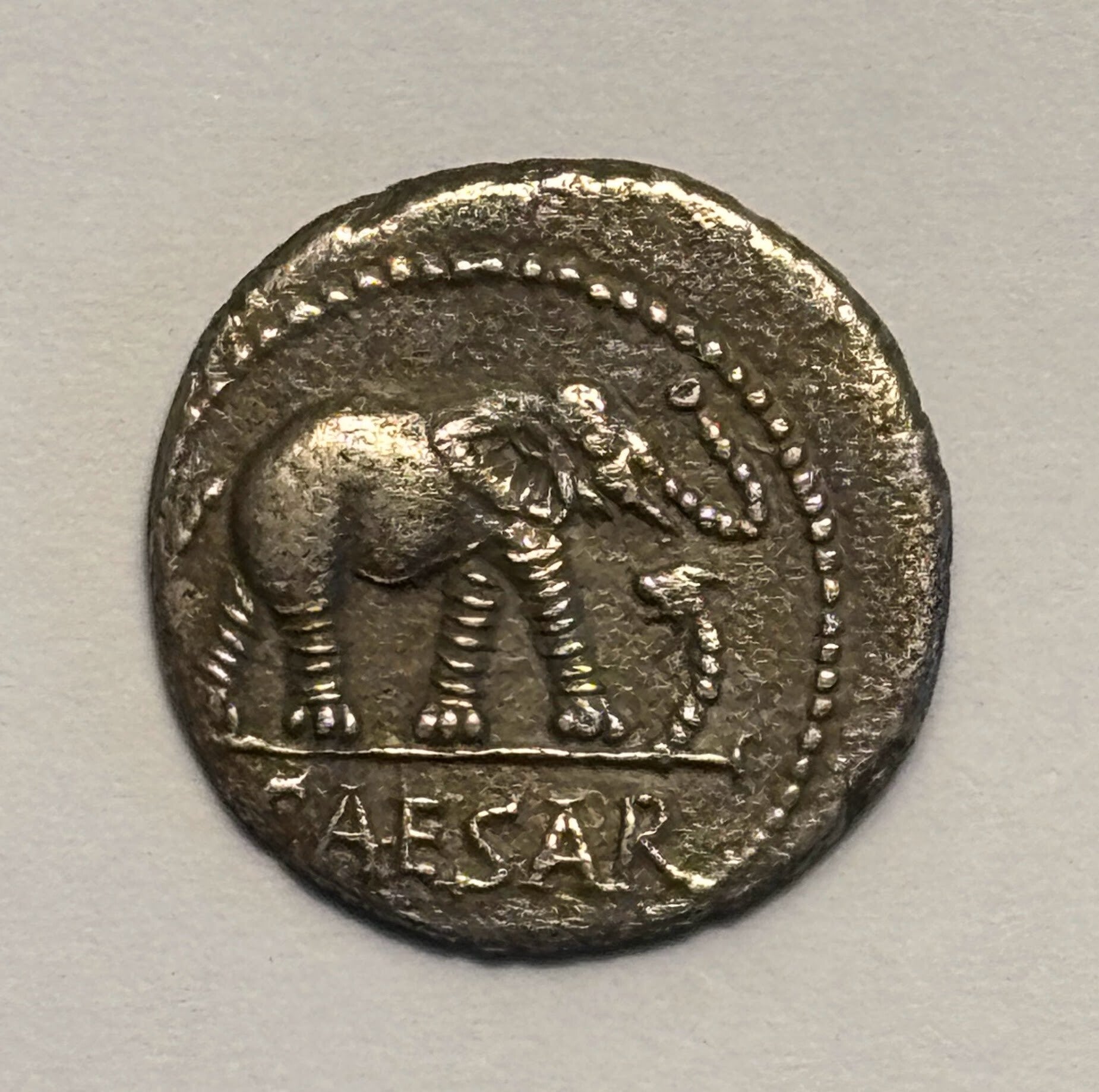
185. Julius Caesar (100 - 44 BC) - Gaulish Captives
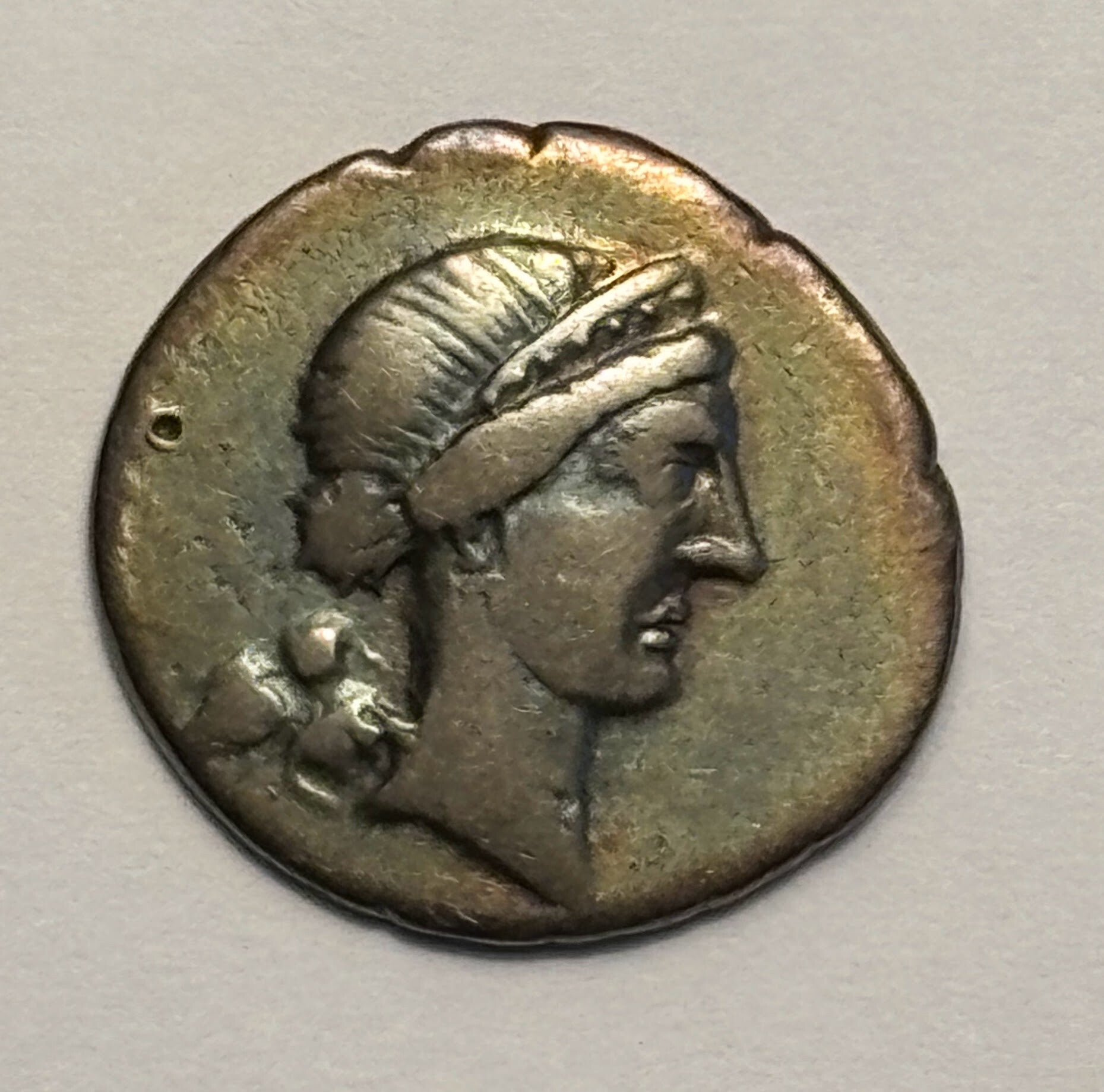
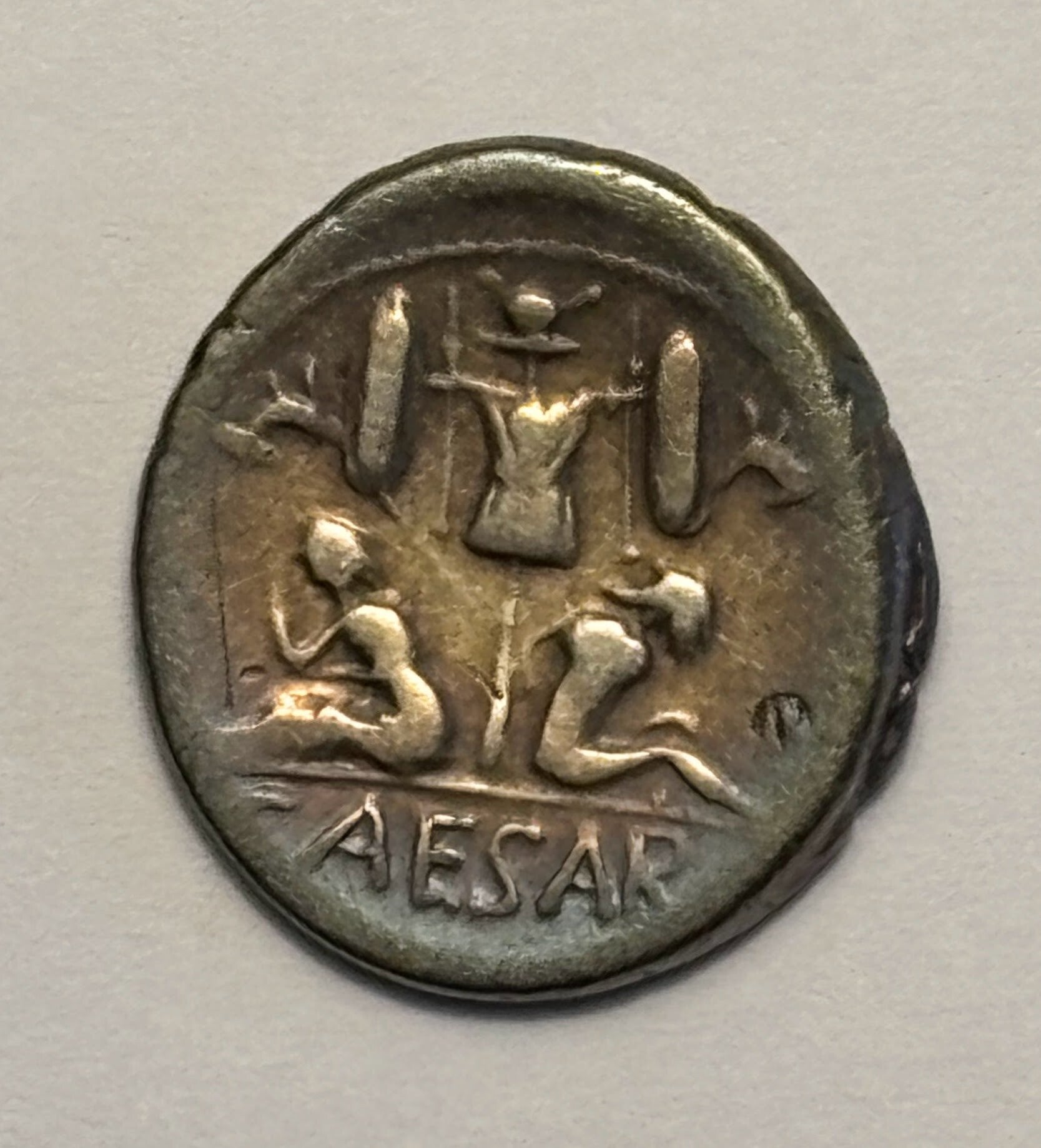
122. Julius Caesar (100 - 44 BC) - Gaulish Captives
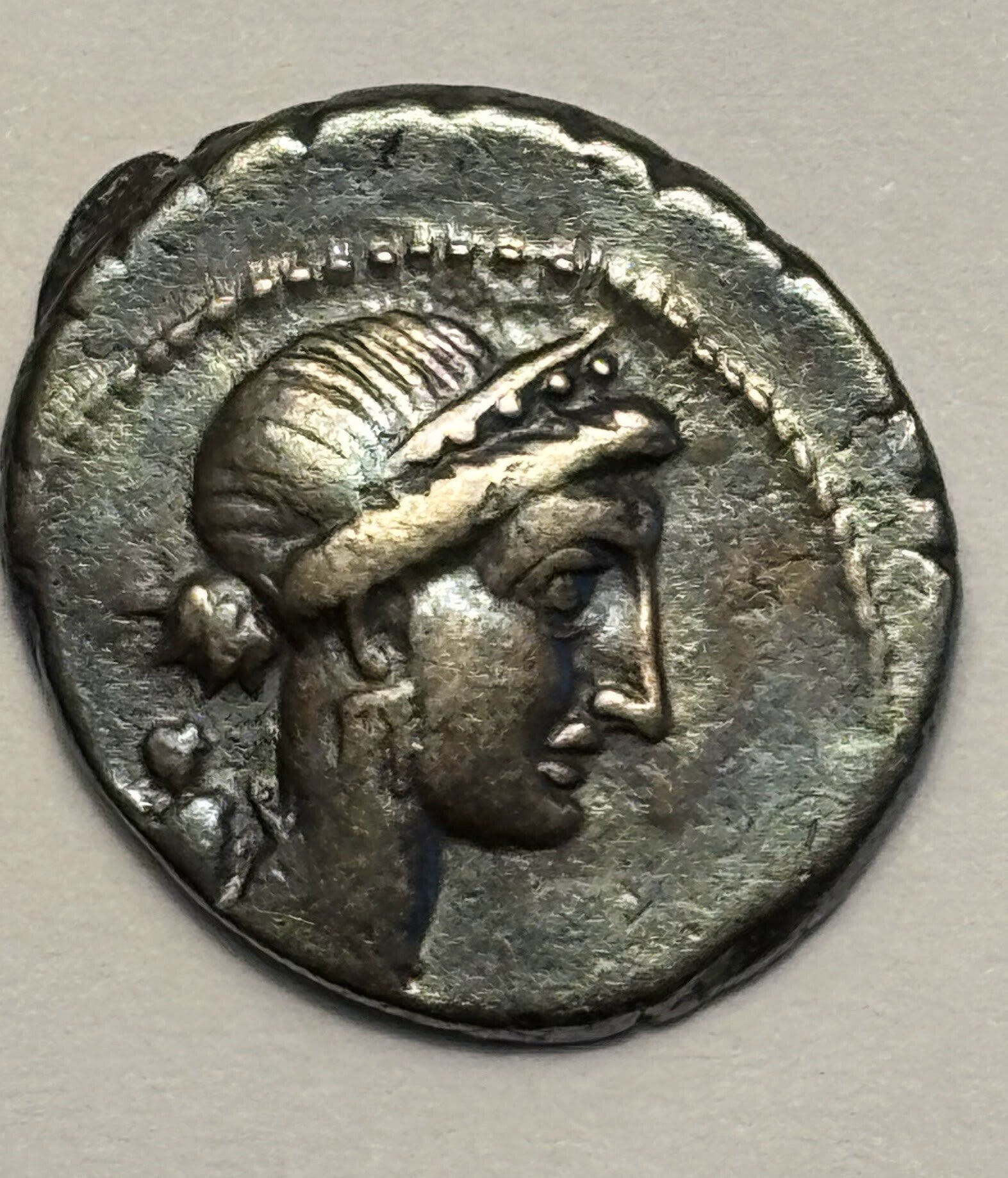
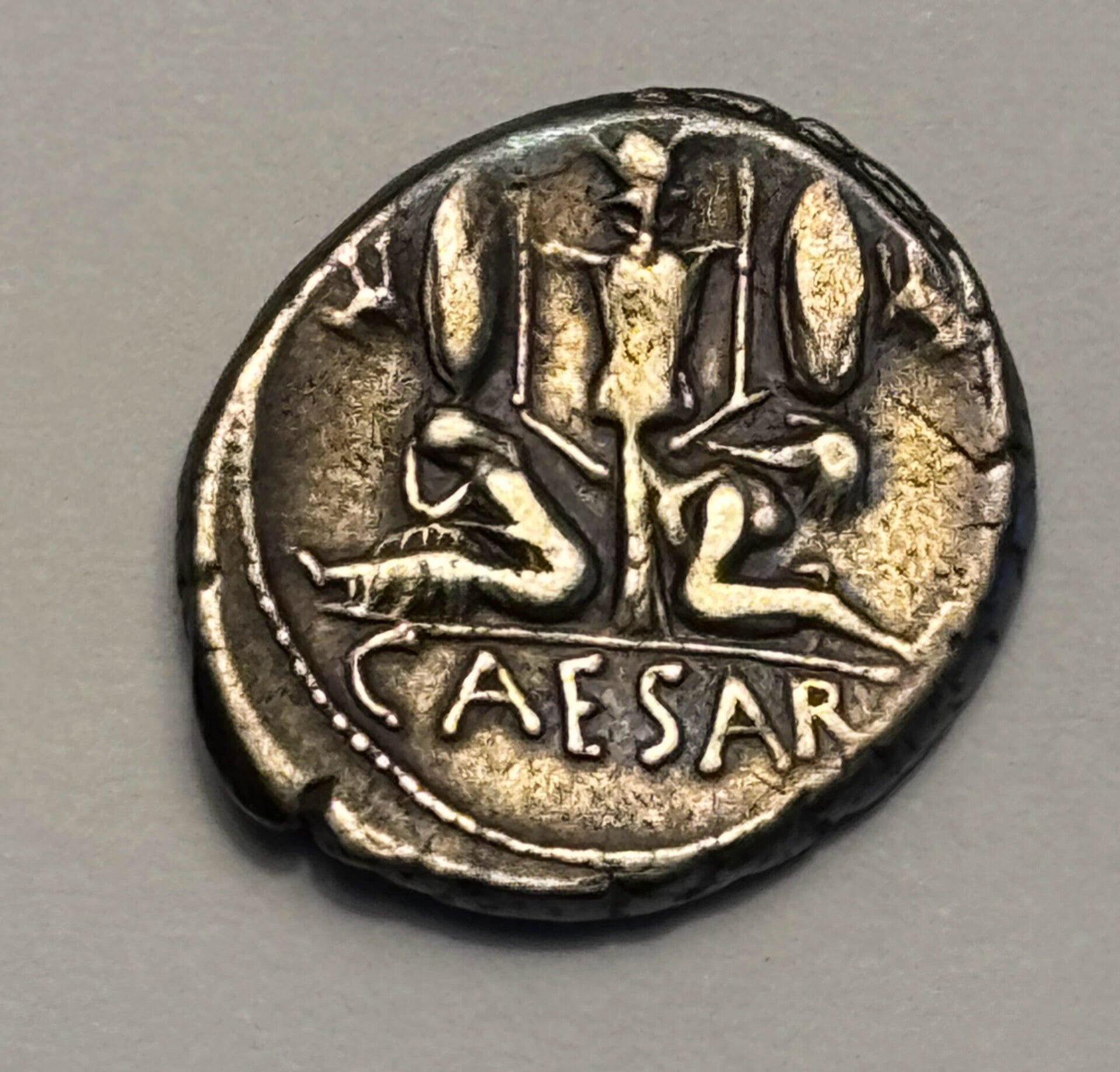
104. Julius Caesar (100 - 44 BC) - Trophy of Gallic Arms
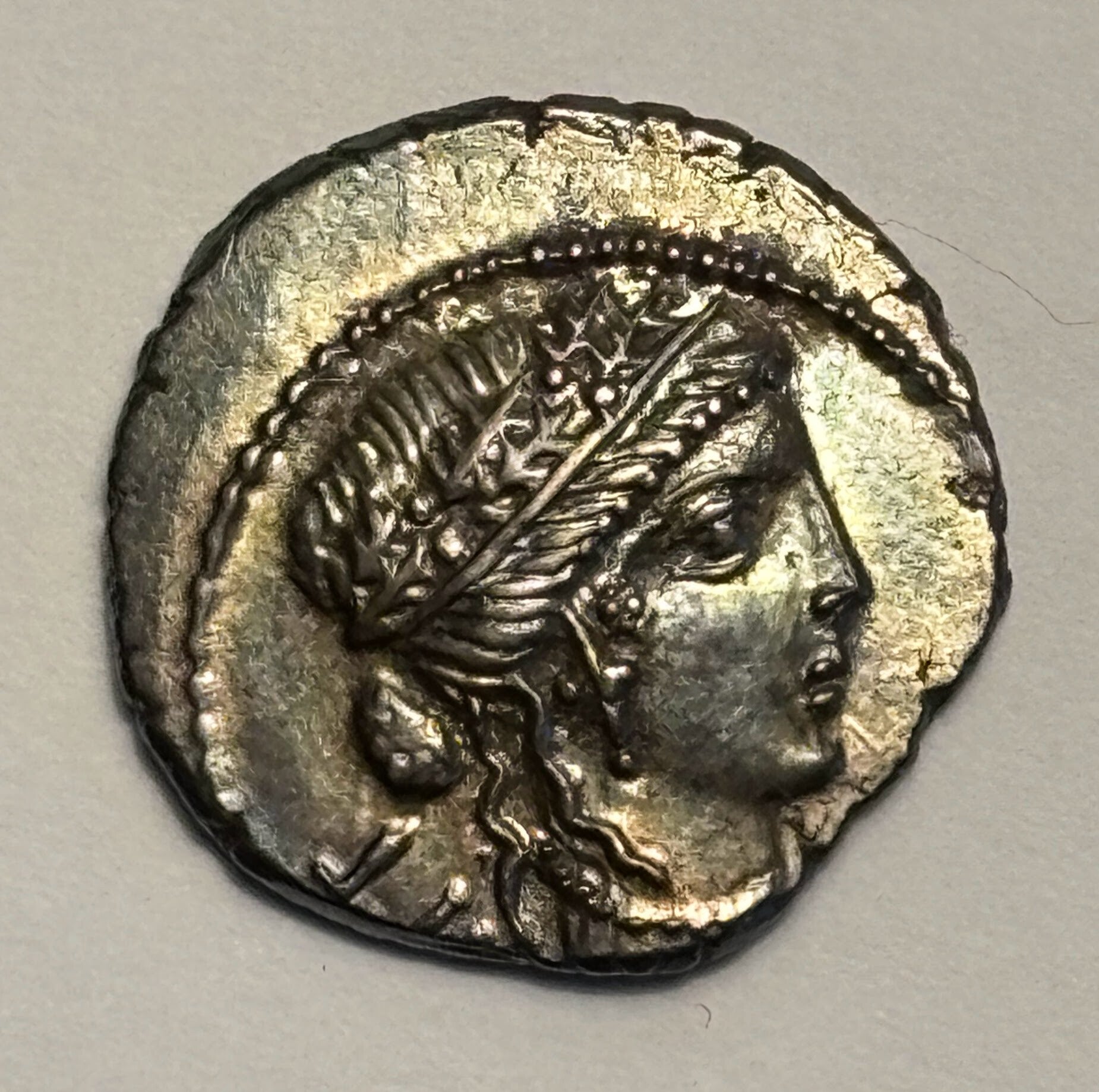
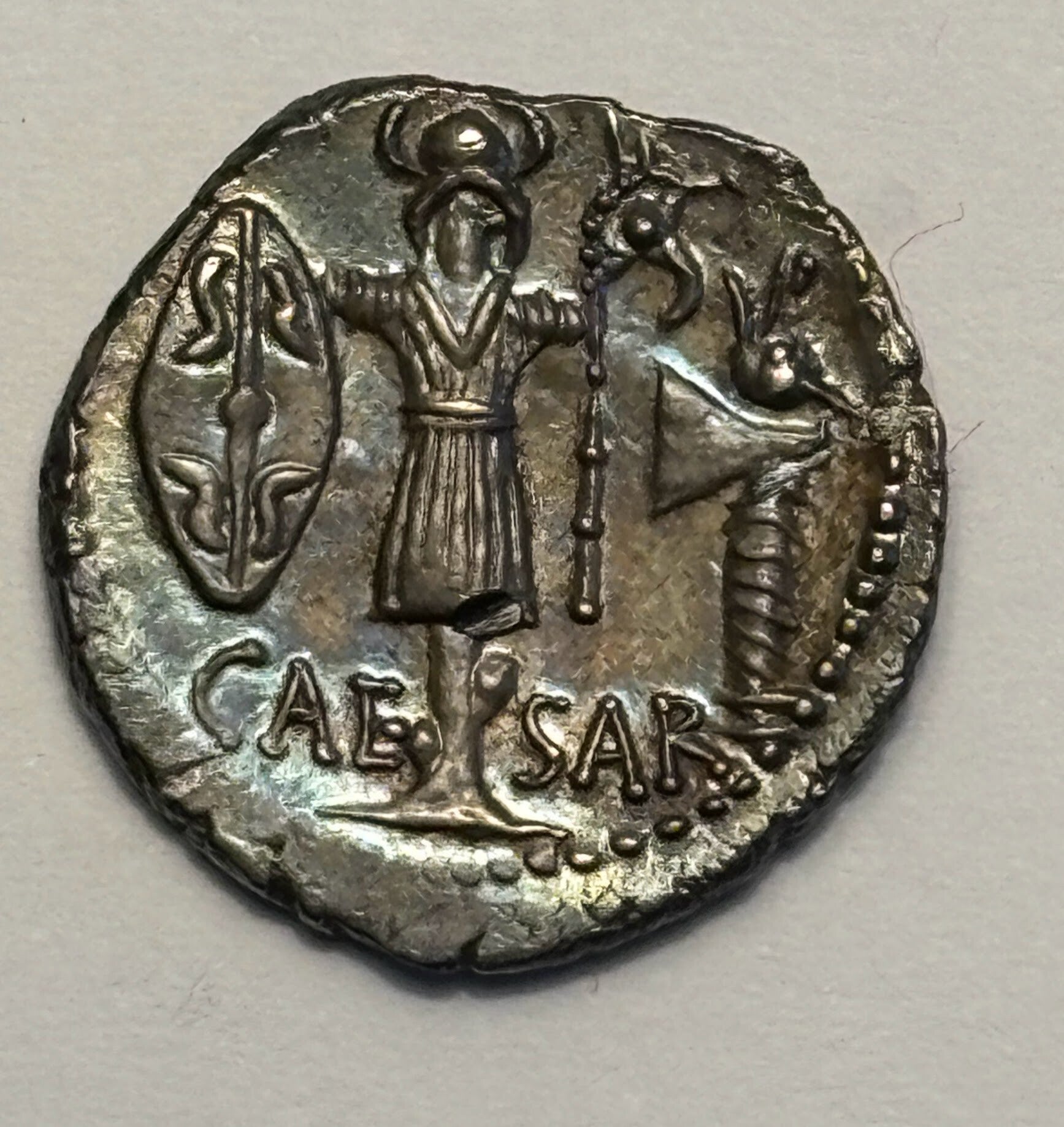
190. Cnaes Pompey - Roma / Pompey Receives Palm (46 BC)
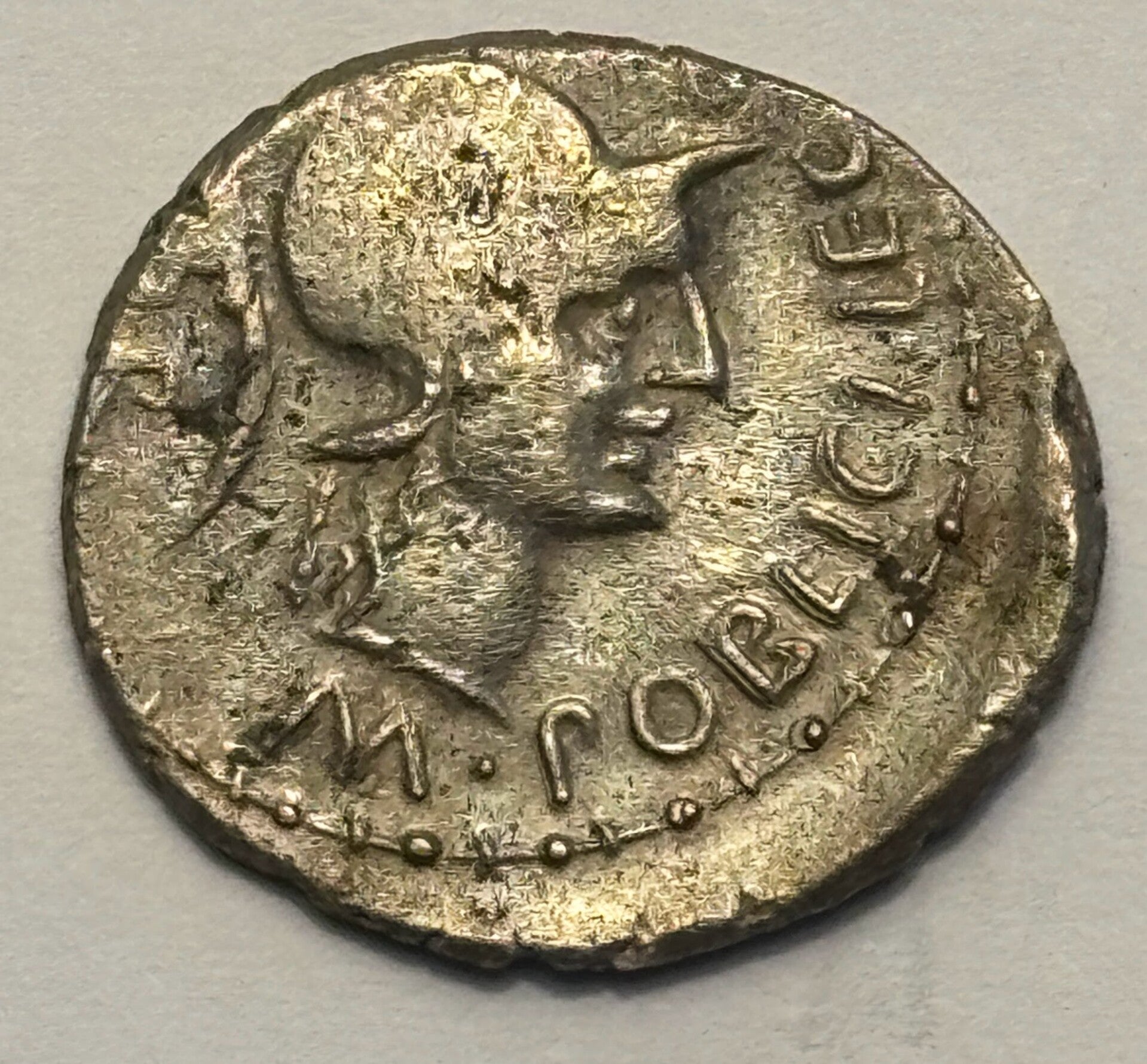
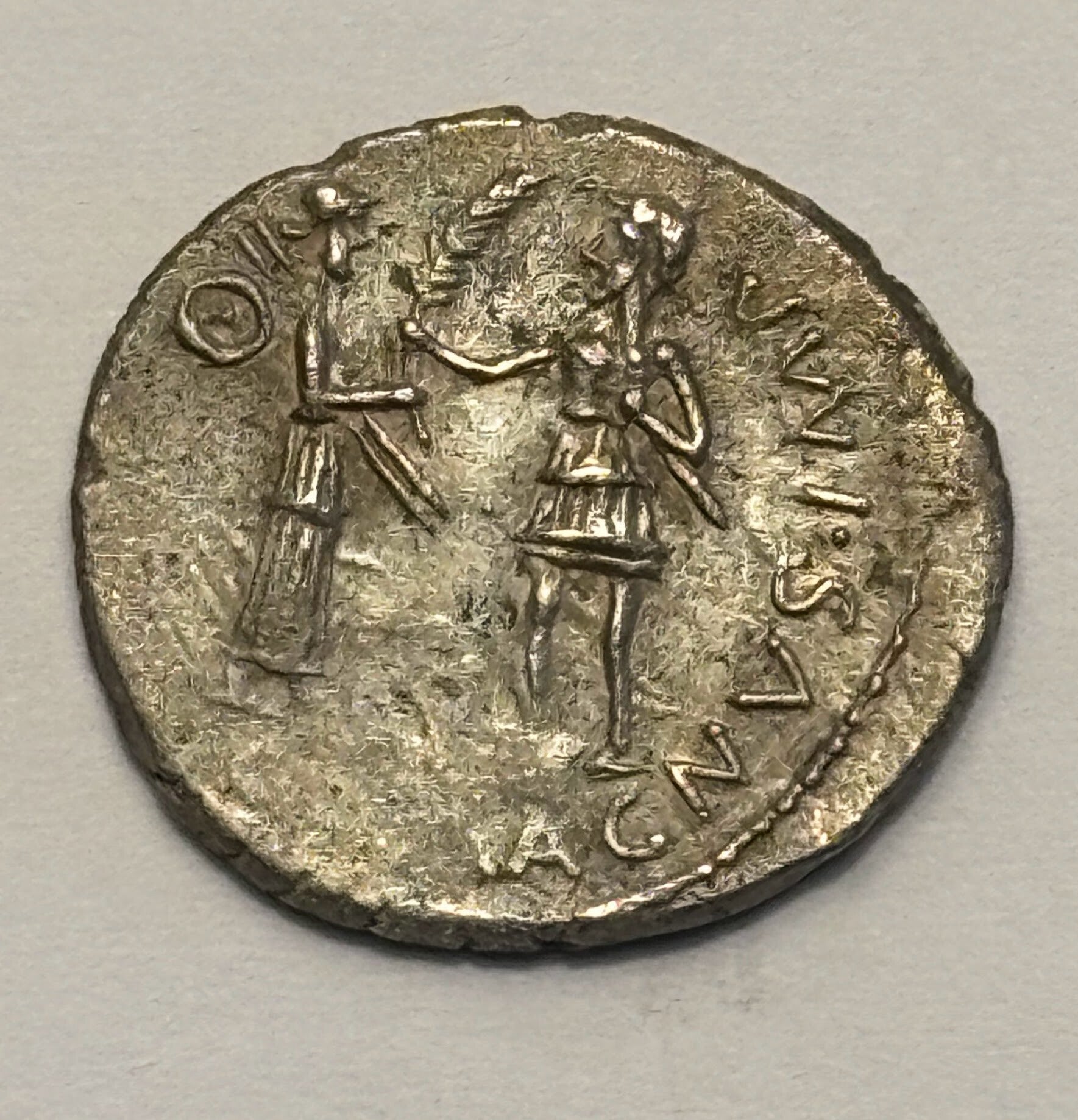

Augustus (born Gaius Octavius, later Octavian; 63 BC–AD 14) was the founder of the Roman Empire and its first emperor, ruling for more than forty years. After Julius Caesar’s assassination, Octavian rose from a little‑known teenager to the dominant force in Roman politics, defeating rivals like Mark Antony and Cleopatra to bring an end to the civil wars. In 27 BC he took the title Augustus, marking the beginning of a new political order. His reign brought stability, administrative reform, and a cultural flourishing often called the Pax Romana. Augustus reshaped Rome’s institutions while maintaining the façade of republican tradition, creating a system that endured for centuries and defining what it meant to be a Roman emperor.
Augustus transformed Caesar’s raw, revolutionary power into a stable political system, and his coinage is the visual proof of that achievement. His issues emphasise peace and restoration — the closing of the Temple of Janus, the return of lost standards, and the prosperity of the new Pax Romana. Portraiture becomes serene and idealised, projecting a ruler who governs by harmony rather than force. Through careful symbolism, Augustus used his coinage to legitimise his authority, celebrate Rome’s renewal, and define what it meant to be an emperor for generations to come.
137. Agrippa (63-12 BC) - Neptune
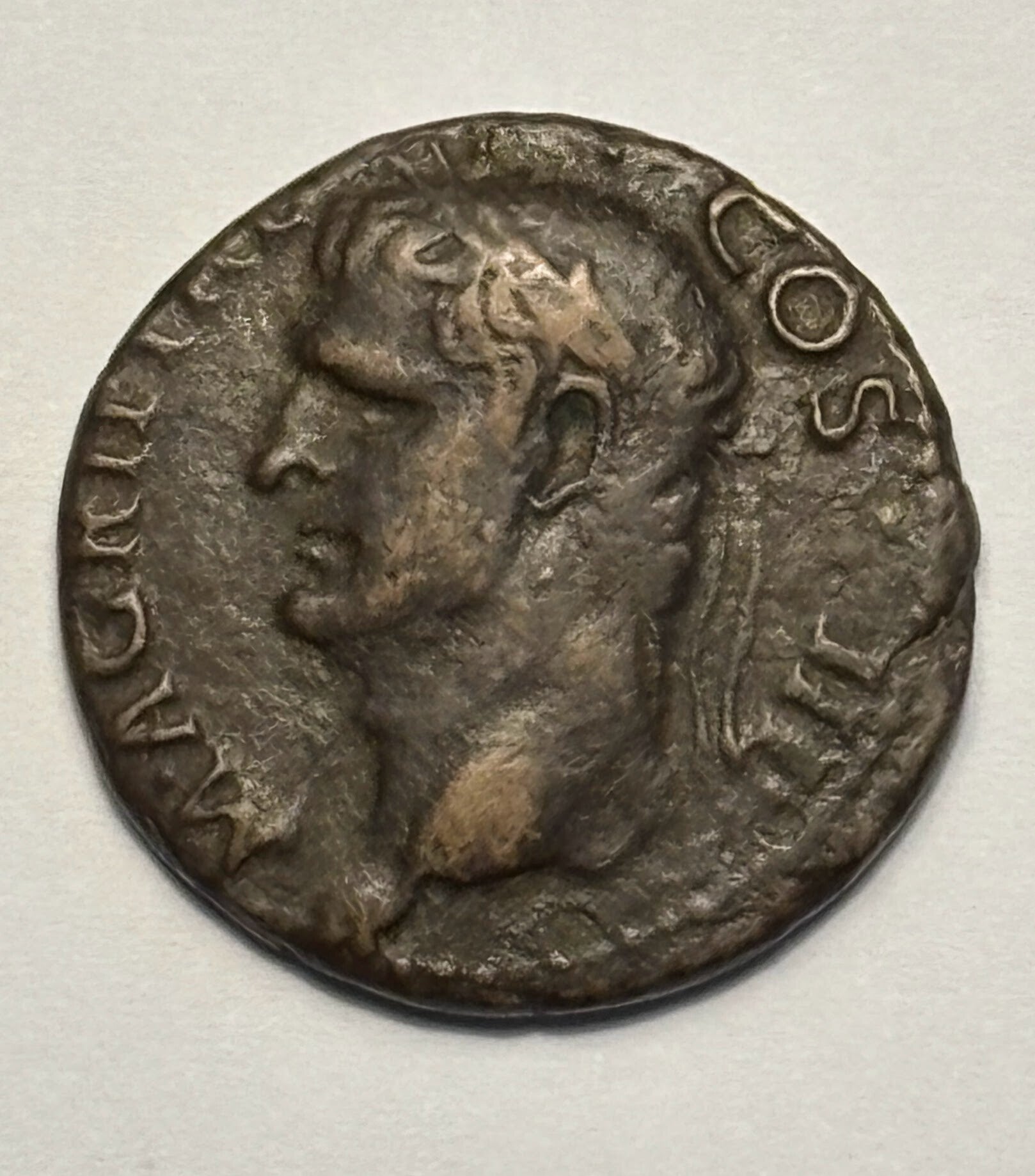
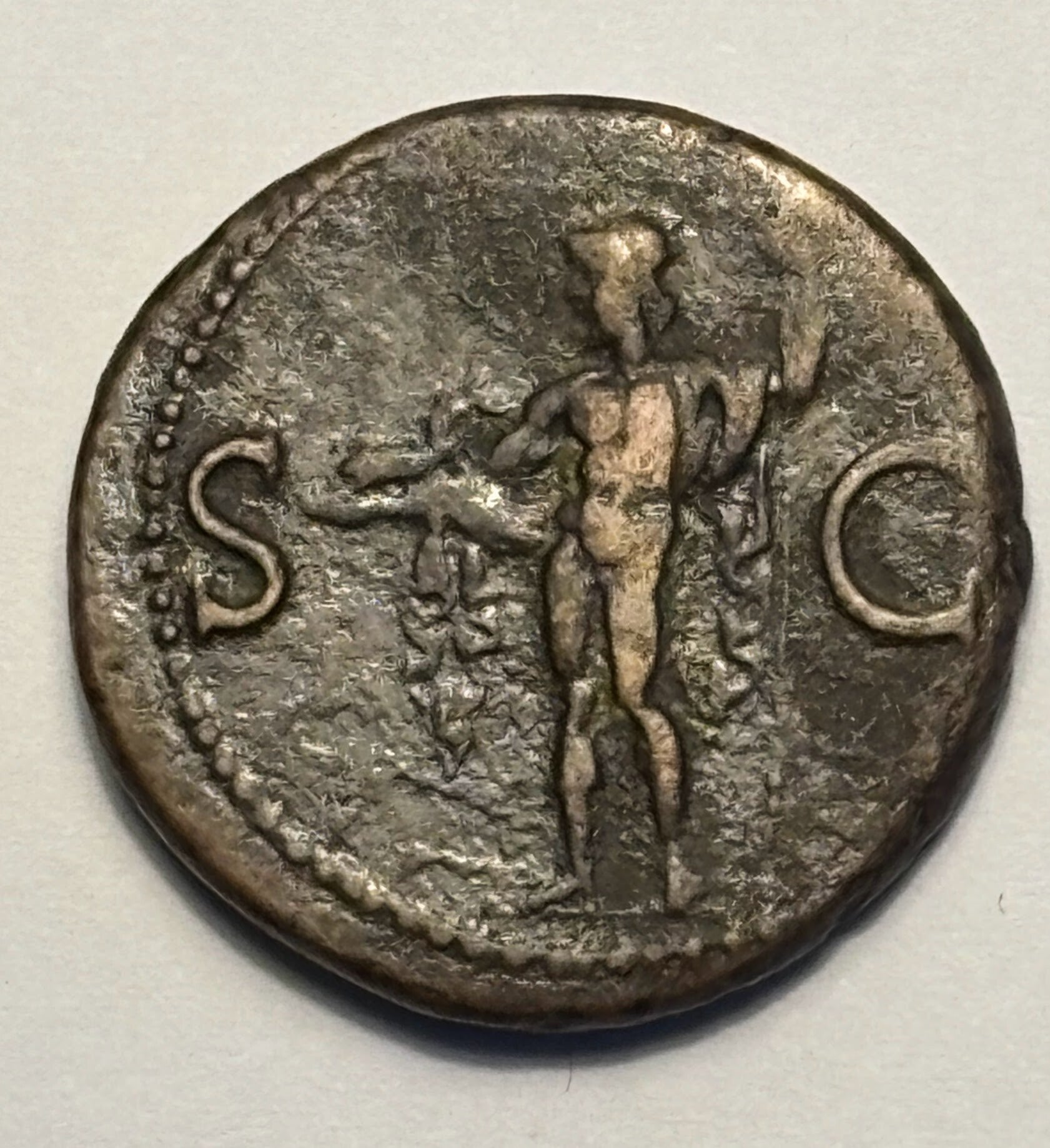
172. Agrippa (63-12 BC) - Neptune
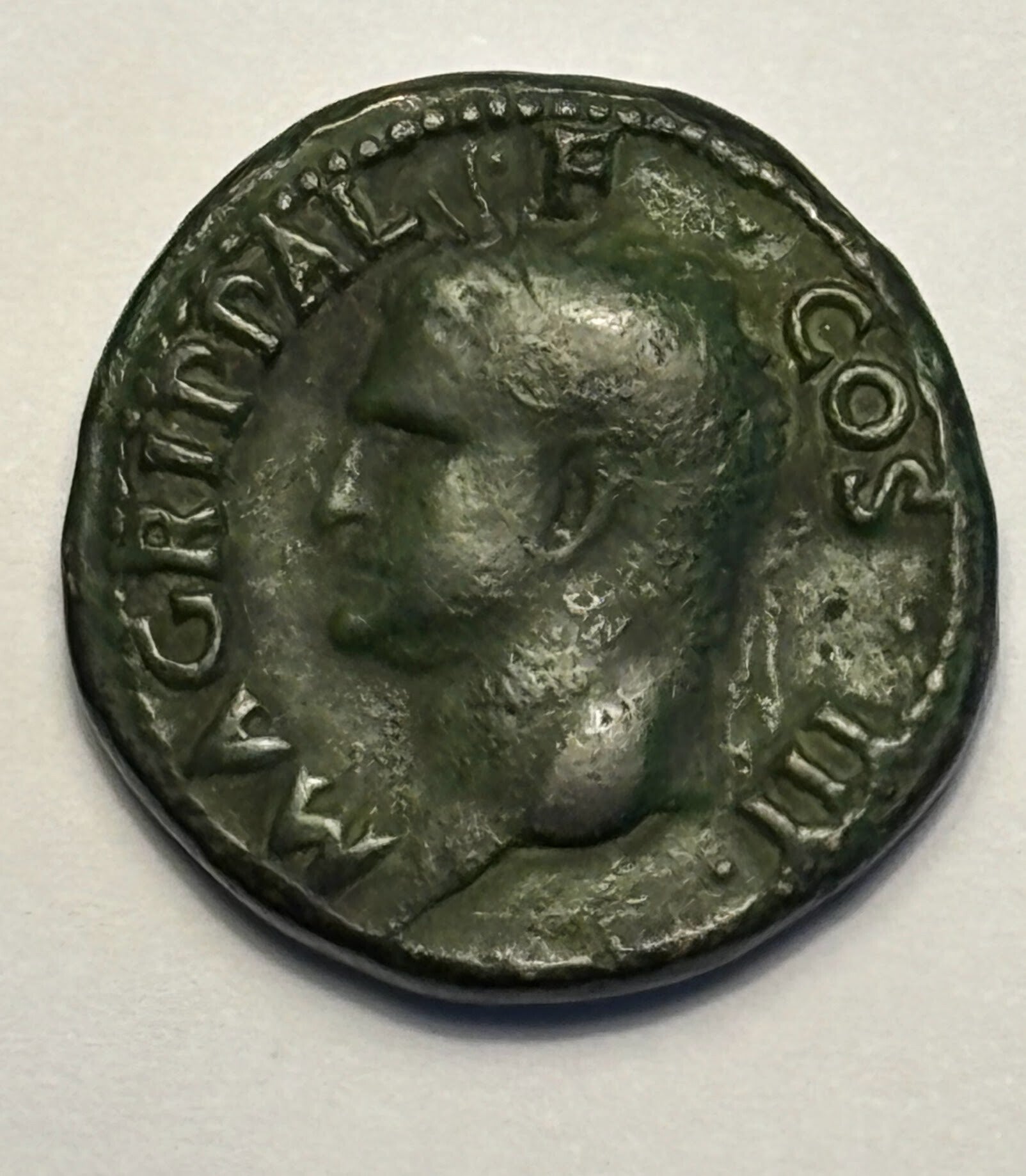
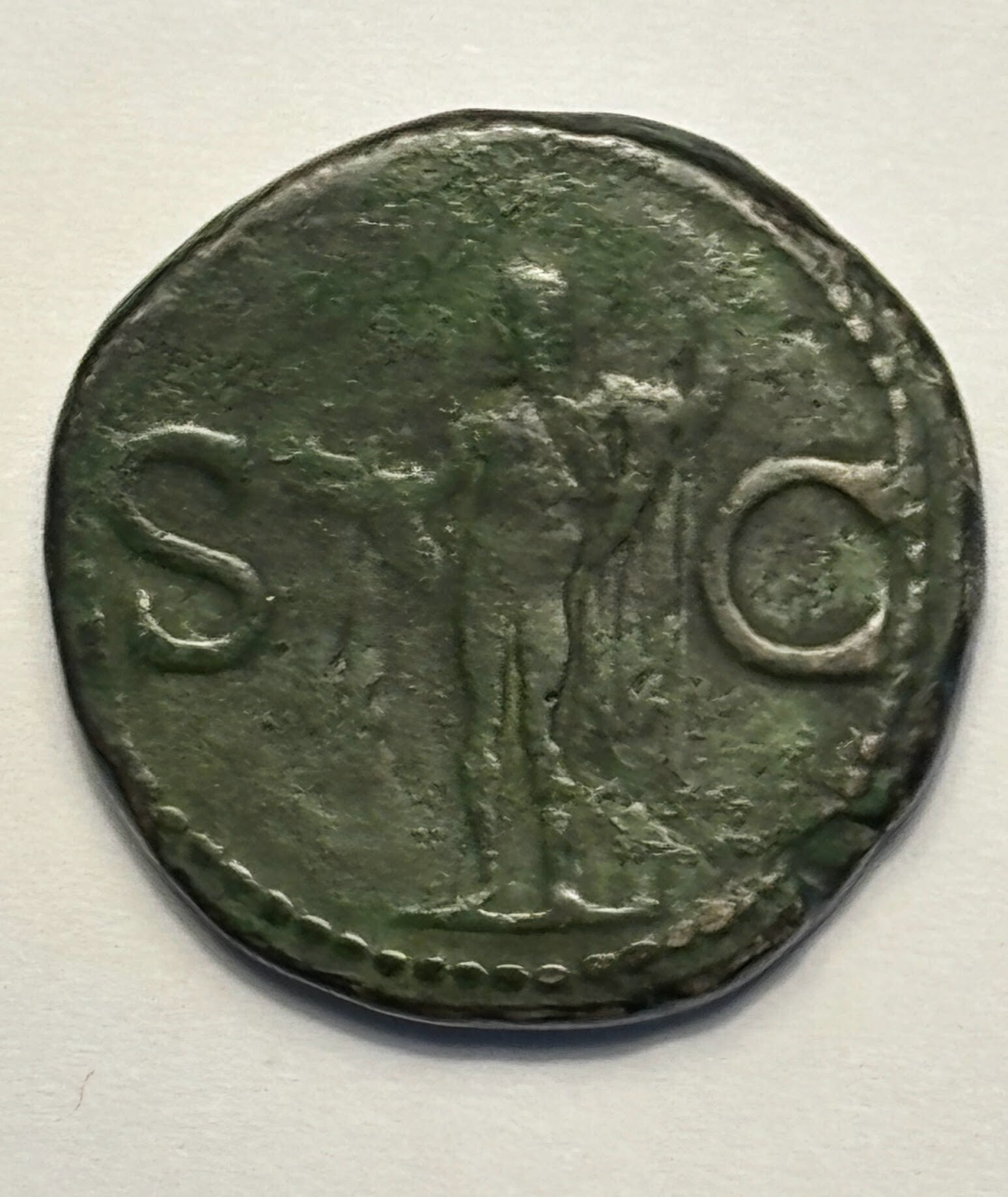
161. Octavian (29-27 BC) - Victory standing flanked by Two Snakes
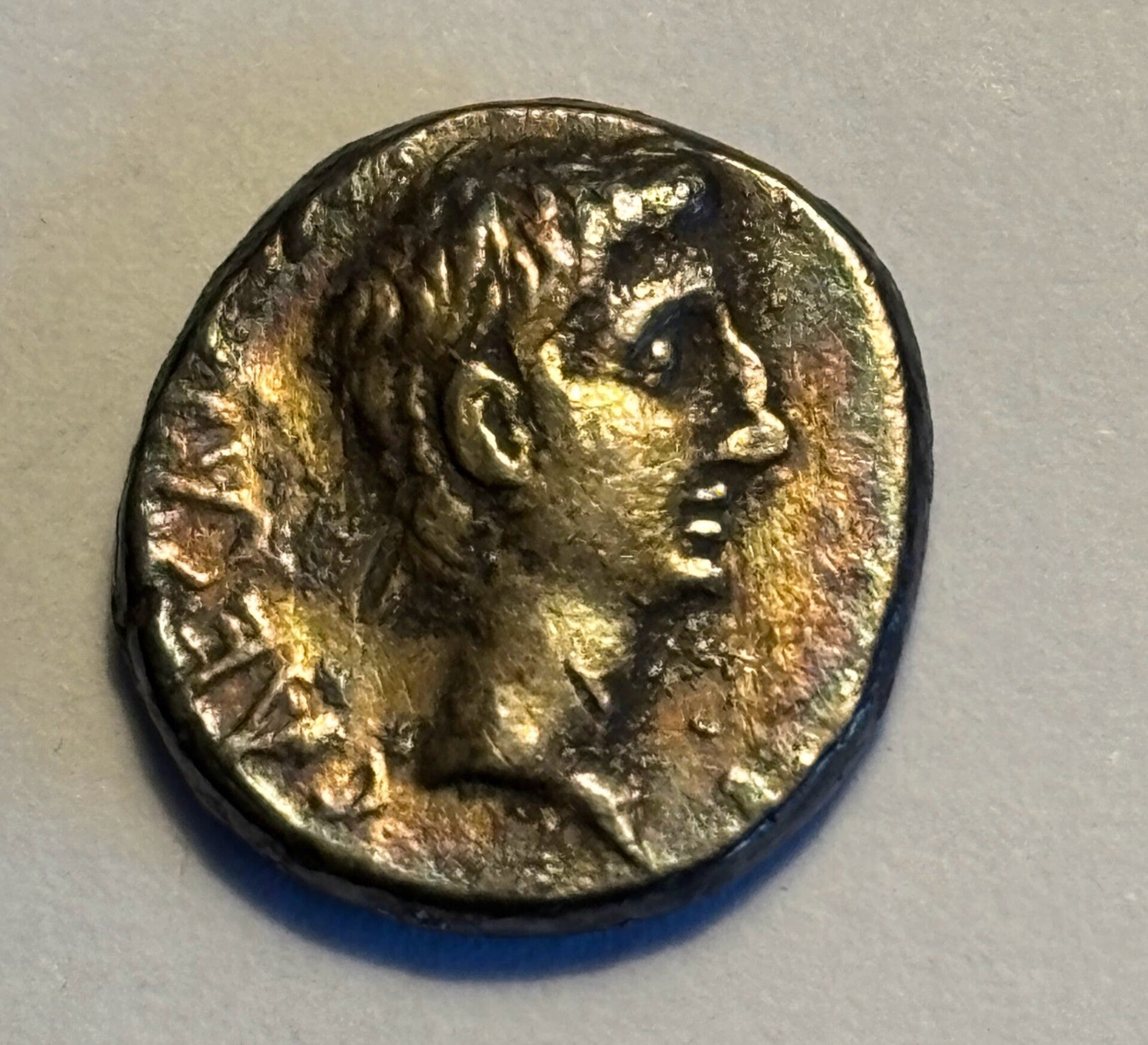
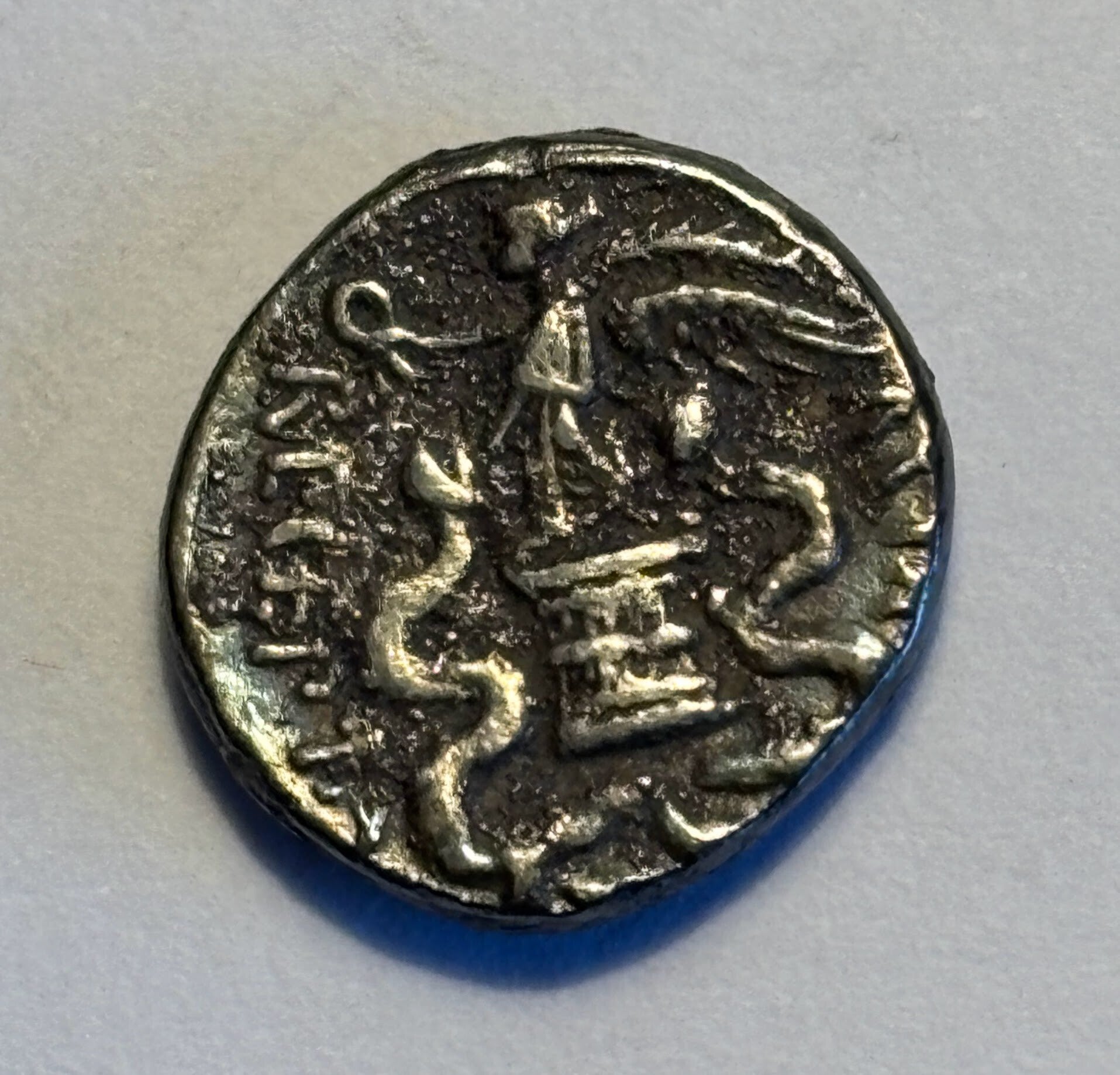
382. Augustus and Agrippa (9 BC) - Crocodile in chains
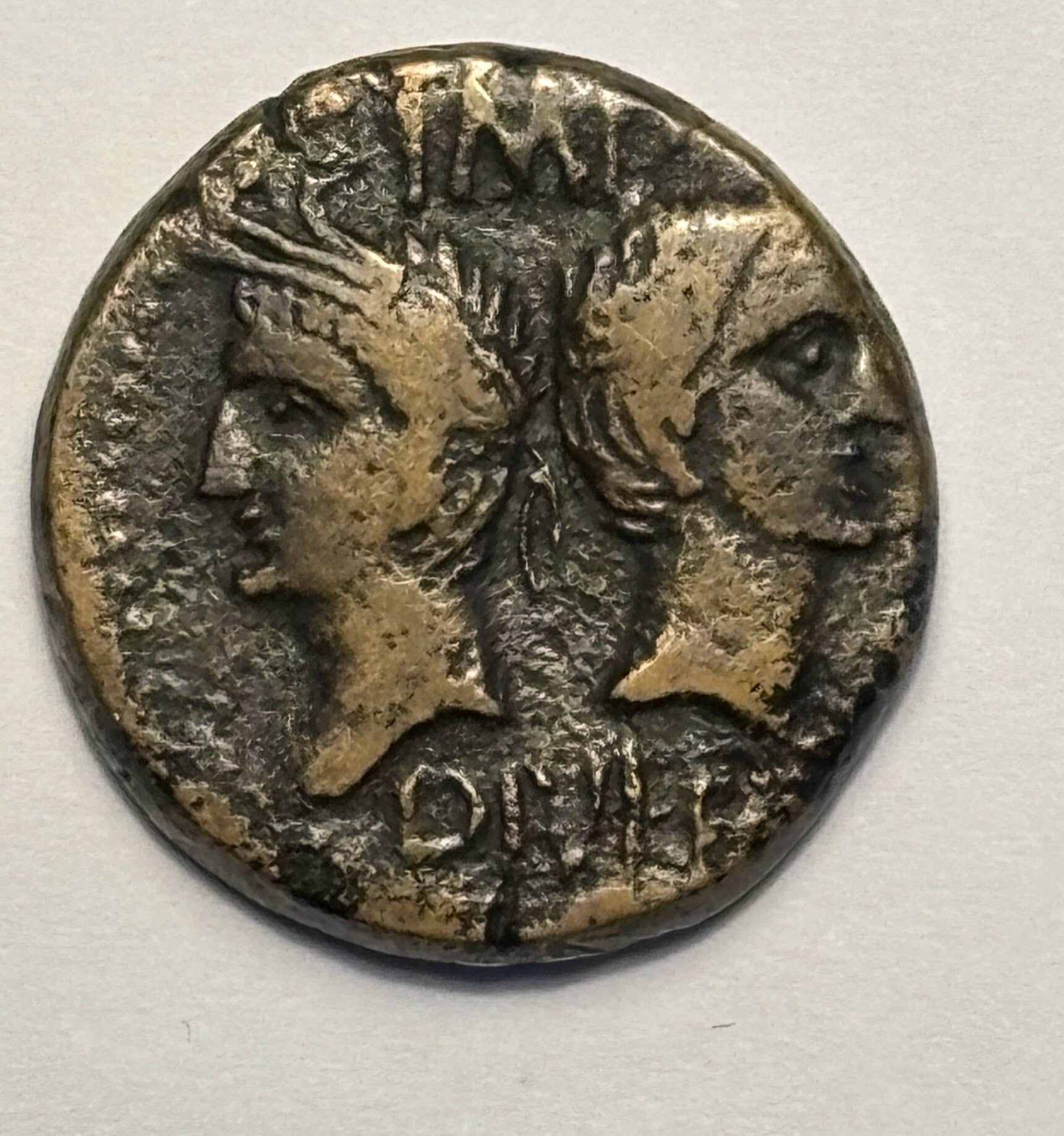
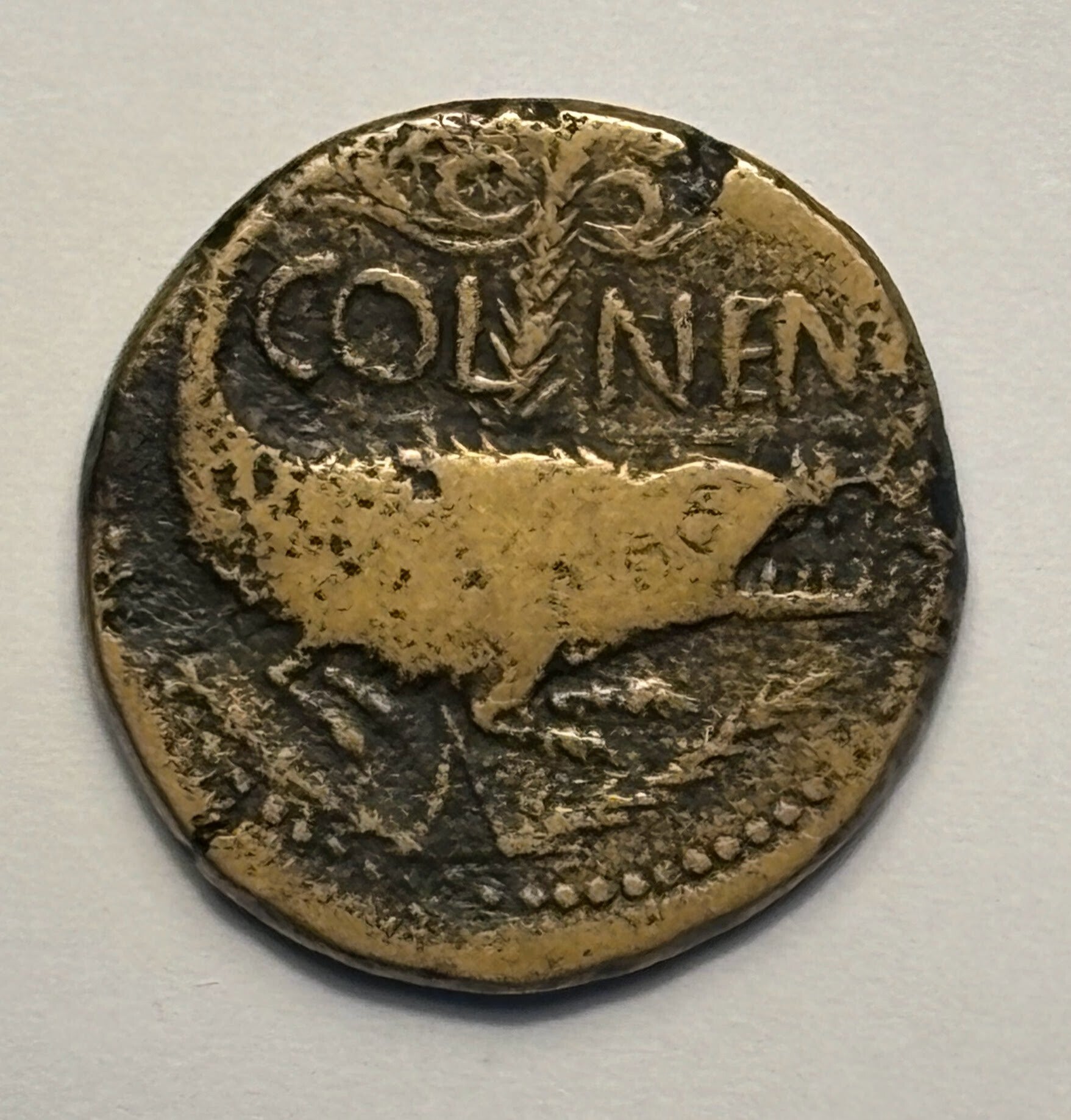
180. Augustus and Agrippa (9 BC) -Crocodile in chains
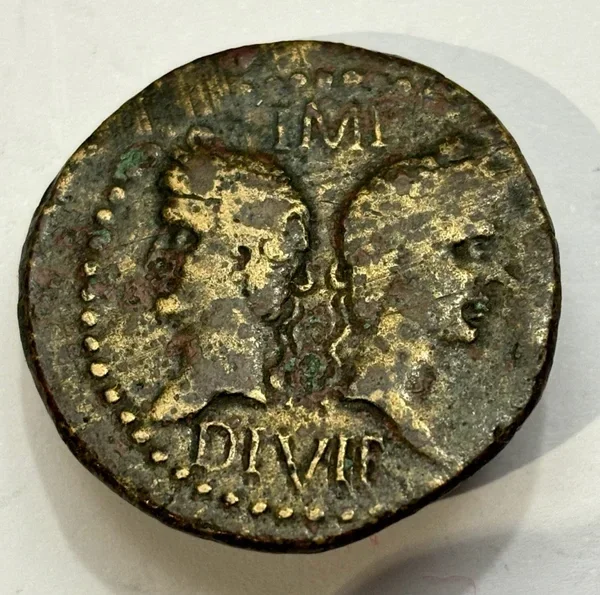
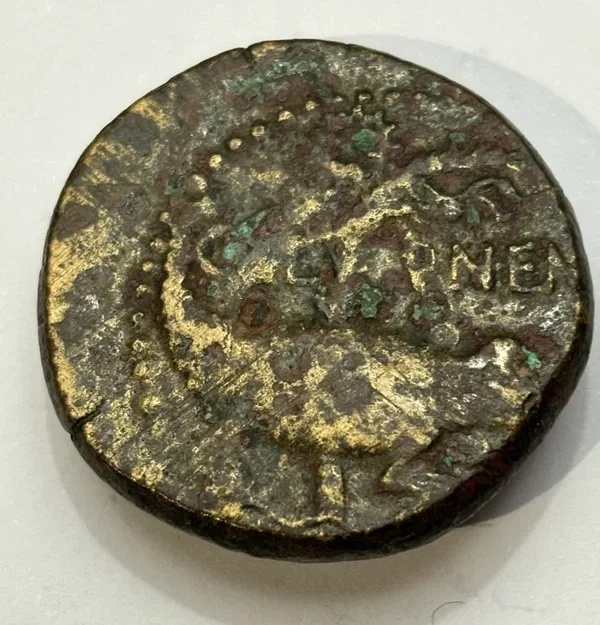
196. Octavian (63 BC - 14 AD) - Head of Apollo / Octavian Plowing
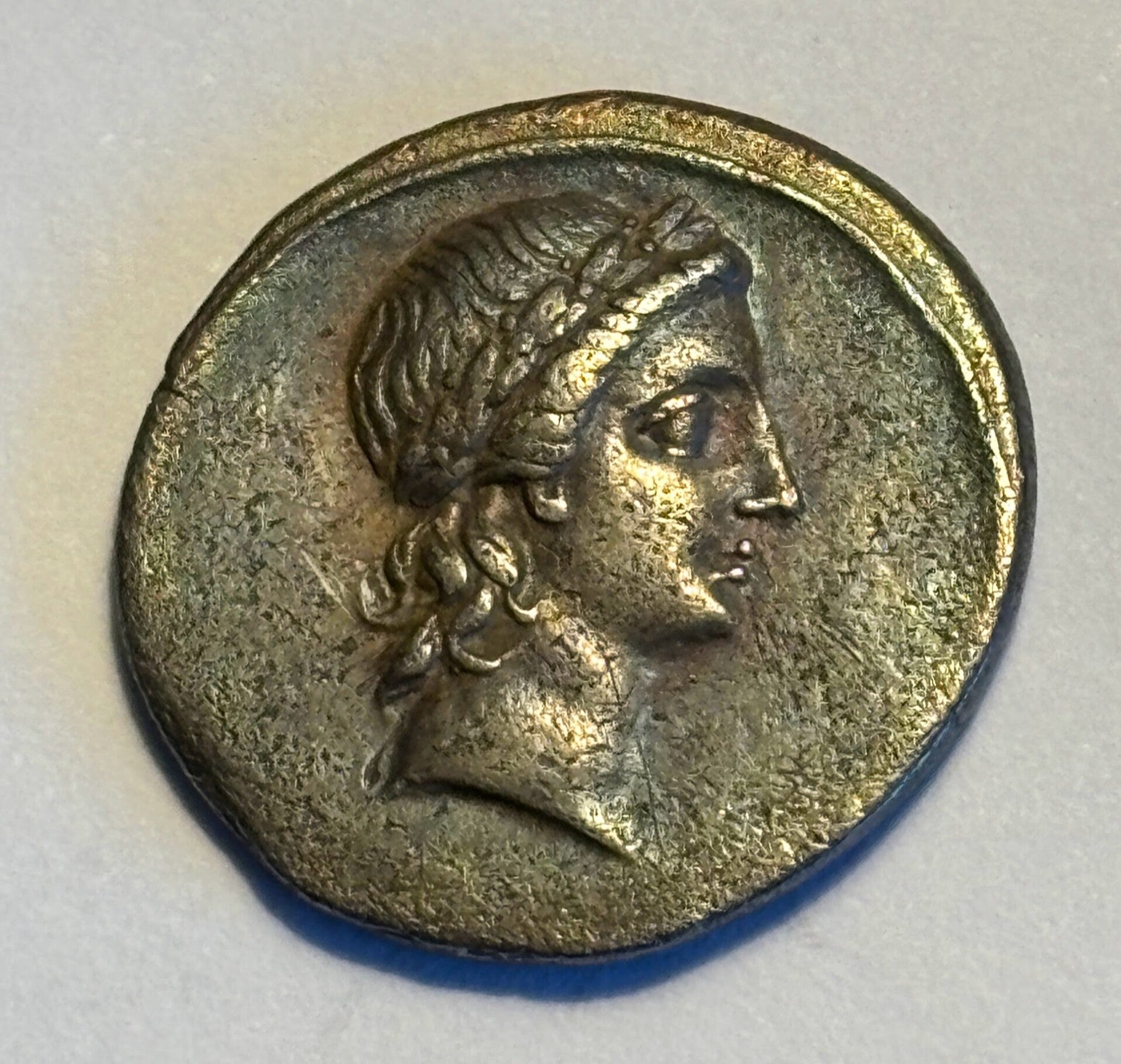
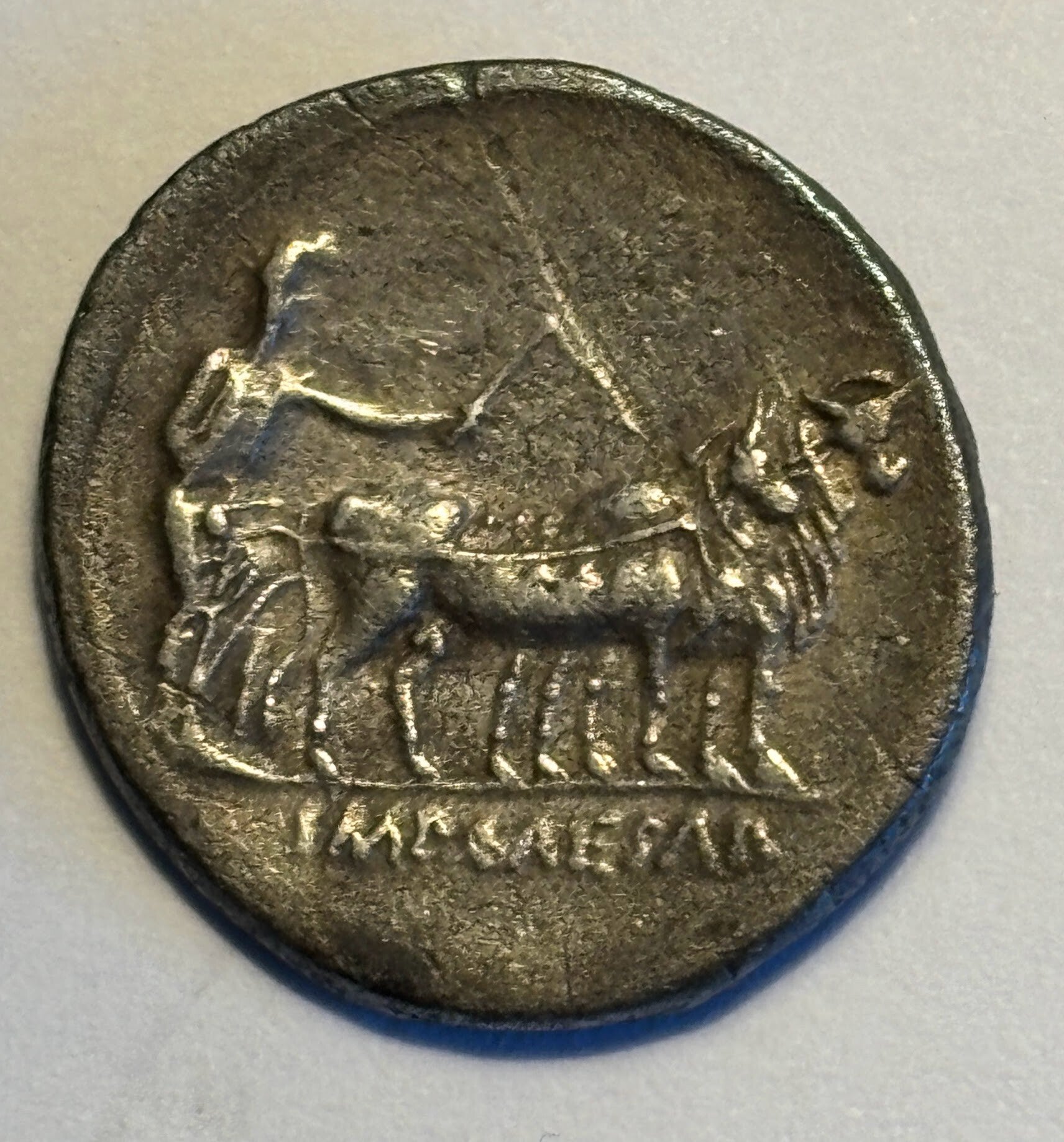
80. Octavian (63 BC - 14 AD) - Head of Apollo / Octavian Plowing
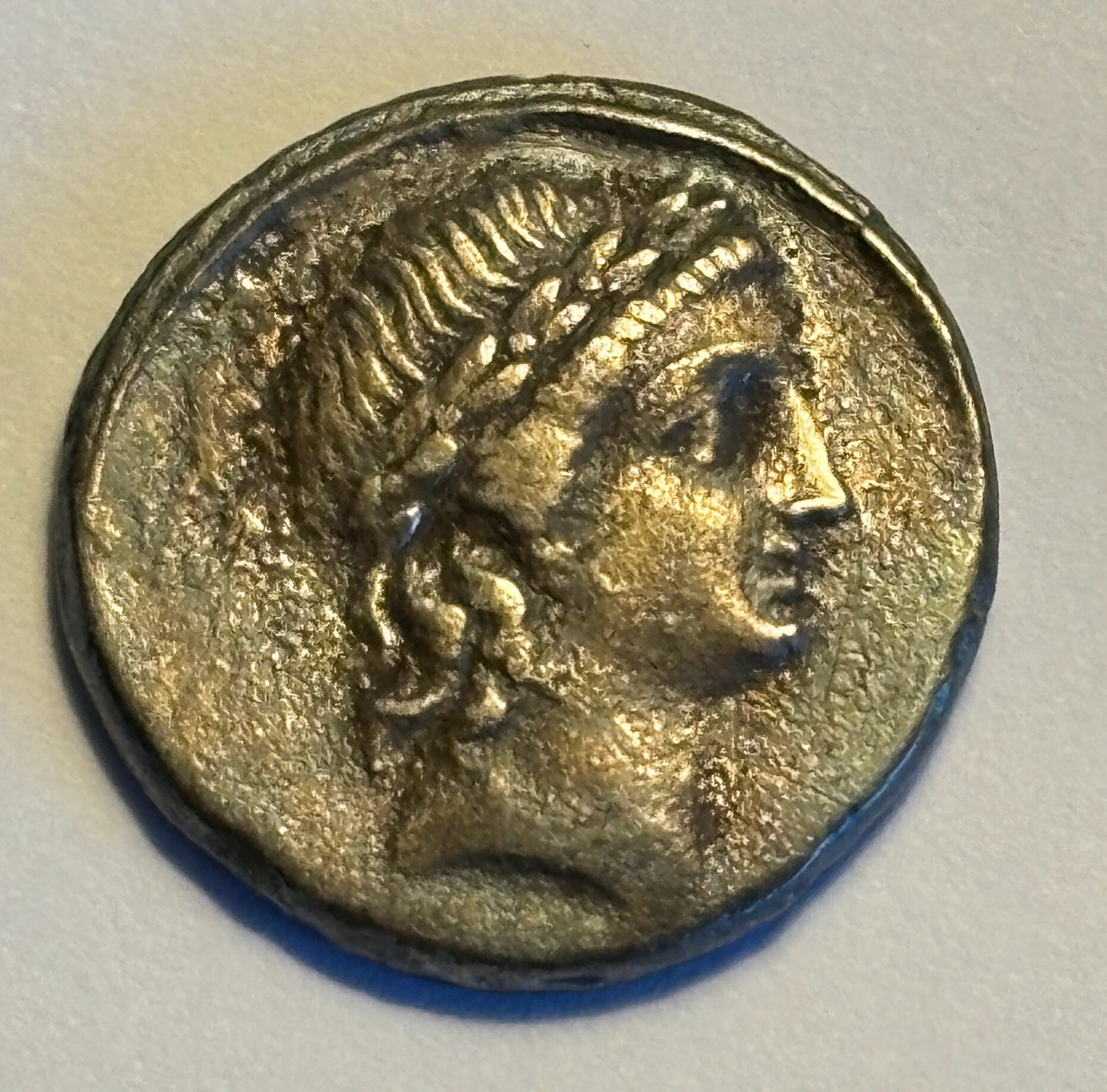
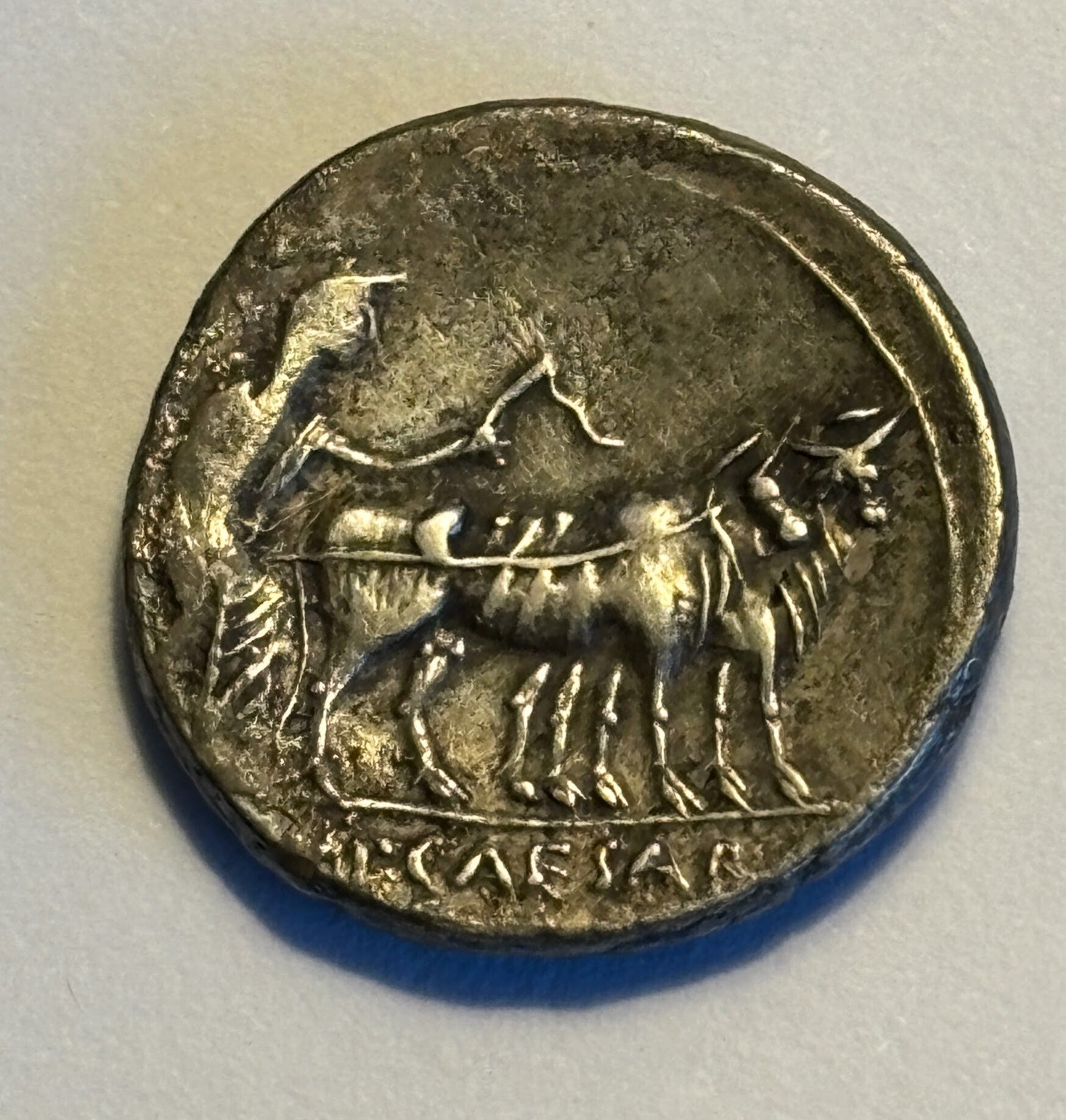
291. Octavian (63 BC - 14 AD) - Pax Standing Holding Olive Branch
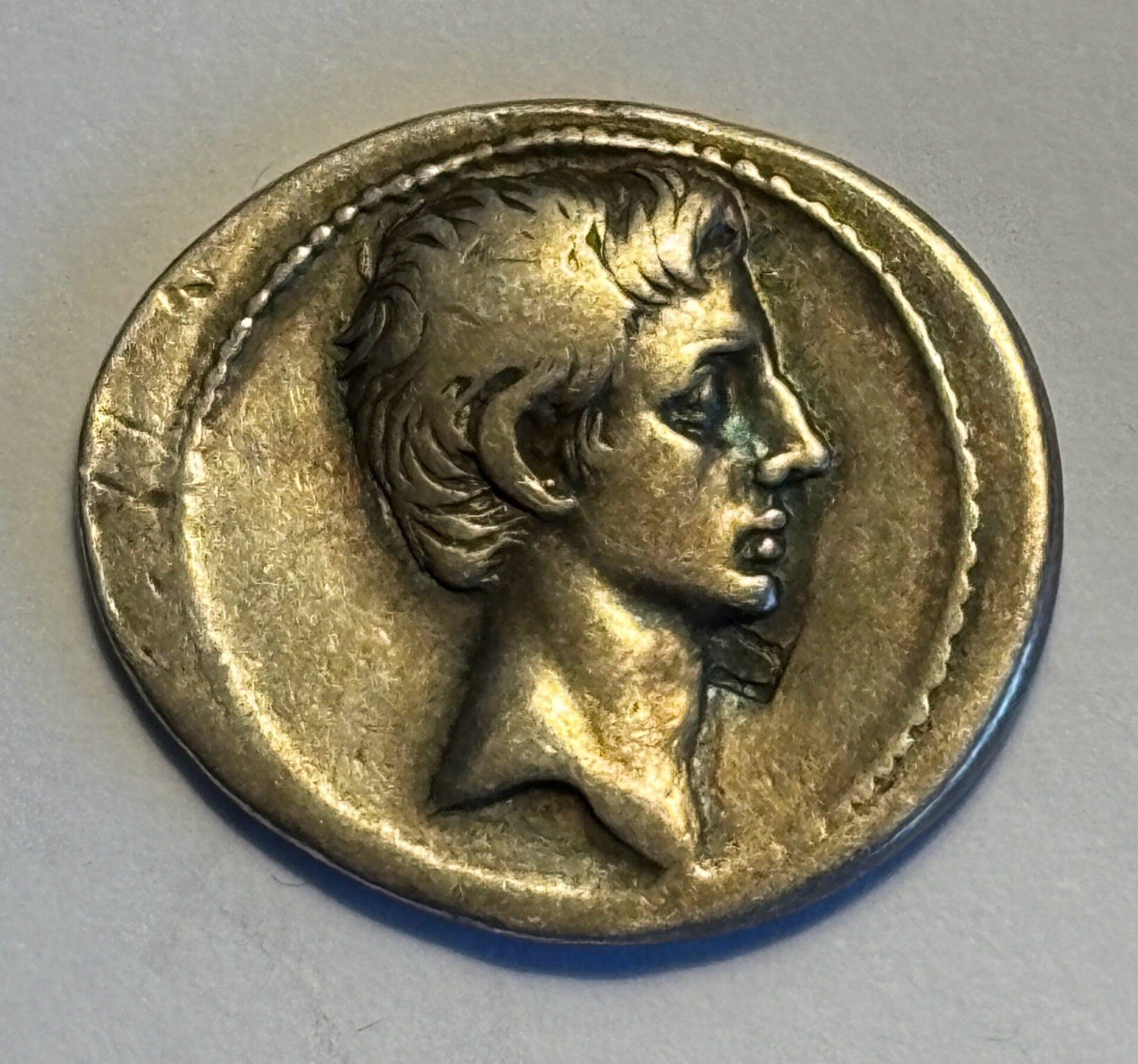
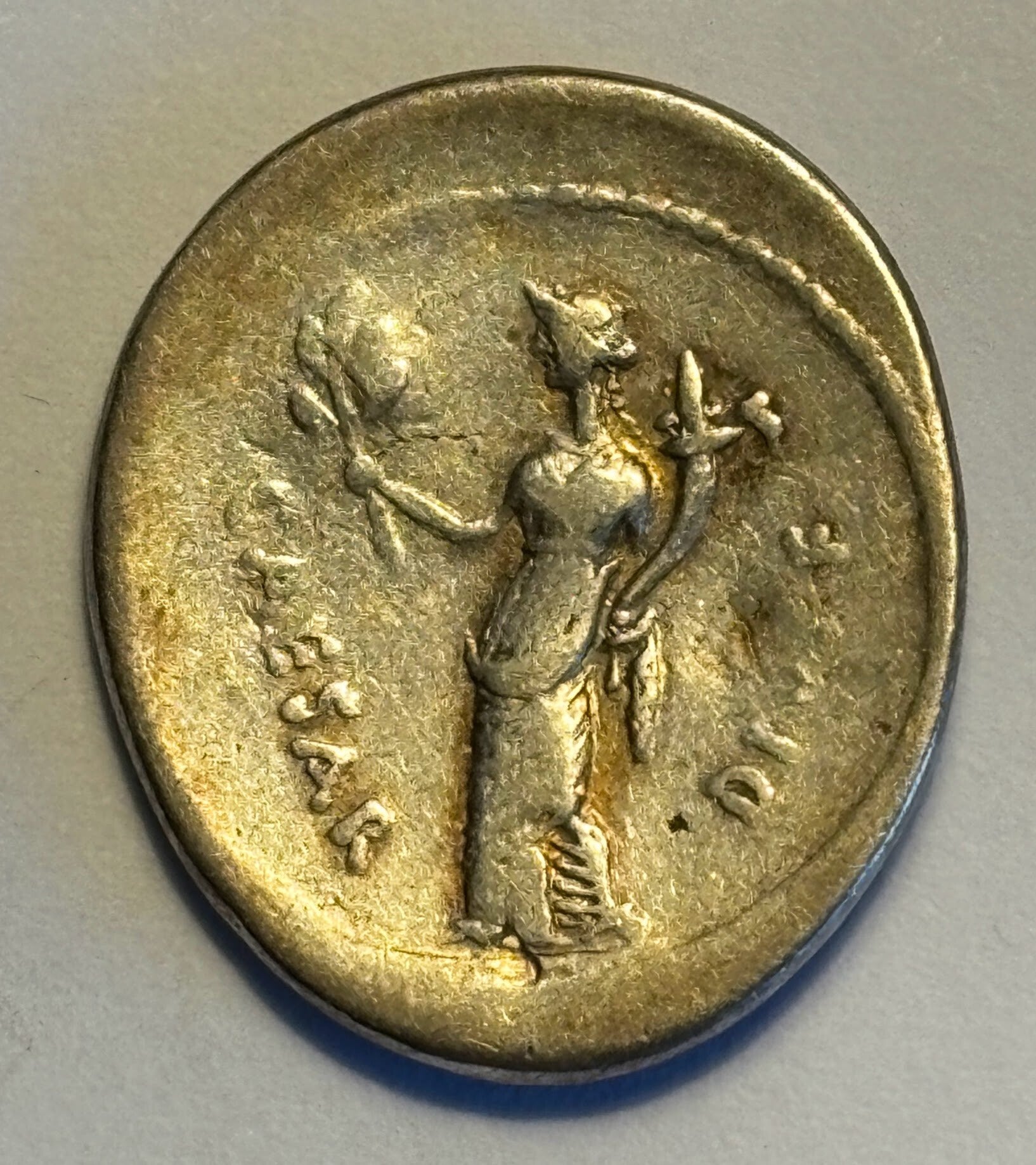
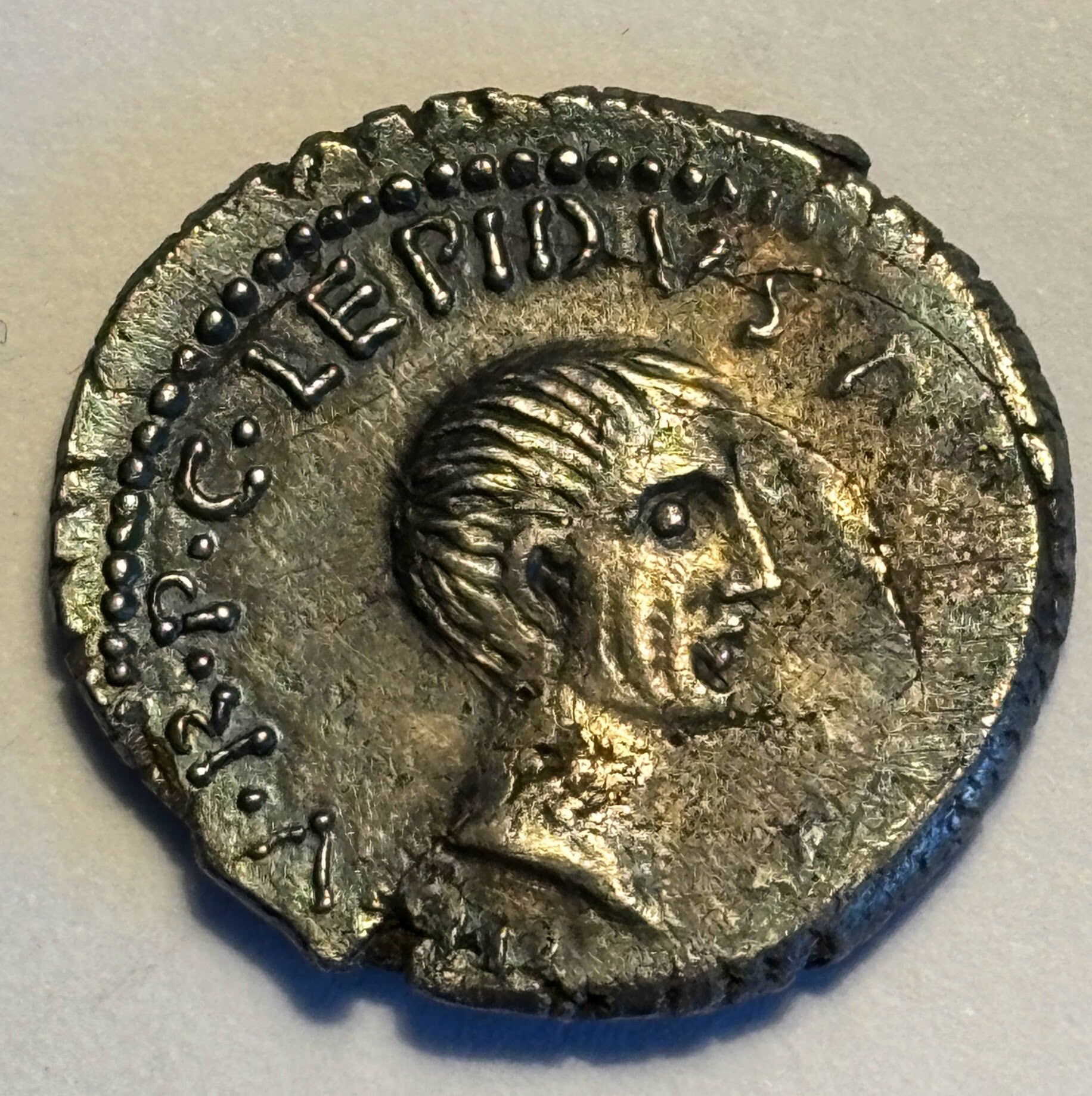
179. Octavian and Lepidus (42 BC)
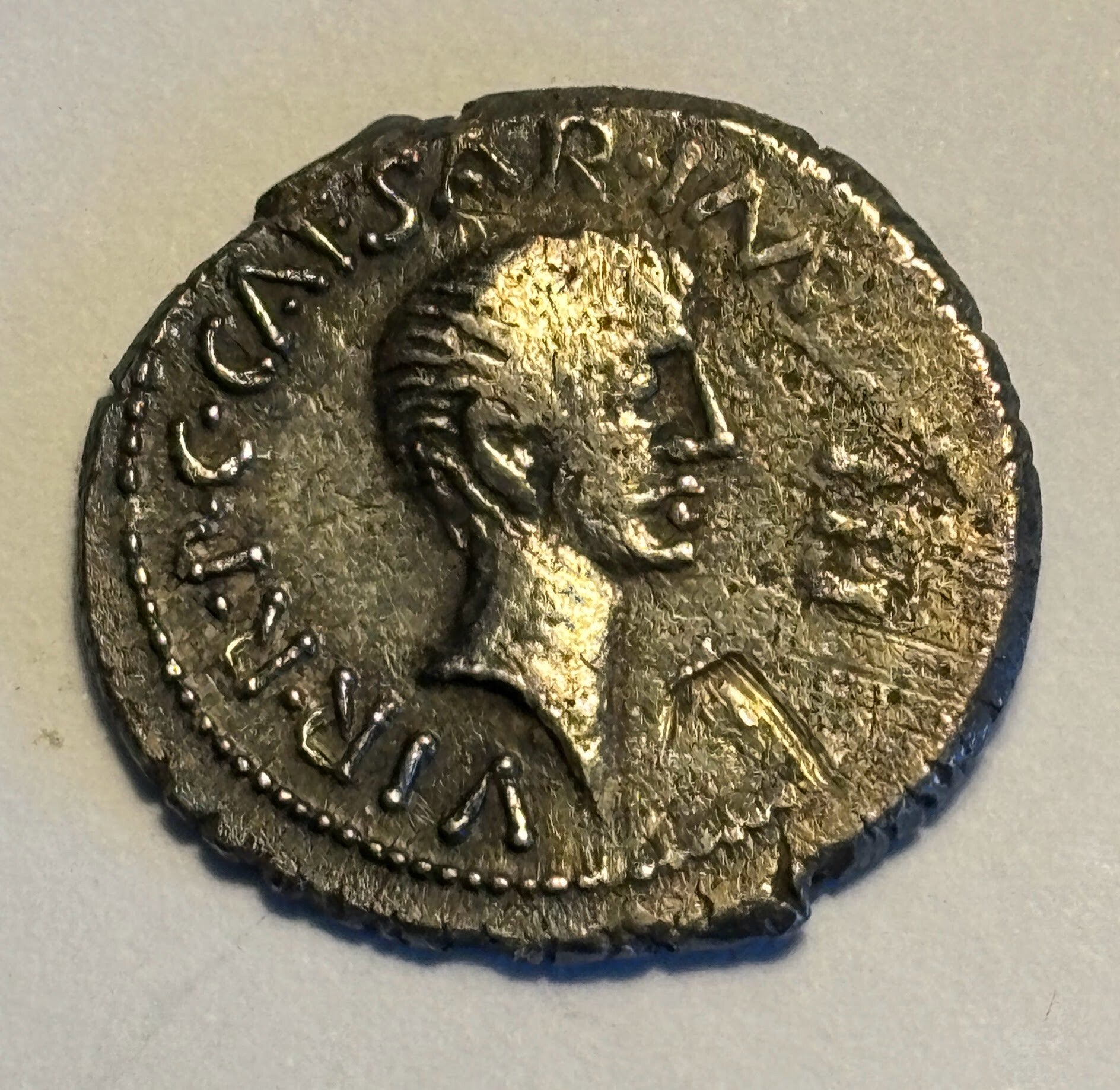
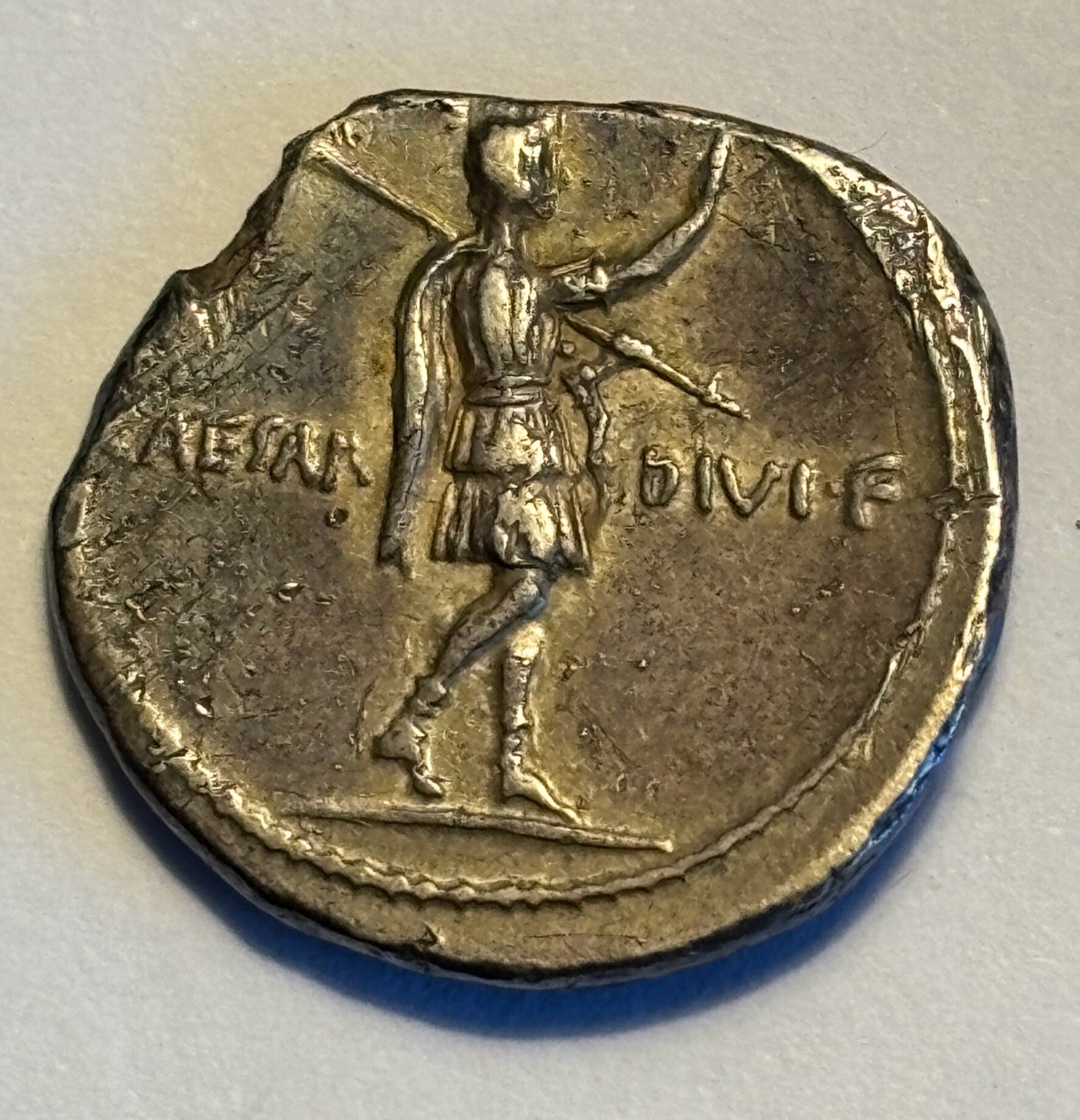
173. Octavian (32 BC) - Head of Pax / Octavian Walking
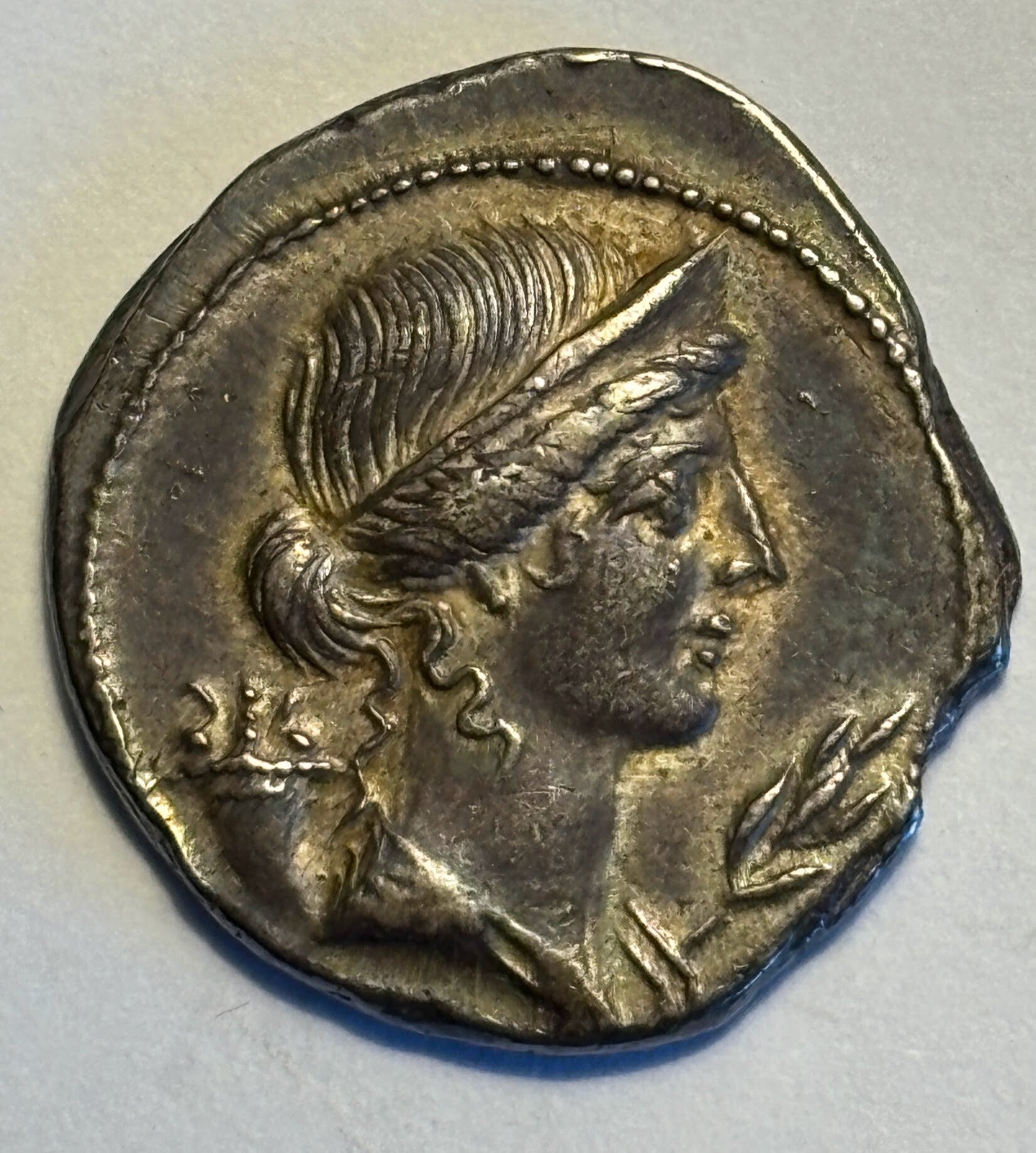
183. Octavian (29-27 BC) - Victory on Prow of Ship
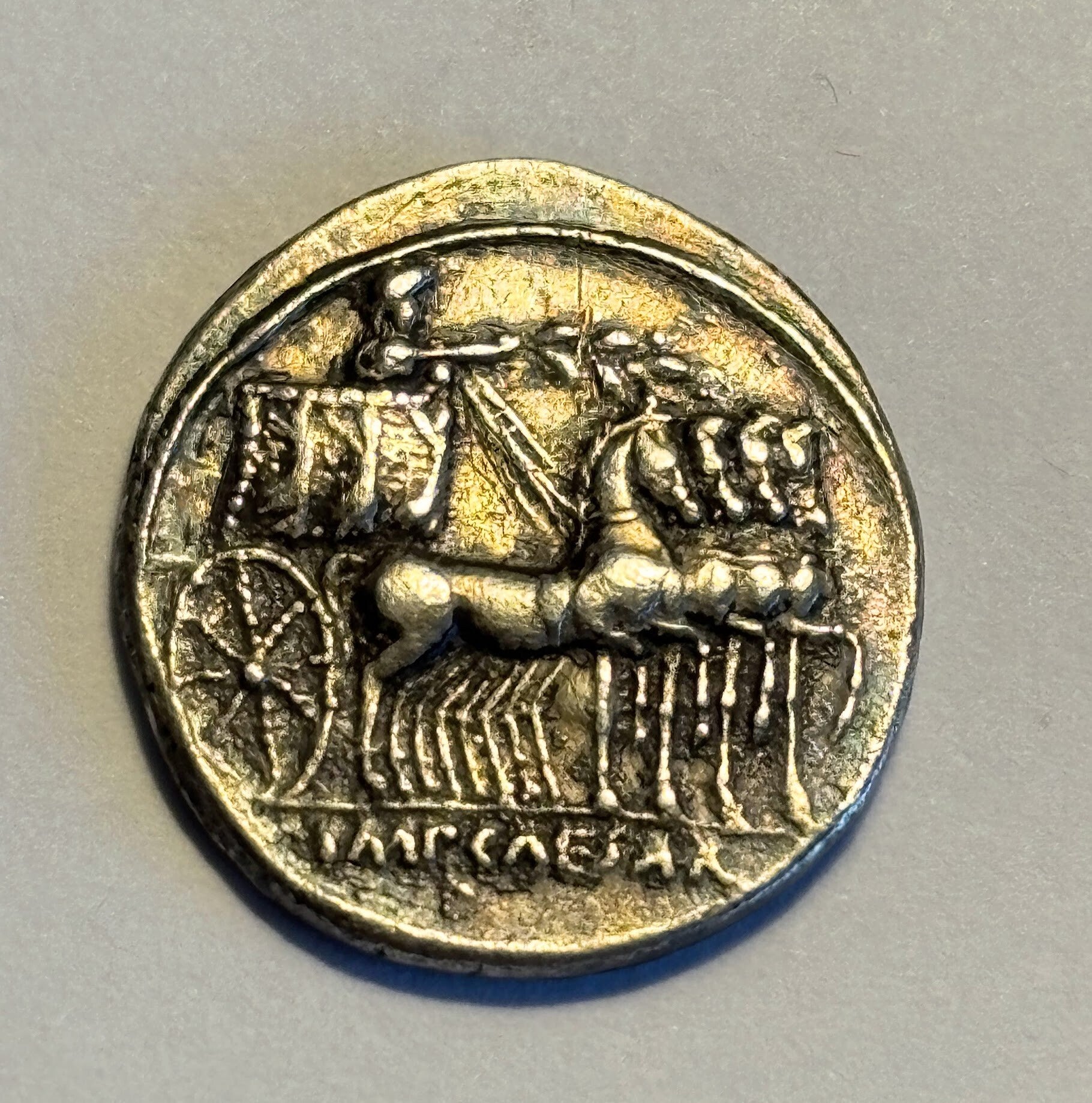
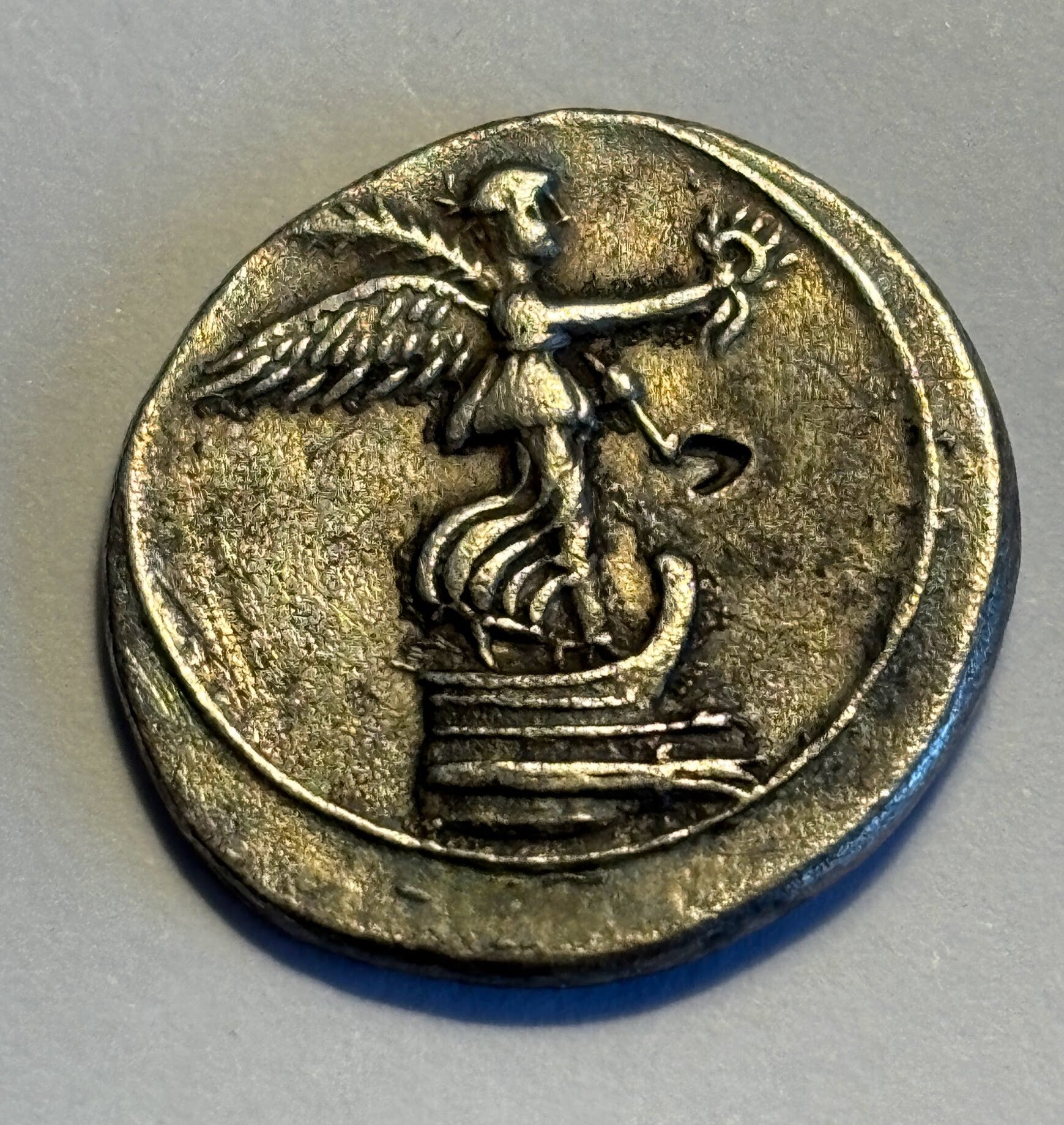
188. Octavian (29-27 BC) - Victory on Prow of Ship
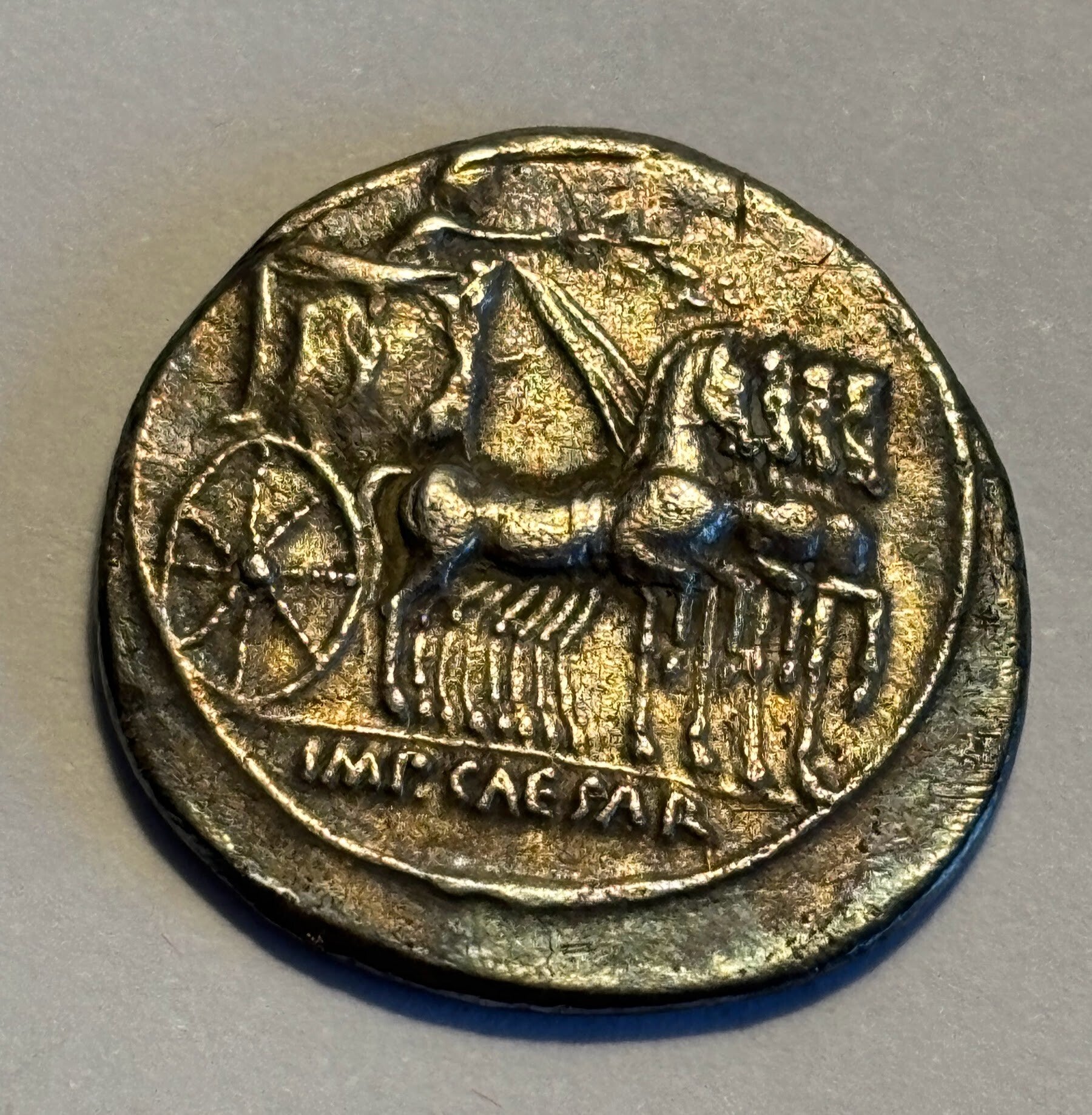
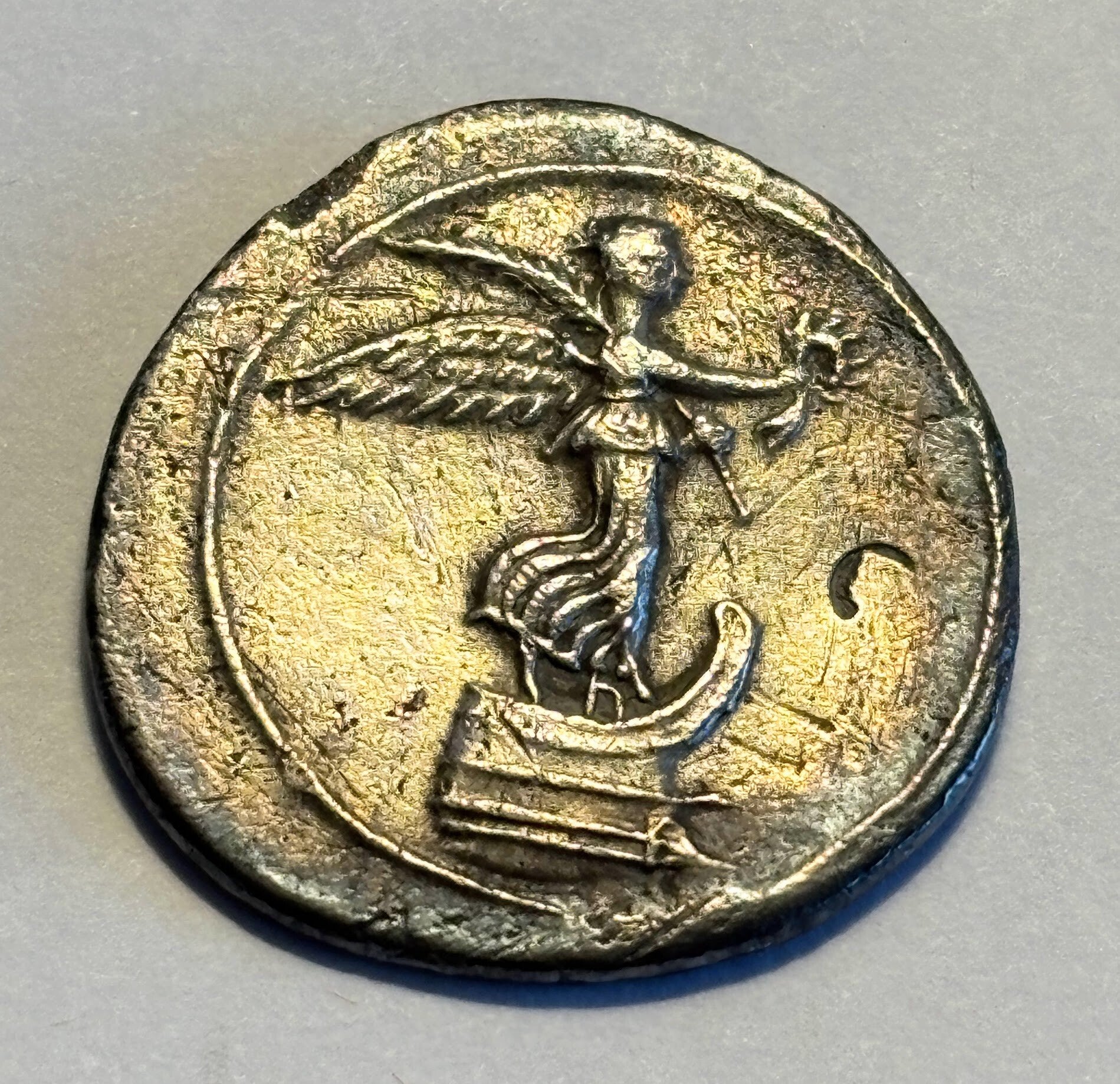
325. Octavian (36 BC) - Temple of Julius Caesar
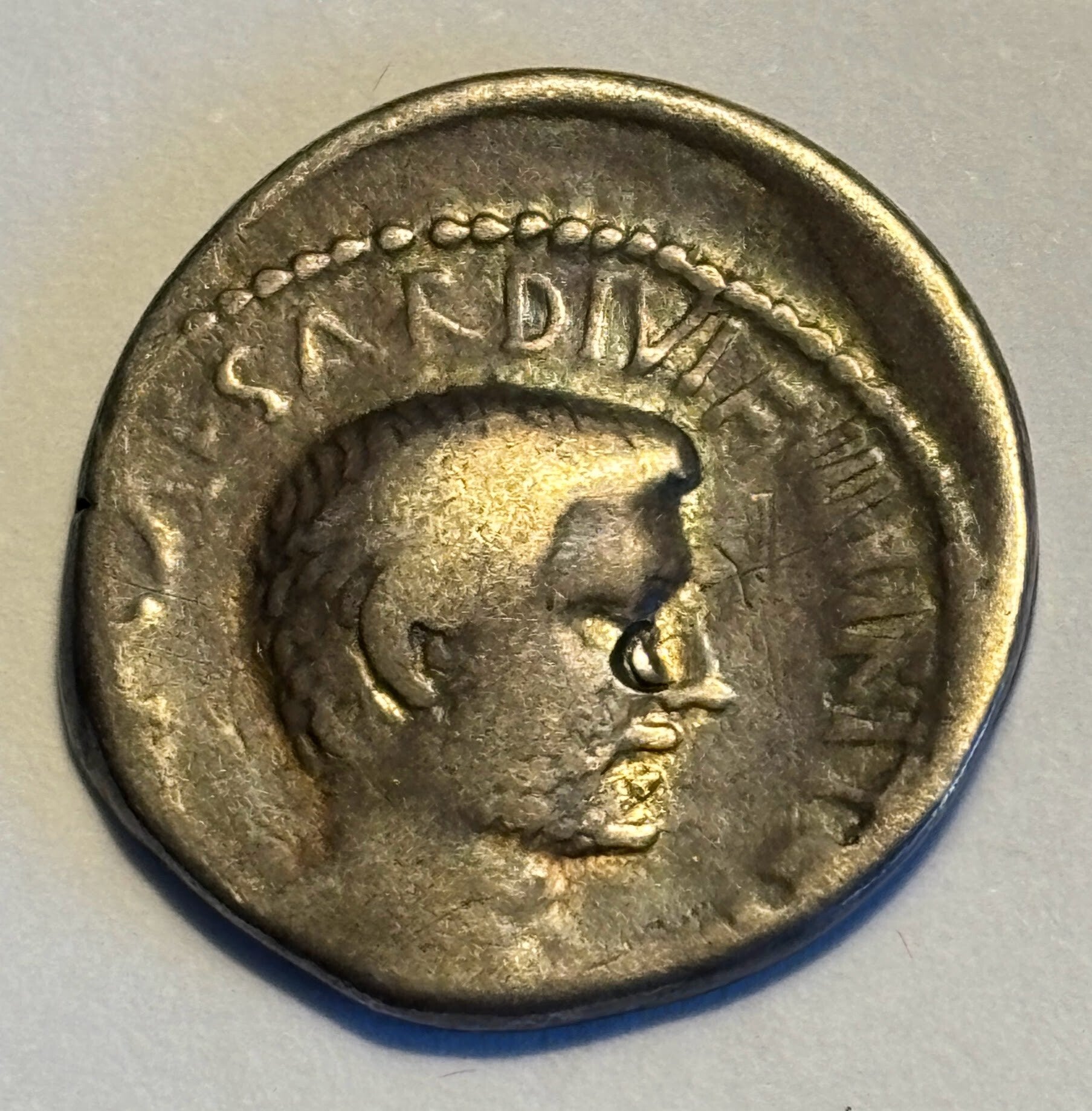
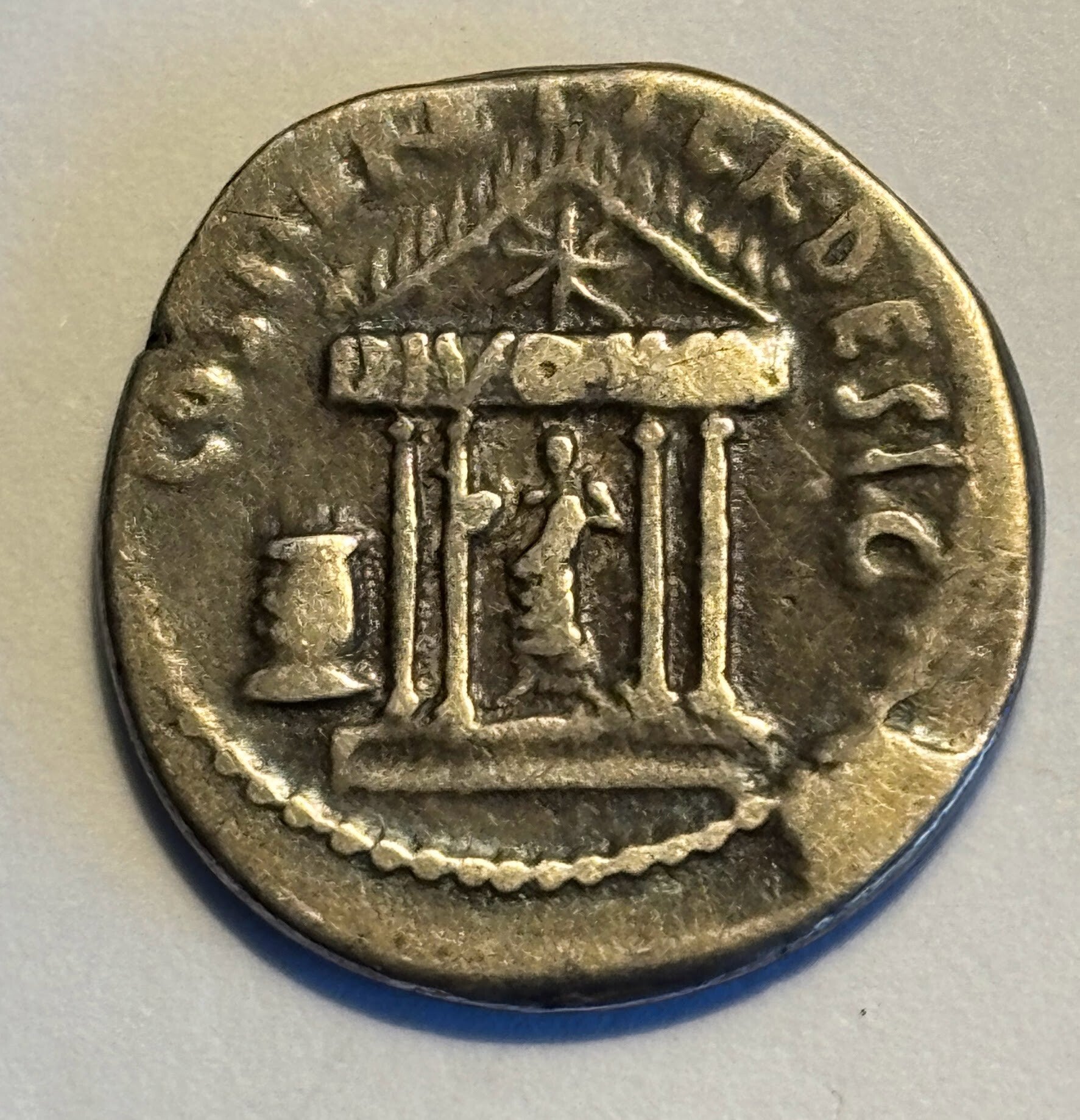
384. Octavian (32-29 BC) - Head of Venus / Octavian Walking in military Attire
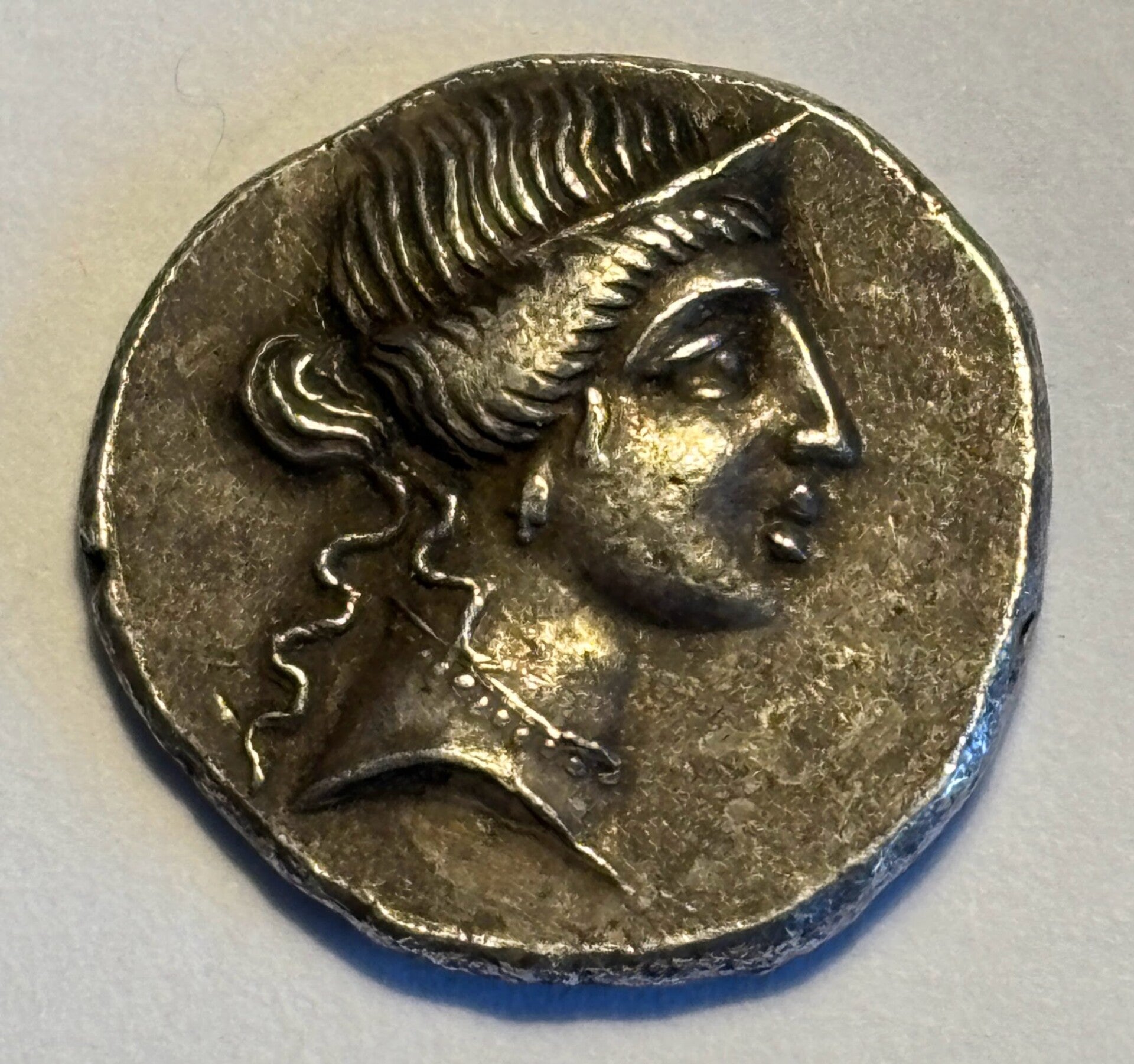
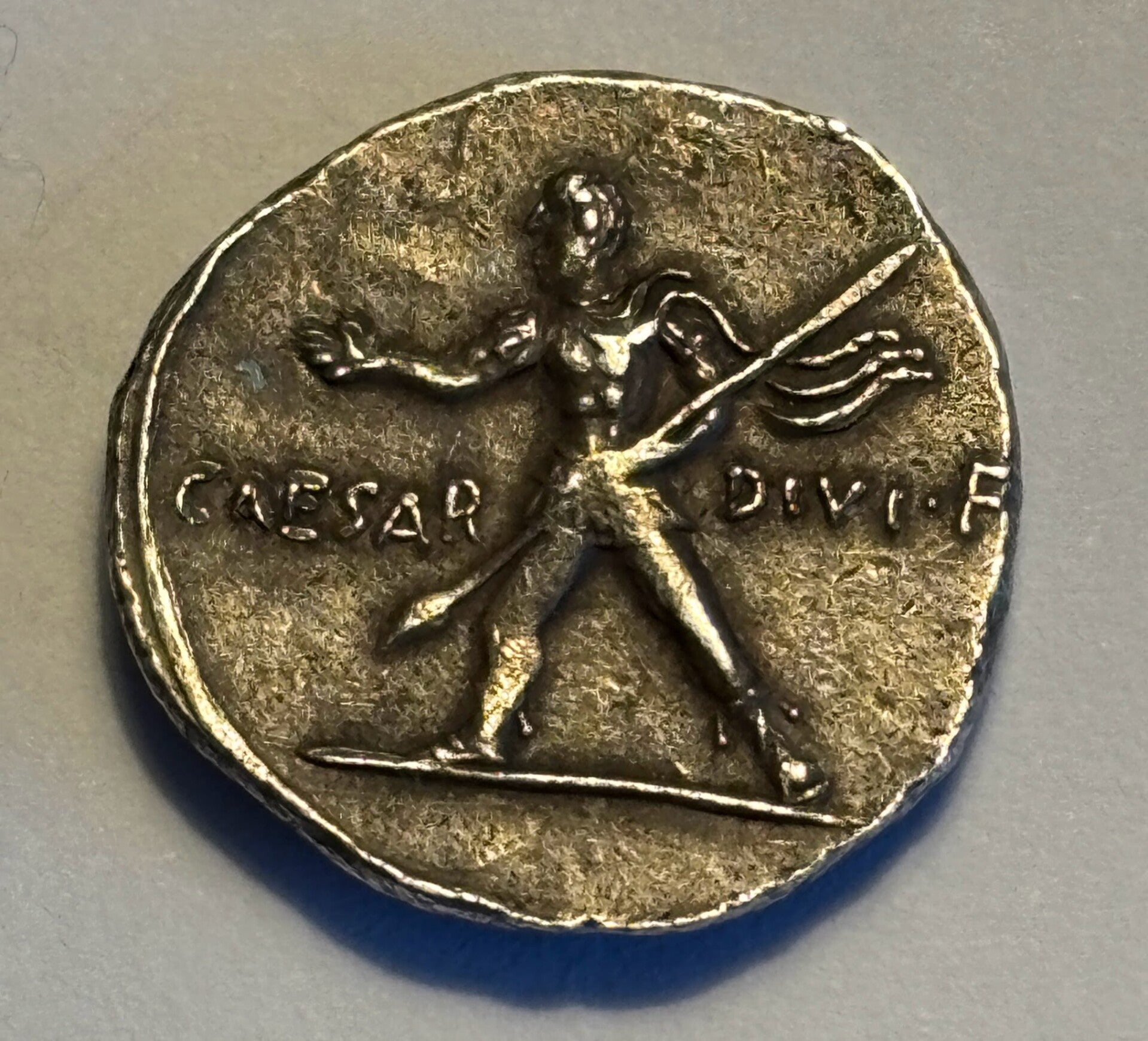
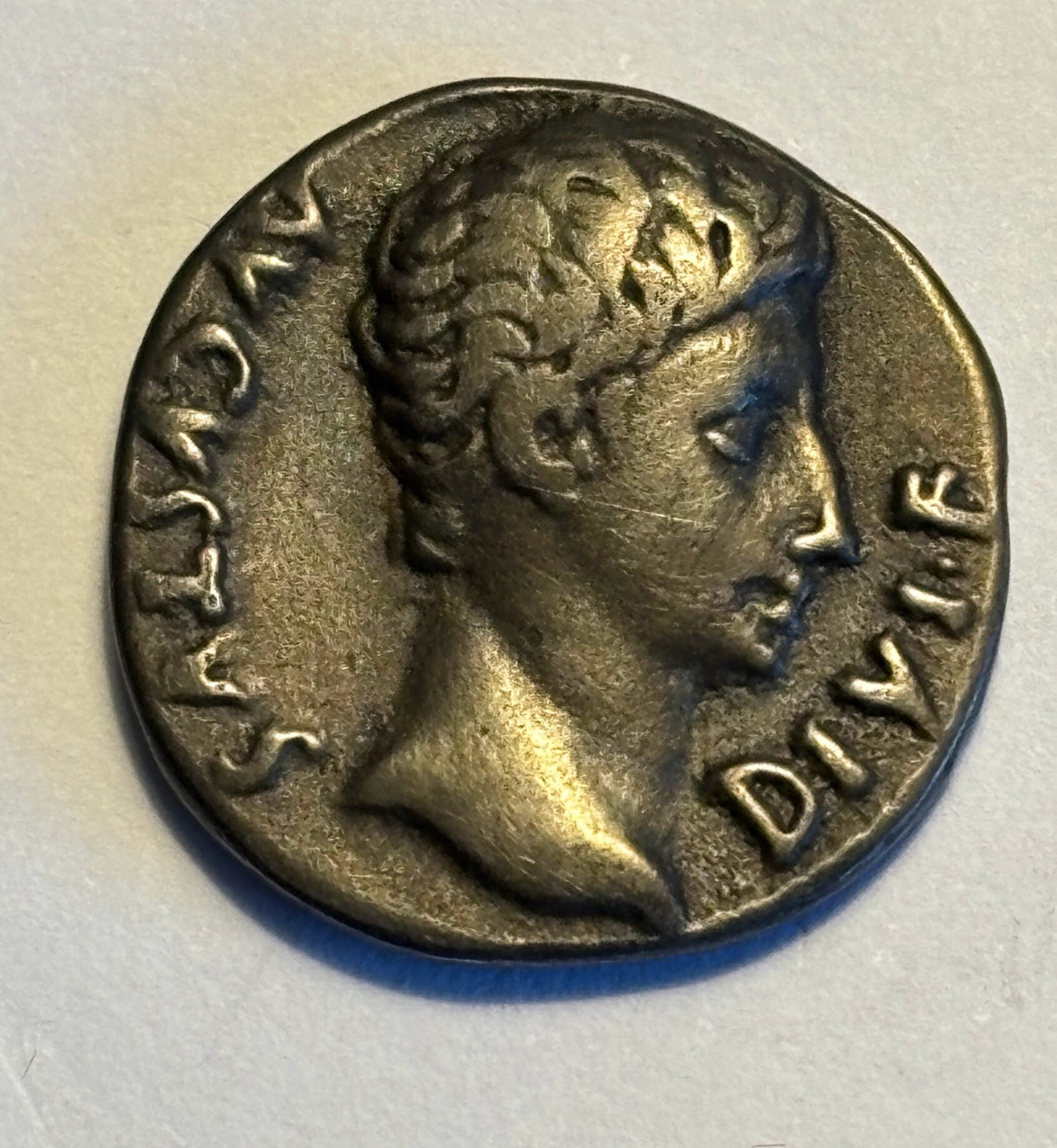
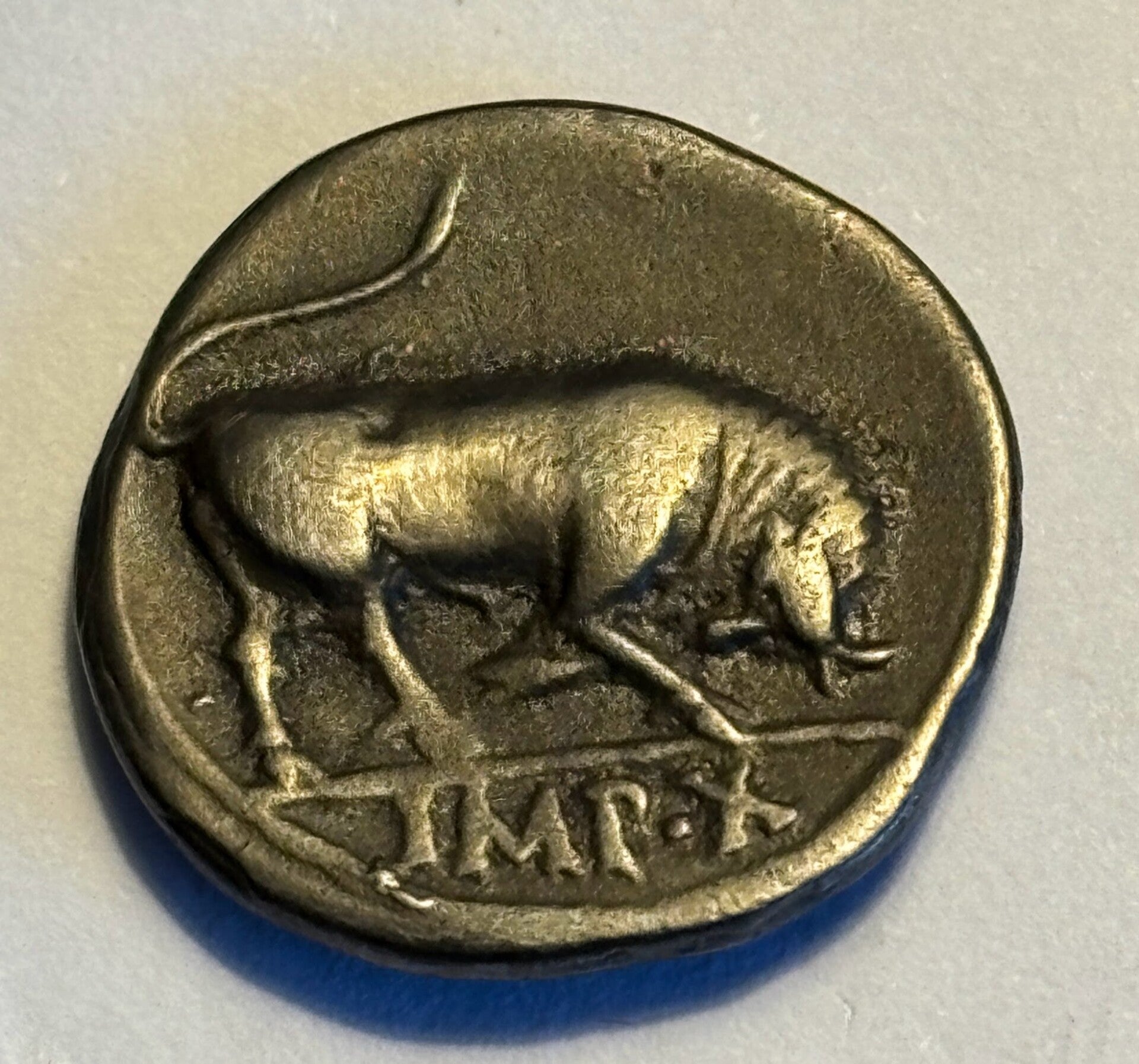
191 - Augustus (27 BC - 14 AD) - Bull Butting
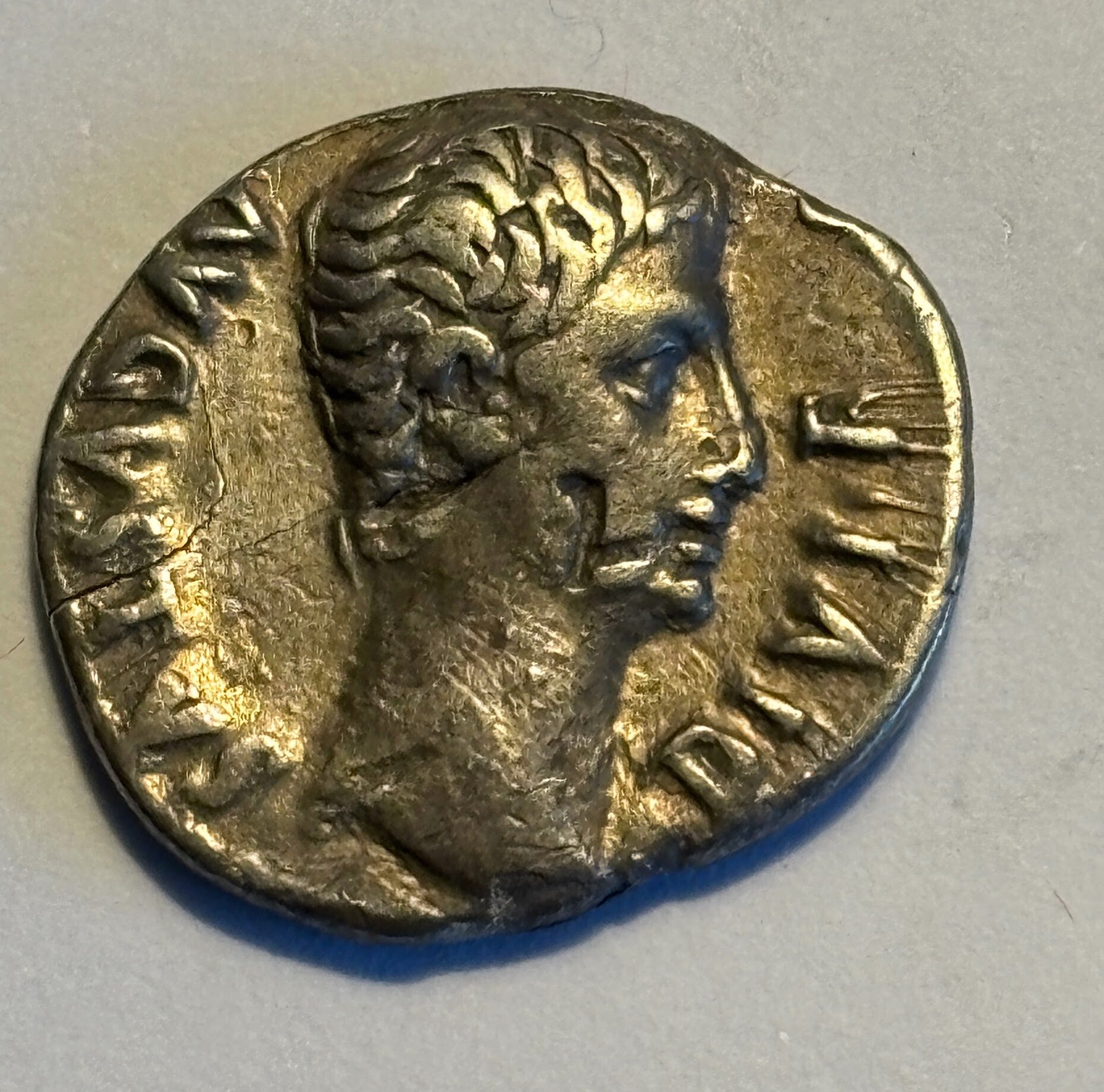
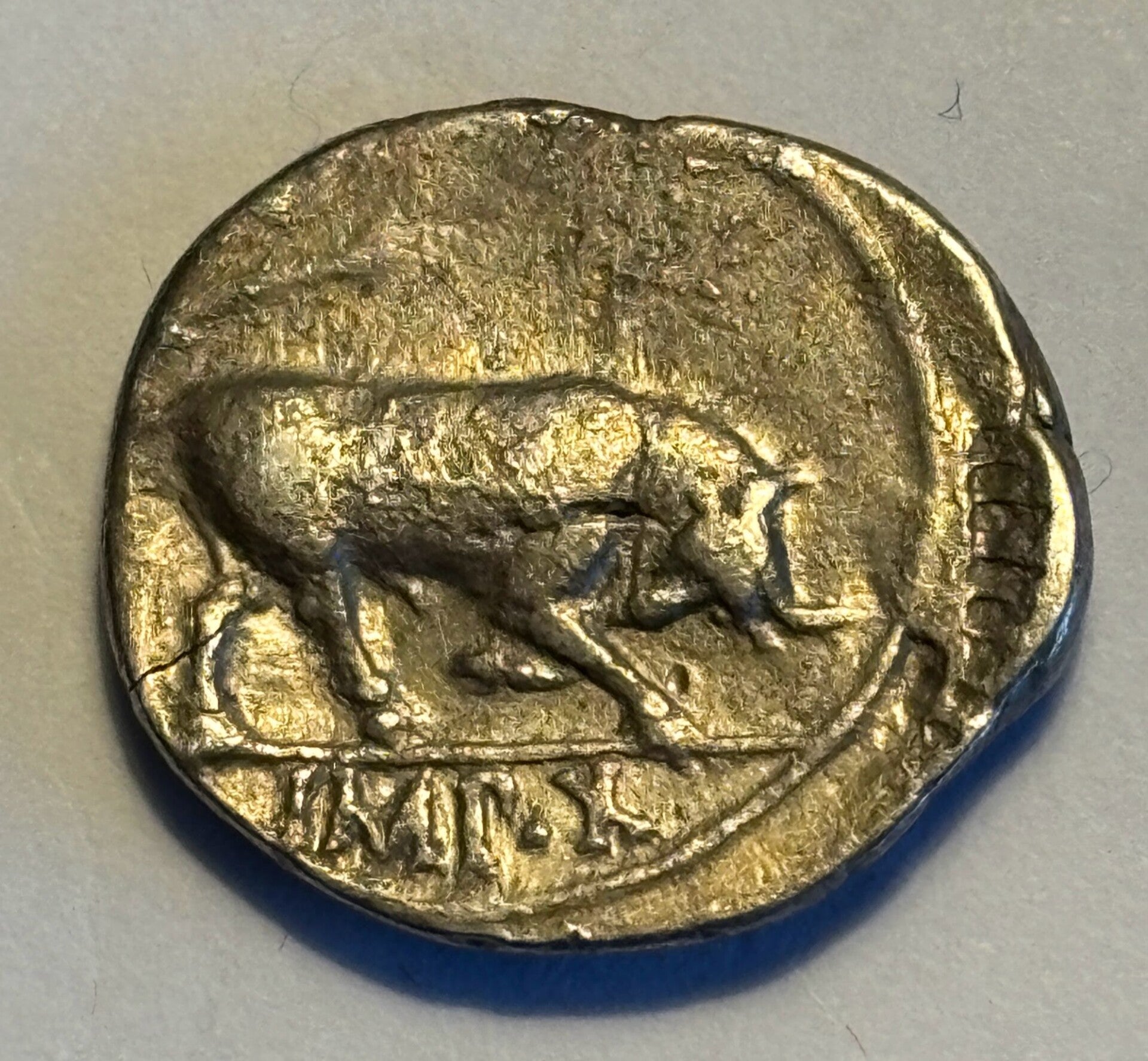
198 - Augustus (27 BC - 14 AD) - Bull Butting
309. Augustus (27 BC - 14 AD) - Capricorn holding Globus attached to Rudder
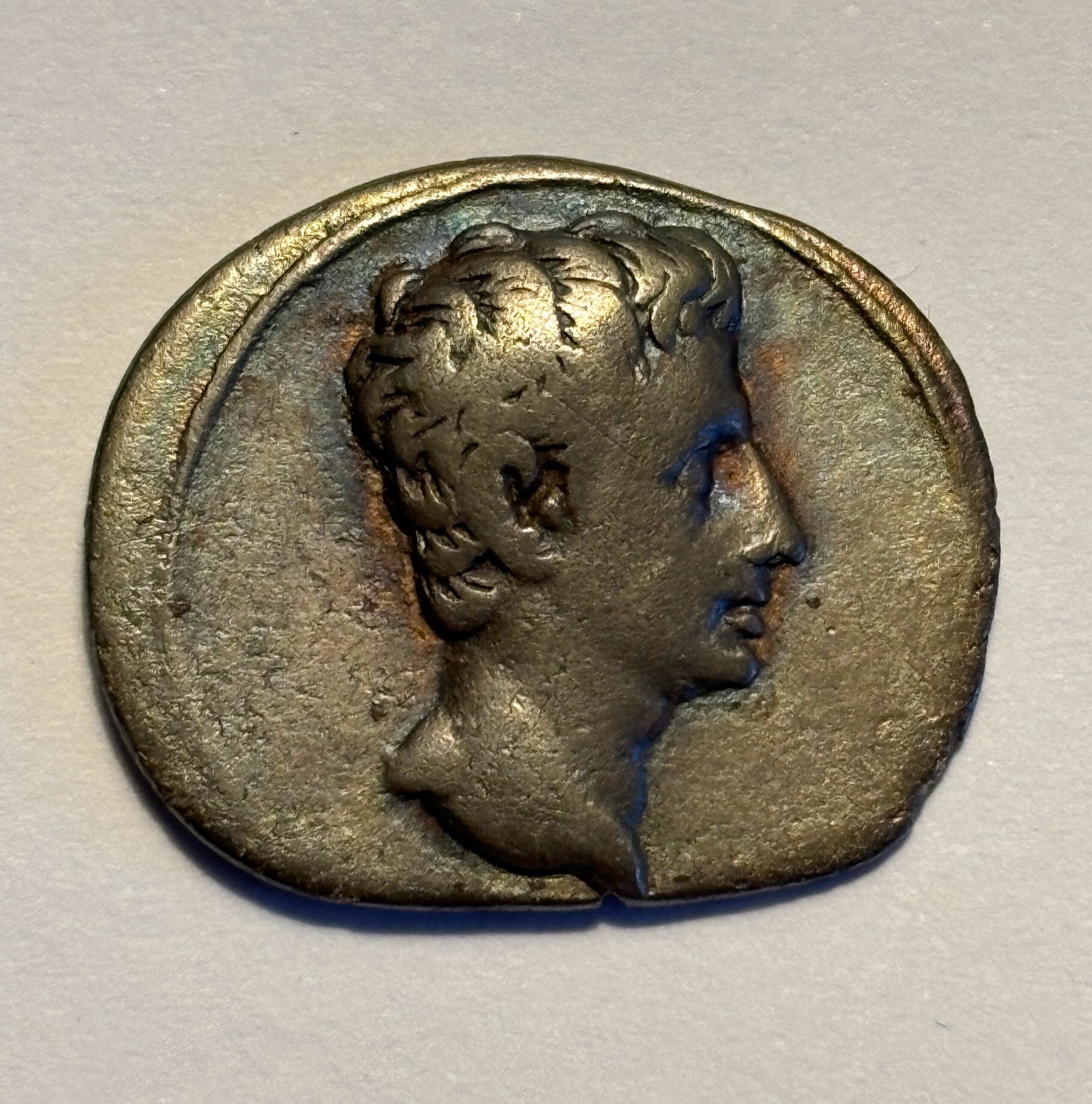
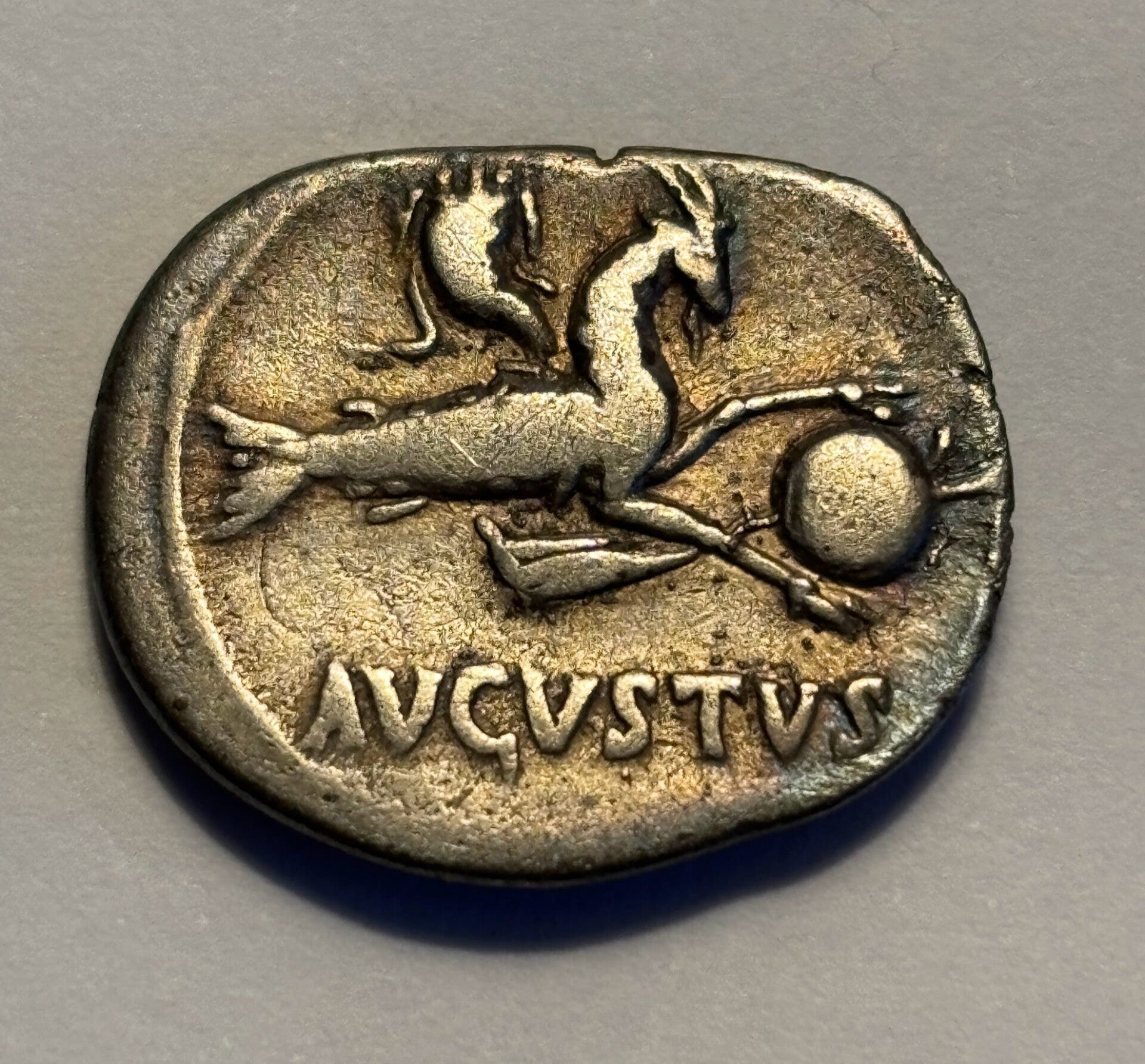
78. Augustus (27 BC - 14 AD) - Capricorn holding Globus attached to Rudder
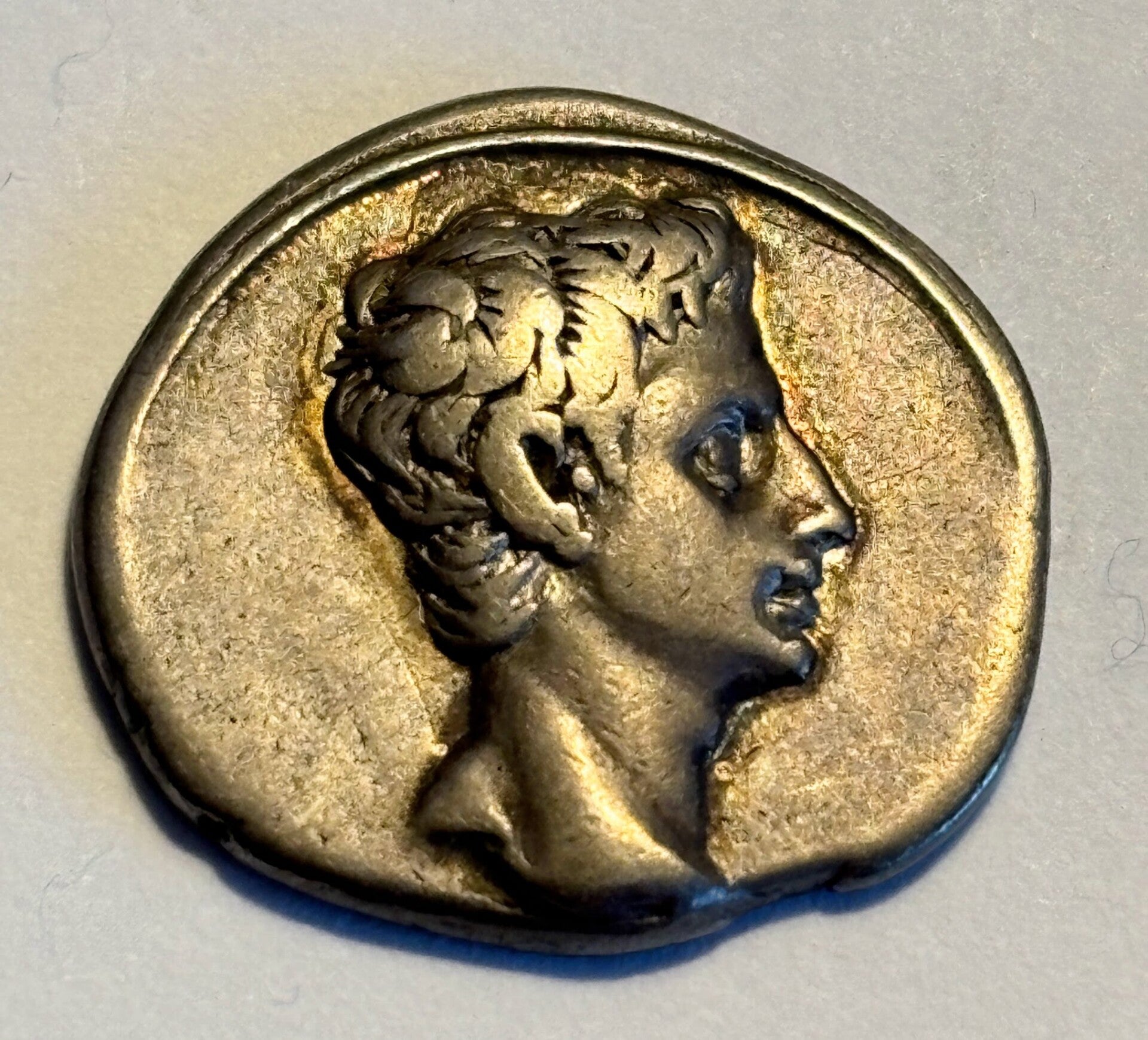
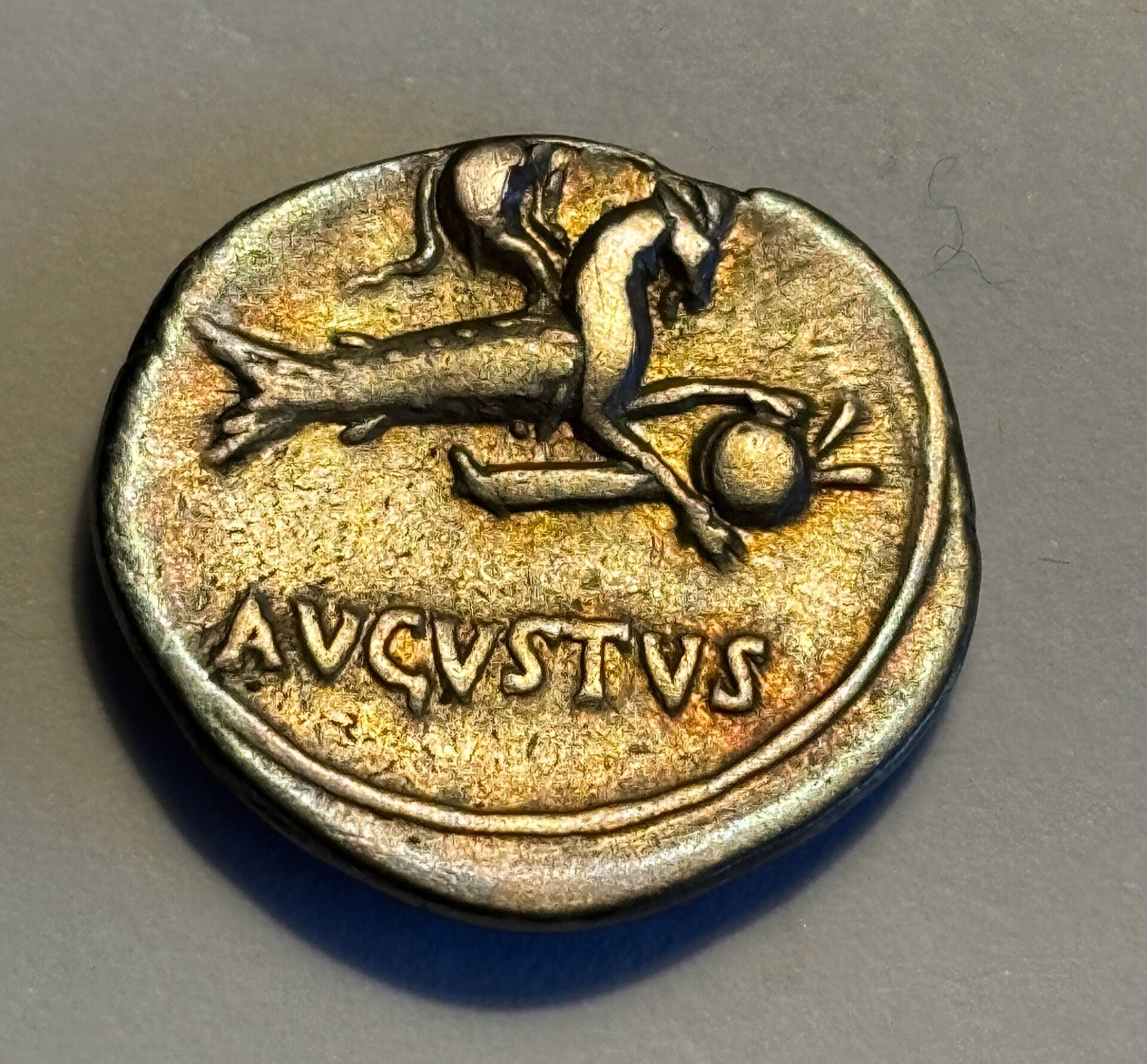
89. Augustus (27 BC - 14 AD) - Caius & Lucius Caesars
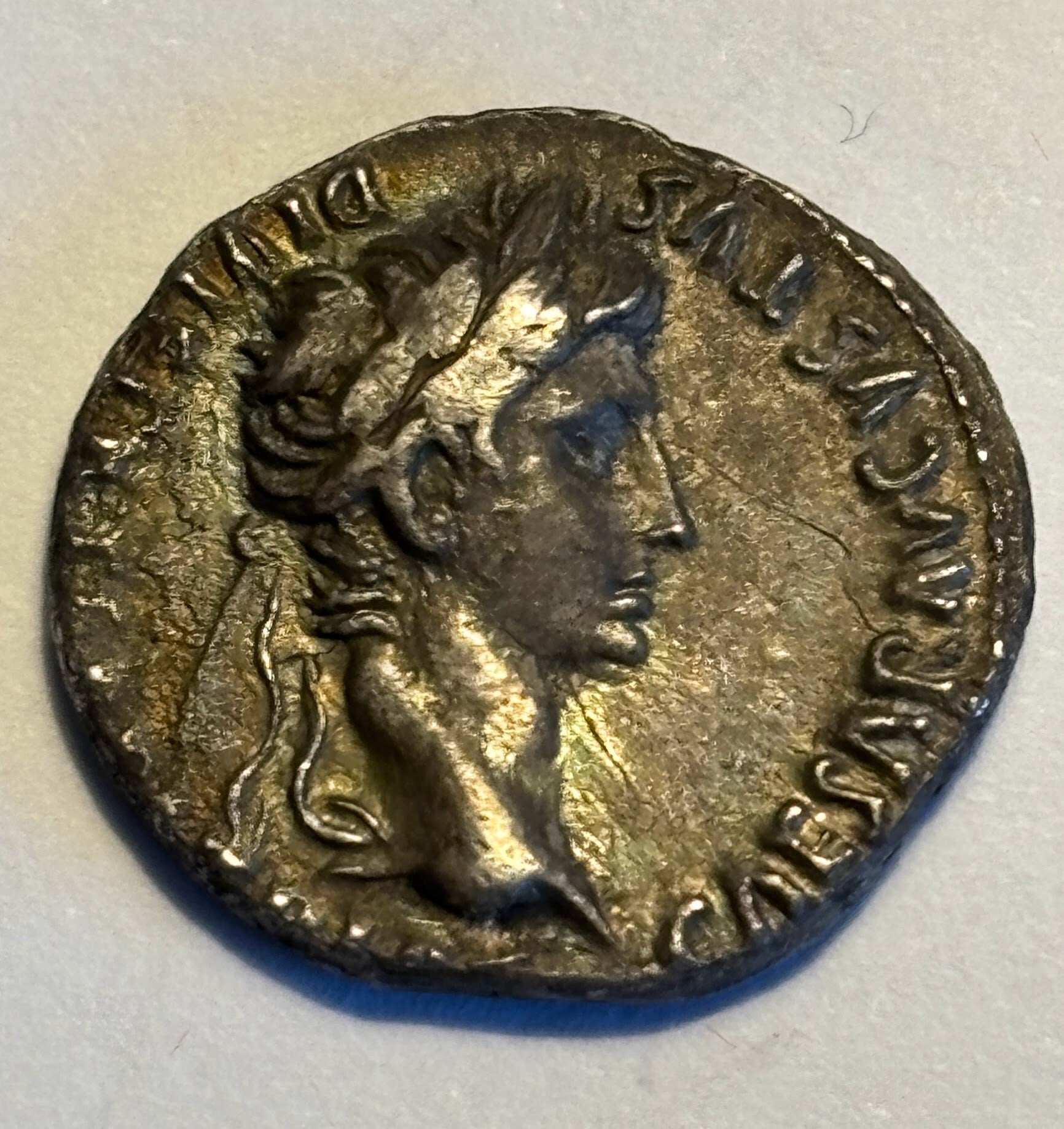
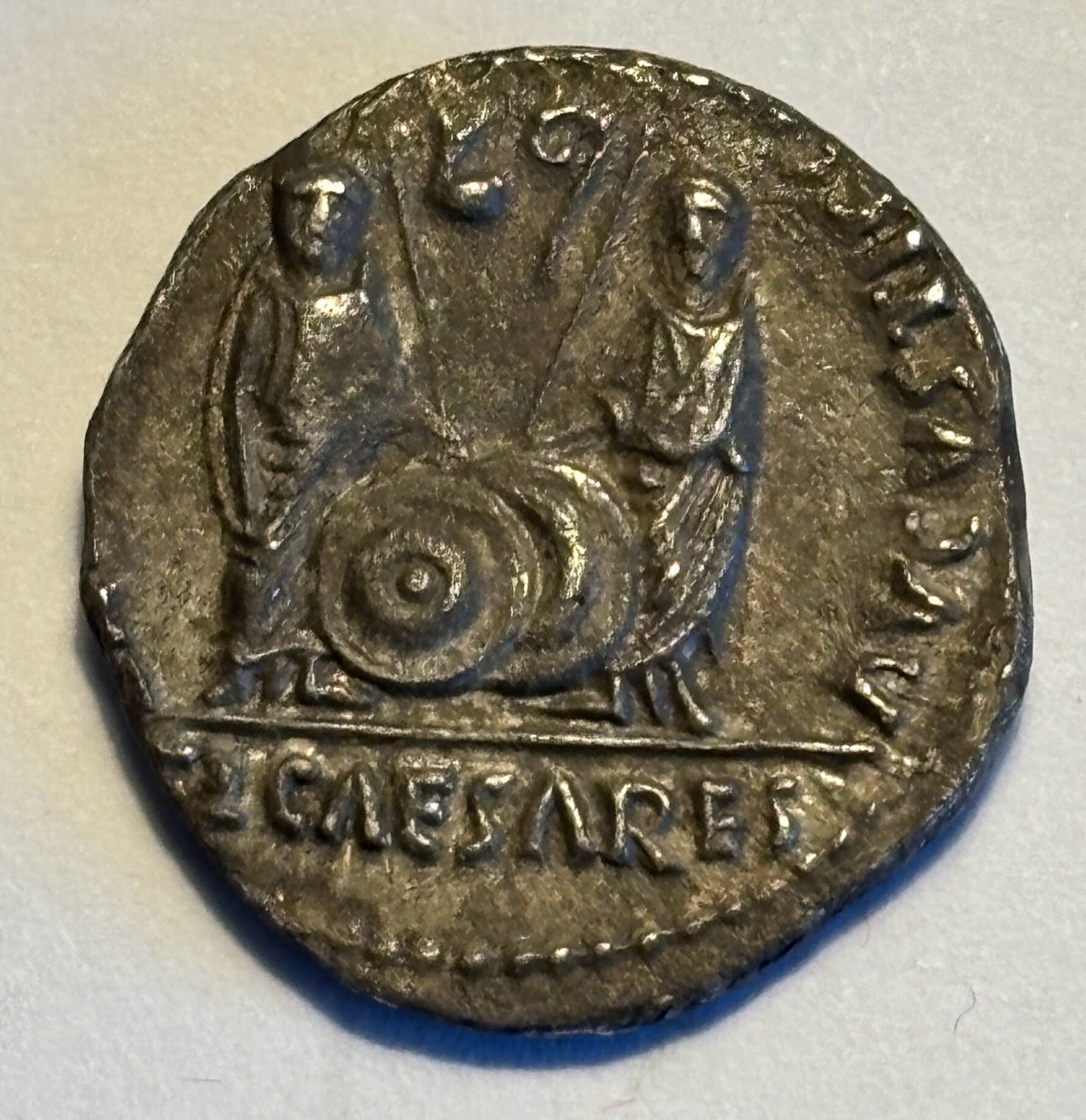
89. Augustus (27 BC - 14 AD) - Caius & Lucius Caesars
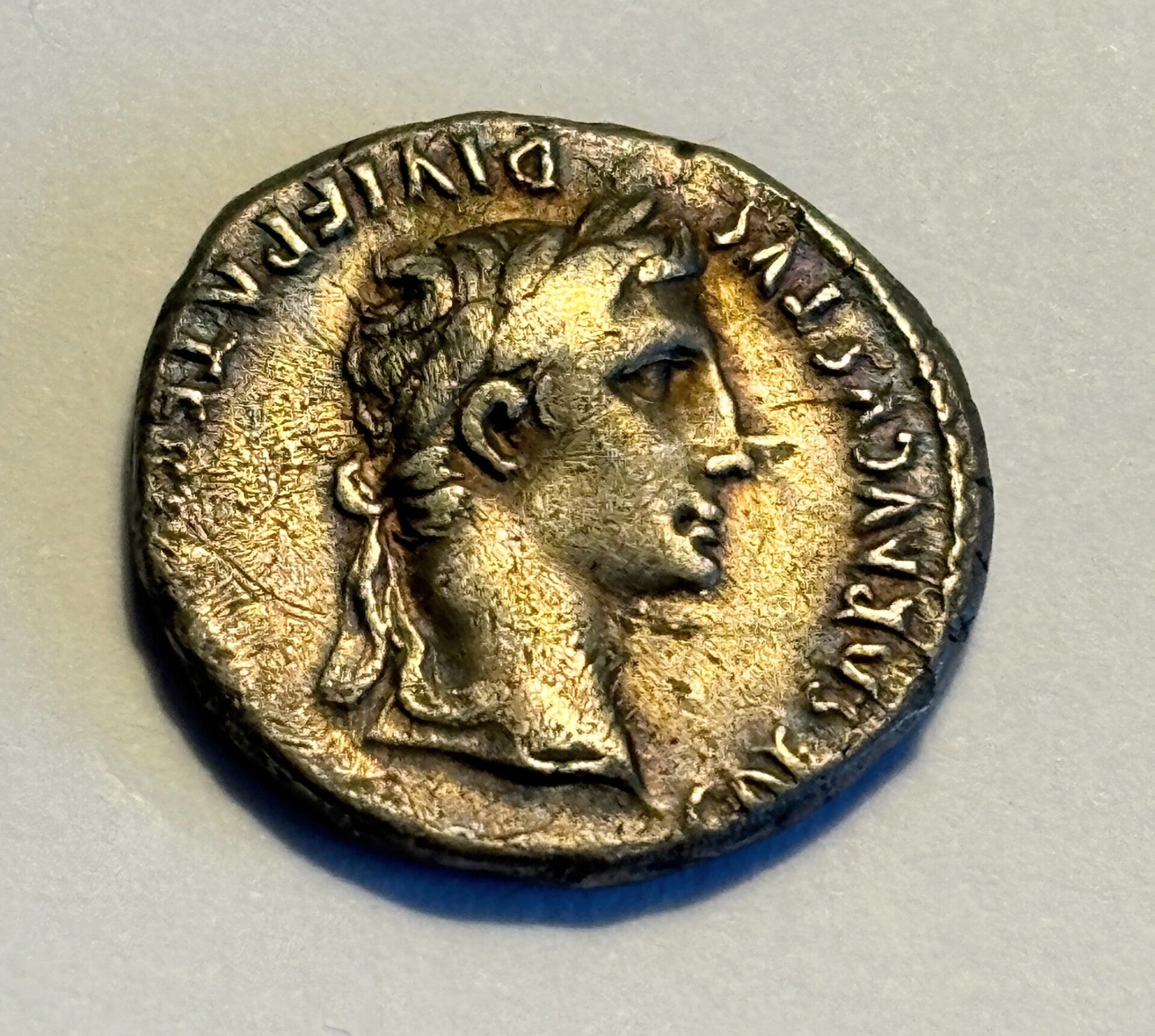
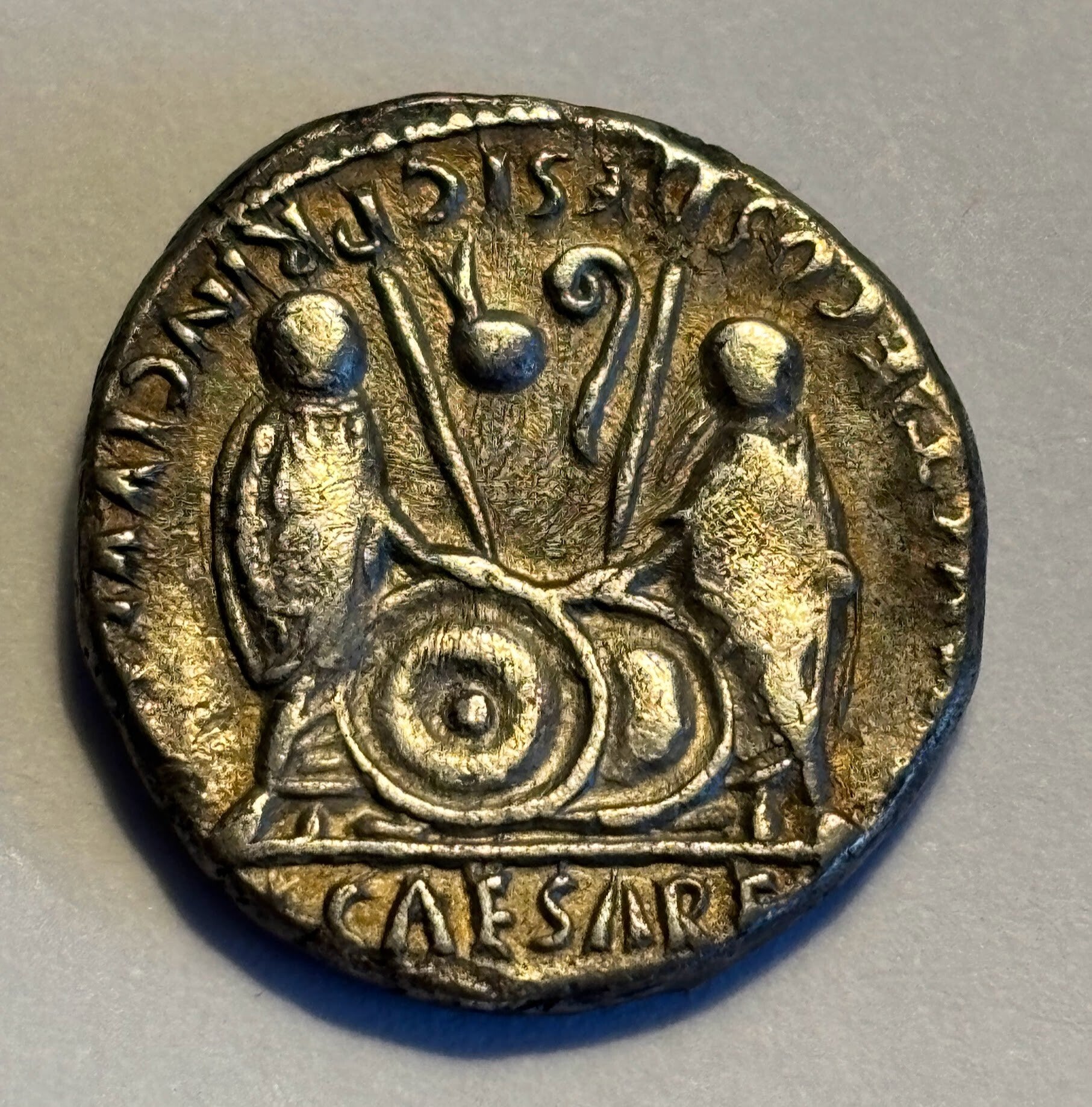
164. Augustus (27 BC - 14 AD) - Caius & Lucius Caesars
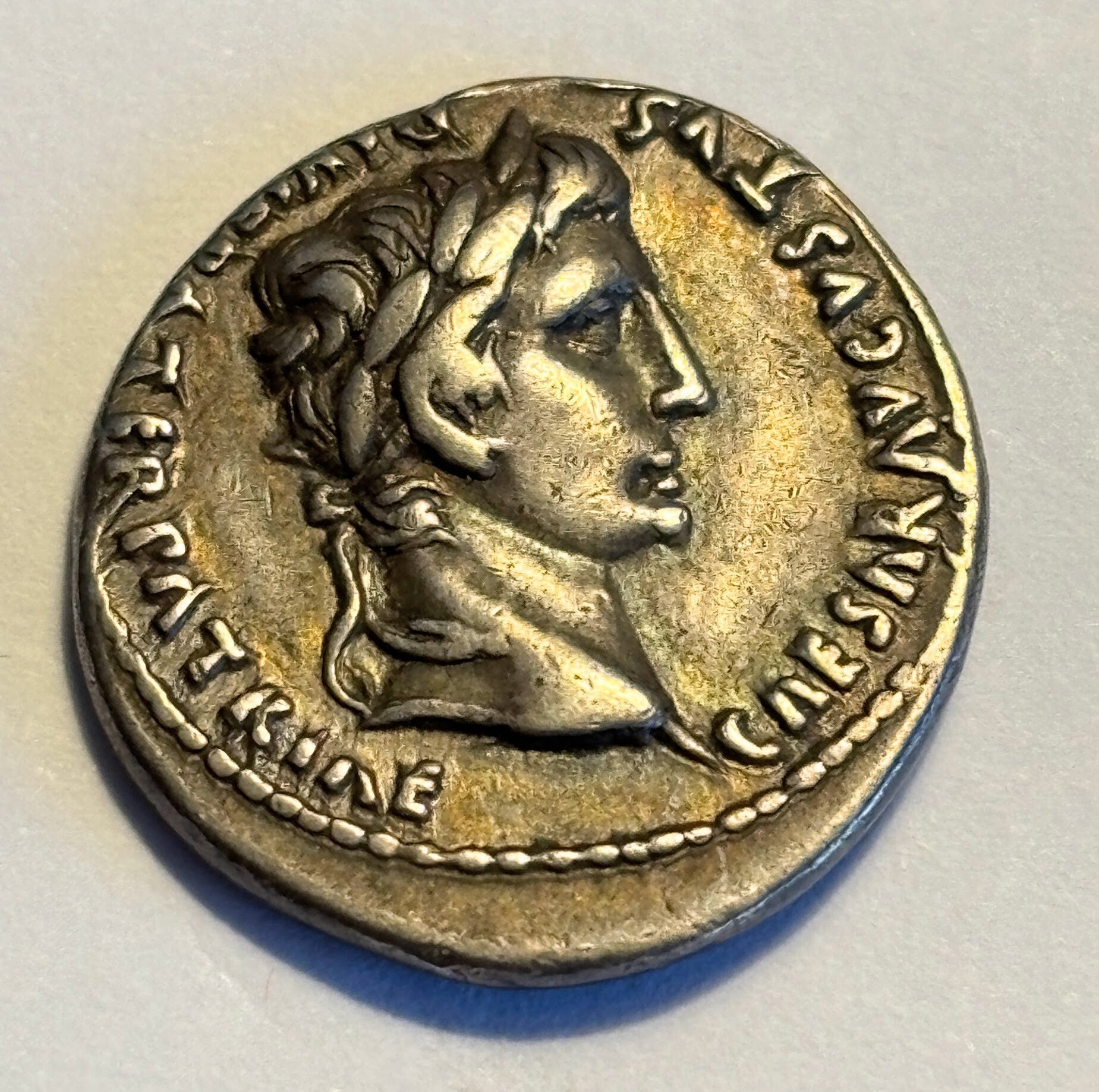
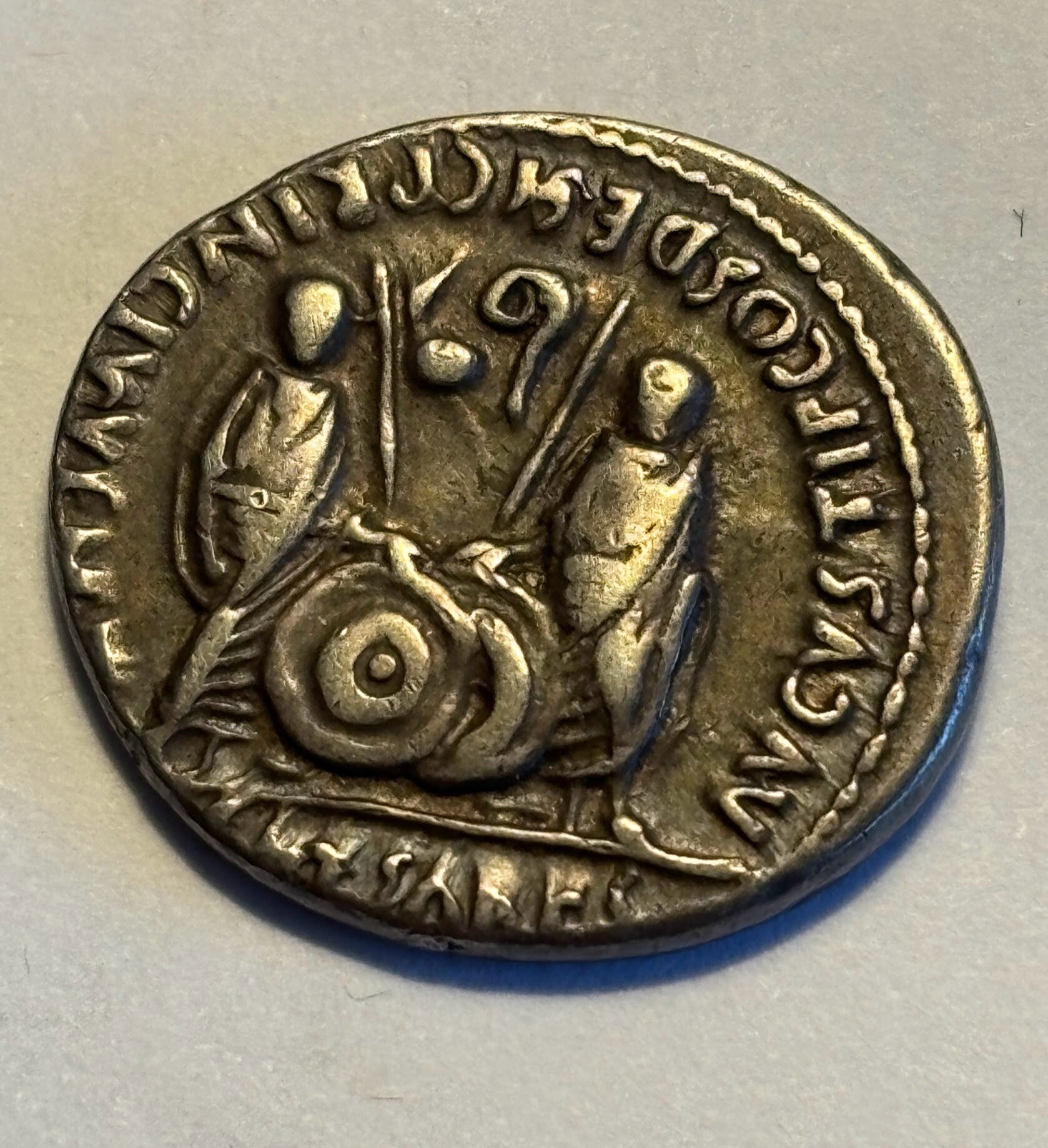
152. Augustus (27 BC - 14 AD) - Shield between Legionary Eagle & Standard
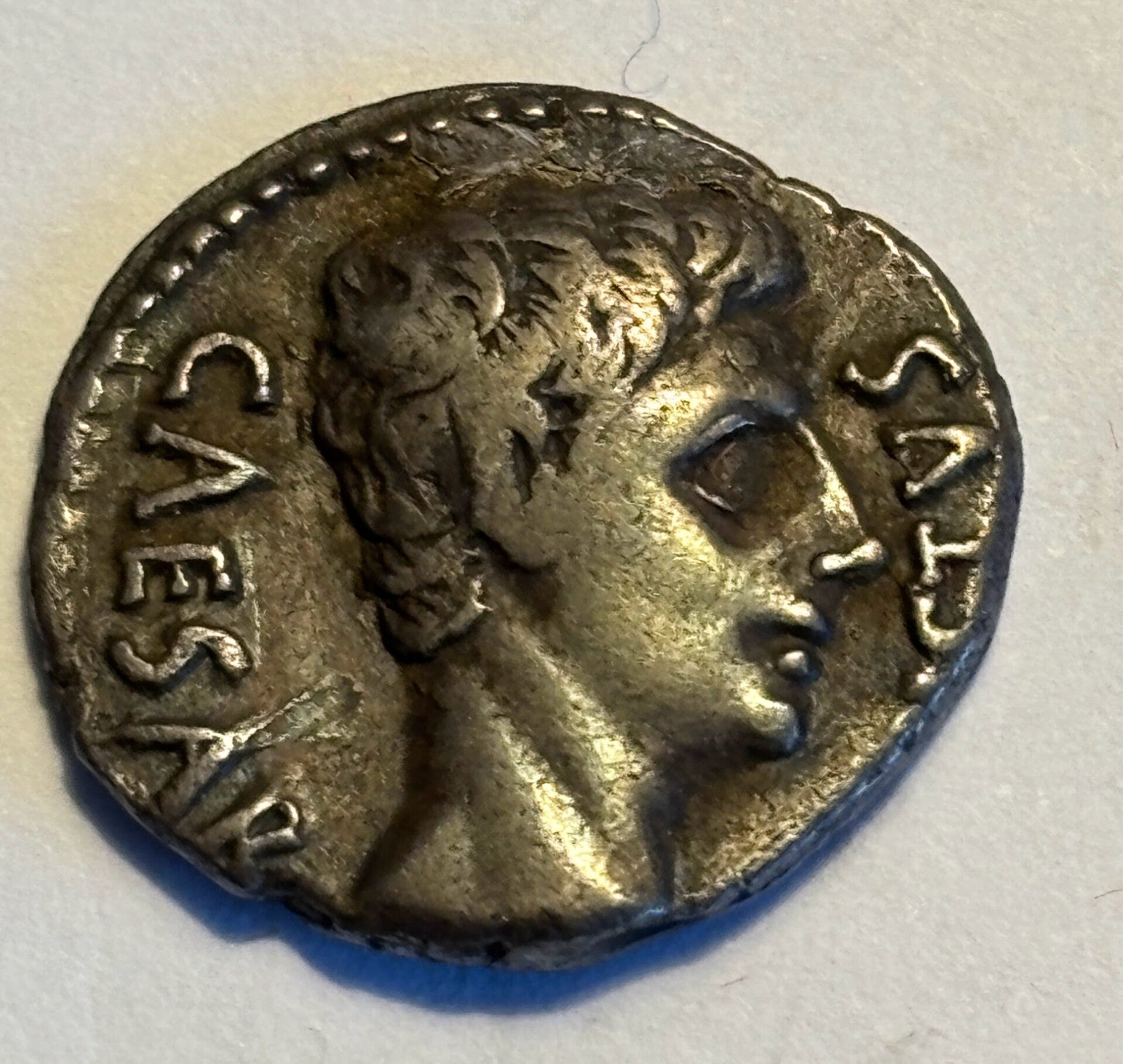
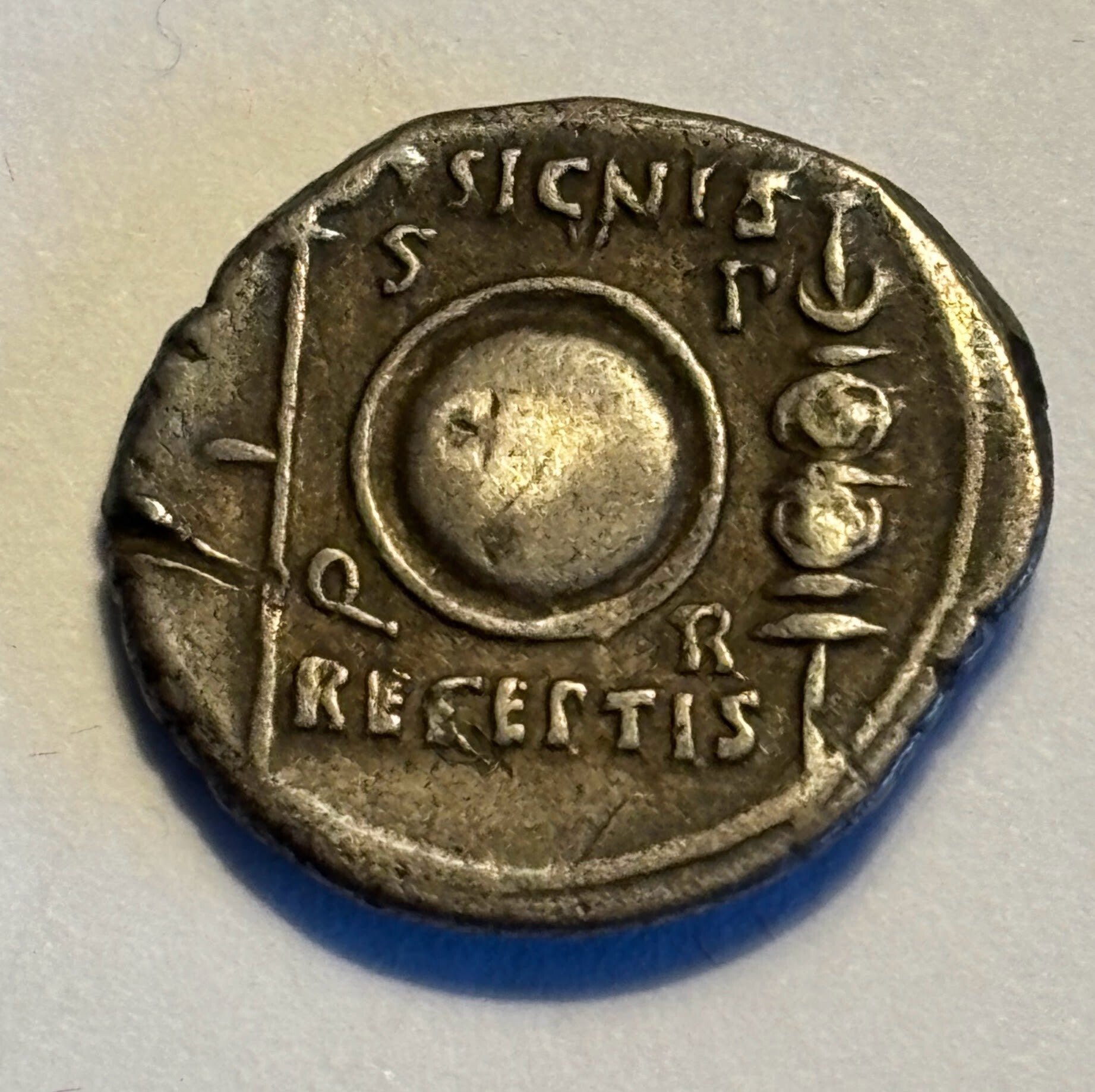
57. Augustus (27 BC - 14 AD) - Augustus facing right / Chariot in Temple
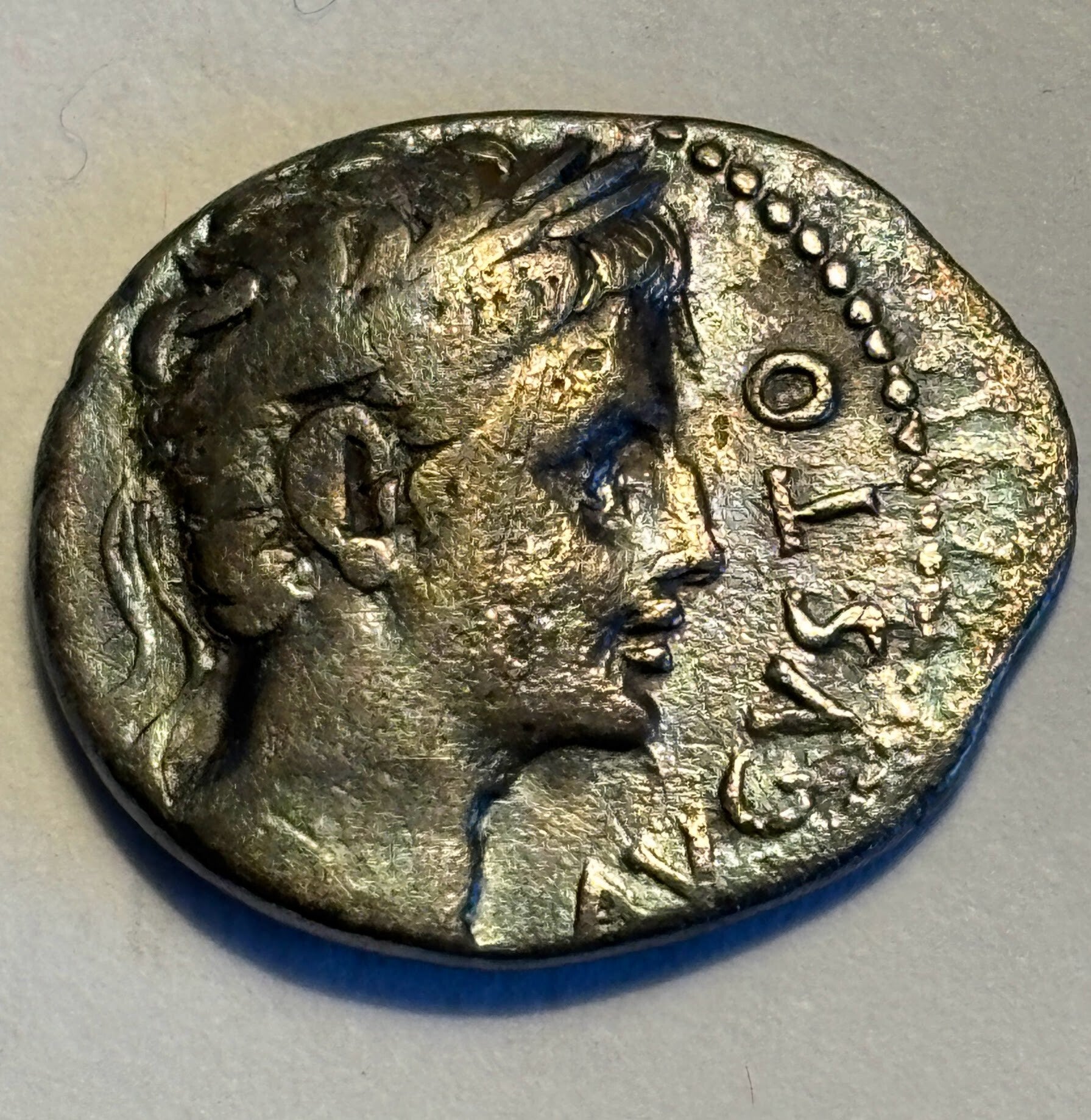
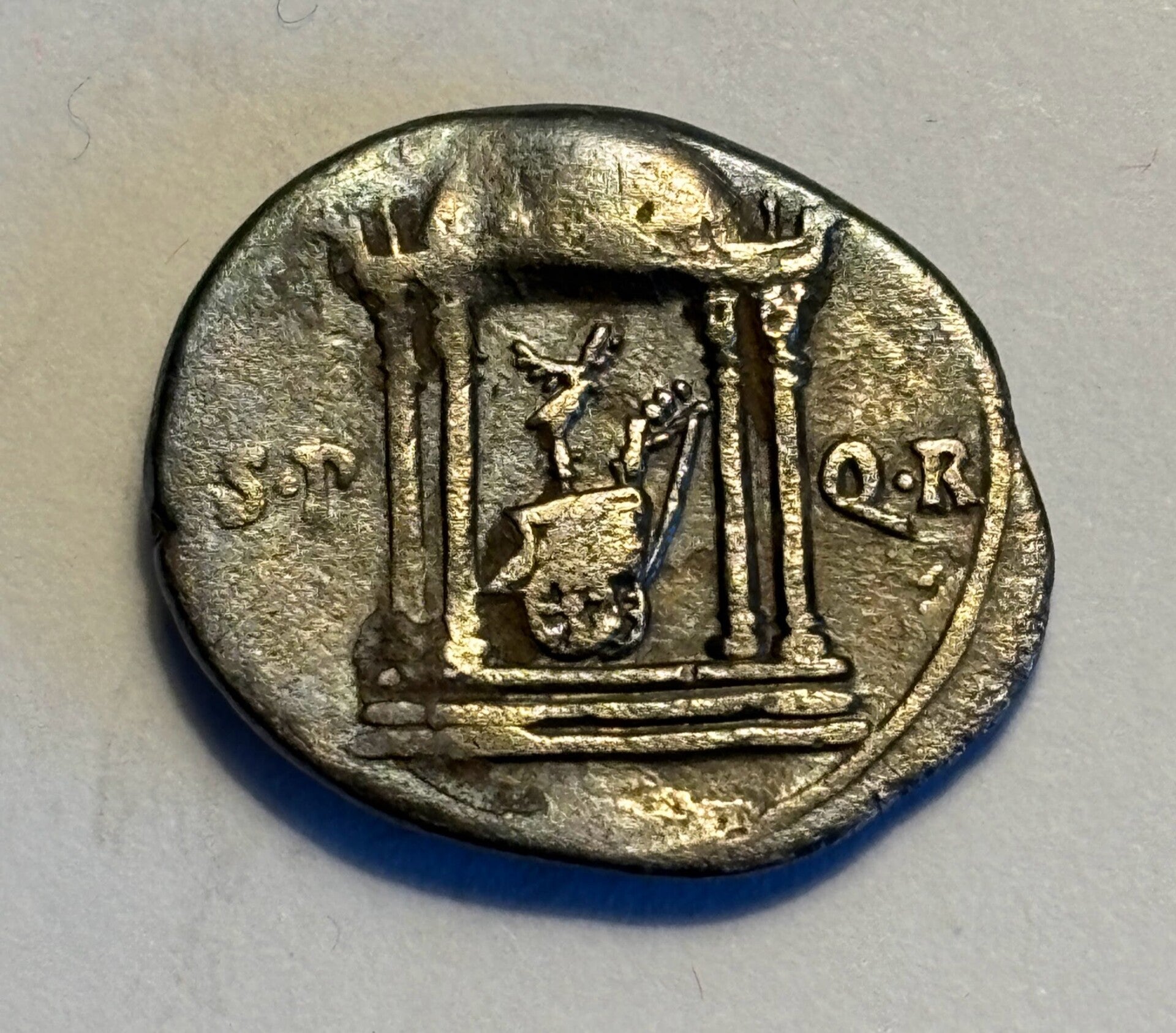
68. Augustus (27 BC - 14 AD) - Augustus facing left / Chariot in Temple
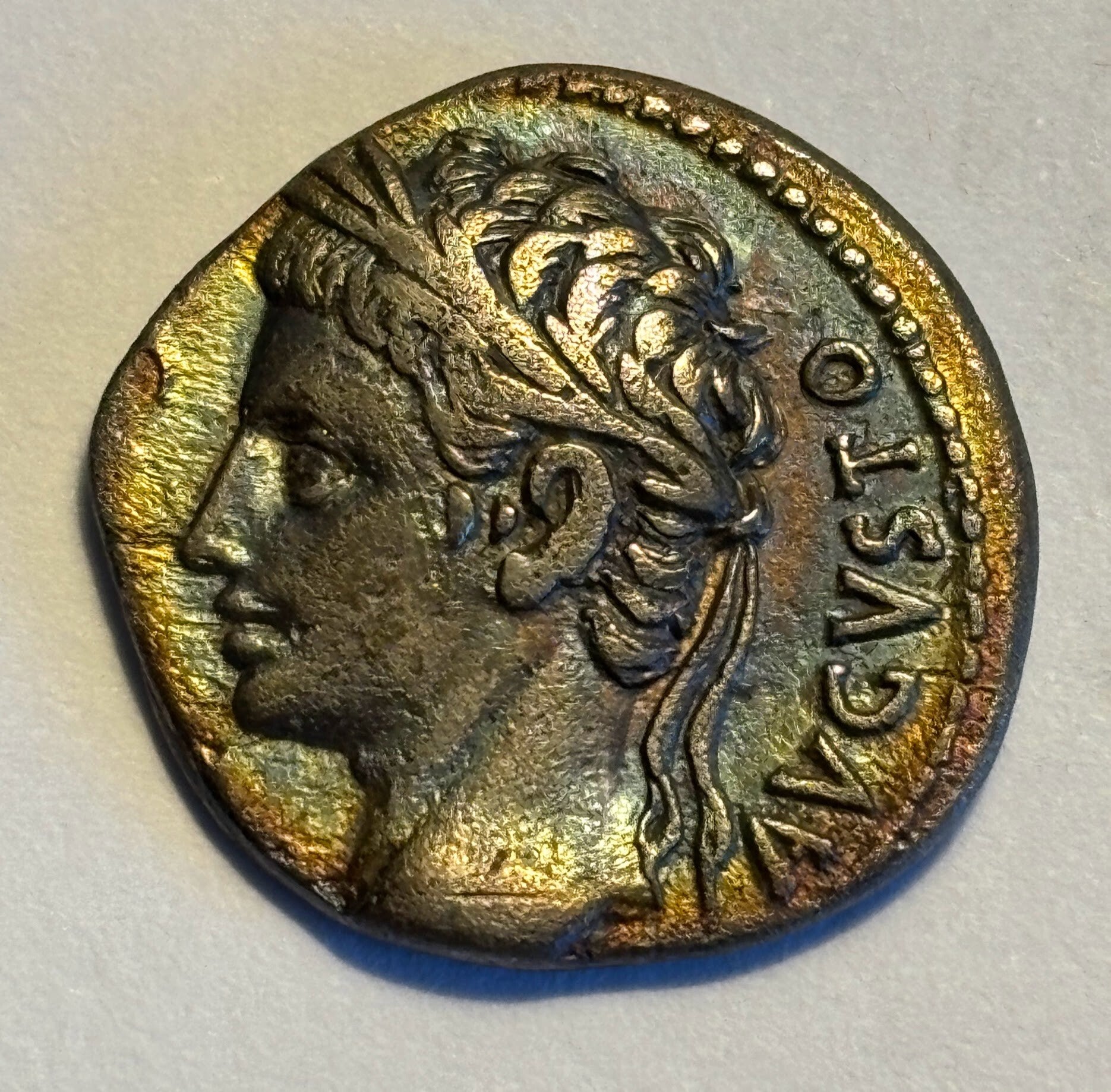
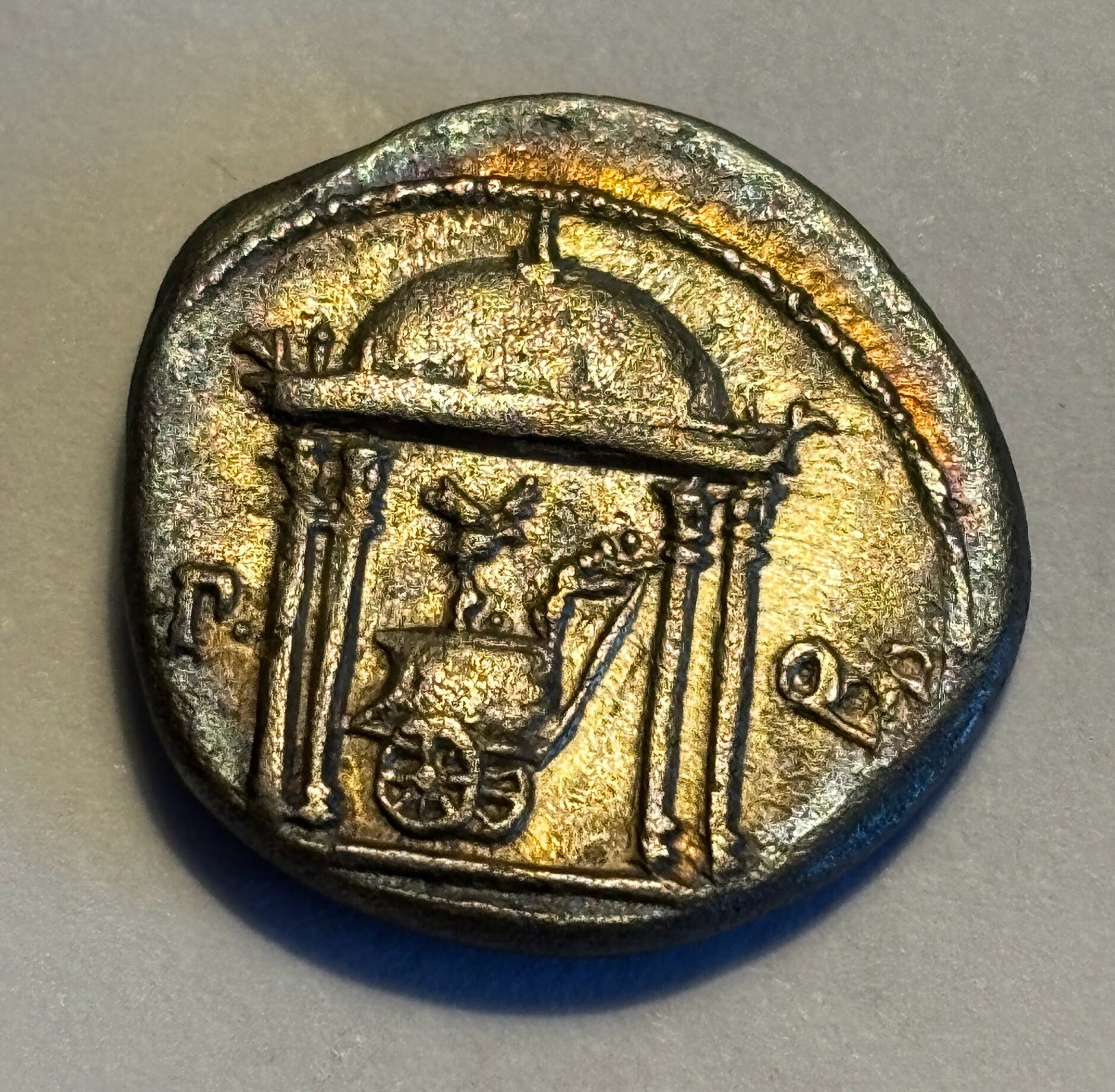
175. Augustus (27 BC - 14 AD) - Capricorn in Wreath - 26 BC
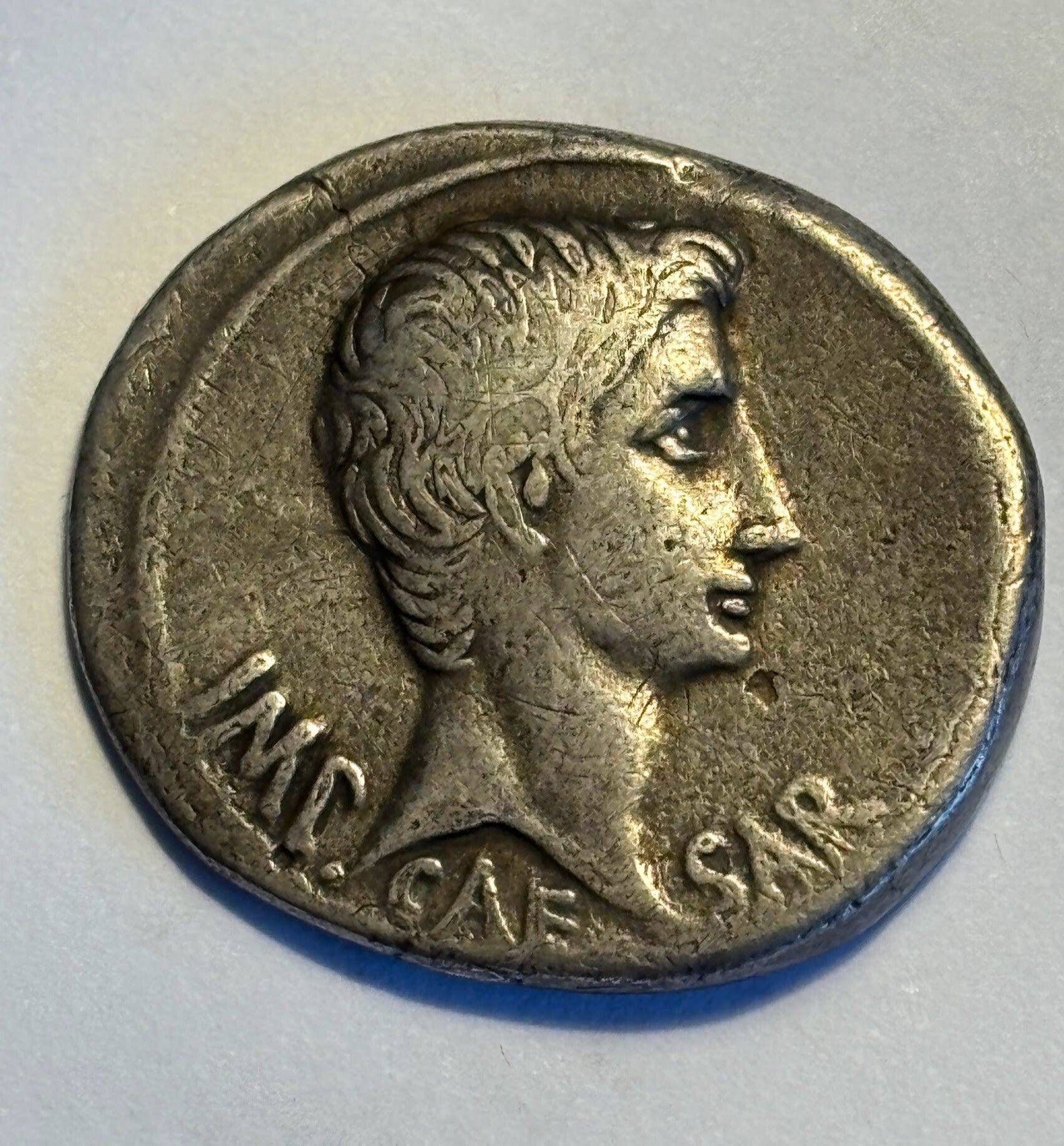
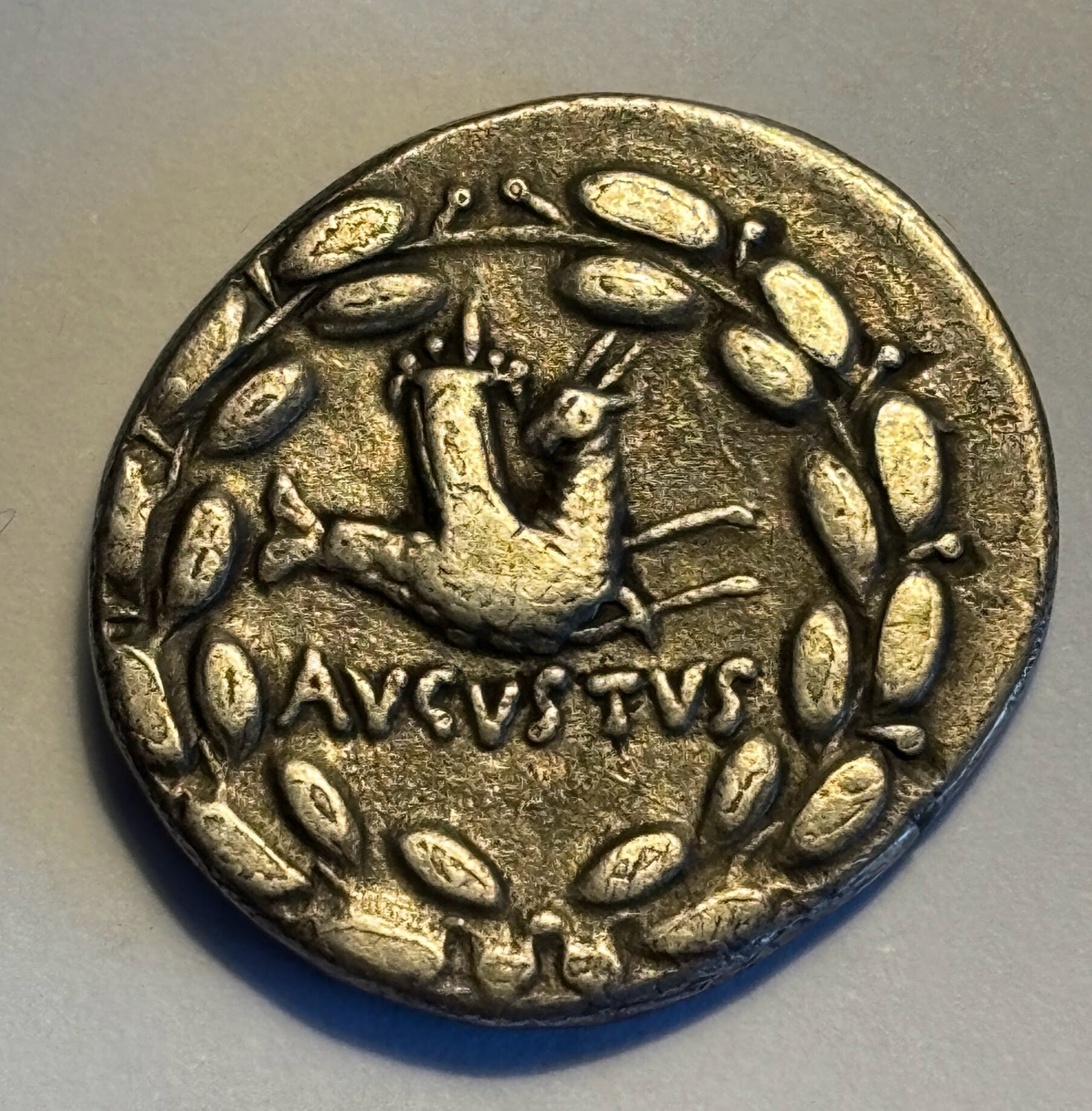
136. Augustus (27 BC - 14 AD) - Consular robe / Triumphal quadriga with horses
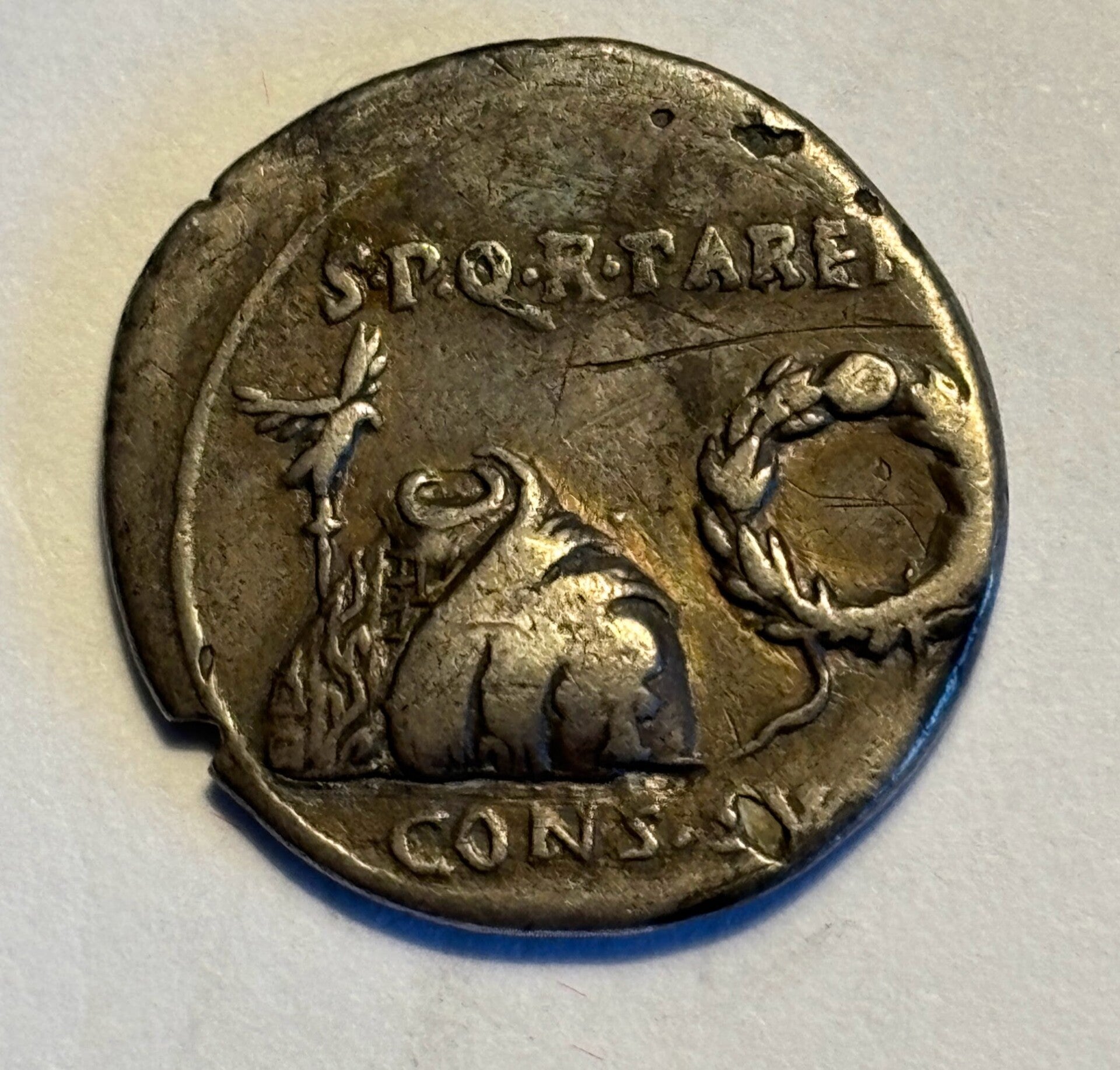
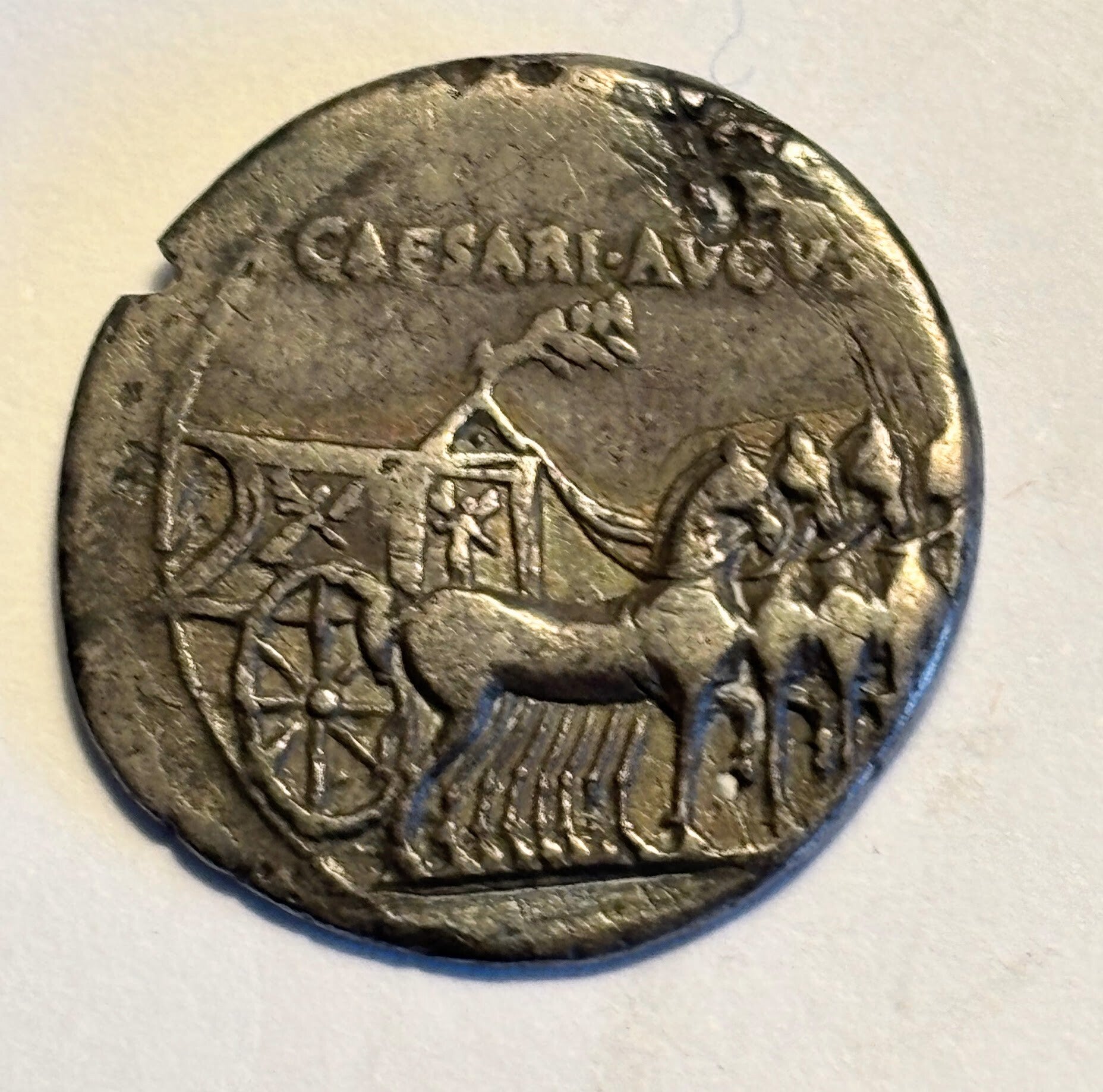
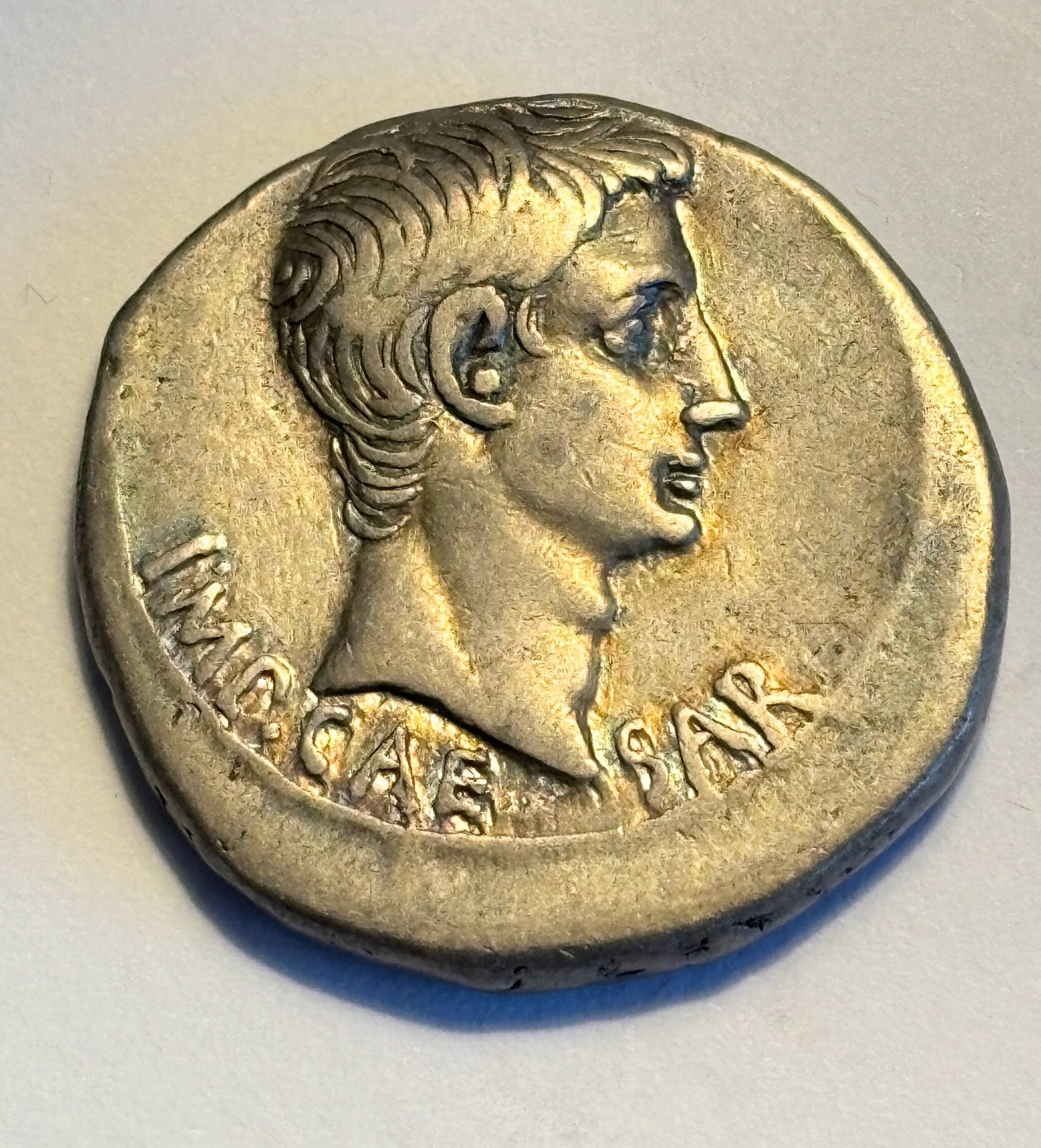
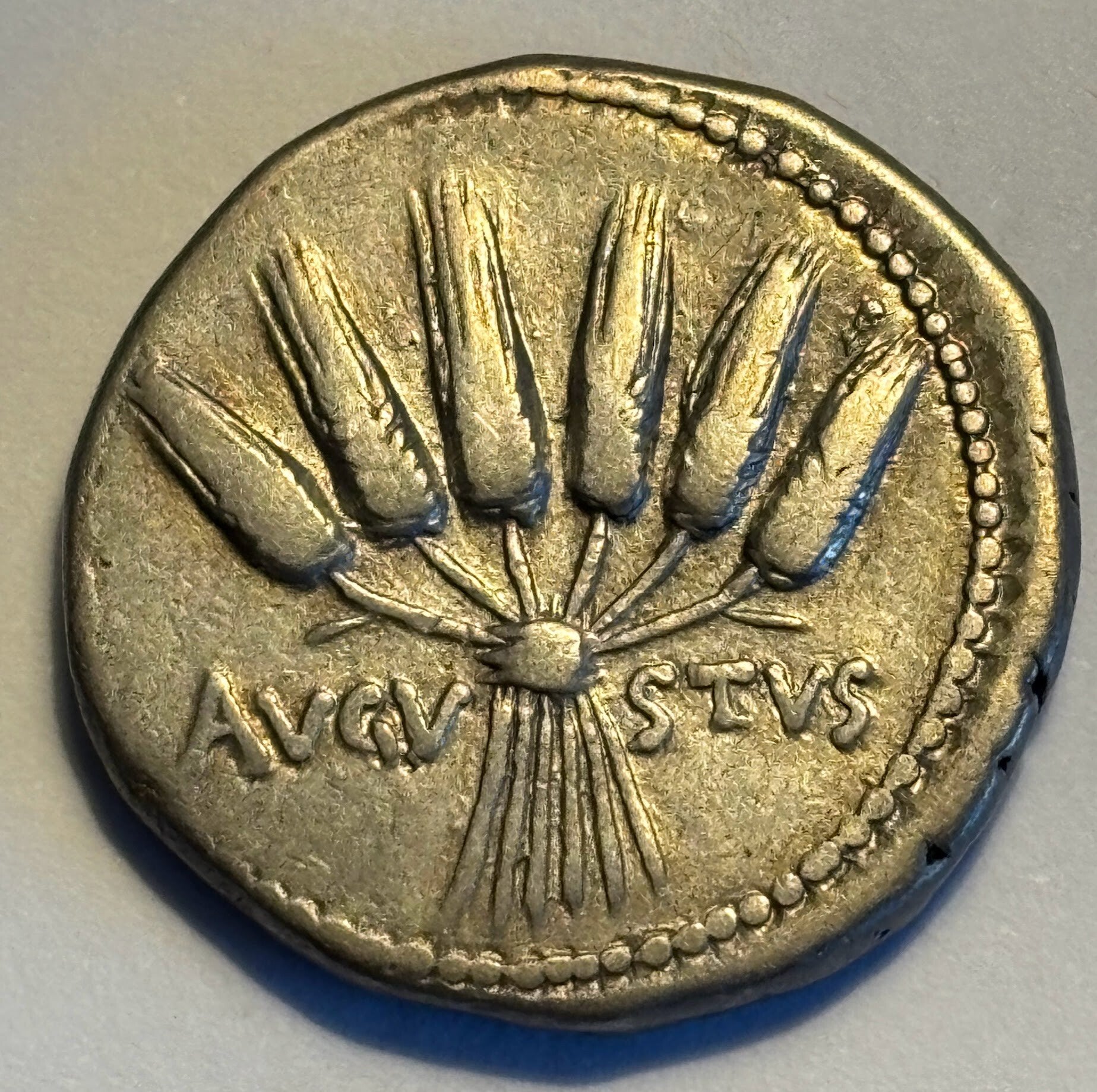
284. Augustus (27 BC - 14 AD) - Six Ears of Corn
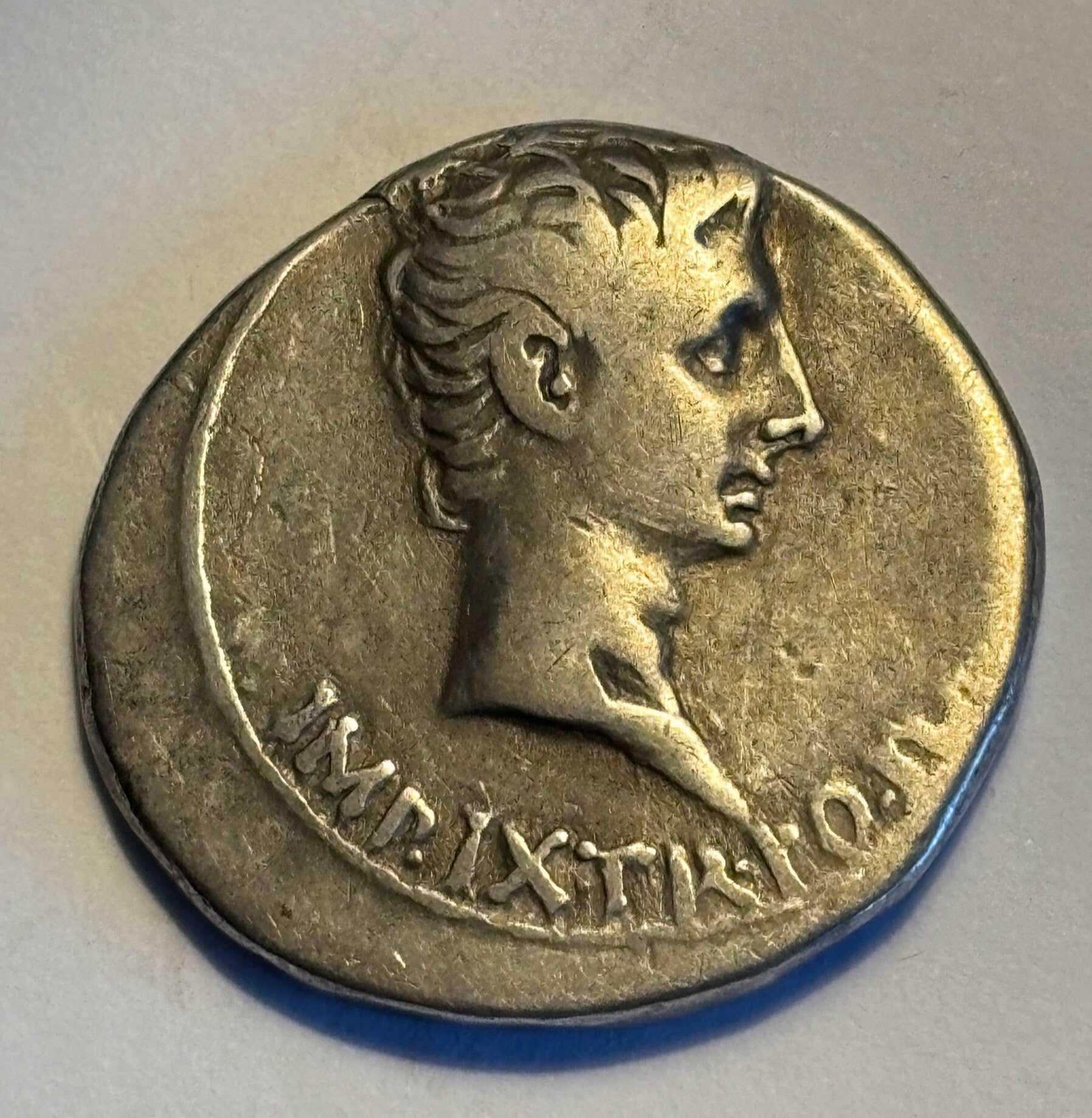
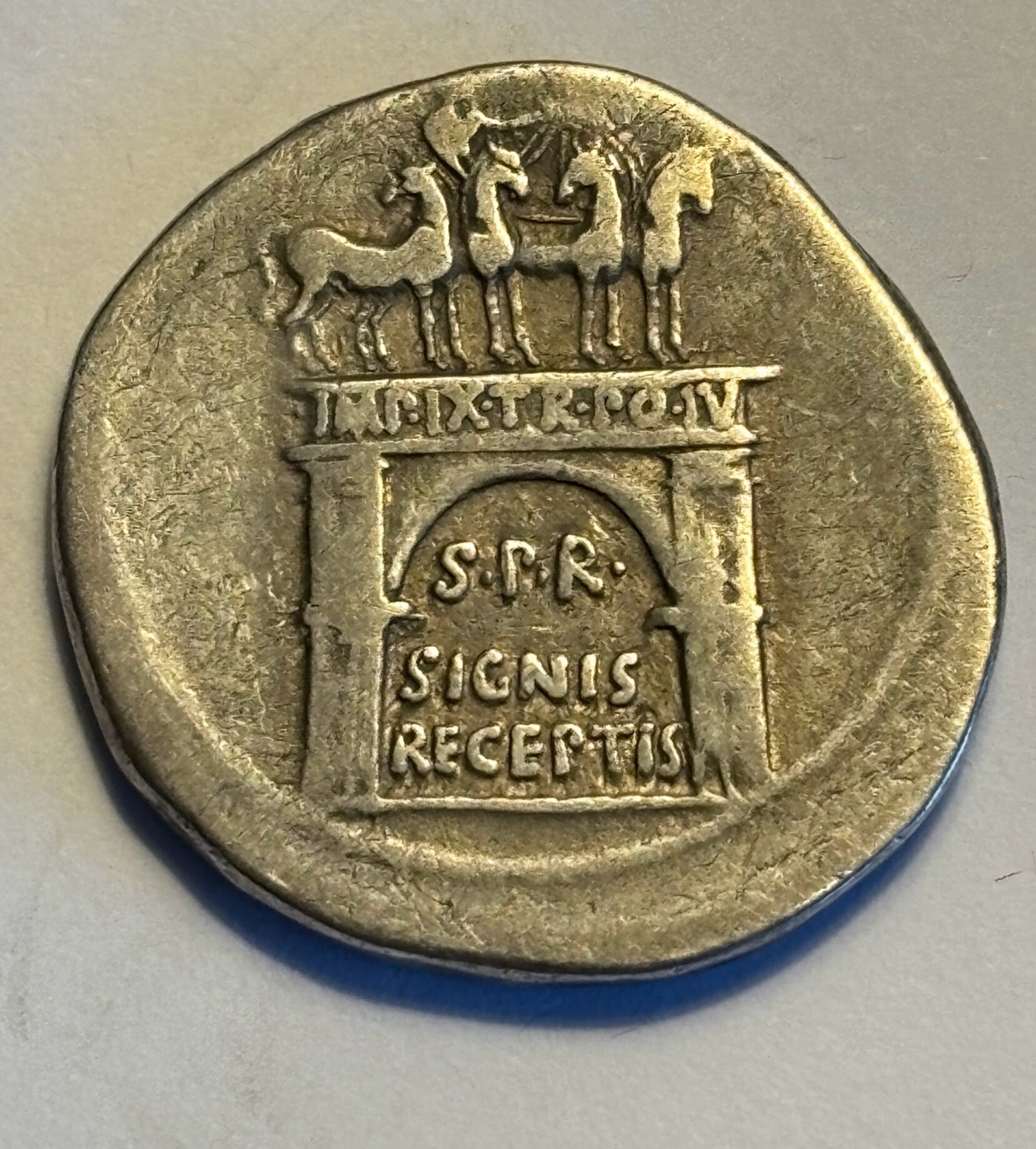
300. Augustus (27 BC - 14 AD) - Single Span Triumphal Arch surmounted by Large Statue of Augustus in Triumphal Quadriga
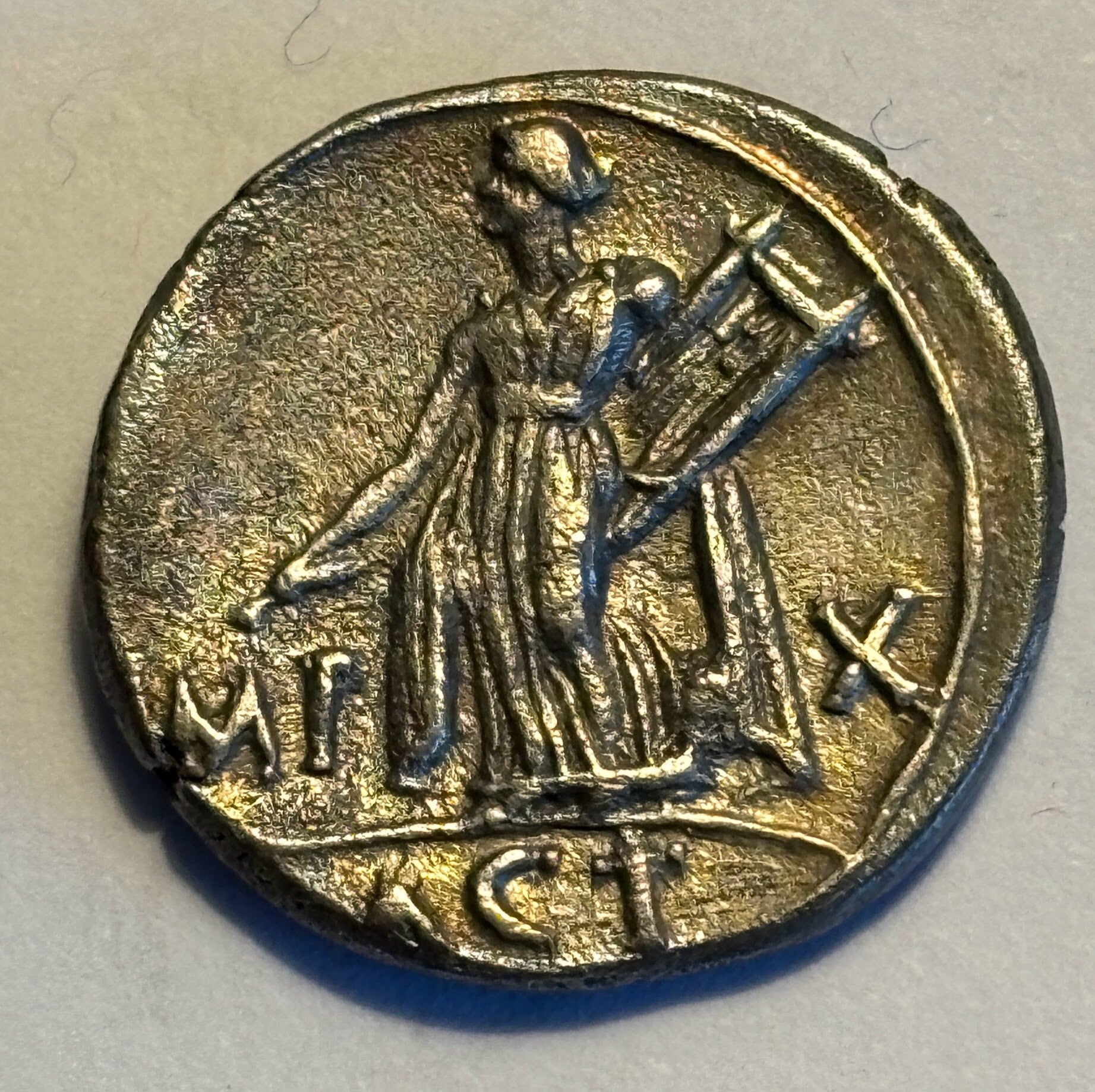
192. Augustus (27 BC - 14 AD) - Apollo holding Plectrum & Lyre
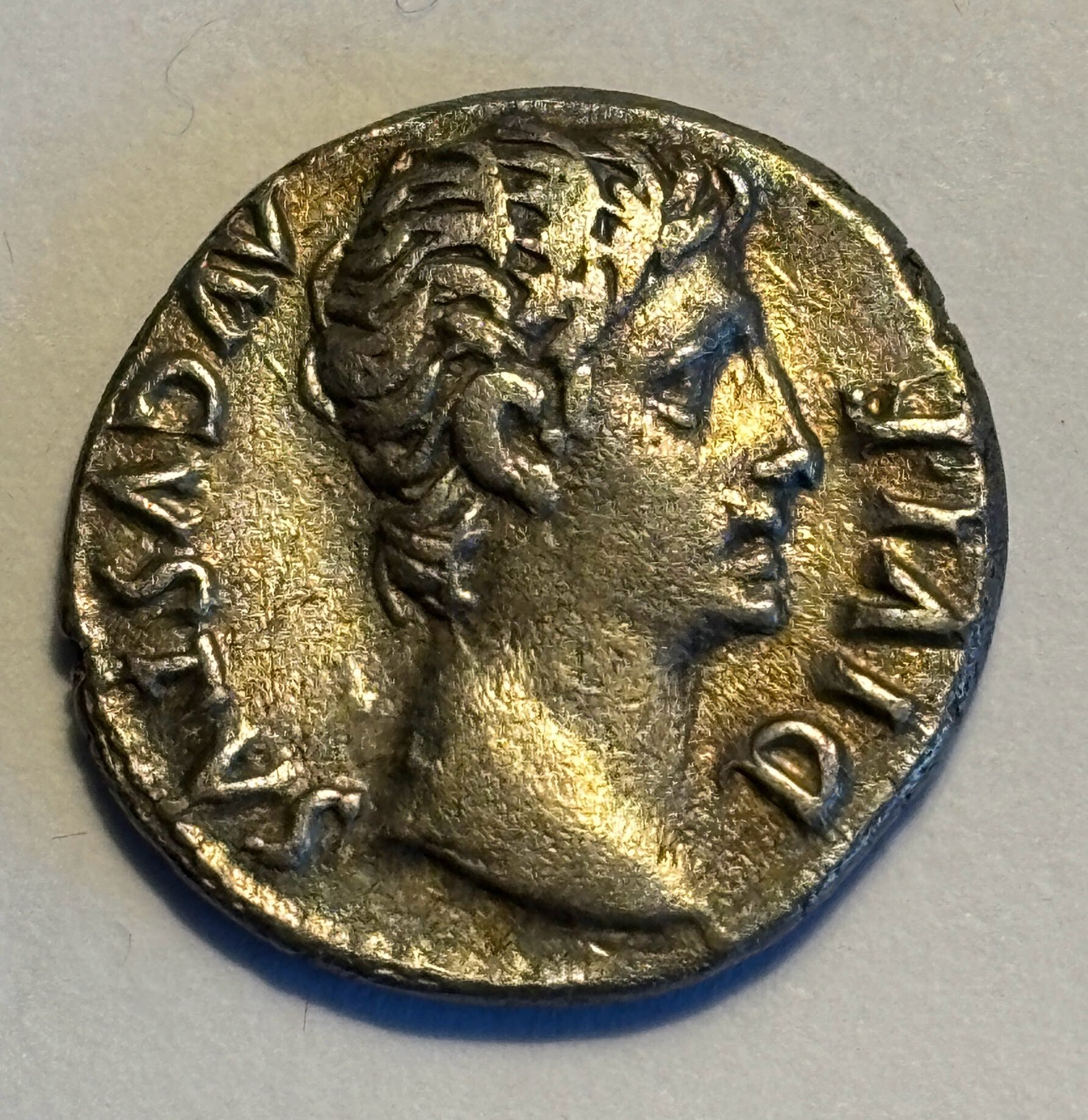
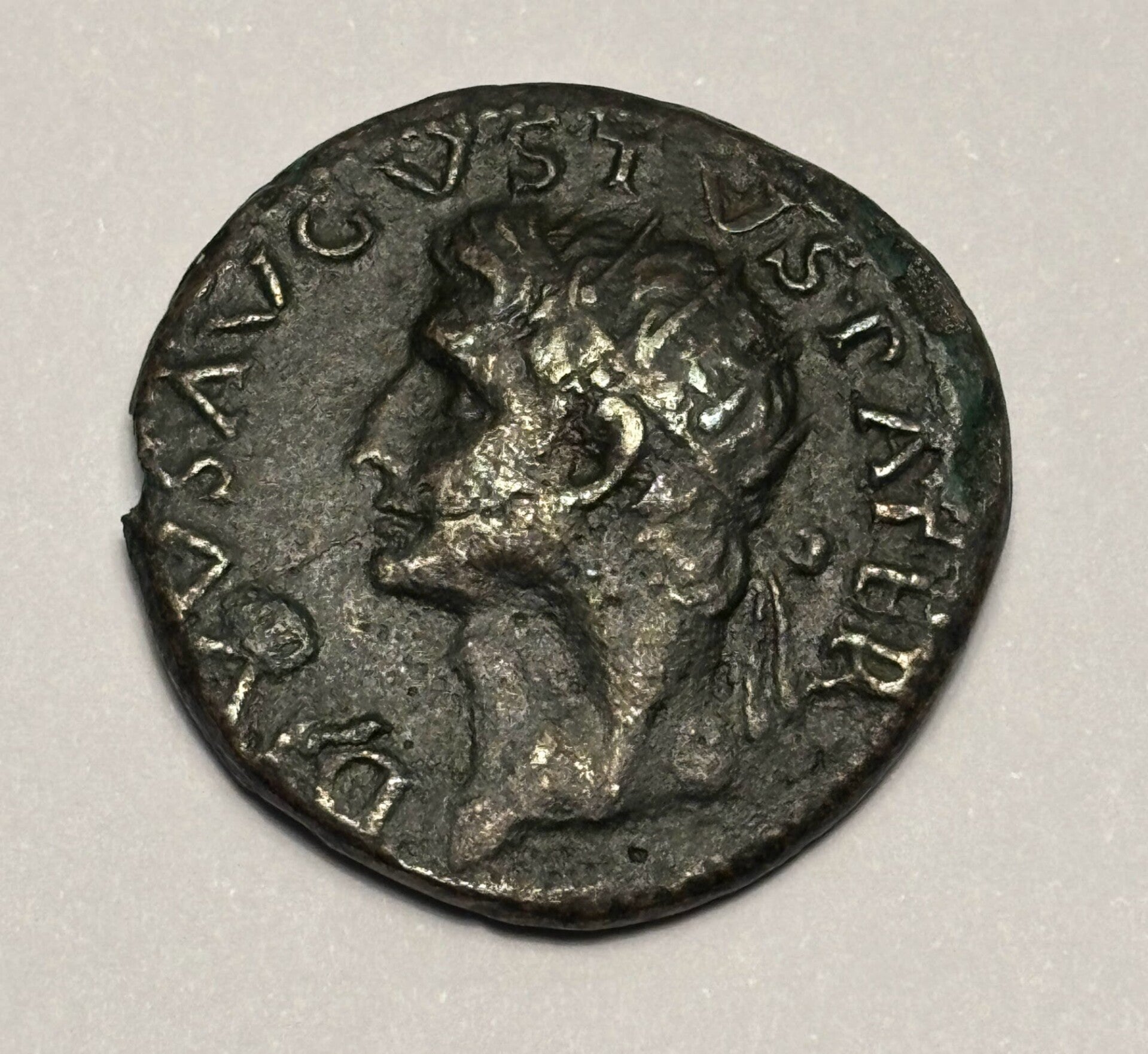
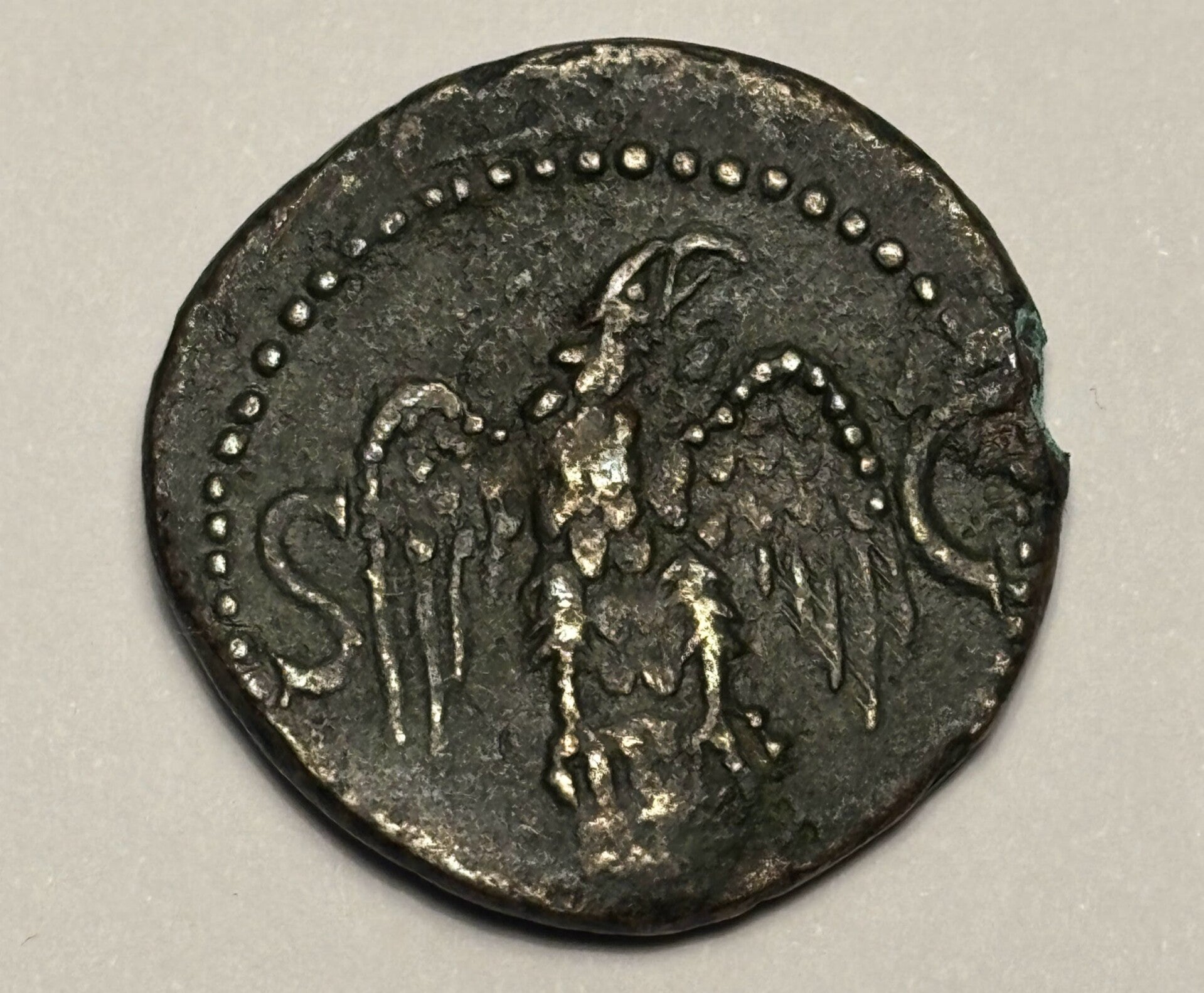
383. Augustus (27 BC - 14 AD) - Eagle on Globe (Posthumous Issue under Tiberius)
123. Livia - Wife of Augustus - Livia as Pietas
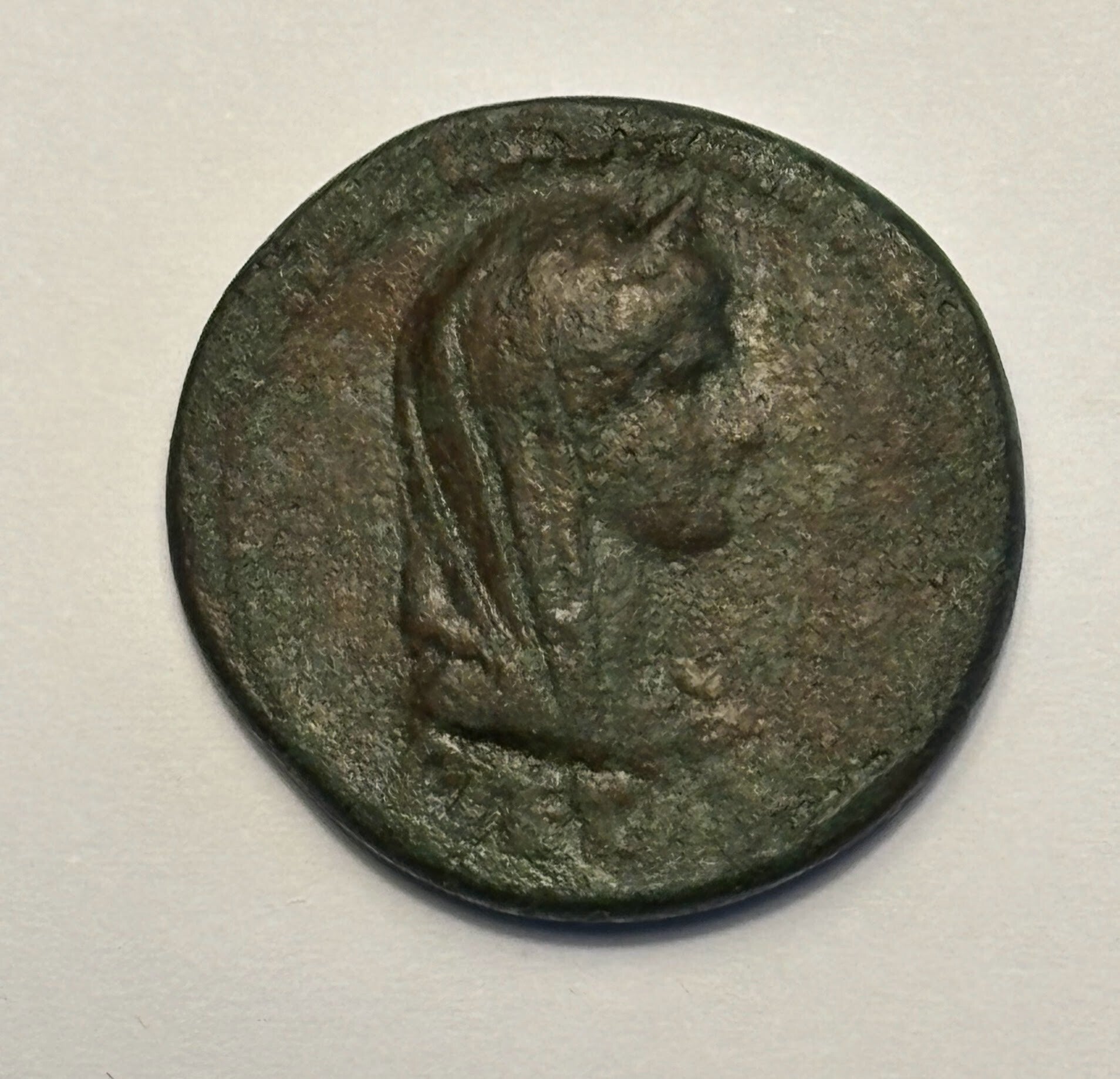
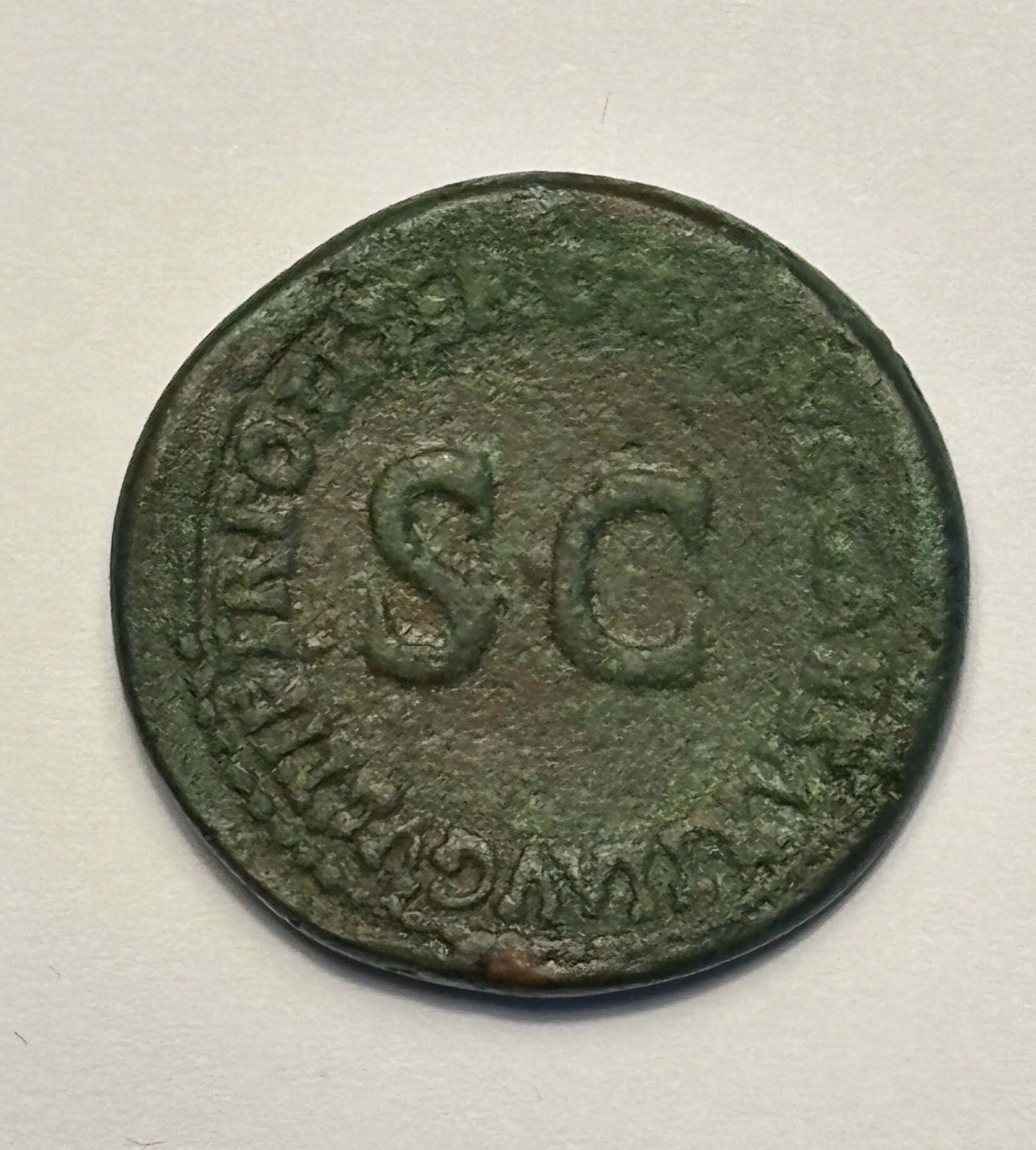
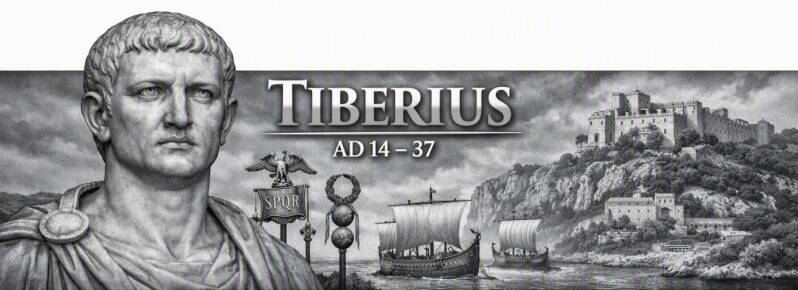
Tiberius (42 BC–AD 37) was Rome’s second emperor, succeeding Augustus and ruling for twenty‑three years. A gifted general and administrator, he strengthened the frontiers, stabilised finances, and maintained the imperial system Augustus had created. Yet his reign was marked by tension: Tiberius disliked public life, clashed with the Senate, and gradually withdrew from Rome, eventually governing from the island of Capri. In his absence, the ambitious prefect Sejanus gained dangerous influence, leading to purges and political fear in the capital. Despite the darker tone of his later years, Tiberius left the empire secure, wealthy, and firmly established—proof of his effectiveness, even if his personality made him one of Rome’s most enigmatic rulers.
Tiberius inherited Augustus’ carefully built system and preserved it with a colder, more restrained touch — and his coinage mirrors that temperament. His issues are famously sparse and conservative, favouring continuity over innovation. The celebrated “Tribute Penny” denarius, with its calm, idealised portrait and seated Livia as Pax, encapsulates his approach: stability, legitimacy, and the quiet maintenance of imperial order. Tiberius’ coinage avoids flamboyant self‑promotion, instead projecting a ruler who governs through tradition and the enduring authority of the principate.
102. Tiberius (14-37) - Winged caduceus between two crossed cornucopias
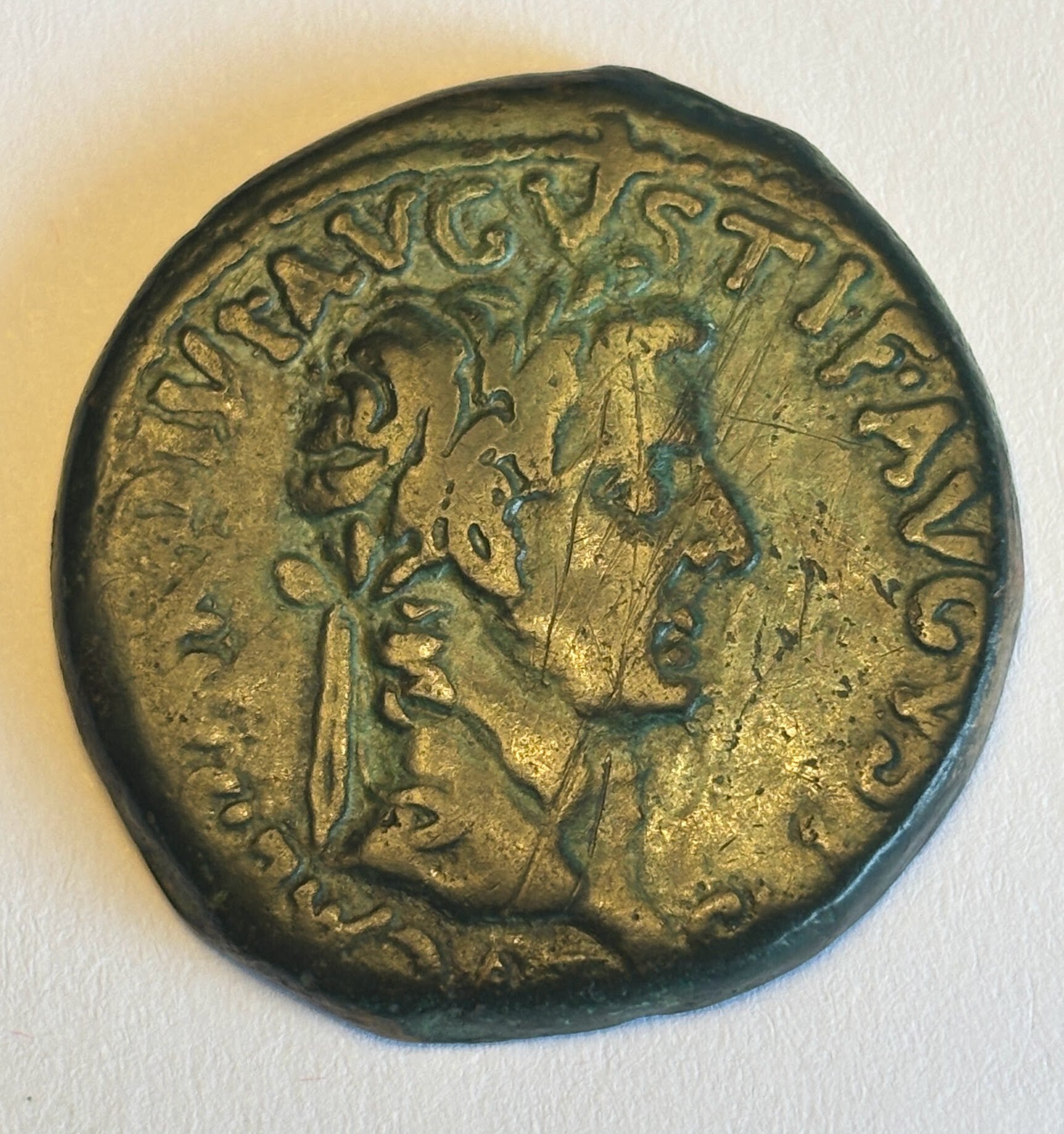
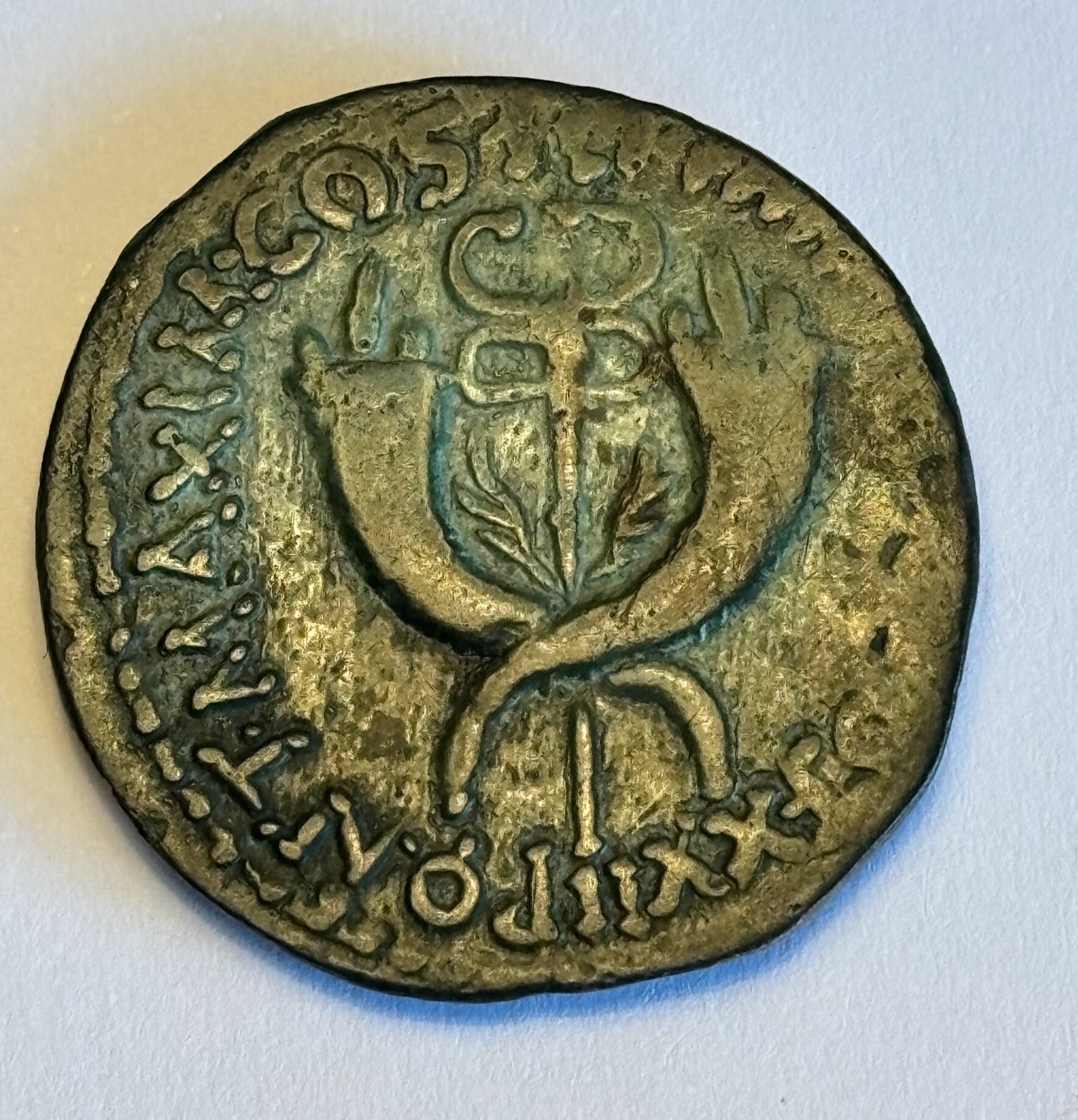
109. Tiberius (14-37) - Livia Seated
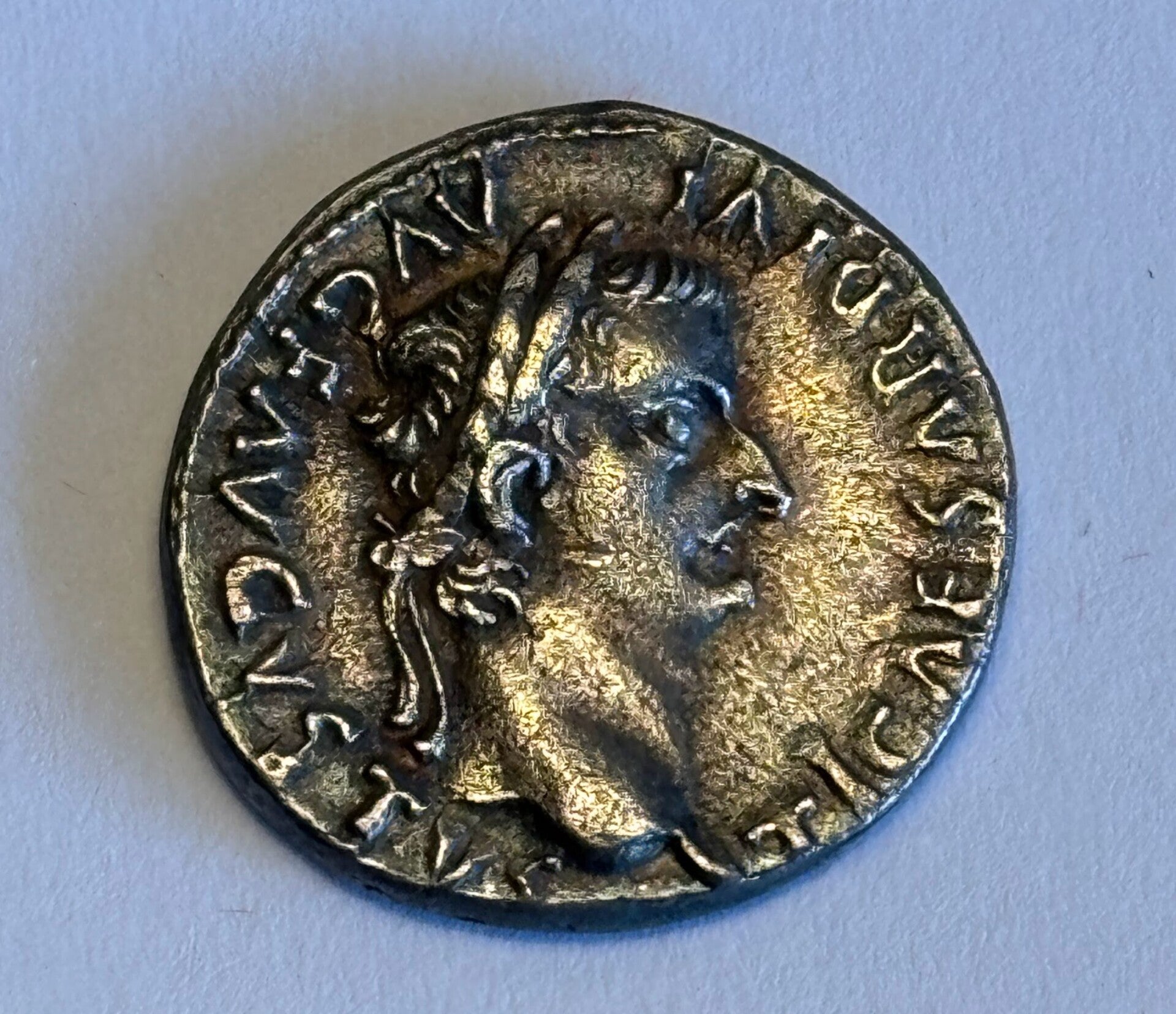
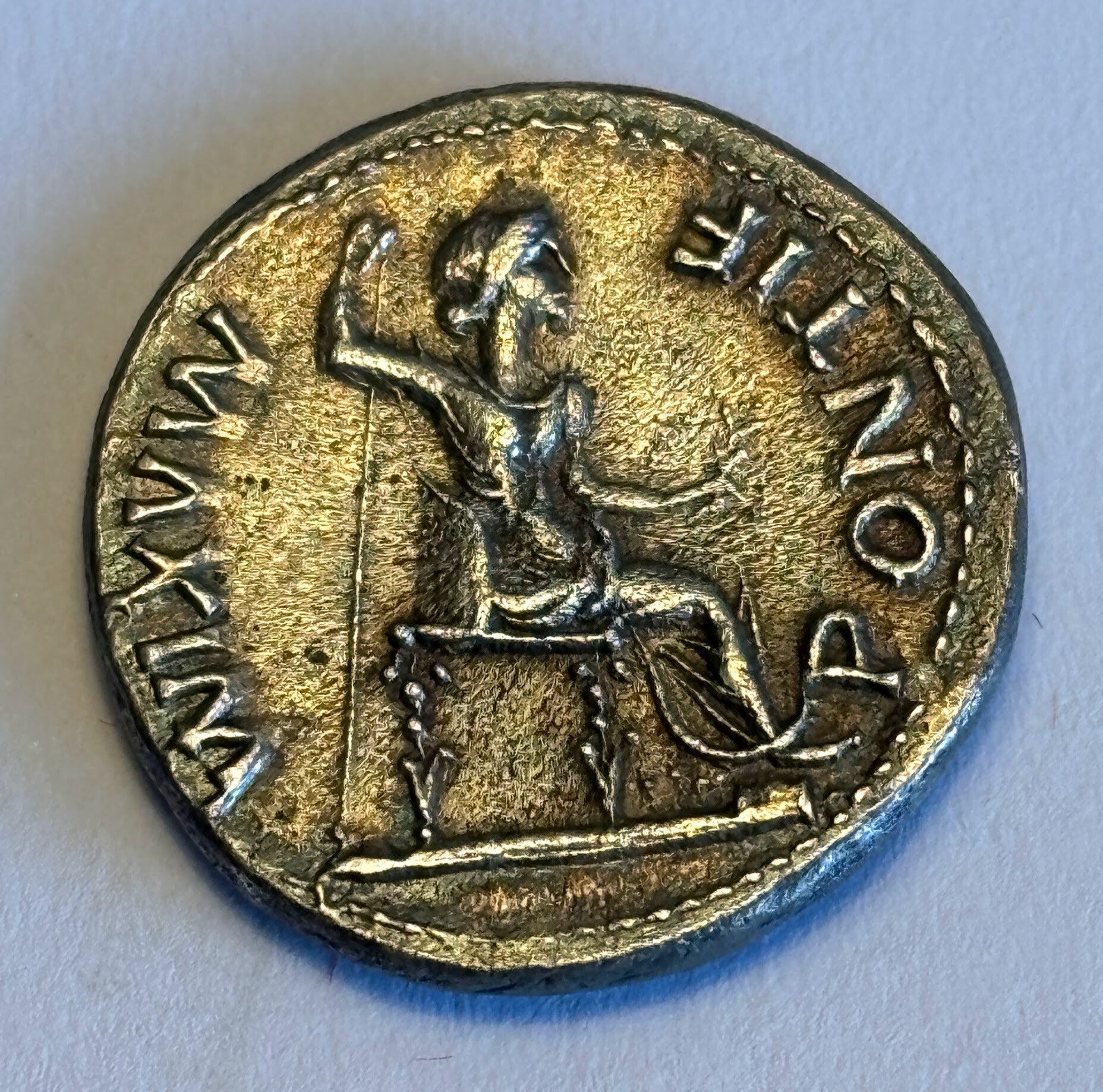
15. Tiberius (14-37) - Livia Seated
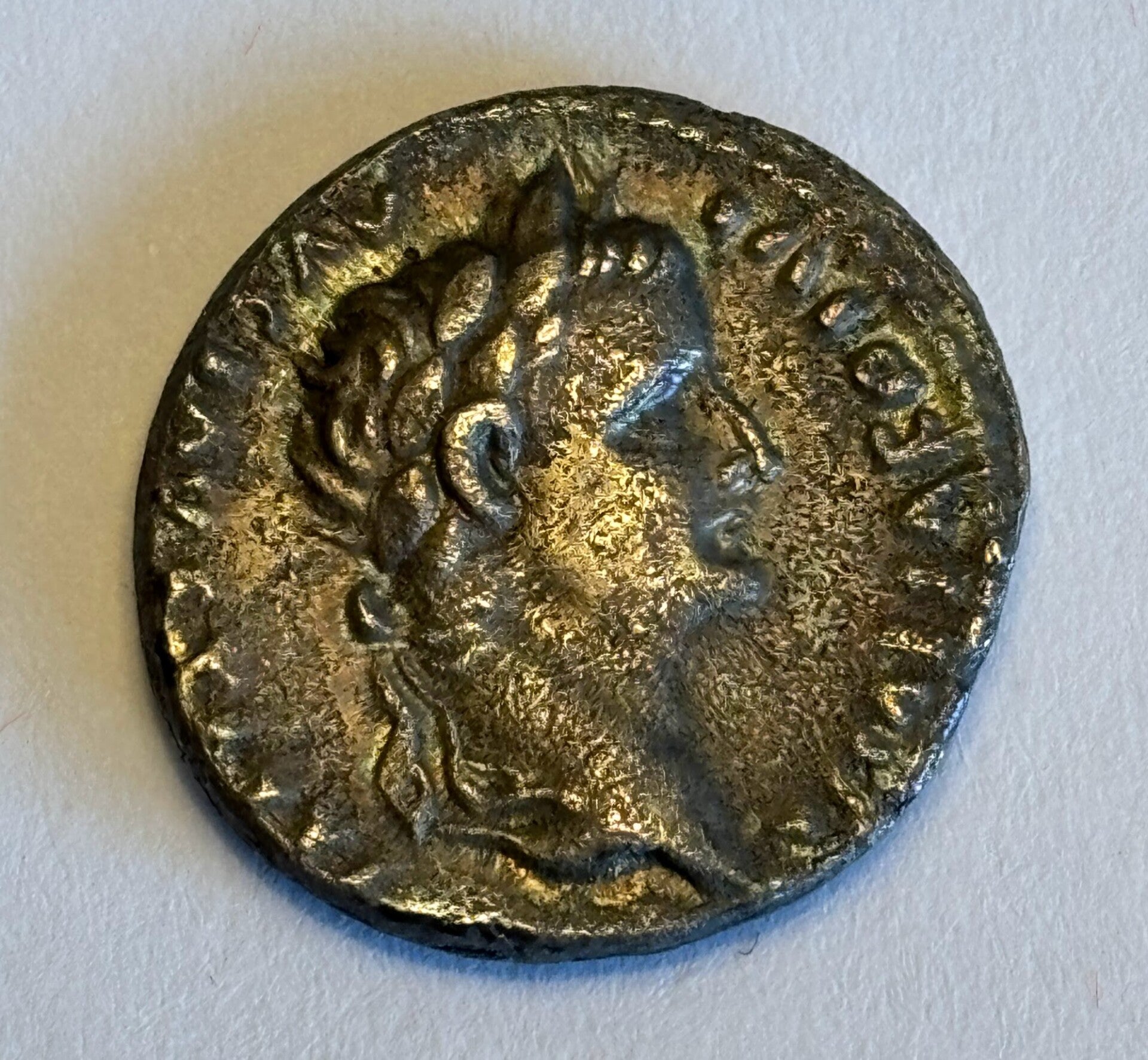
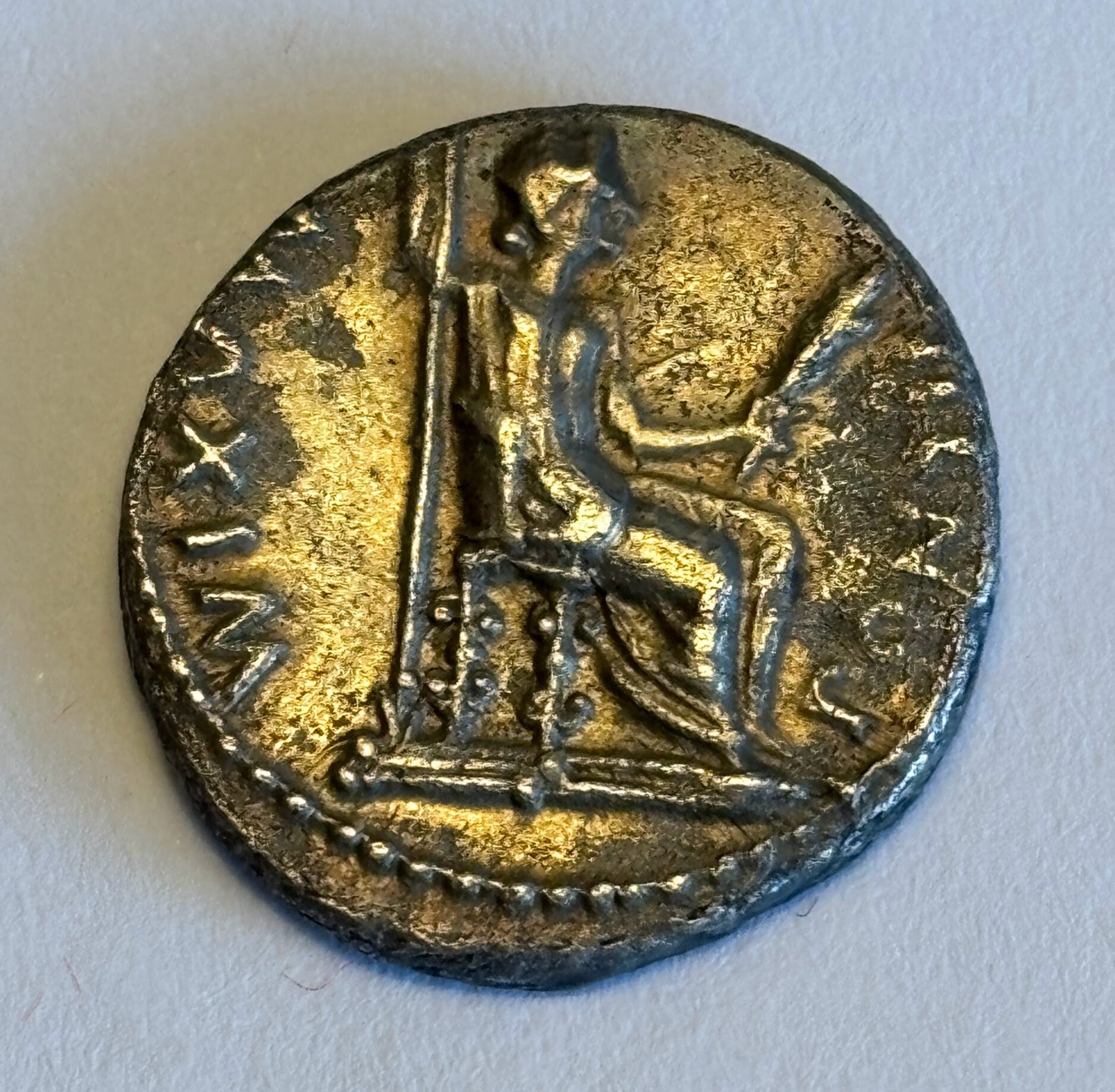
108. Tiberius (14-37) - Livia Seated
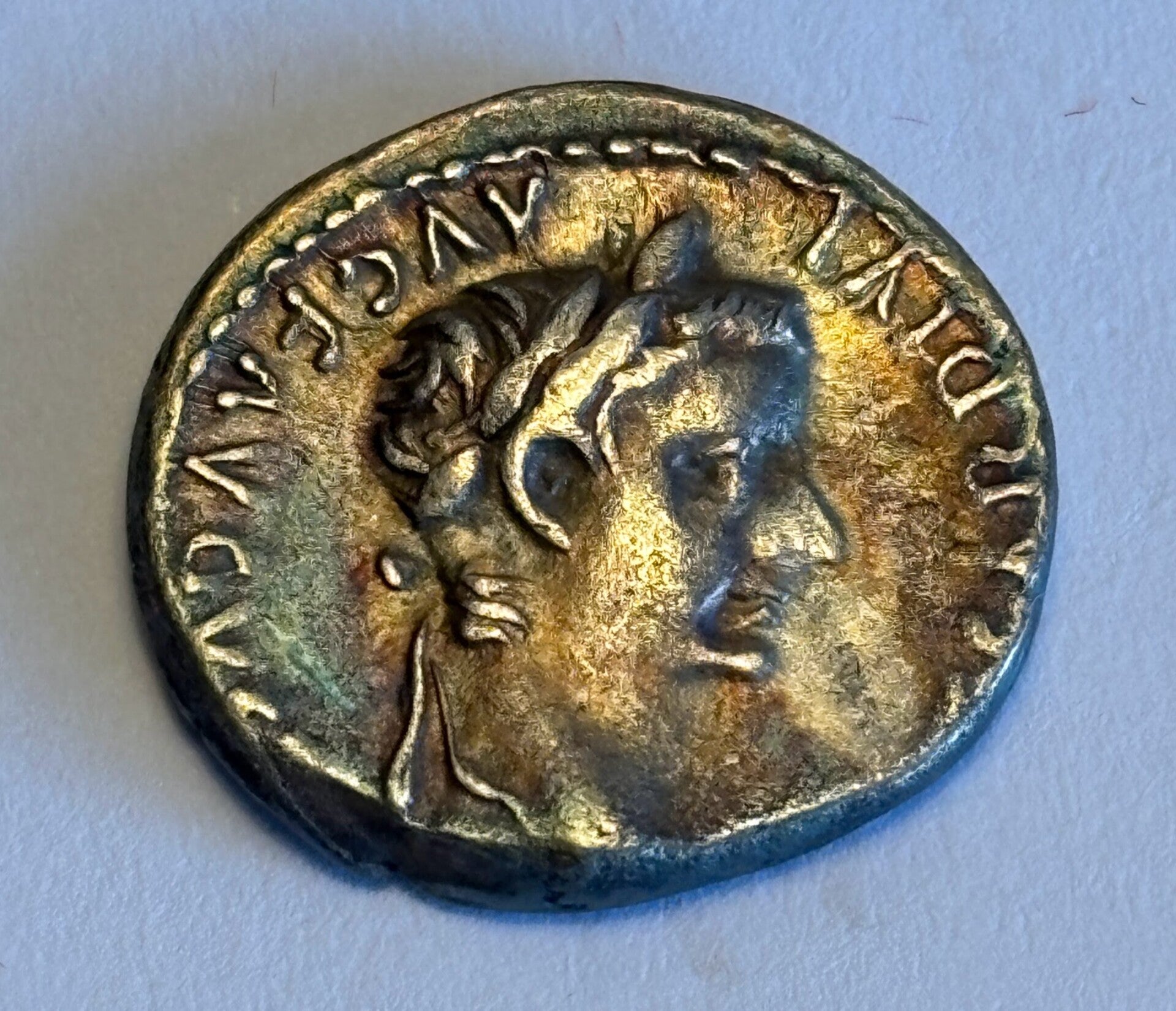
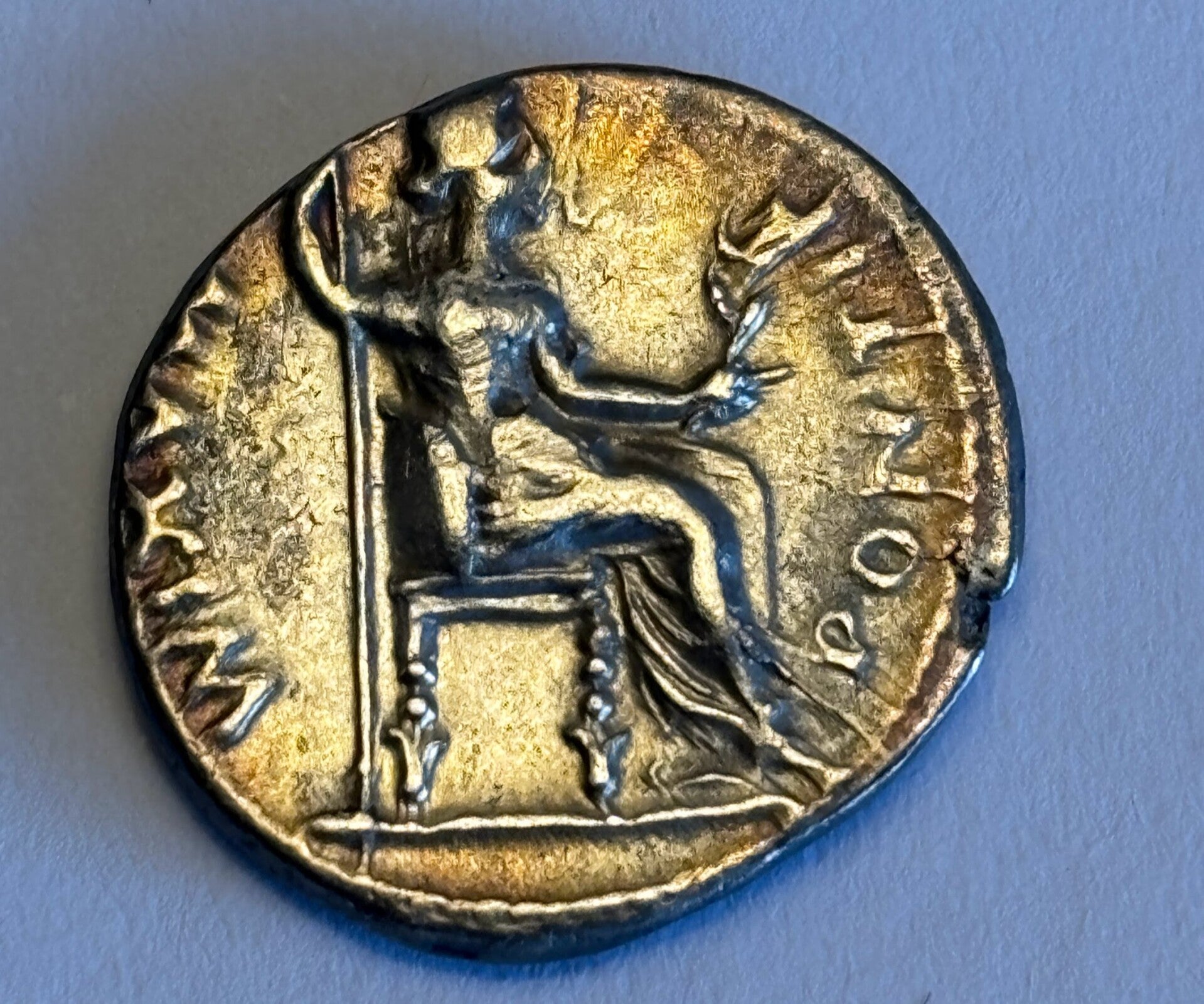
367. Tiberius (14-37) - Tiberius & Drusus (23 AD)
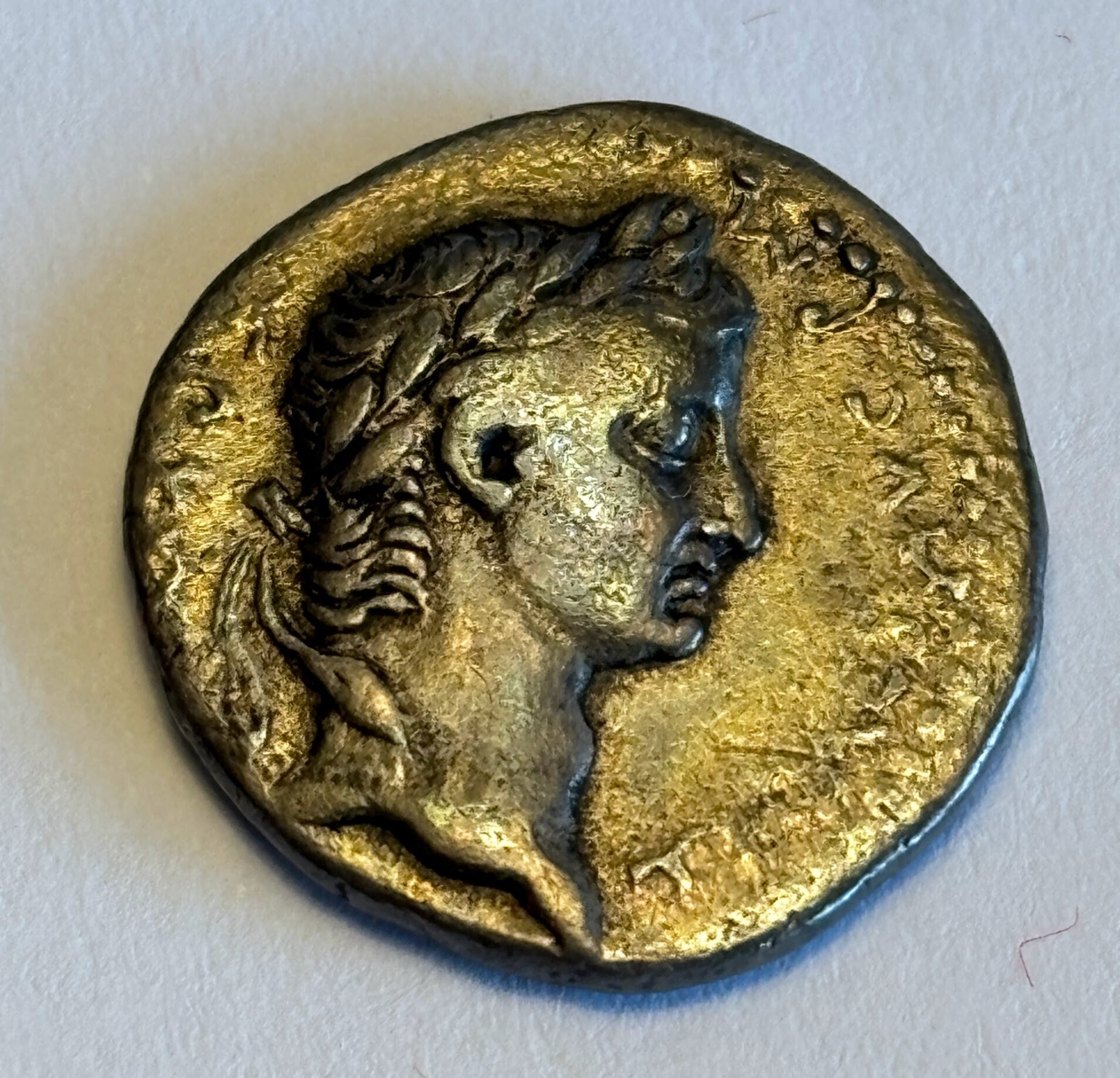
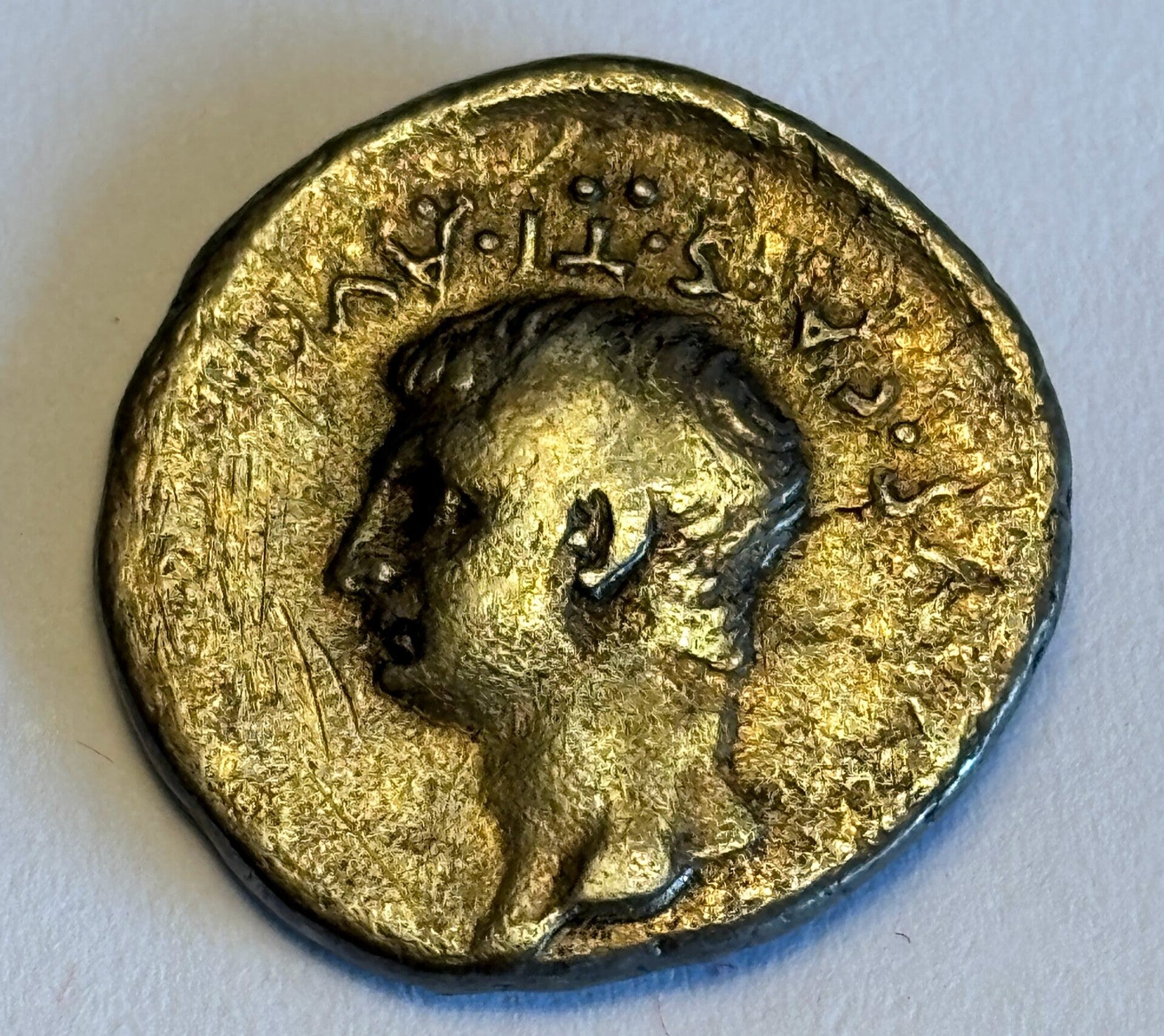
343. Tiberius (14-37) - Divus Augustus / Livia Seated
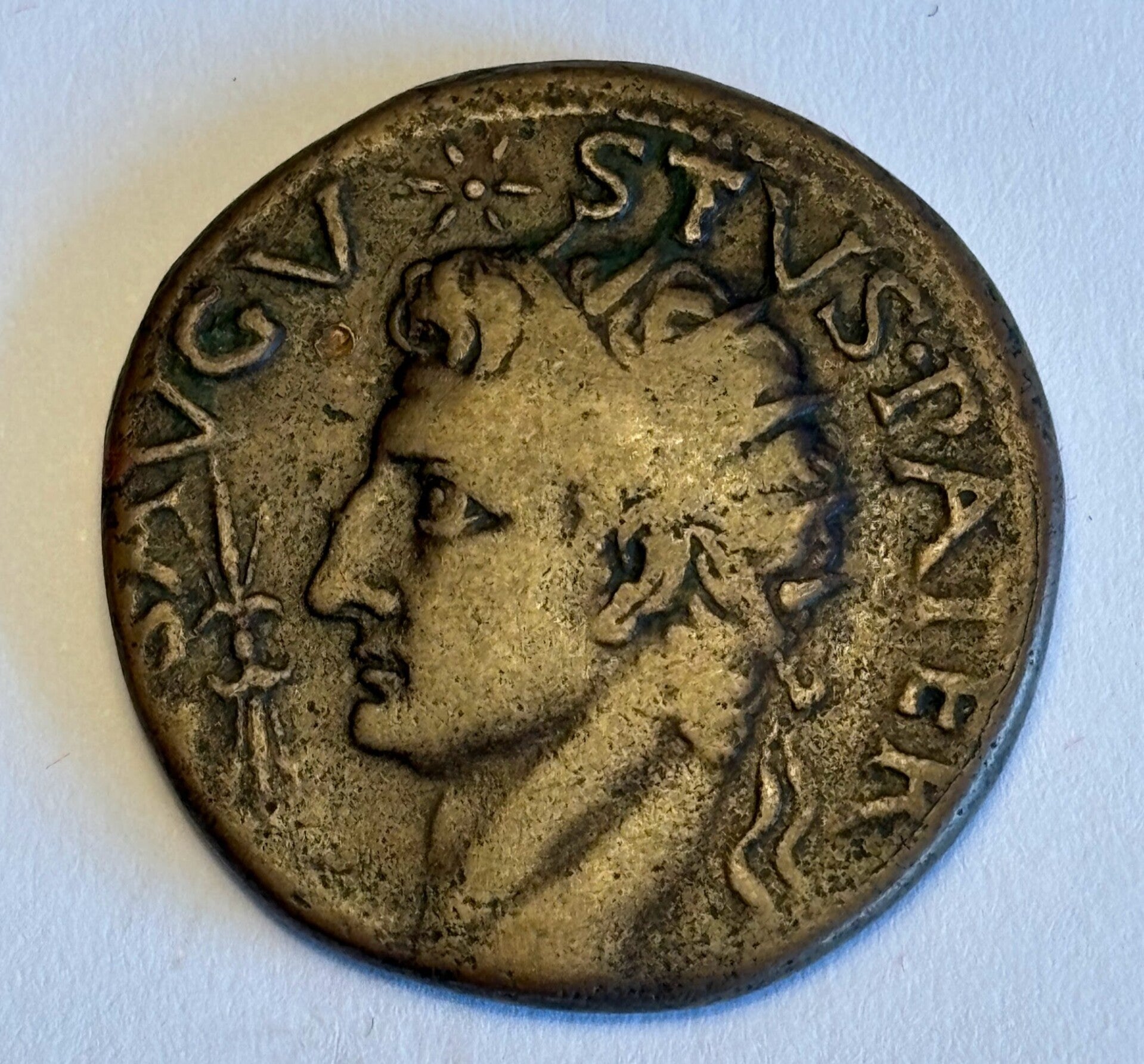
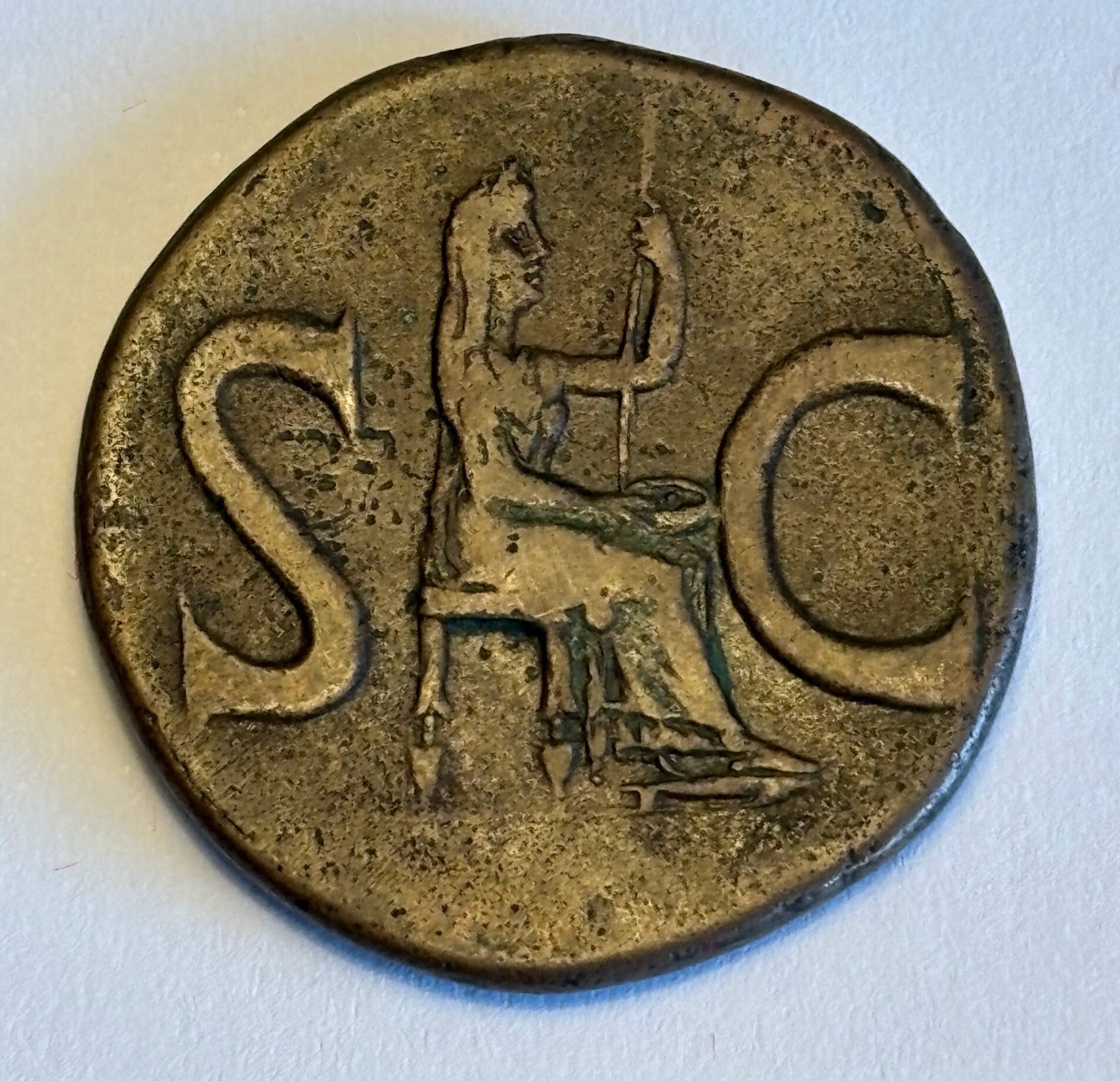
28. Tiberius (14-37) - Two Colonists Plowing
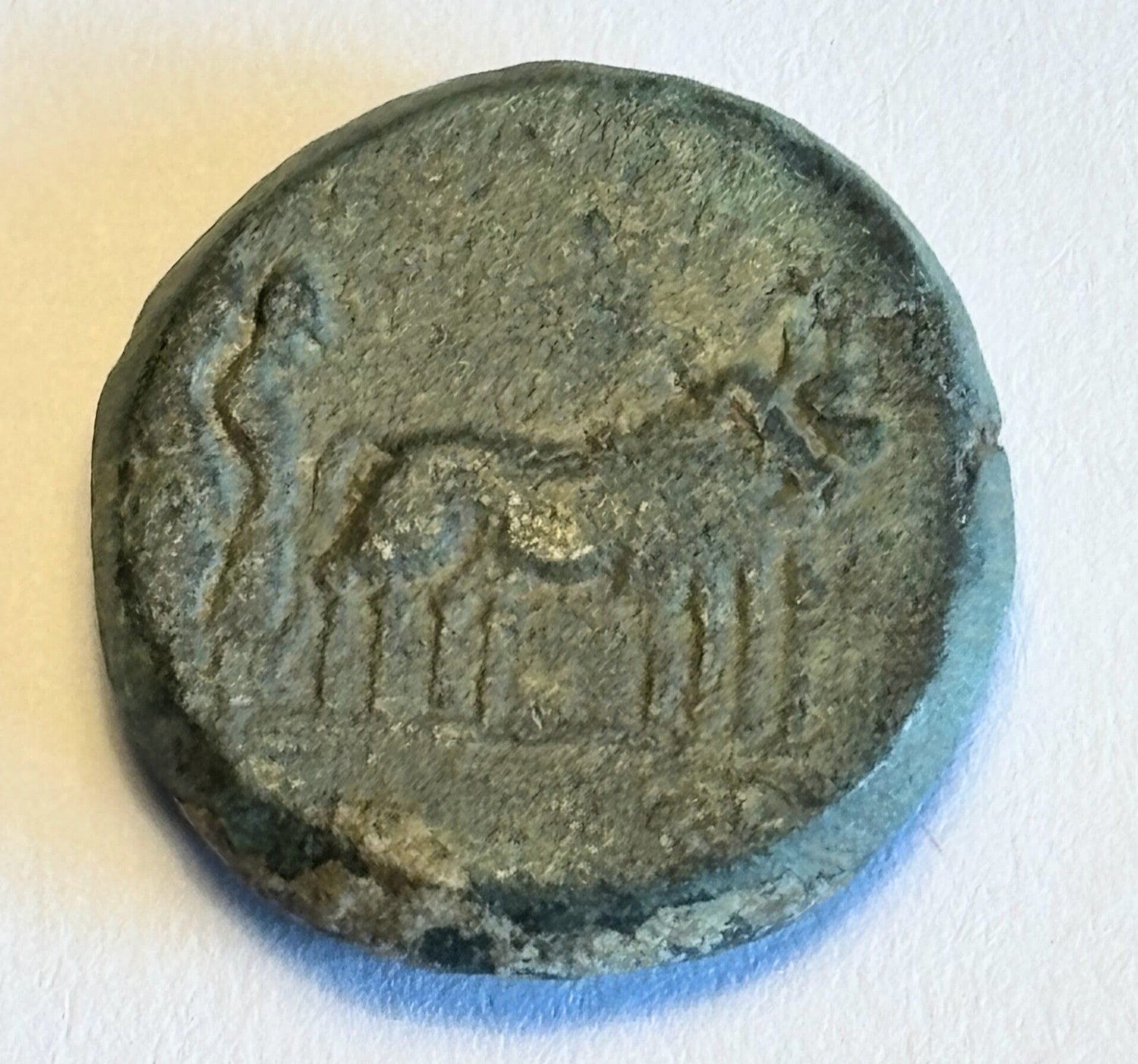

Caligula (AD 37–41) was Rome’s third emperor and one of its most infamous. Born Gaius Julius Caesar Germanicus, he was the beloved son of the popular general Germanicus, and his childhood nickname “Caligula” (“little boots”) followed him into history. His reign began with promise—generous public spending, political amnesties, and strong support from the people—but soon descended into instability. Ancient writers describe erratic behaviour, financial excess, and brutal purges, though modern historians debate how much is fact and how much is hostile senatorial propaganda. Caligula promoted his own divinity, expanded palace influence, and undertook ambitious building projects, but his increasingly autocratic rule alarmed the Praetorian Guard. In January AD 41 he was assassinated, ending one of the most dramatic and controversial reigns of the early Roman Empire.
Caligula used his coinage as bold, immediate propaganda, projecting a ruler who intended to break from Tiberius’ austerity and revive the glamour of the Julio‑Claudian house. His issues emphasise dynastic display — honouring his parents Germanicus and Agrippina, elevating his sisters to near‑divine status, and presenting himself as the rightful heir of Augustus. The famous denarius showing Caligula with Agrippina the Younger, Drusilla, and Julia Livilla is one of the most striking statements of imperial family power in the entire series. Even in bronze, Caligula’s coinage radiates confidence, ceremony, and a deliberate assertion of personal and familial prestige, capturing the theatrical character of his short, turbulent reign.
386. Caligula (37-41) - Head of Caligula / Vesta Seated
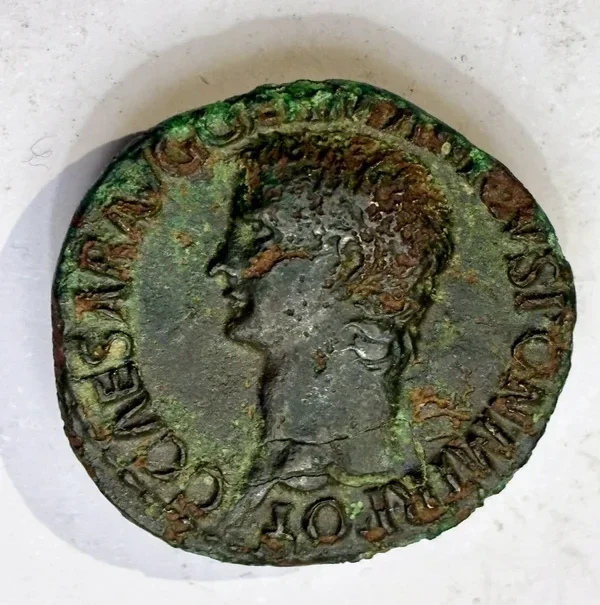
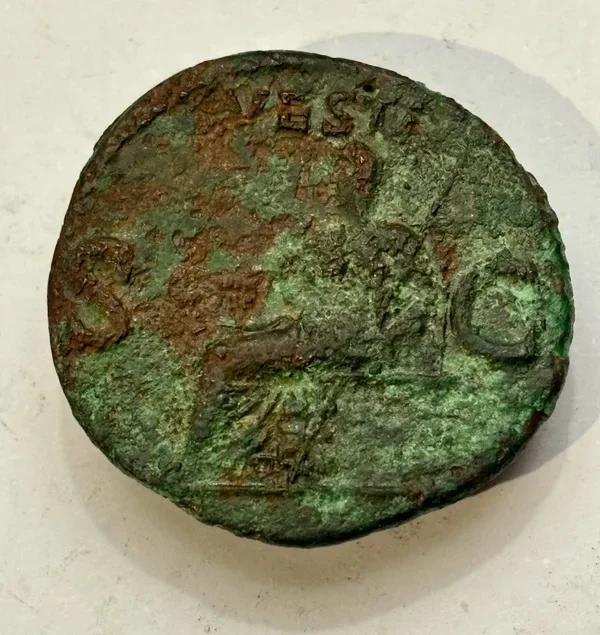
385. Caligula (37-41) - Head of Caligula / Vesta Seated
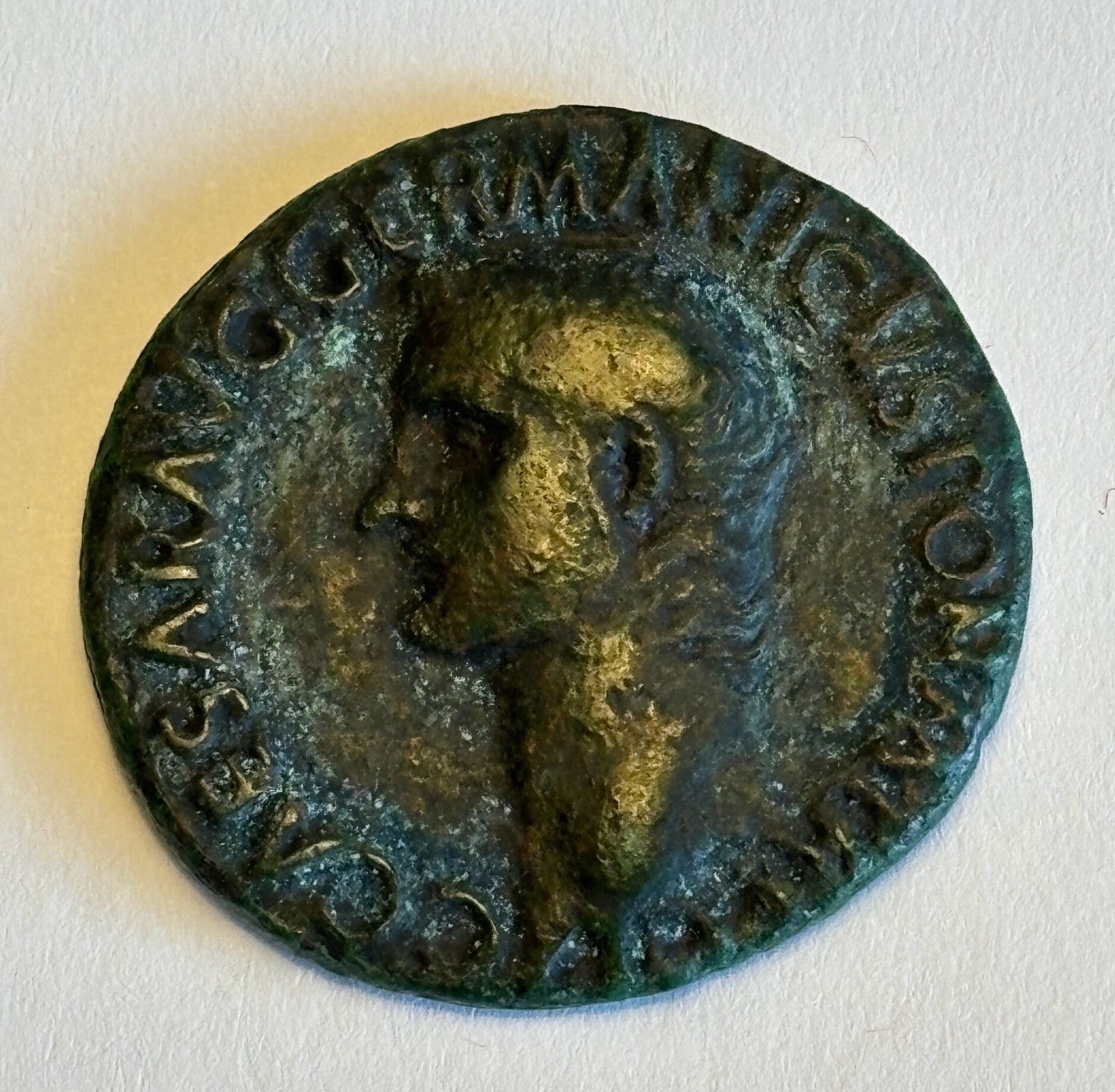
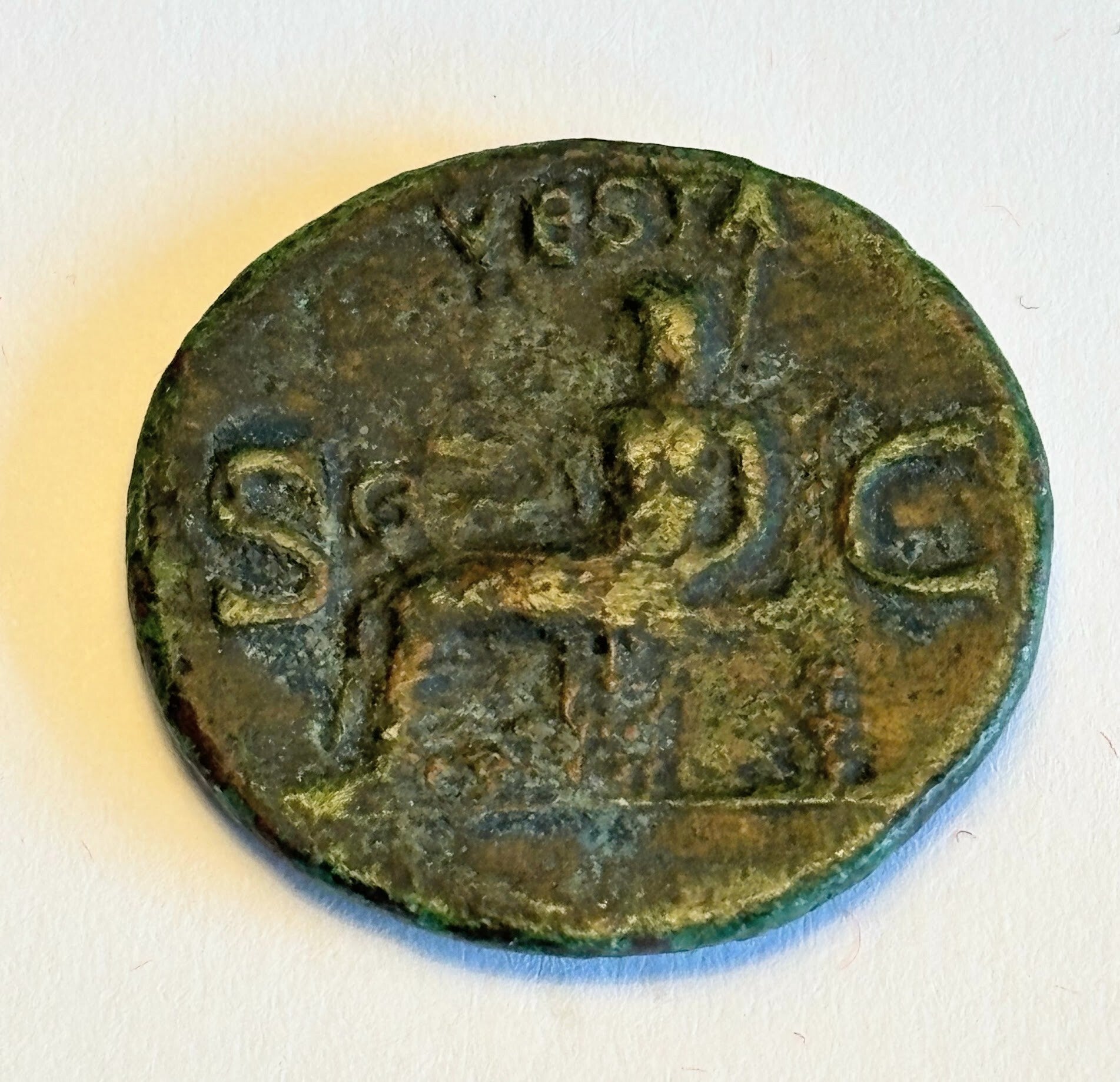
105. Caligula (37-41) - Head of Caligula / Vesta Seated
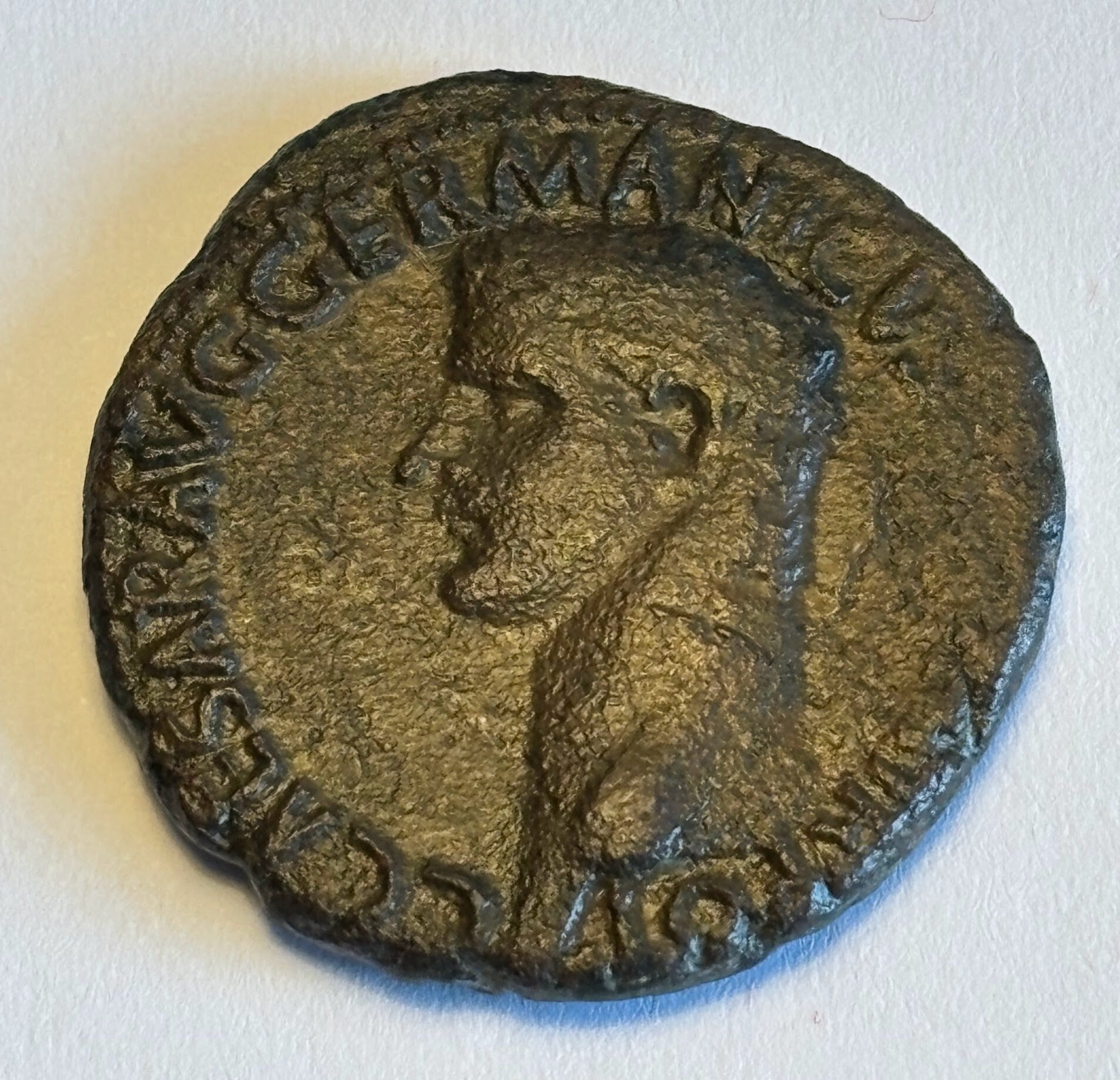
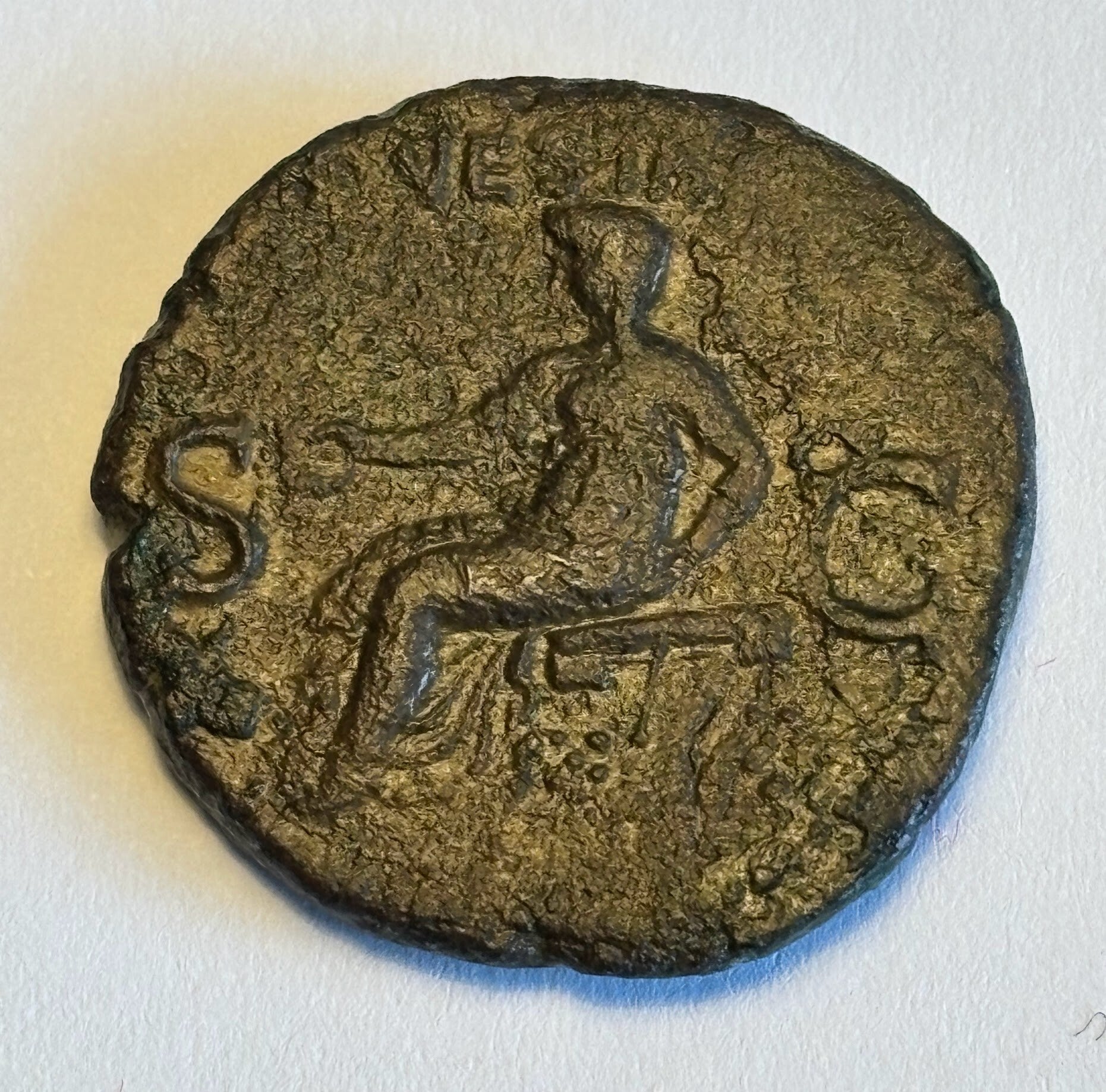
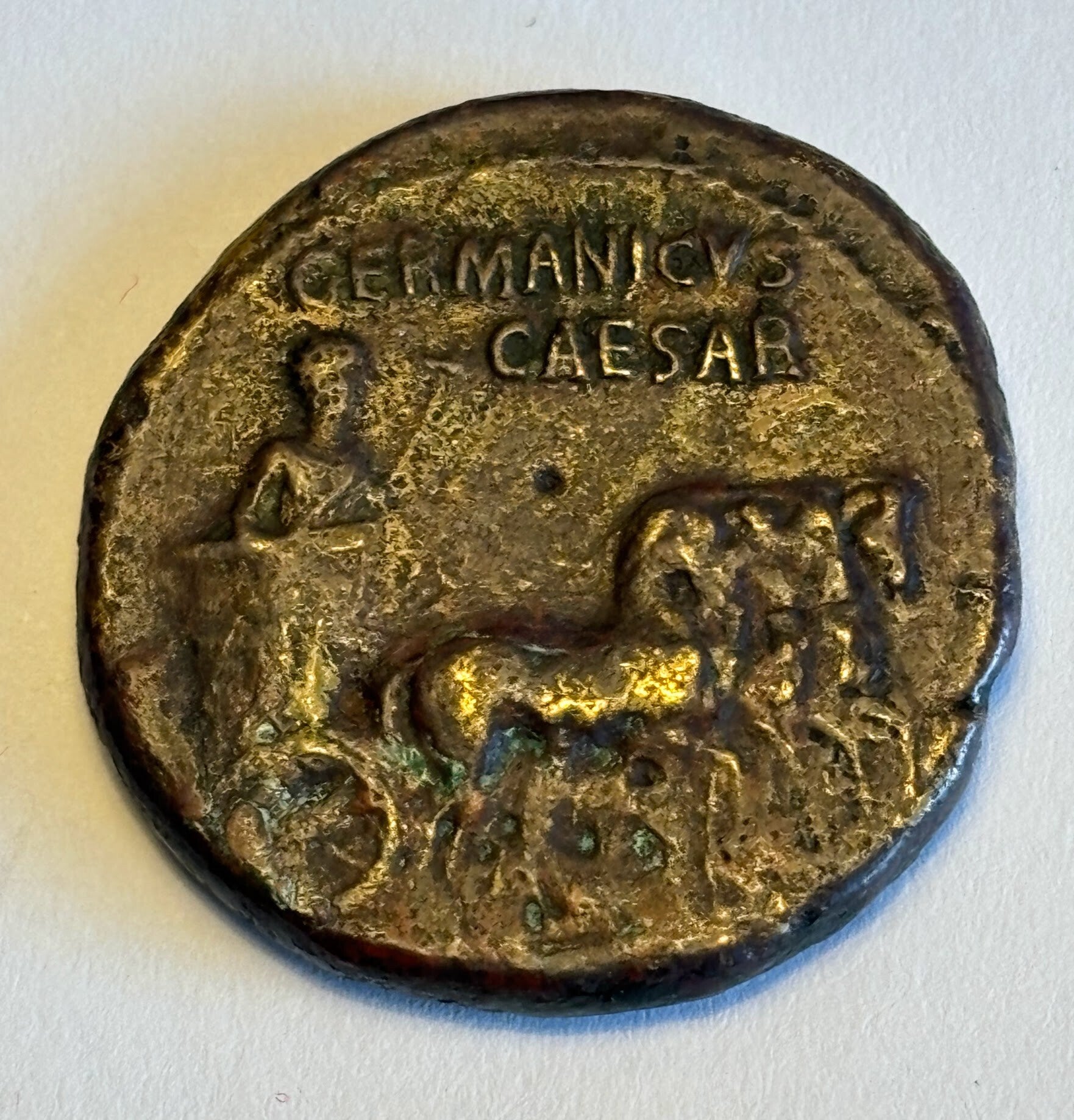
336. Caligula (37-41) - Germanicus in Quadriga
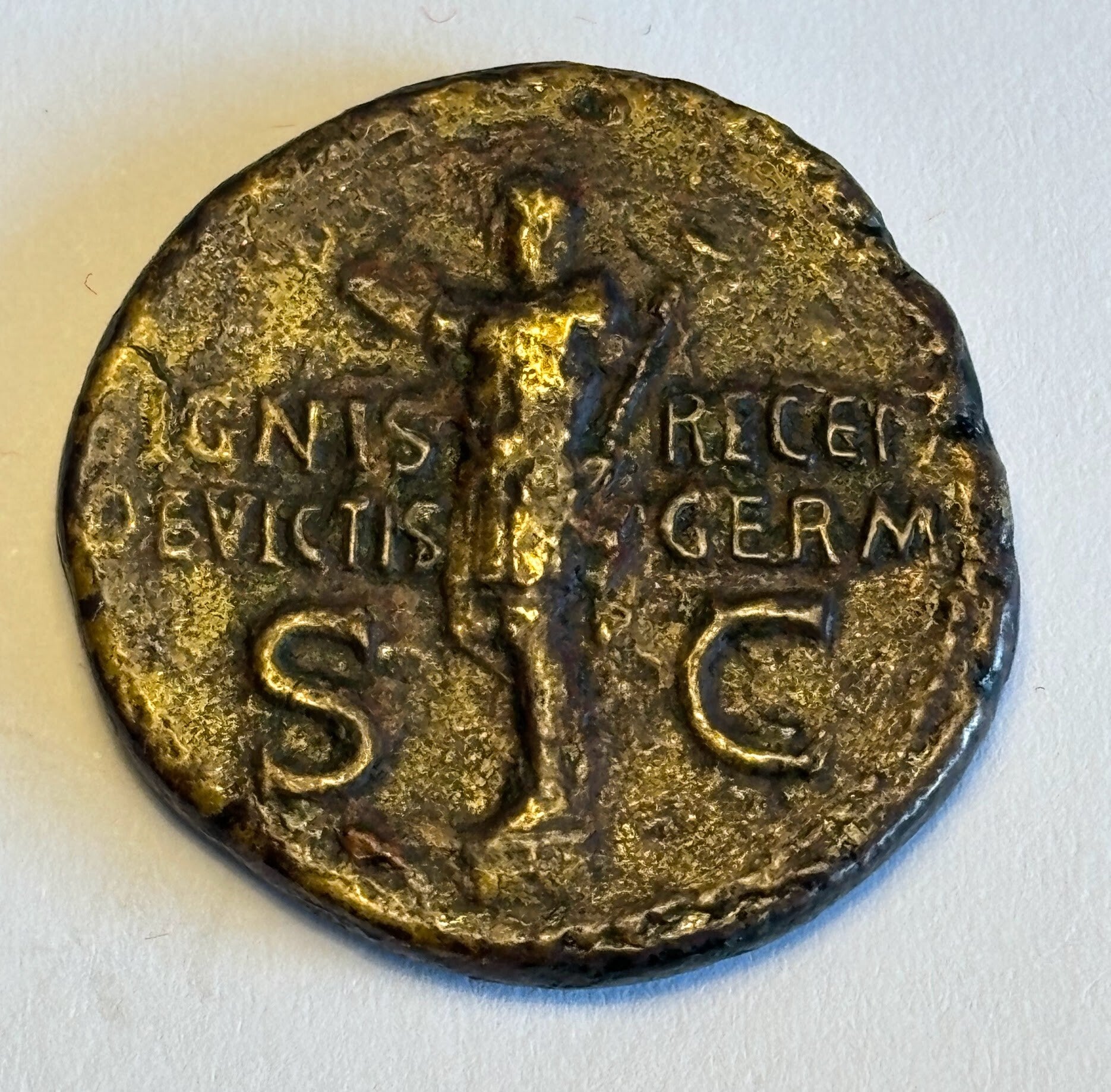
209. Caligula (37-41) - Agrippina the Elder (mother of Caligula)
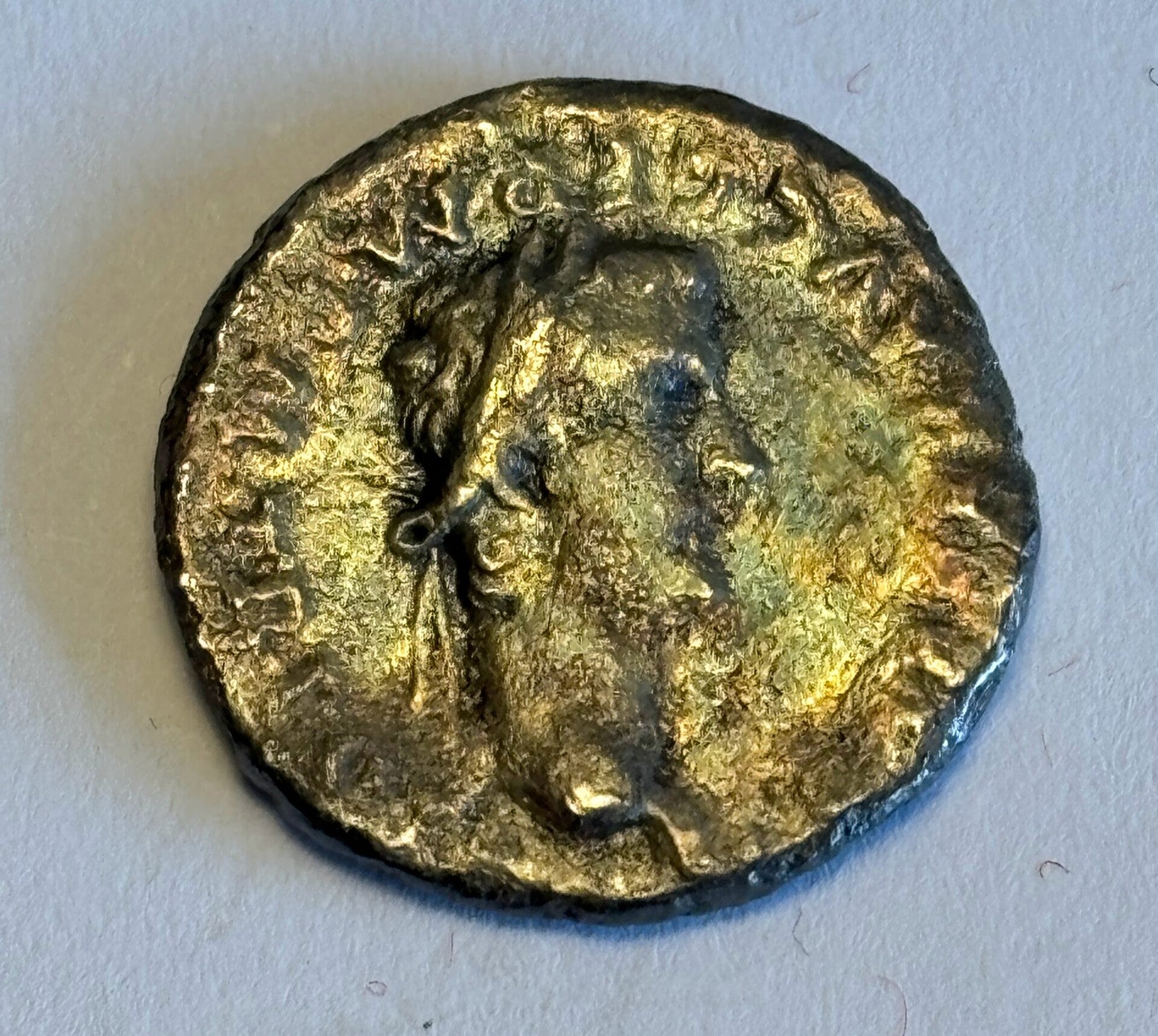
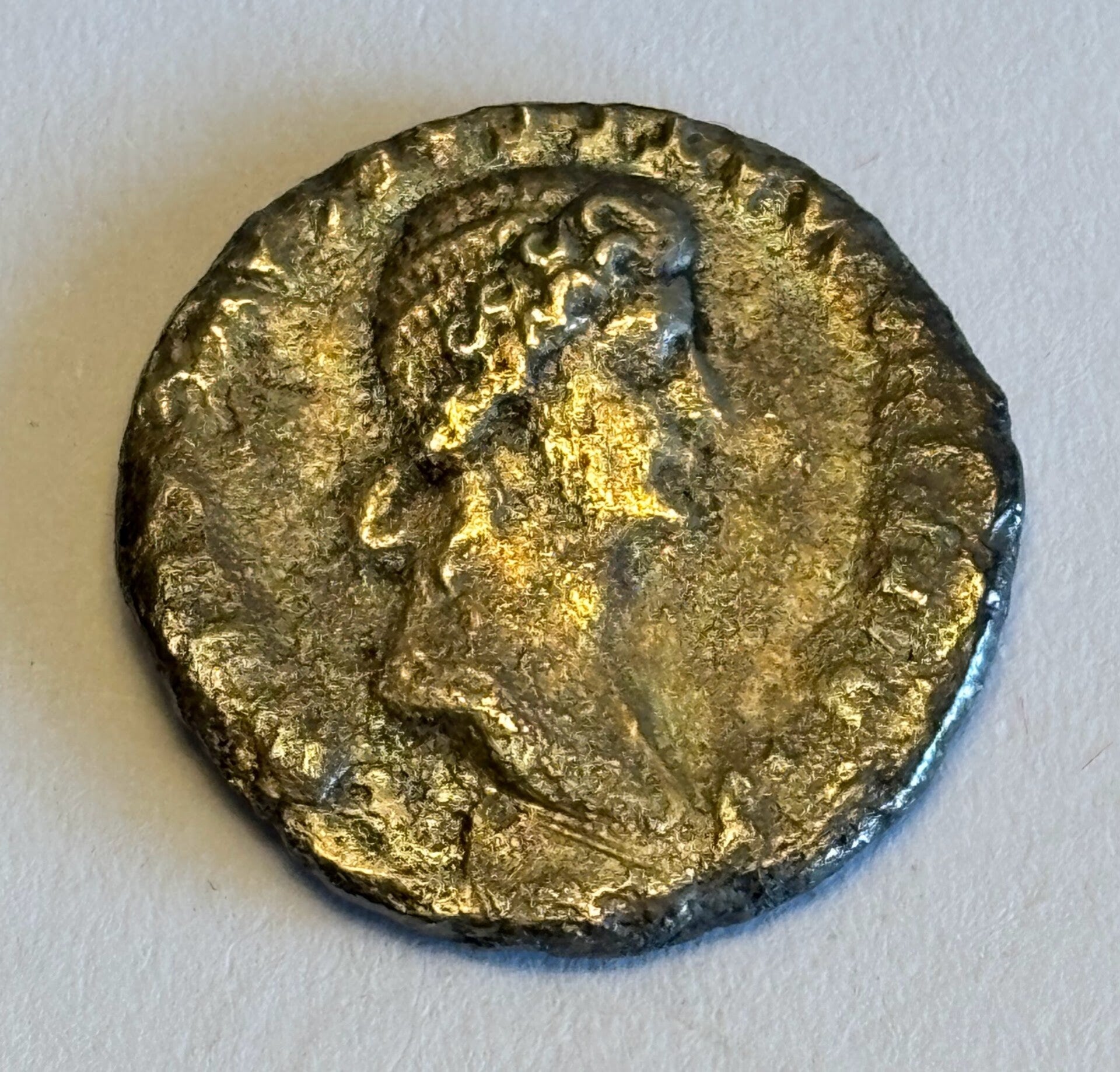
395. Caligula (37-41) - R.C.C / Pileus
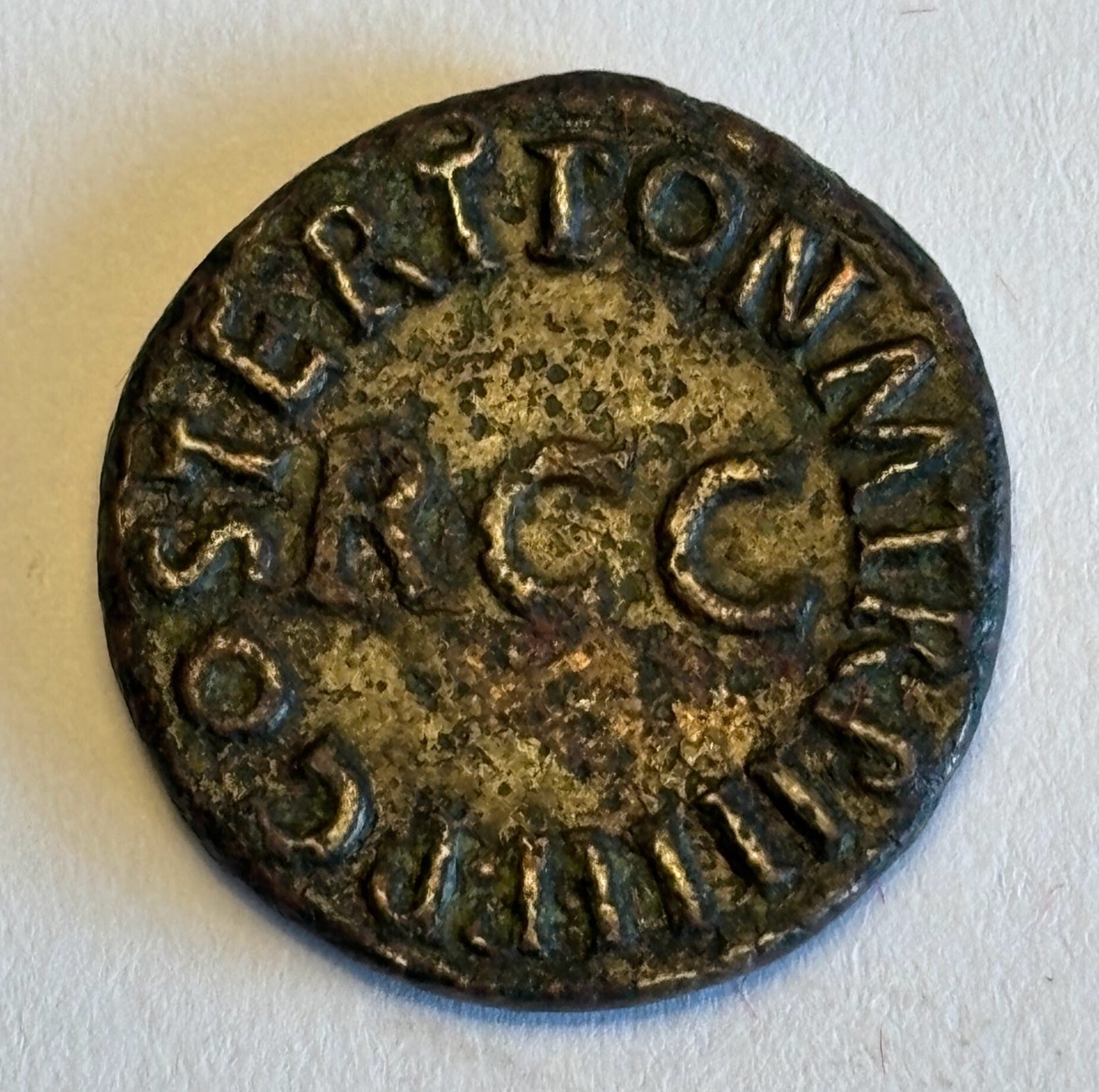
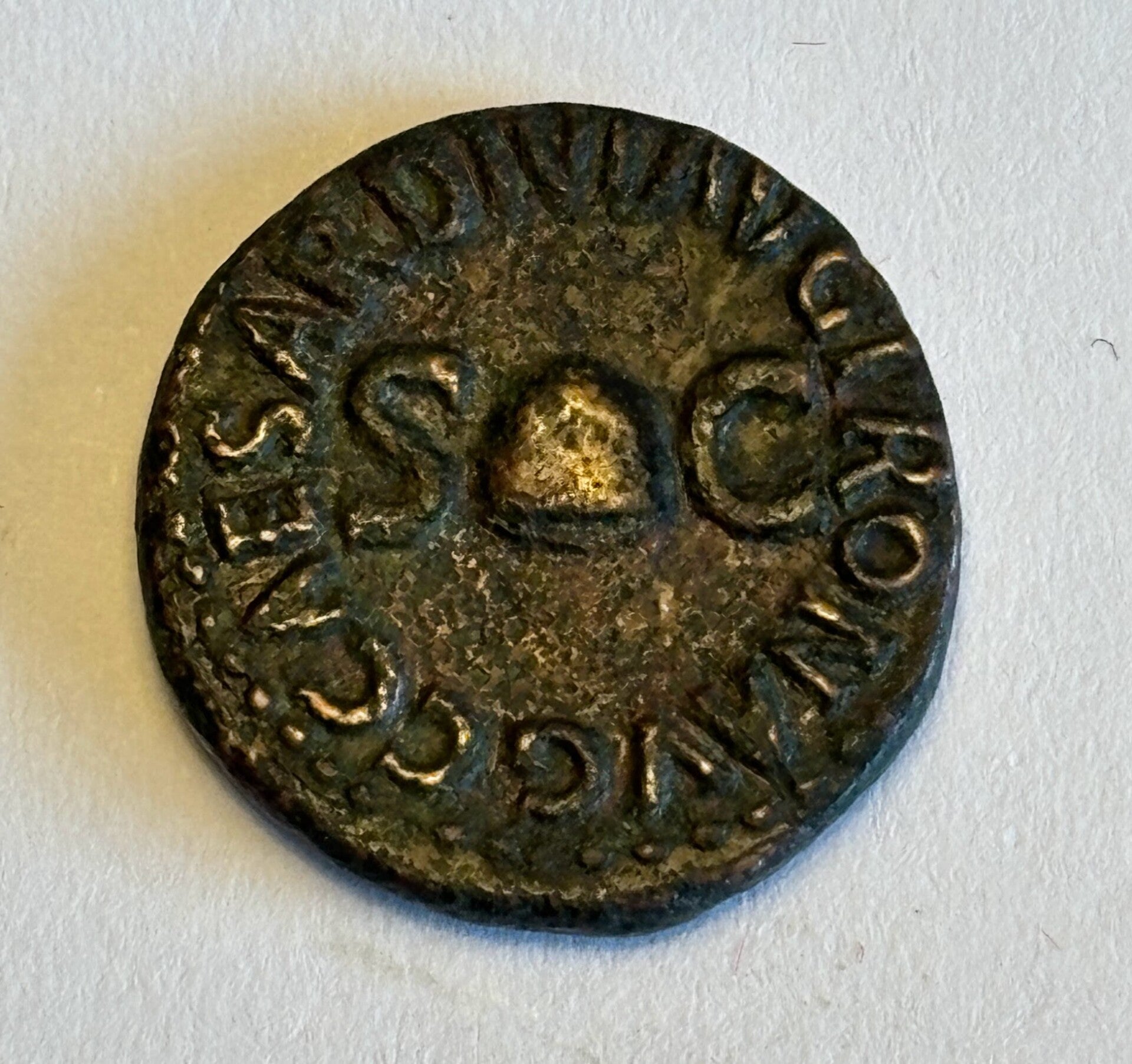
279. Drusus (37-38) - Head of Germanicus - minted under Caligula
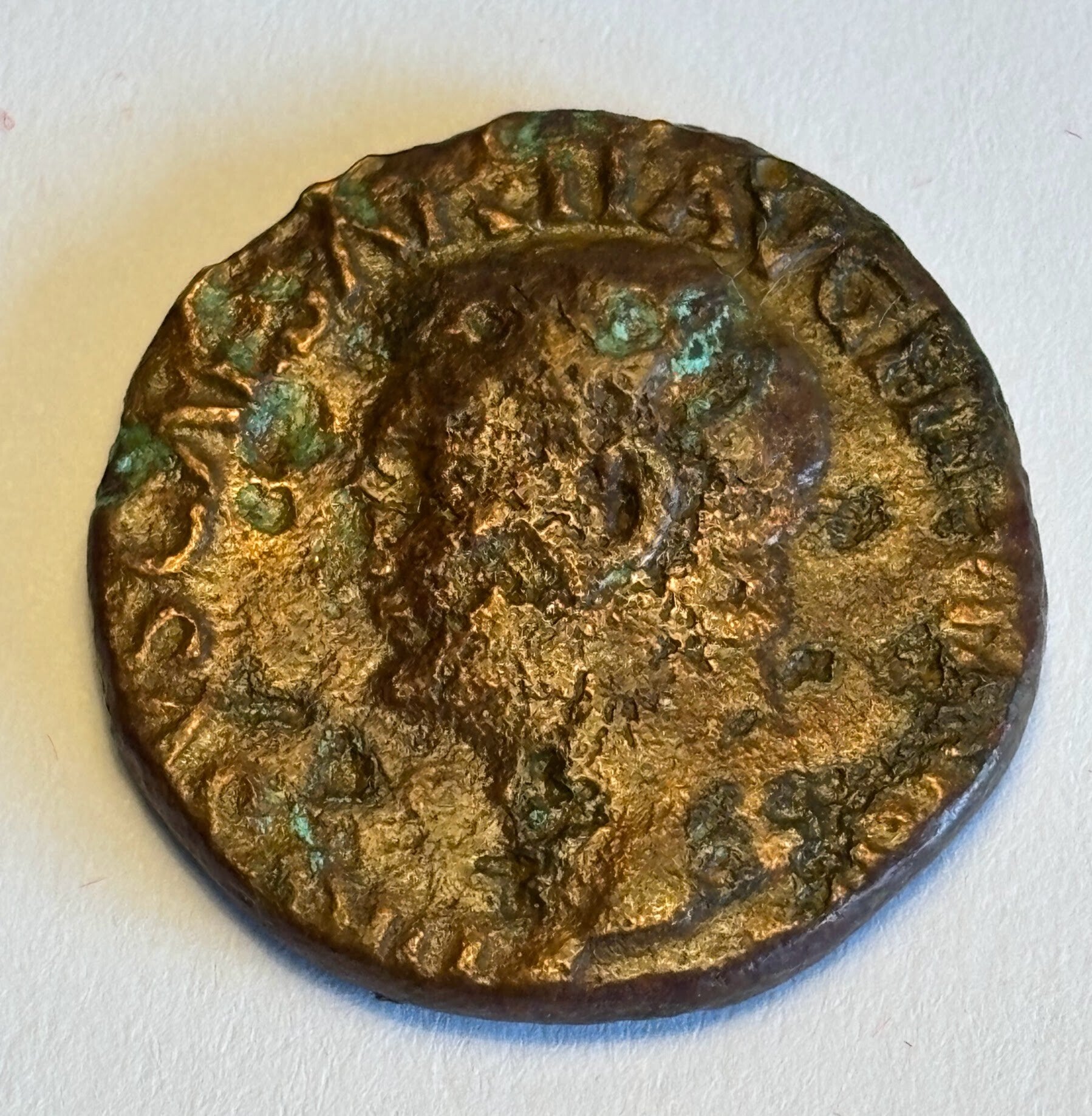
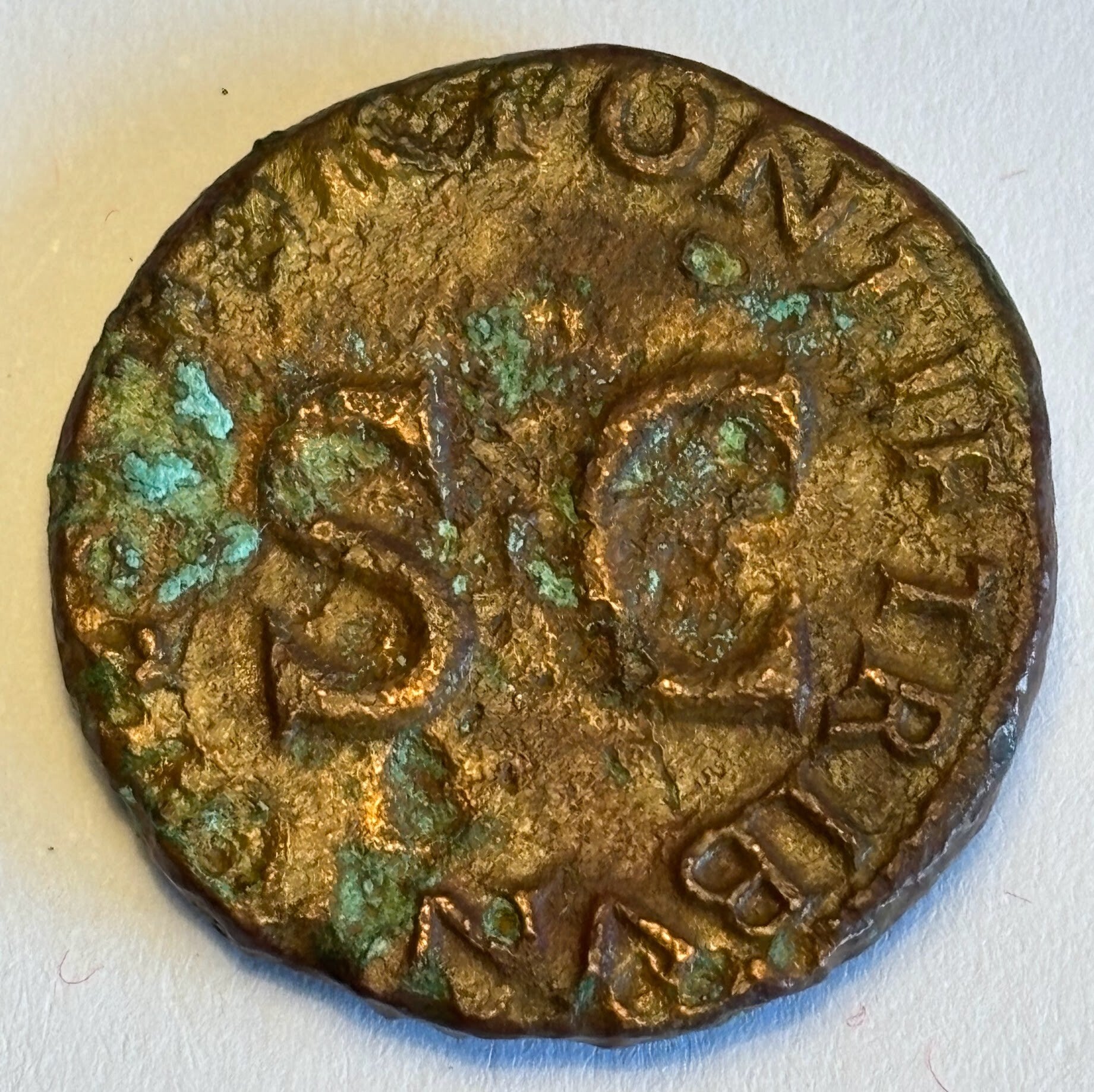
Claudius (10 BC–AD 54) was Rome’s fourth emperor and one of its most unexpected. Considered shy, bookish, and physically frail, he had lived most of his life away from public affairs, yet after Caligula’s assassination the Praetorian Guard proclaimed him emperor. Claudius proved far more capable than anyone anticipated: he expanded the empire with the successful conquest of Britain, strengthened the administration by empowering freedmen as skilled civil servants, and reformed the legal system with his own careful scholarship. His reign was stable and productive, though marked by palace intrigue and the growing influence of his wives and household. Claudius’ combination of intellect, caution, and surprising decisiveness left Rome stronger than he found it, and reshaped the imperial government for generations.
Claudius used his coinage to assert calm legitimacy after the chaos of Caligula’s assassination, and the themes he chose reveal a ruler determined to anchor himself in Rome’s deepest traditions. His issues celebrate public works, the restoration of old monuments, and the dignity of the Senate, projecting an emperor who governed through stability rather than spectacle. At the same time, Claudius honoured his illustrious family — especially his father Drusus — with types like the DE GERMANIS arch, linking his reign to Julio‑Claudian military glory. His coinage is steady, conservative, and quietly confident, reflecting a scholarly emperor who legitimised his rule through continuity, duty, and the revival of Rome’s past.
97. Claudius (41-54) - Minerva Advancing Right, Brandishing Javelin and Holding Shield
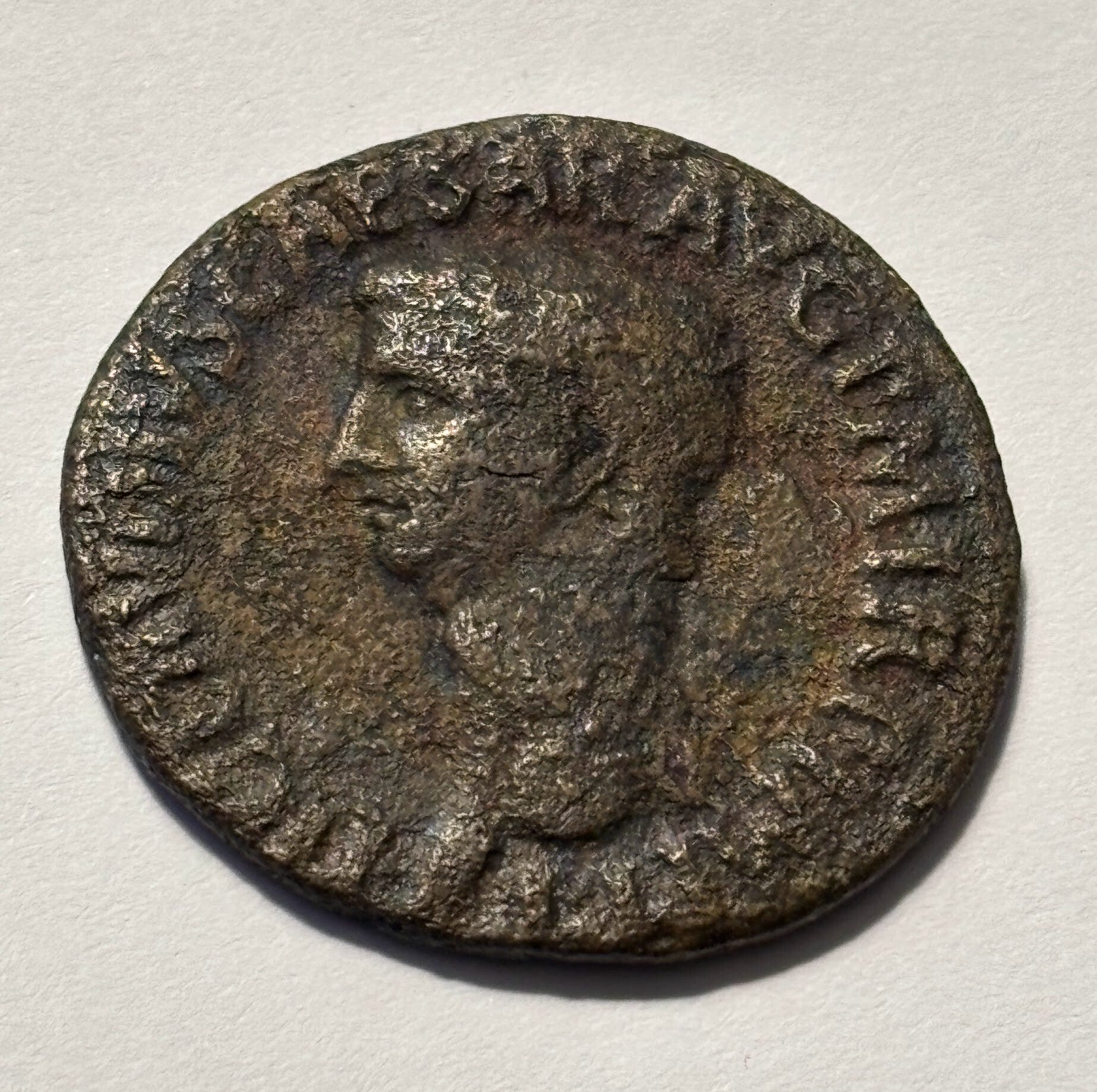
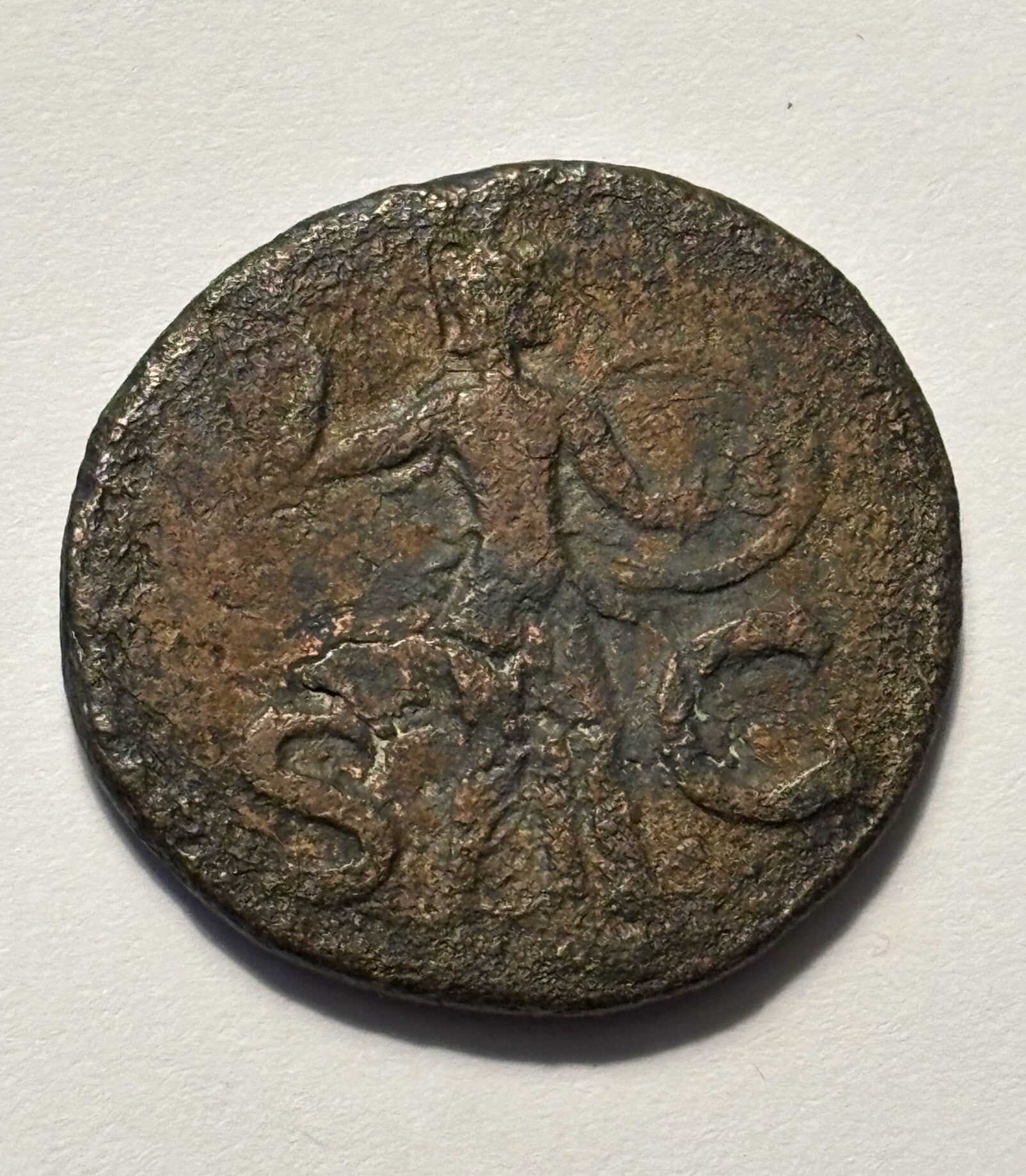
40. Claudius (41-54) - Libertas Holding Pileus
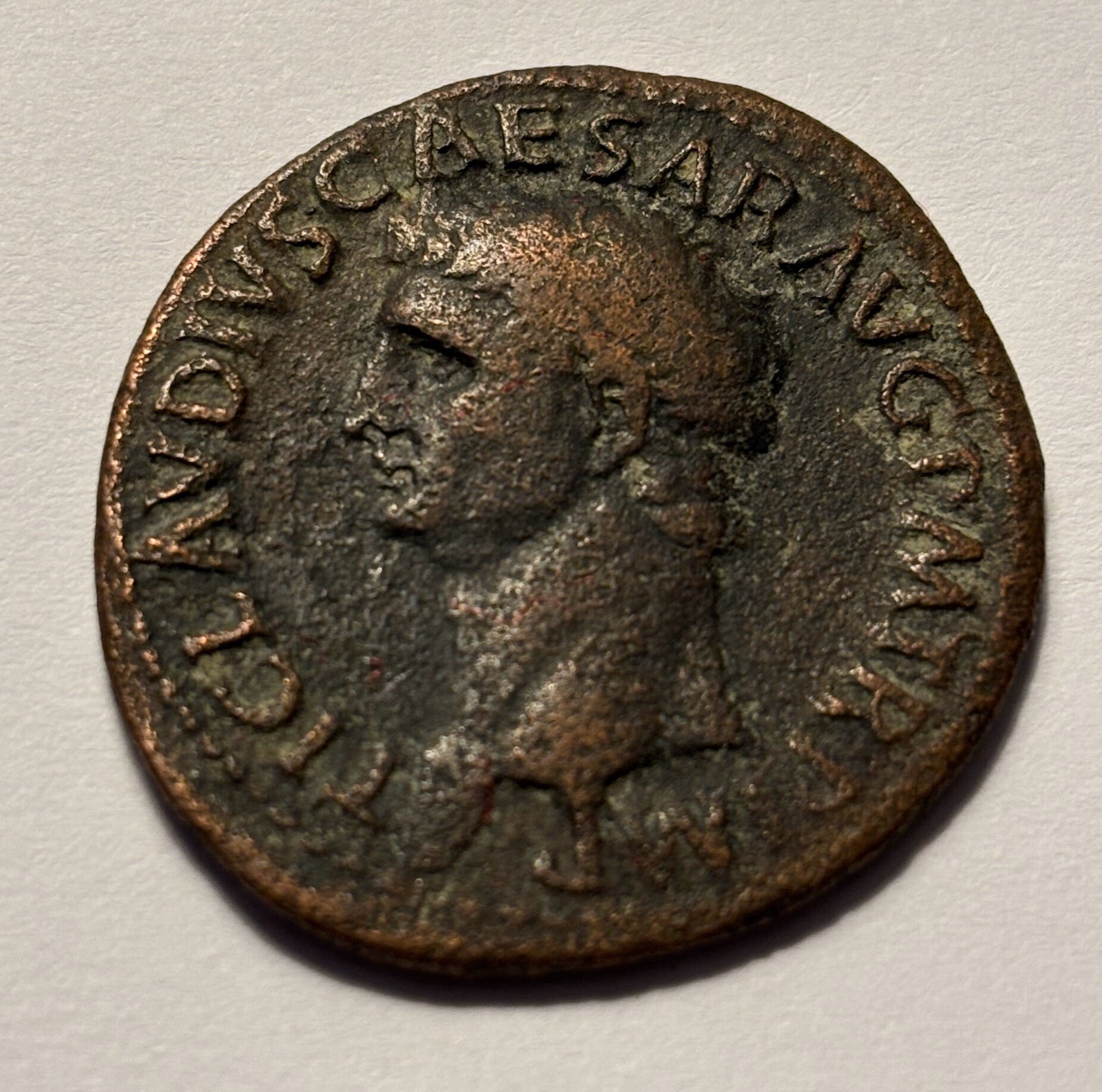
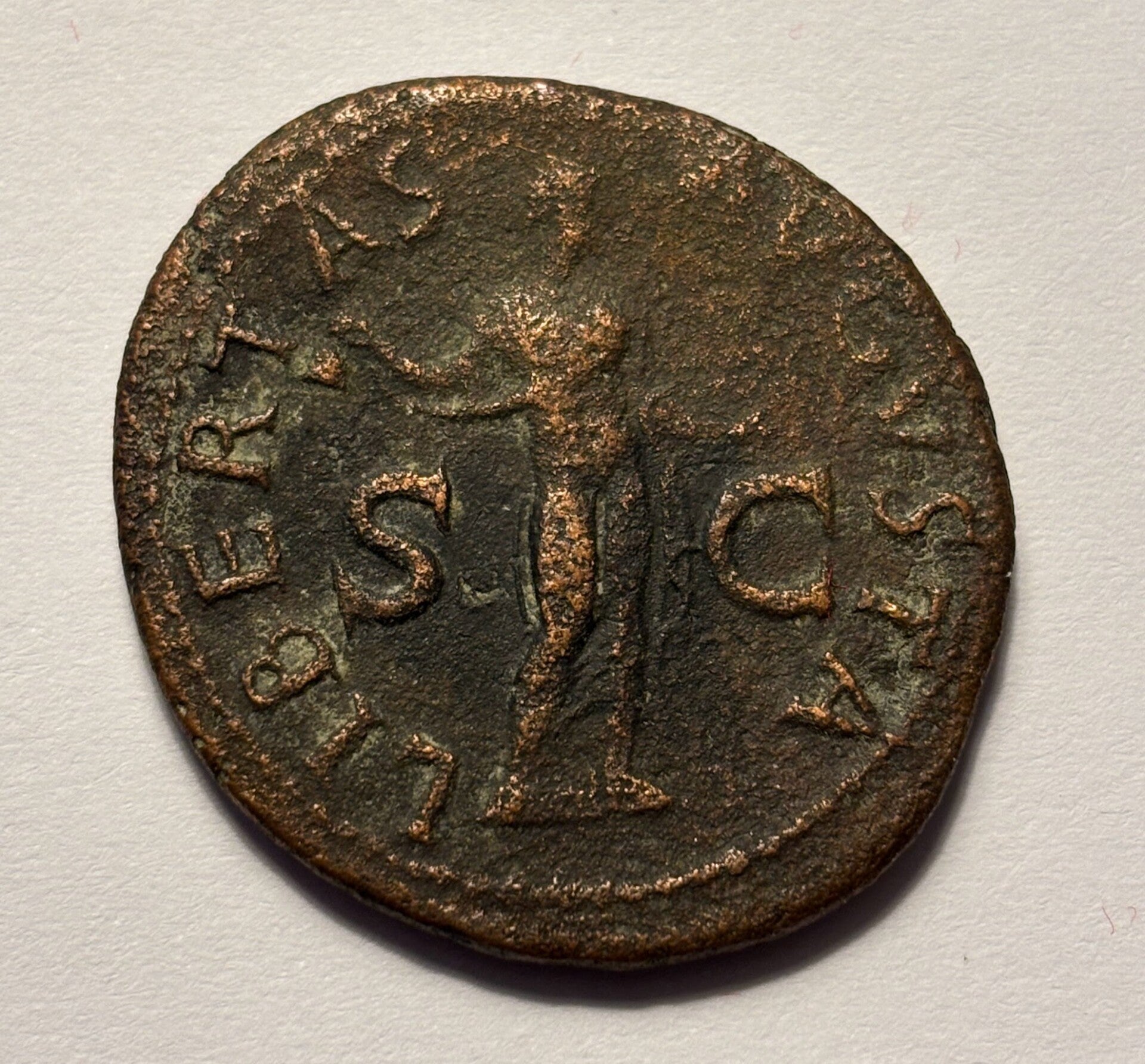
106. Claudius (41-54) - Libertas Holding Pileus
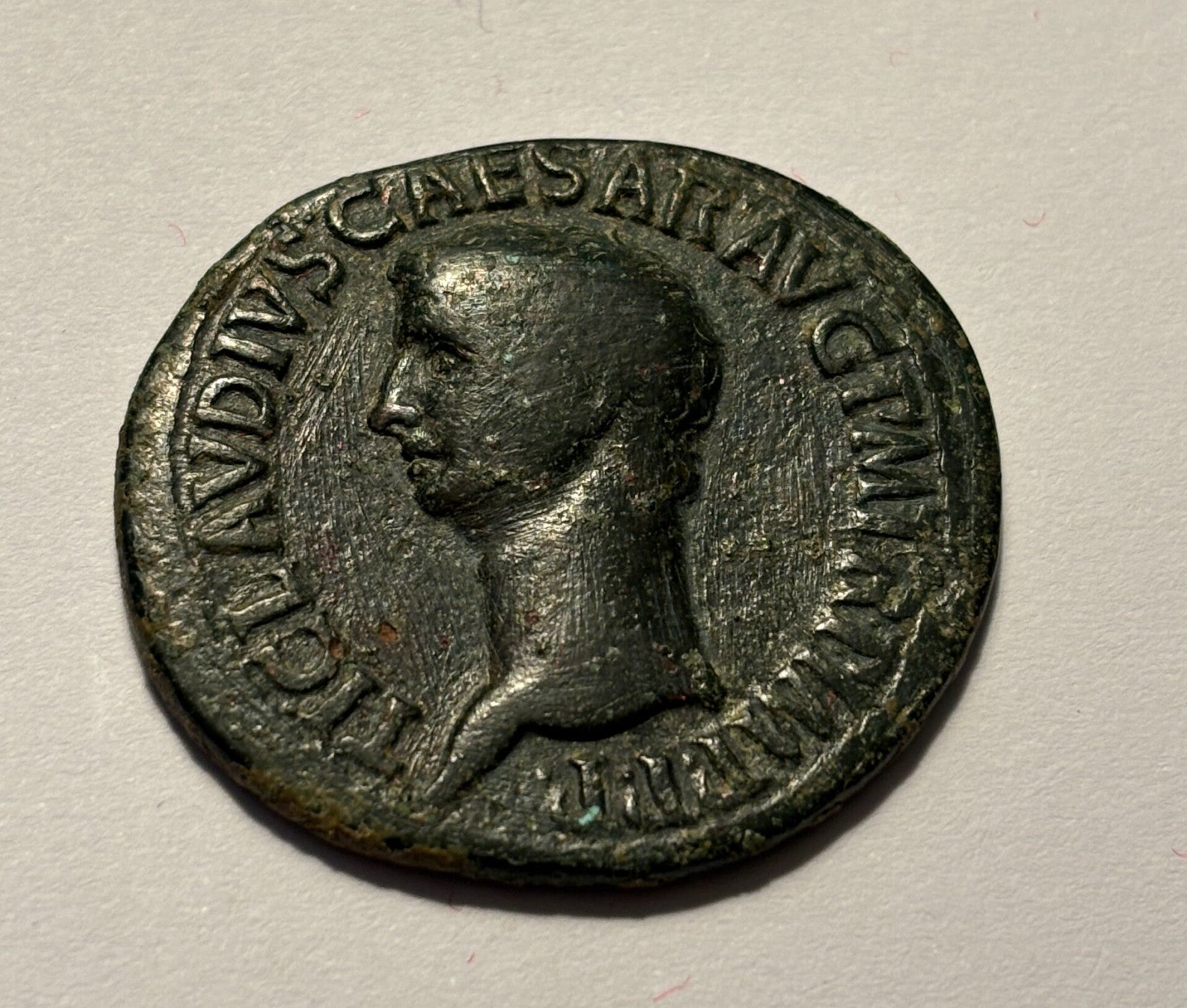
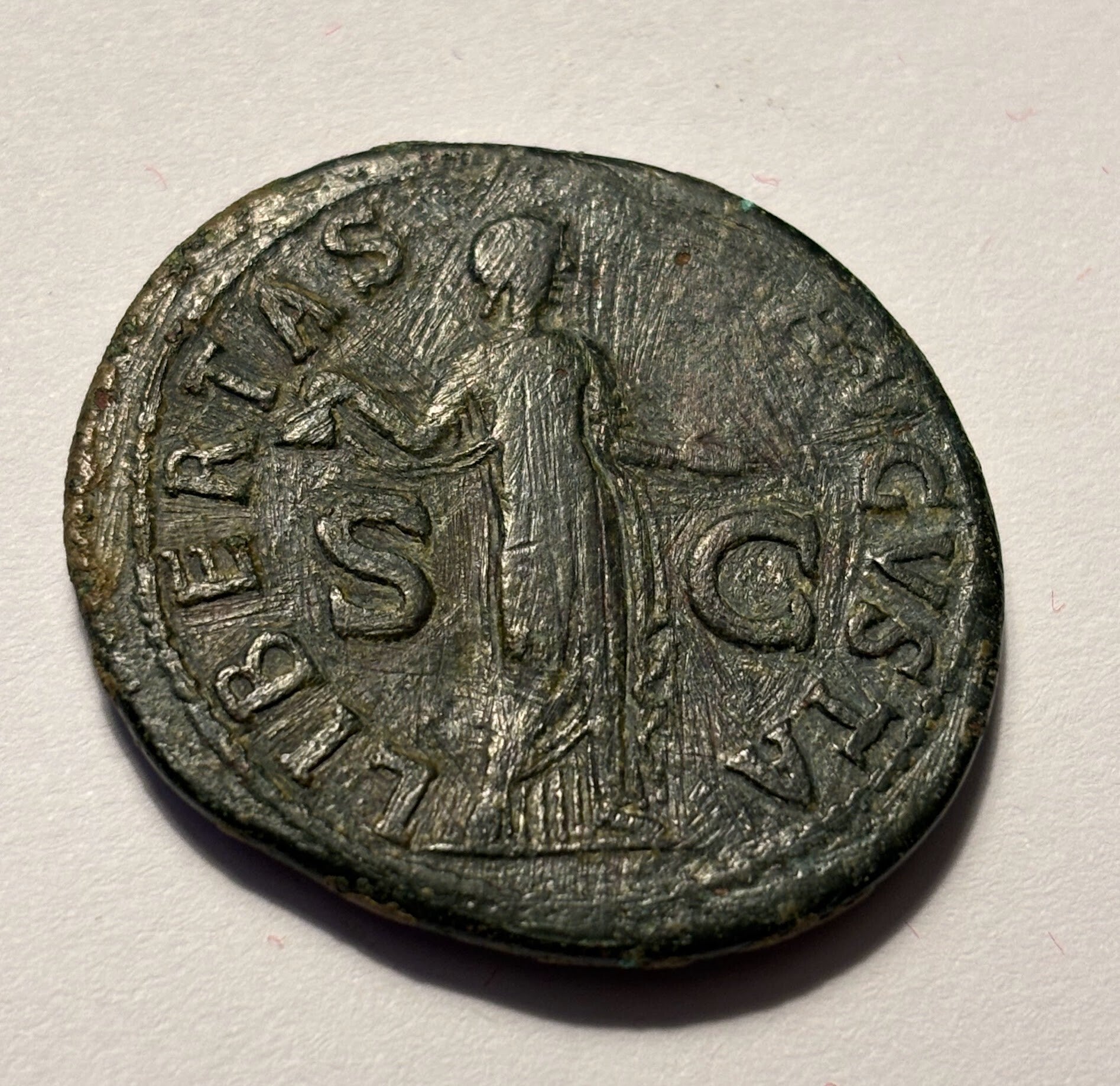
115. Claudius (41-54) - Libertas Holding Pileus
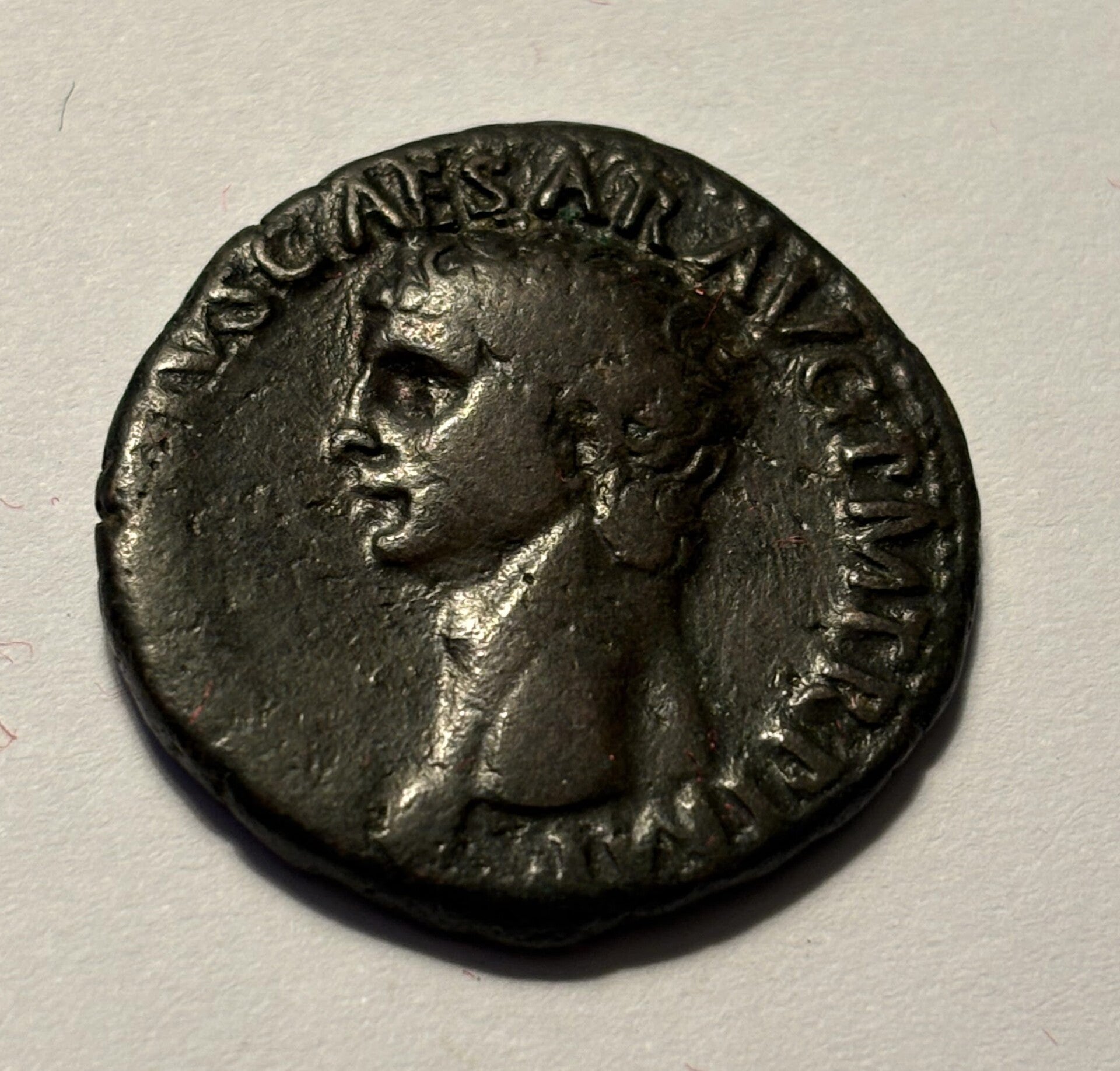
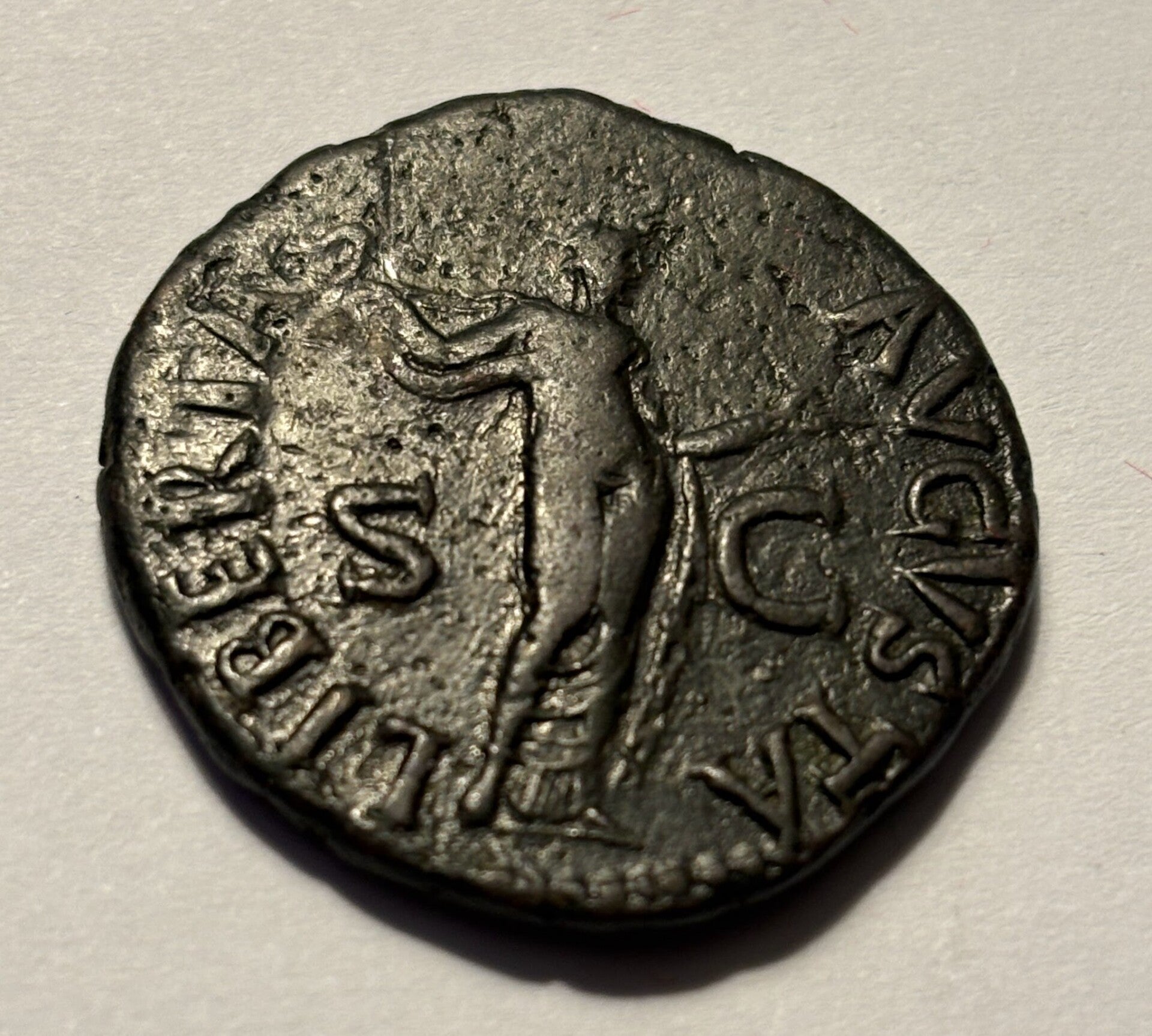
71. Claudius (41-54) - Constantia standing Holding Sceptre
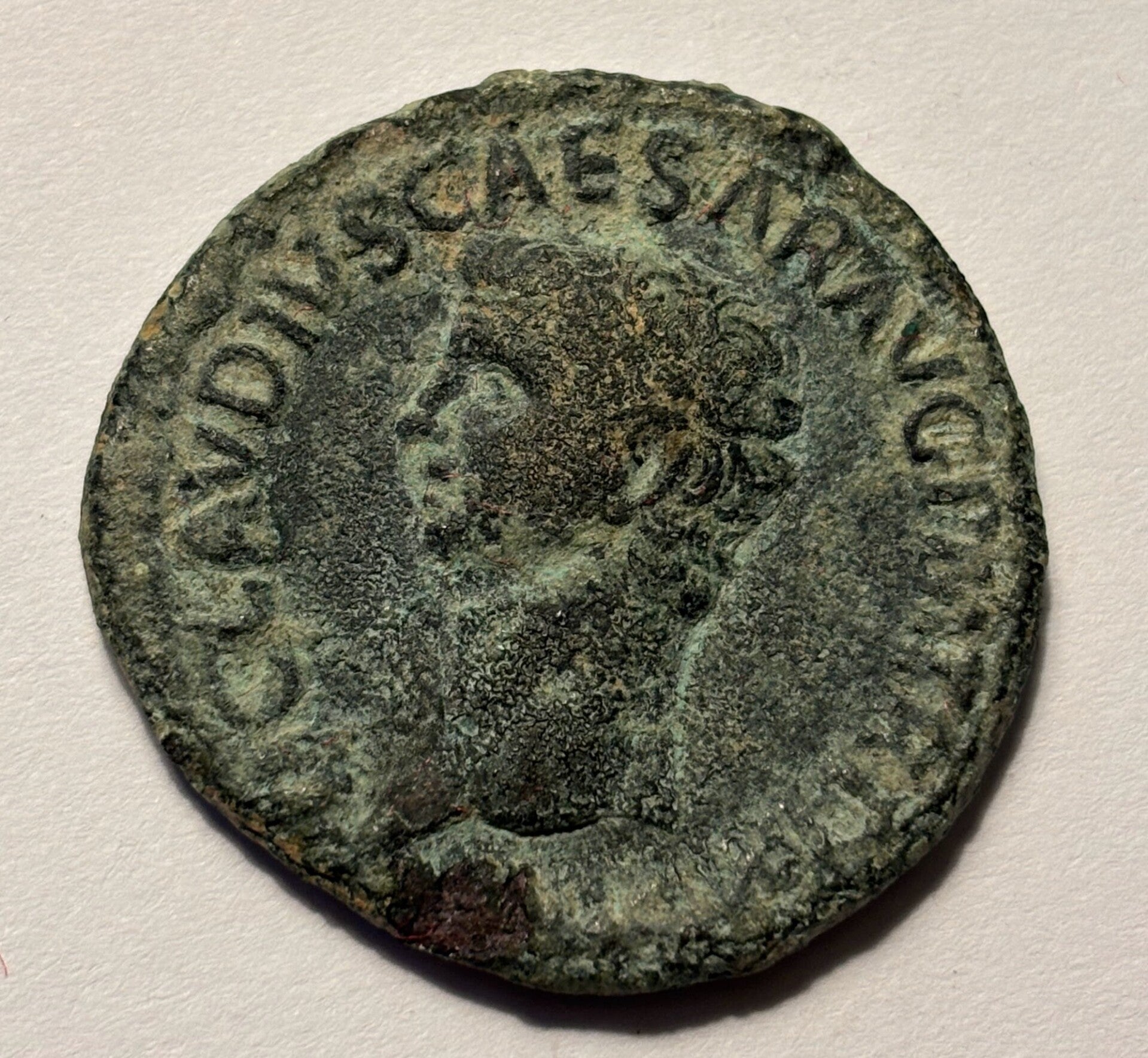
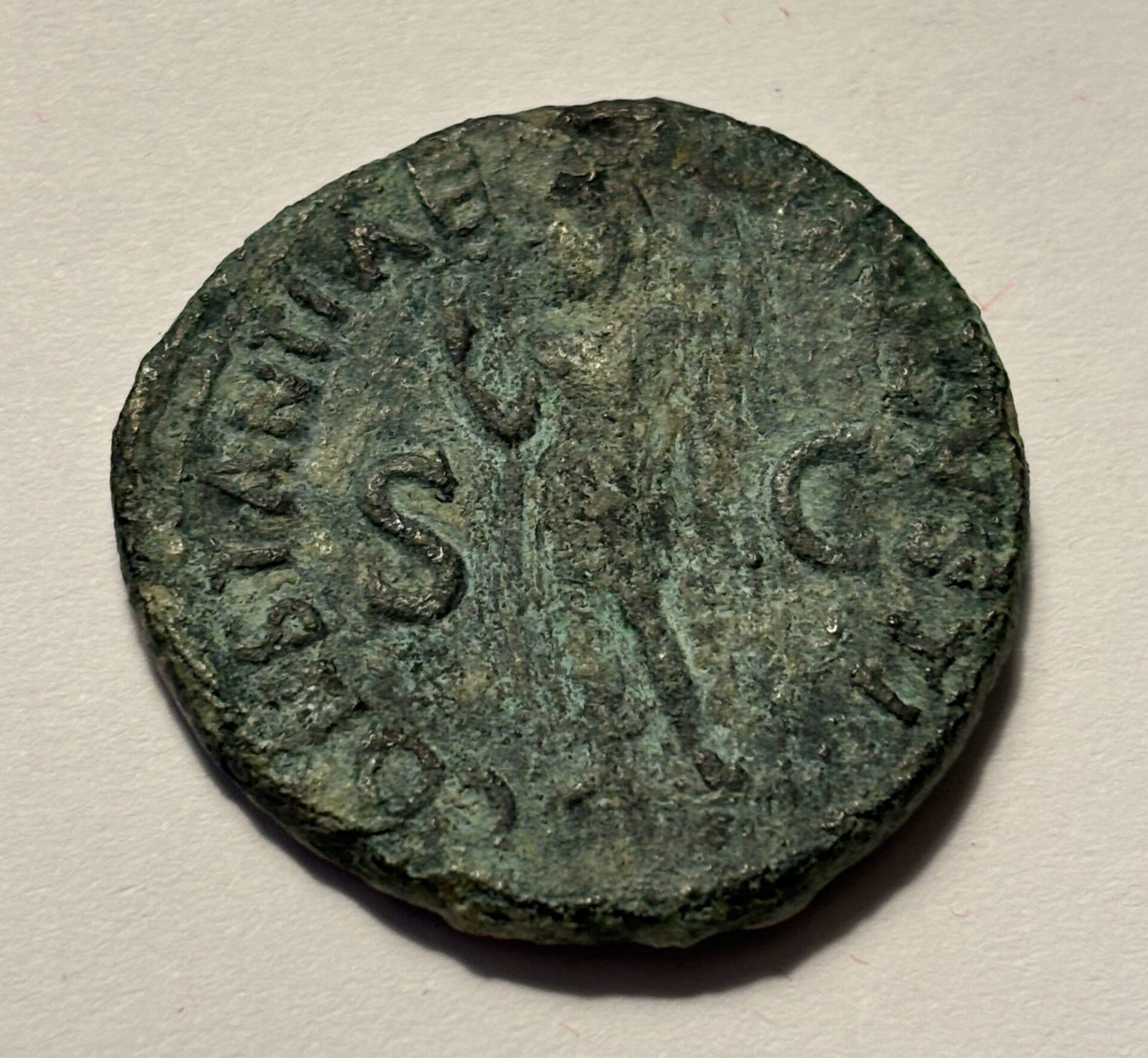
162. Claudius (41-54) - Constantia standing Holding Sceptre
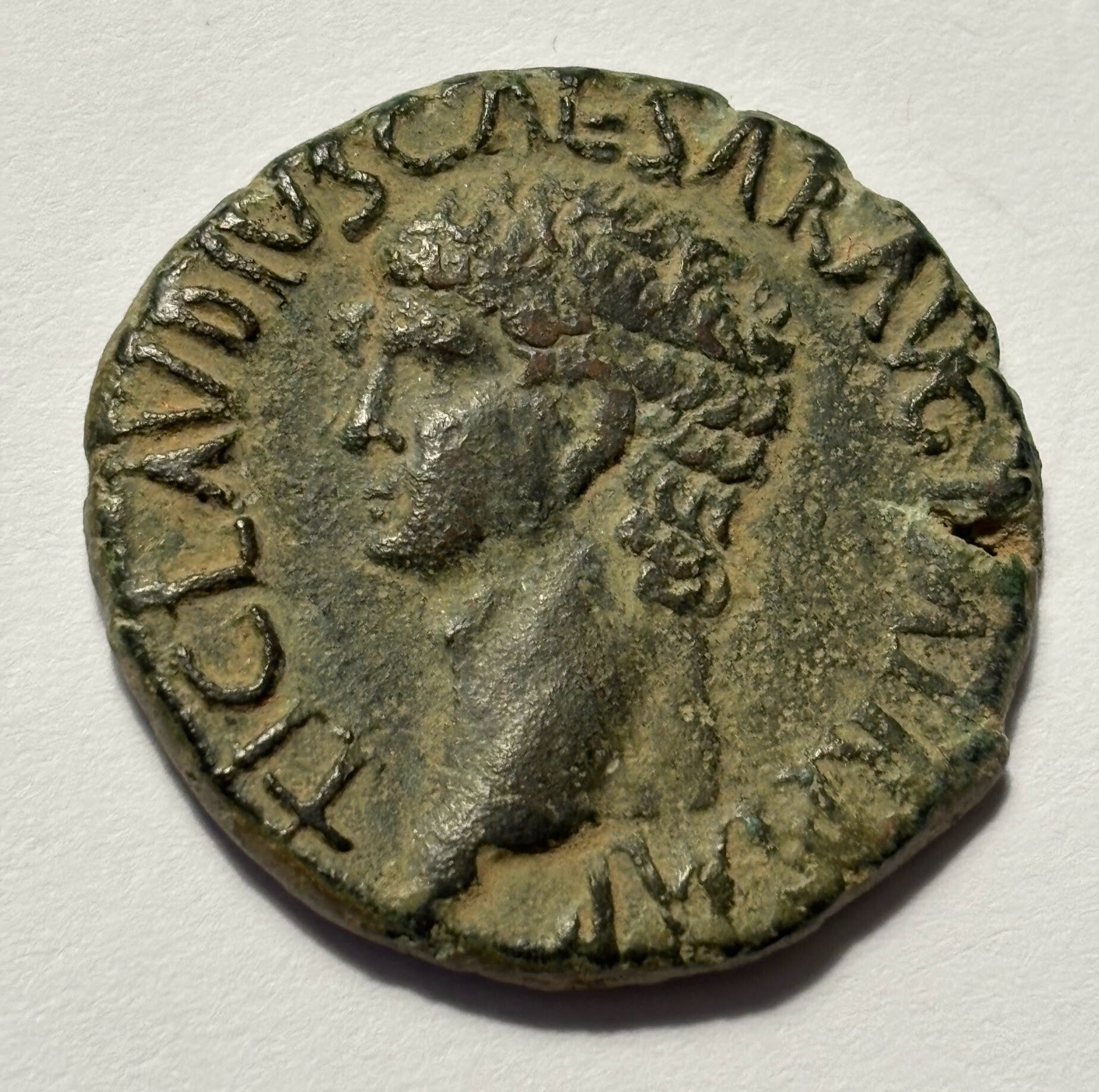
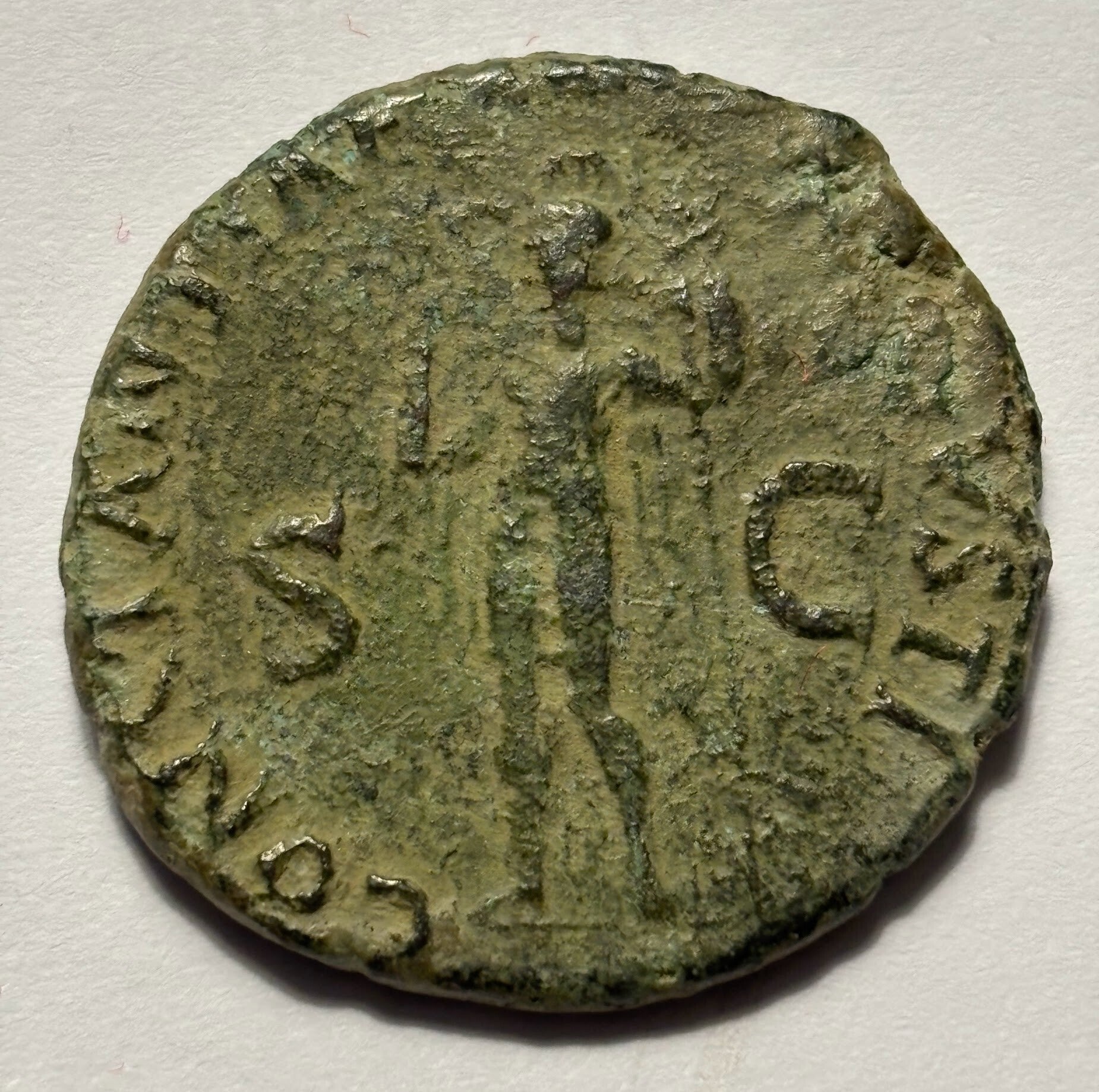
157. Claudius (41-54) - DE GERMANIS on architrave of triumphal arch
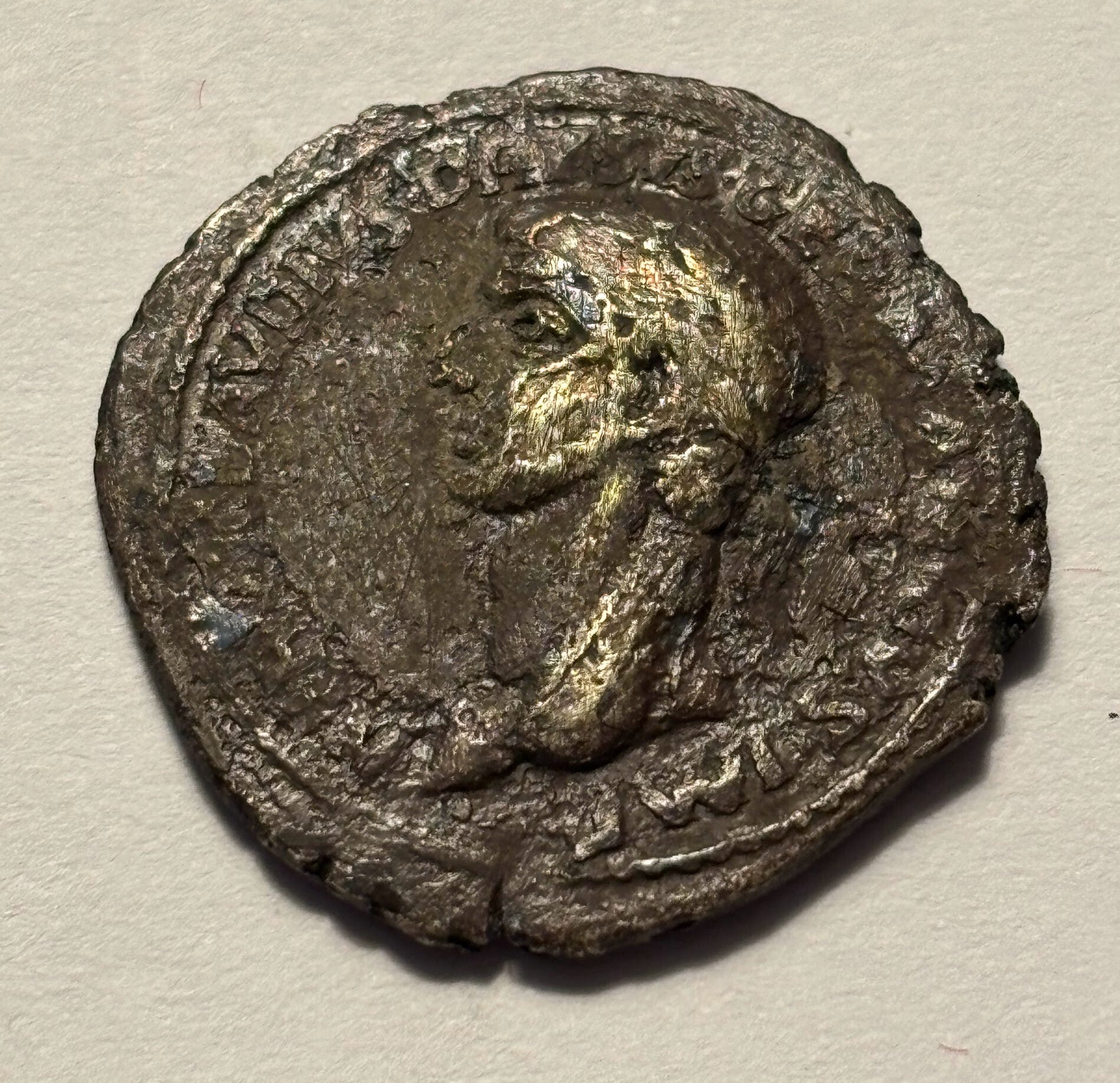
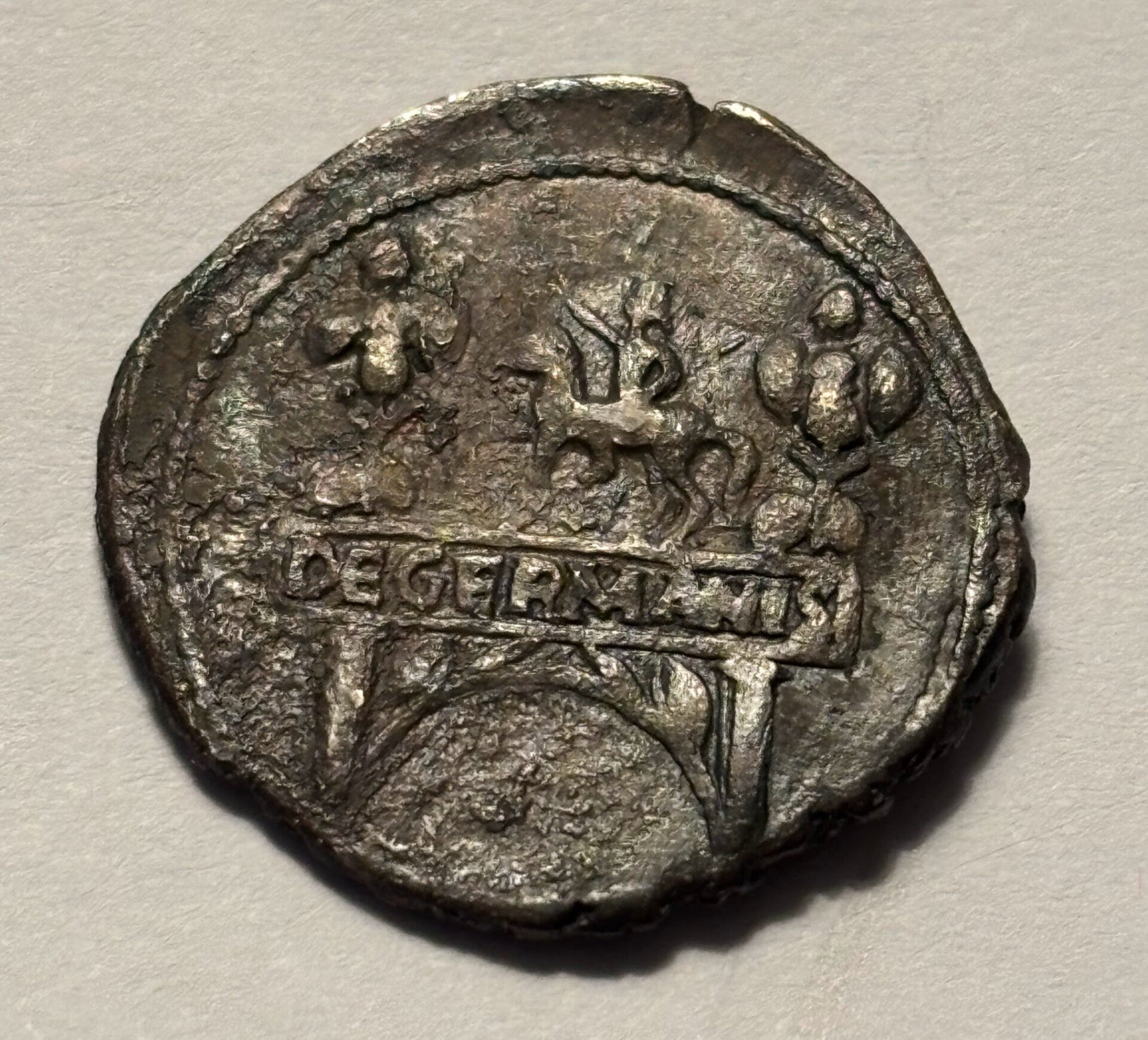
197. Claudius (41-54) - Claudius and Messalina?
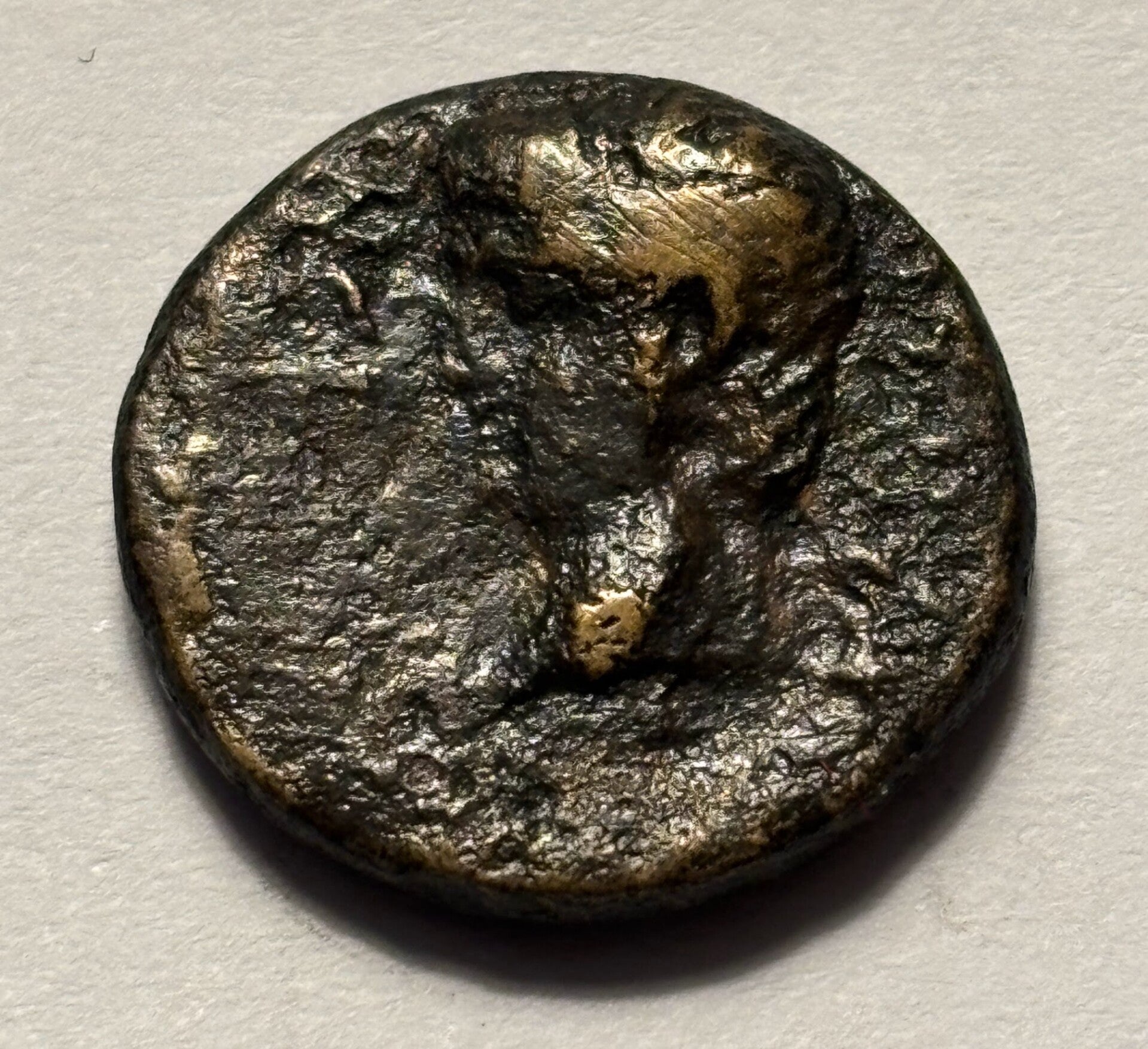
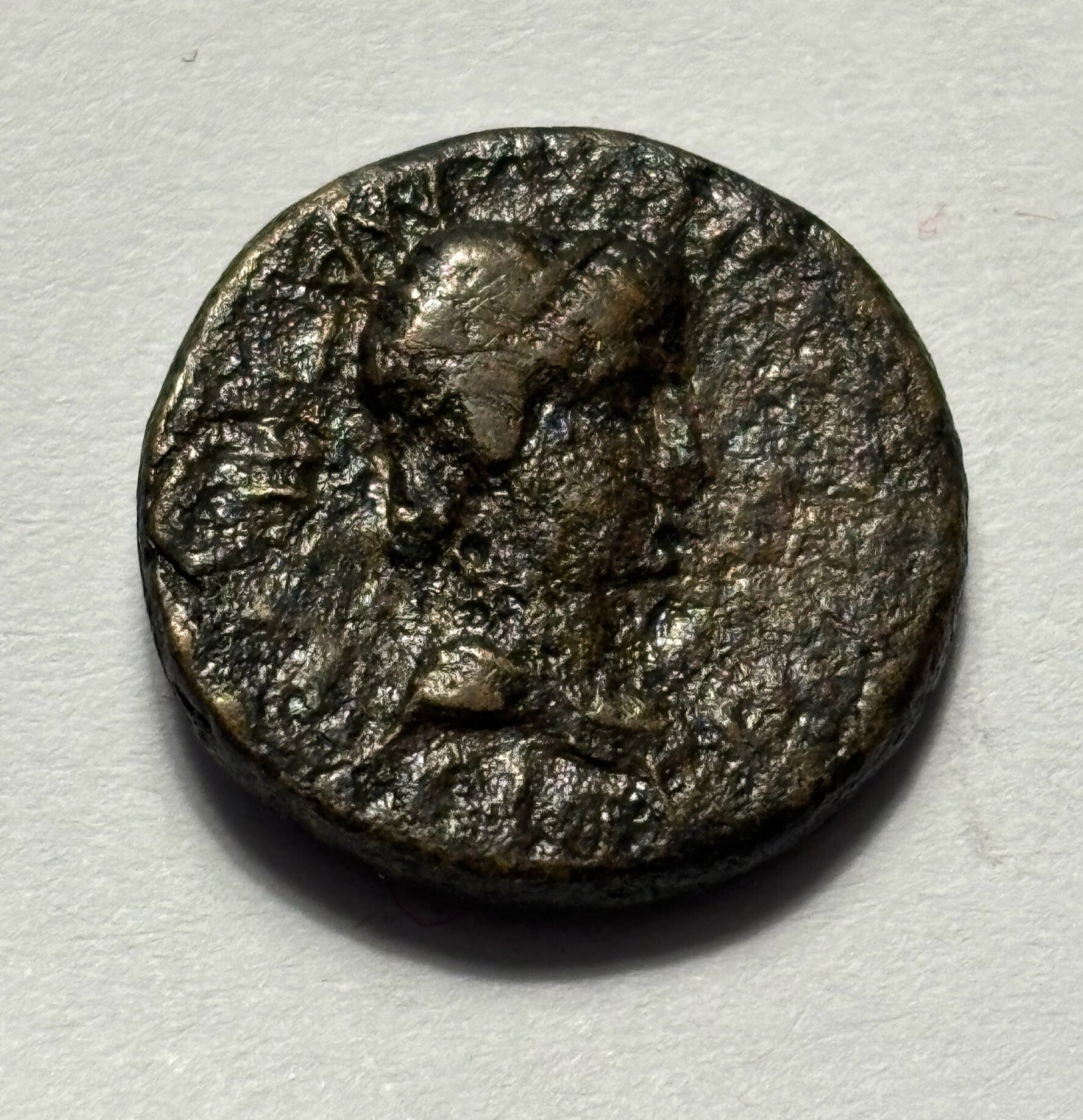
163. Claudius (41-54)- Antonia (D.of M Antony/Mthr Claudius 41-54) - Claudius holding simpulum
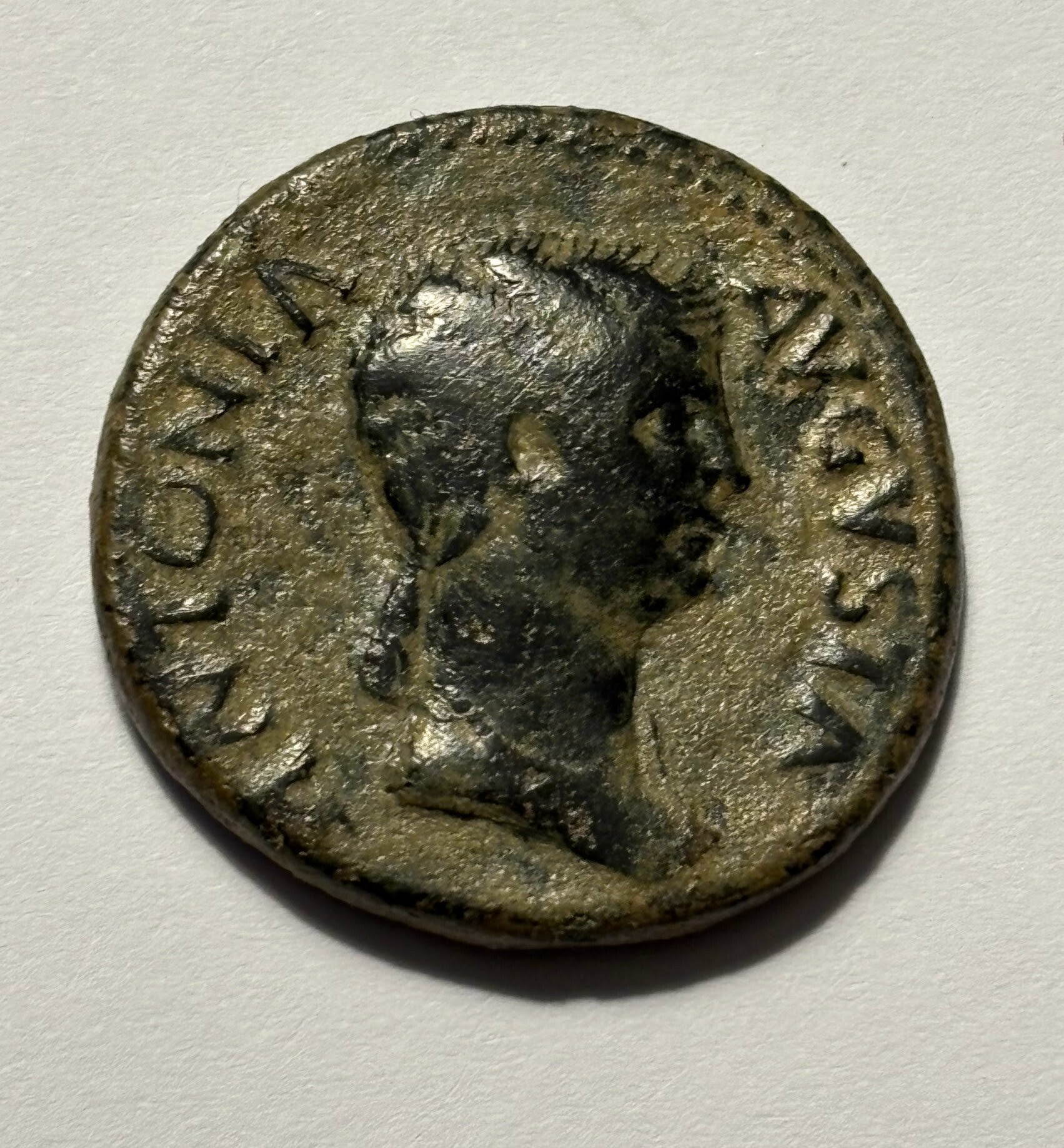
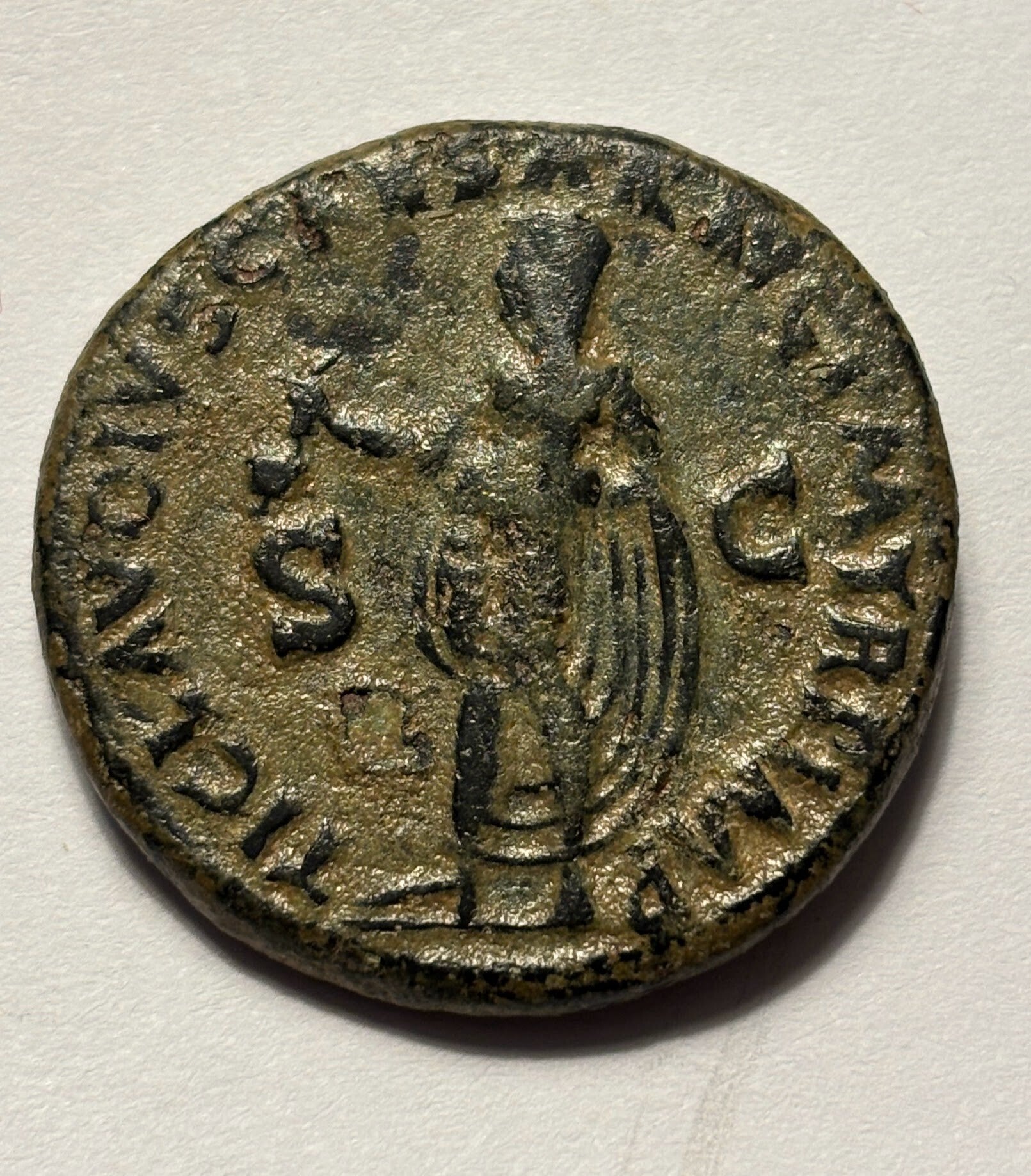
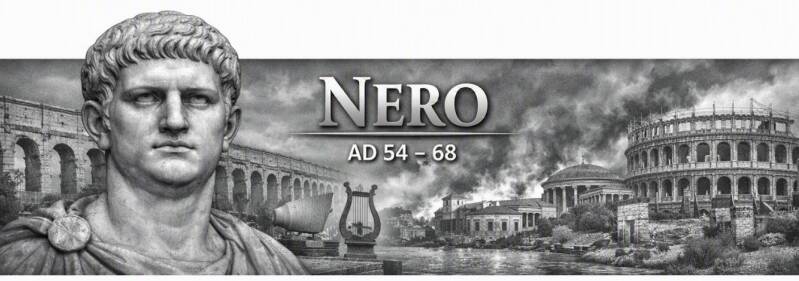
Nero’s reign traces one of the most dramatic arcs in Roman history, beginning with promise and ending in catastrophe. His early years, guided by Seneca and Burrus, brought stability, moderation, and cultural flourishing; Rome saw a young princeps who championed the arts, reduced harsh taxation, and maintained the political balance Augustus had created. As Nero grew more confident — and more theatrical — his rule shifted. Court intrigues, purges, and personal obsessions eroded the principate’s foundations, culminating in the Great Fire of AD 64 and the vast rebuilding programme that followed. By the late 60s, rebellion spread through the provinces, the Senate turned against him, and Nero’s flight and suicide ended the Julio‑Claudian dynasty, plunging Rome into the chaos of the Year of the Four Emperors.
Nero’s coinage is one of the most expressive and visually distinctive of the early empire. His portraits evolve from youthful idealisation to heavy, theatrical realism, offering a near‑chronological record of his changing public persona. The reverses celebrate spectacle, prosperity, and monumental renewal: temples reopened, markets rebuilt, and the Secular Games revived. Architectural types — especially the Macellum and the Temple of Janus — are masterpieces of Roman engraving, while religious issues featuring Apollo and Jupiter Custos reinforce Nero’s self‑image as a divinely inspired artist‑emperor. His coinage is bold, confident, and unmistakably personal, capturing the cultural ambition and political volatility of his reign.
19. Nero (54-68) - Salus Seated
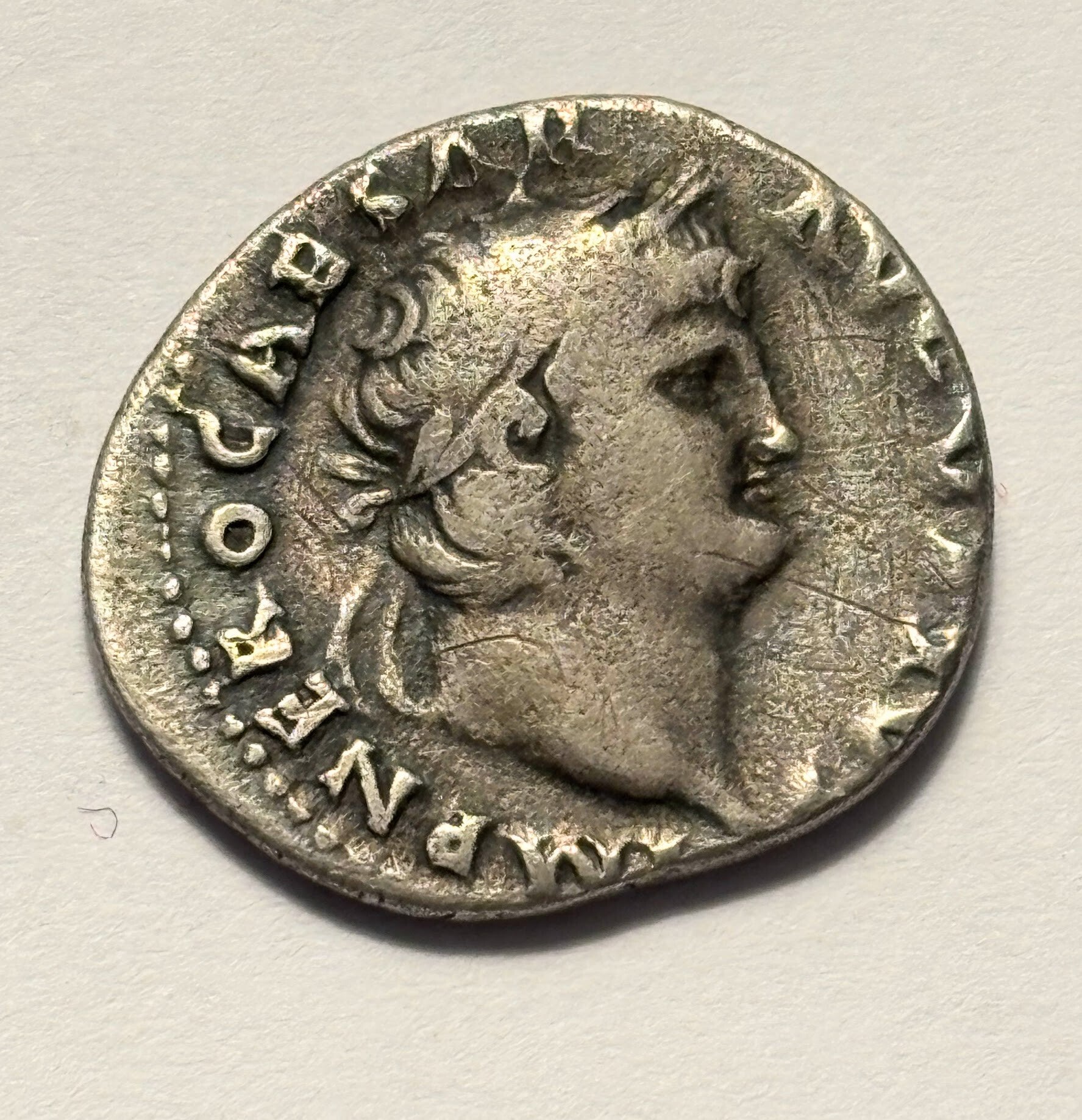
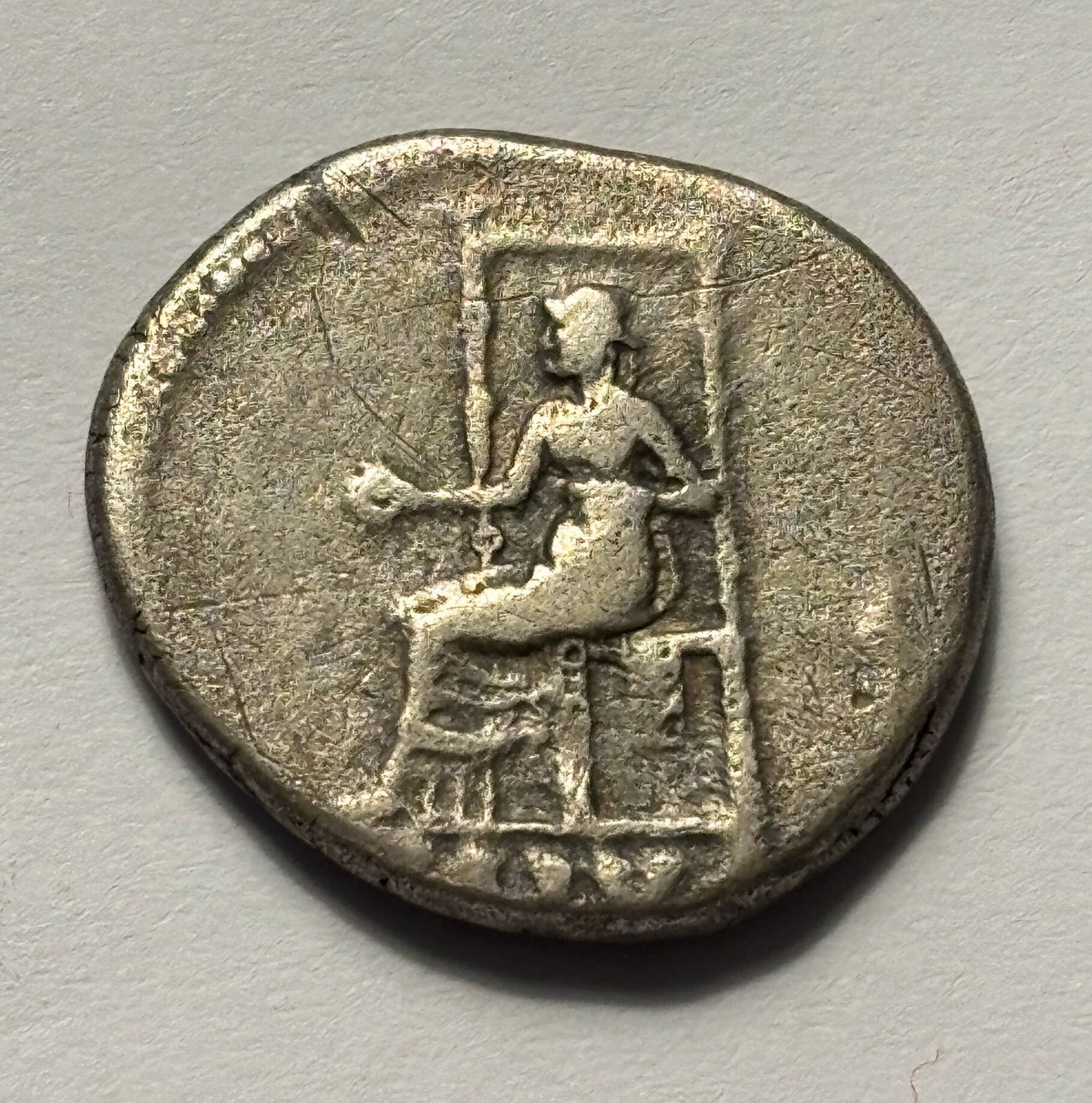
236. Nero (54-68) - Salus Seated
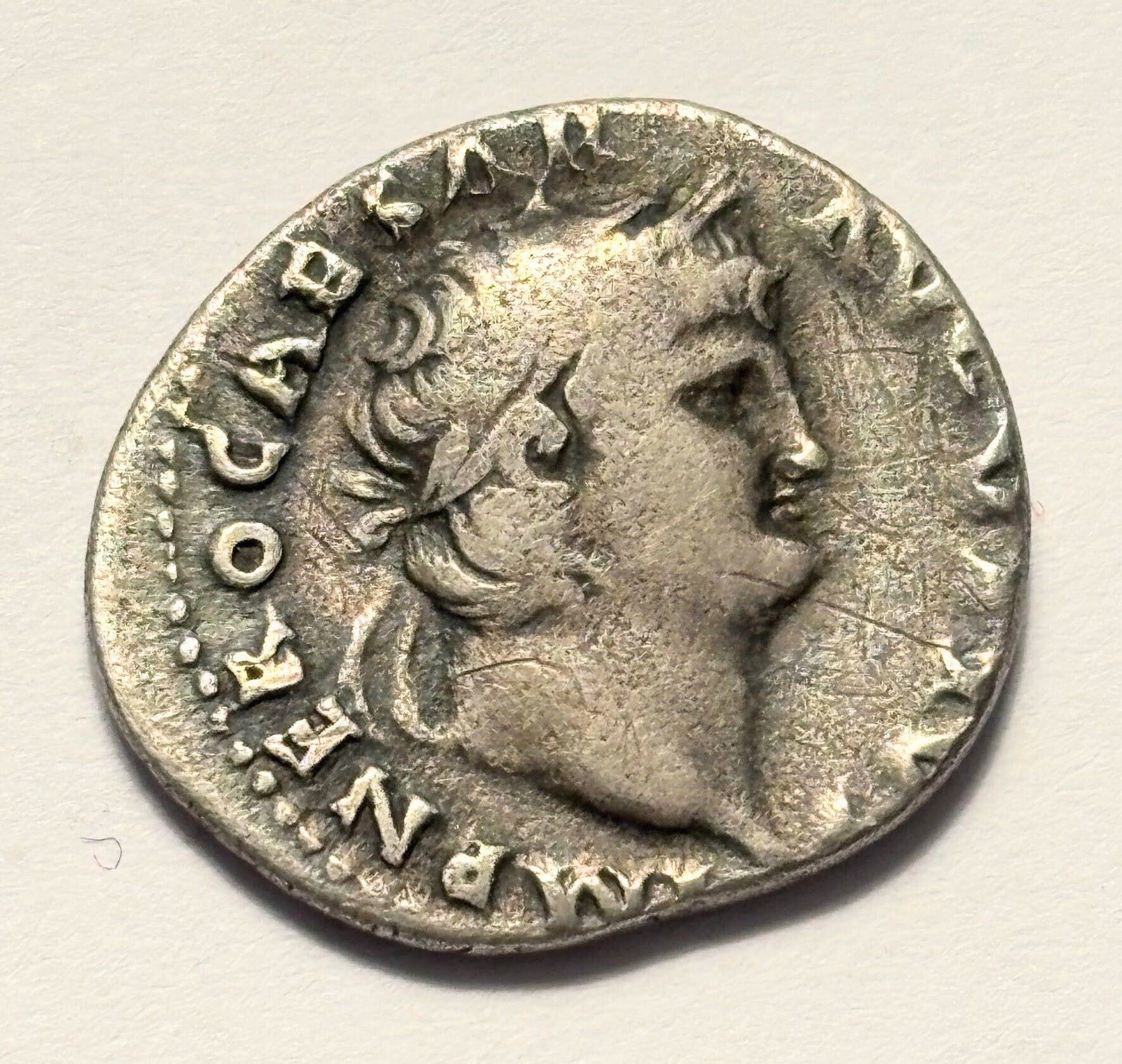
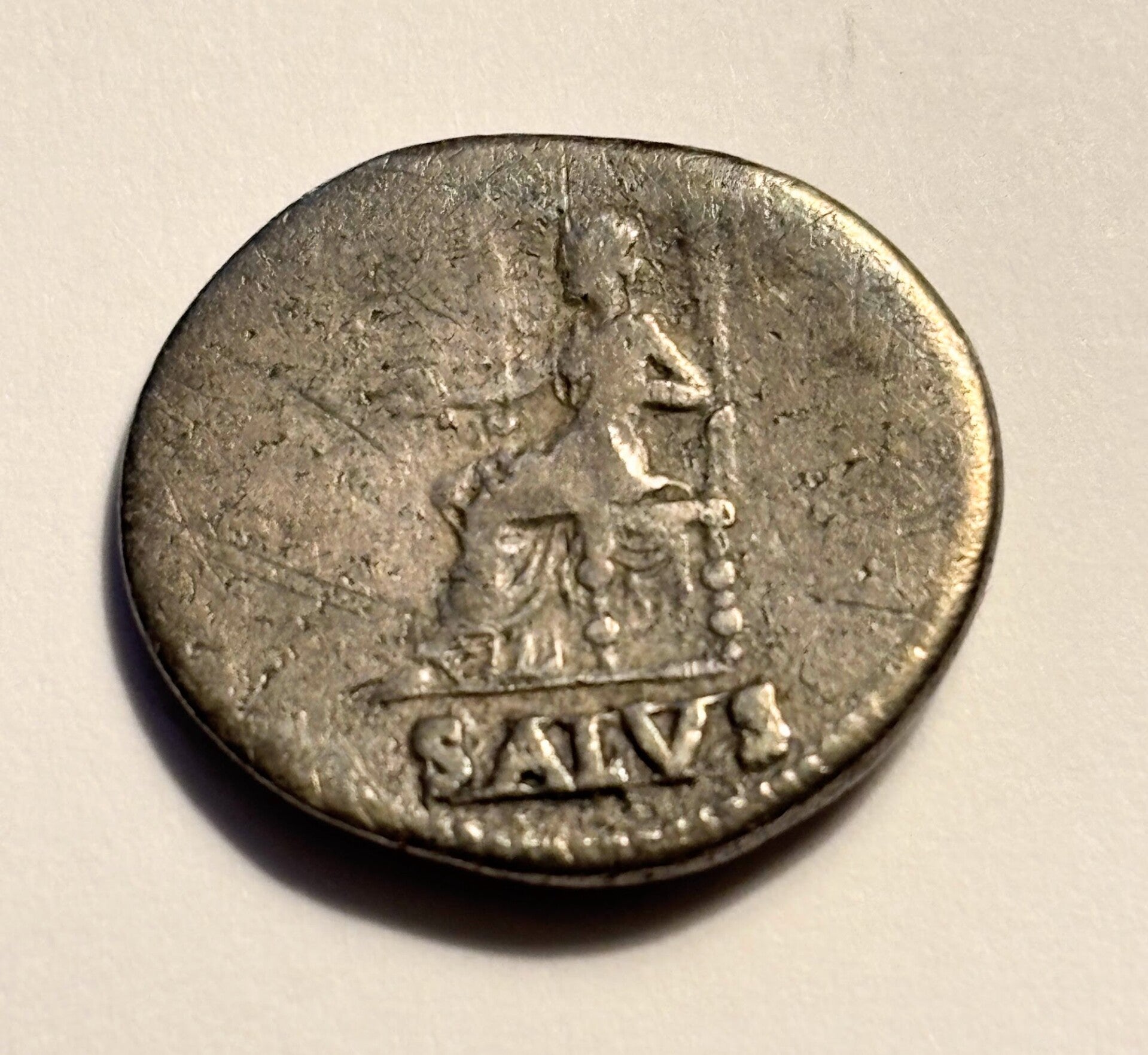
73. Nero (54-68) - Salus Seated
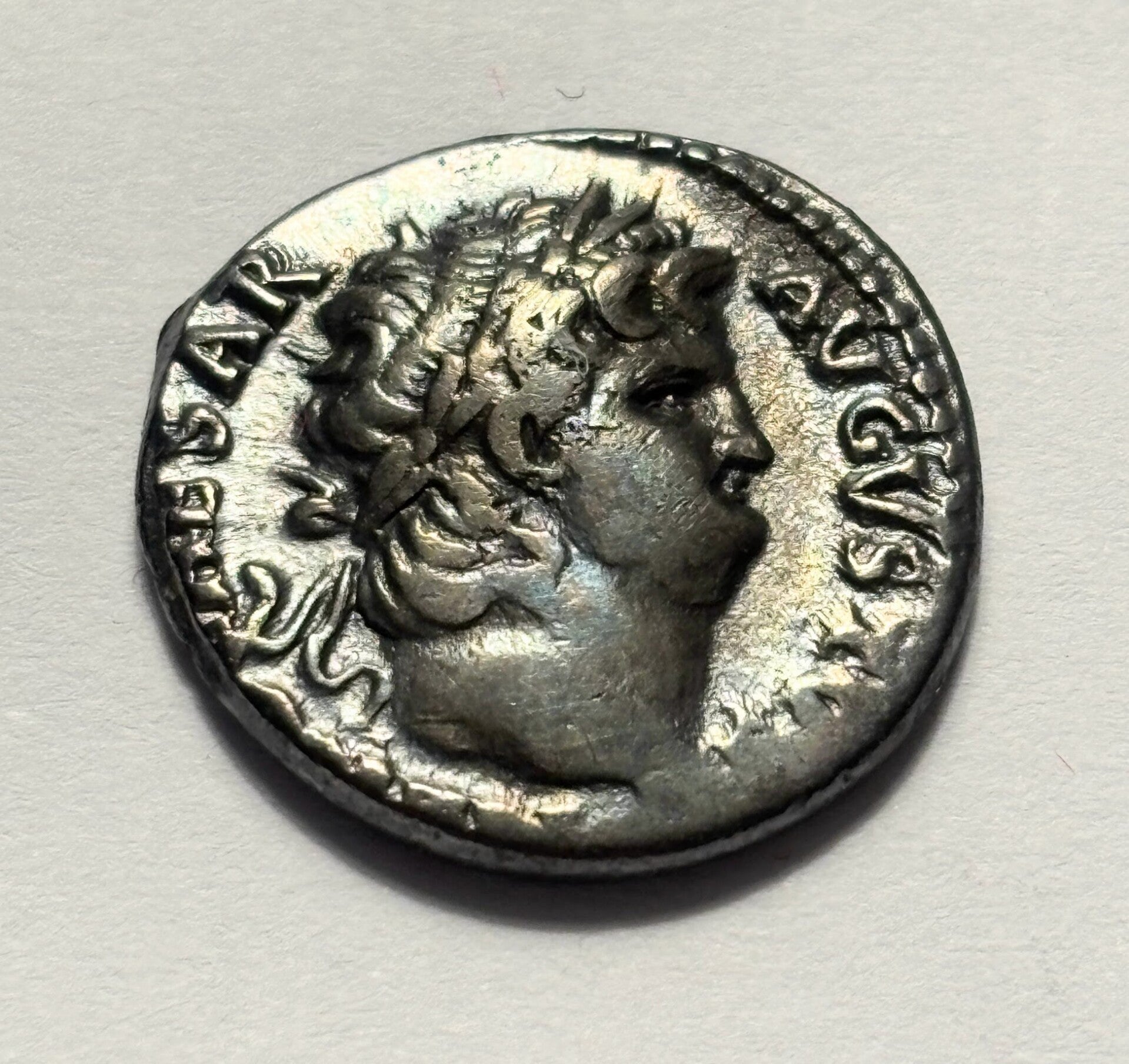
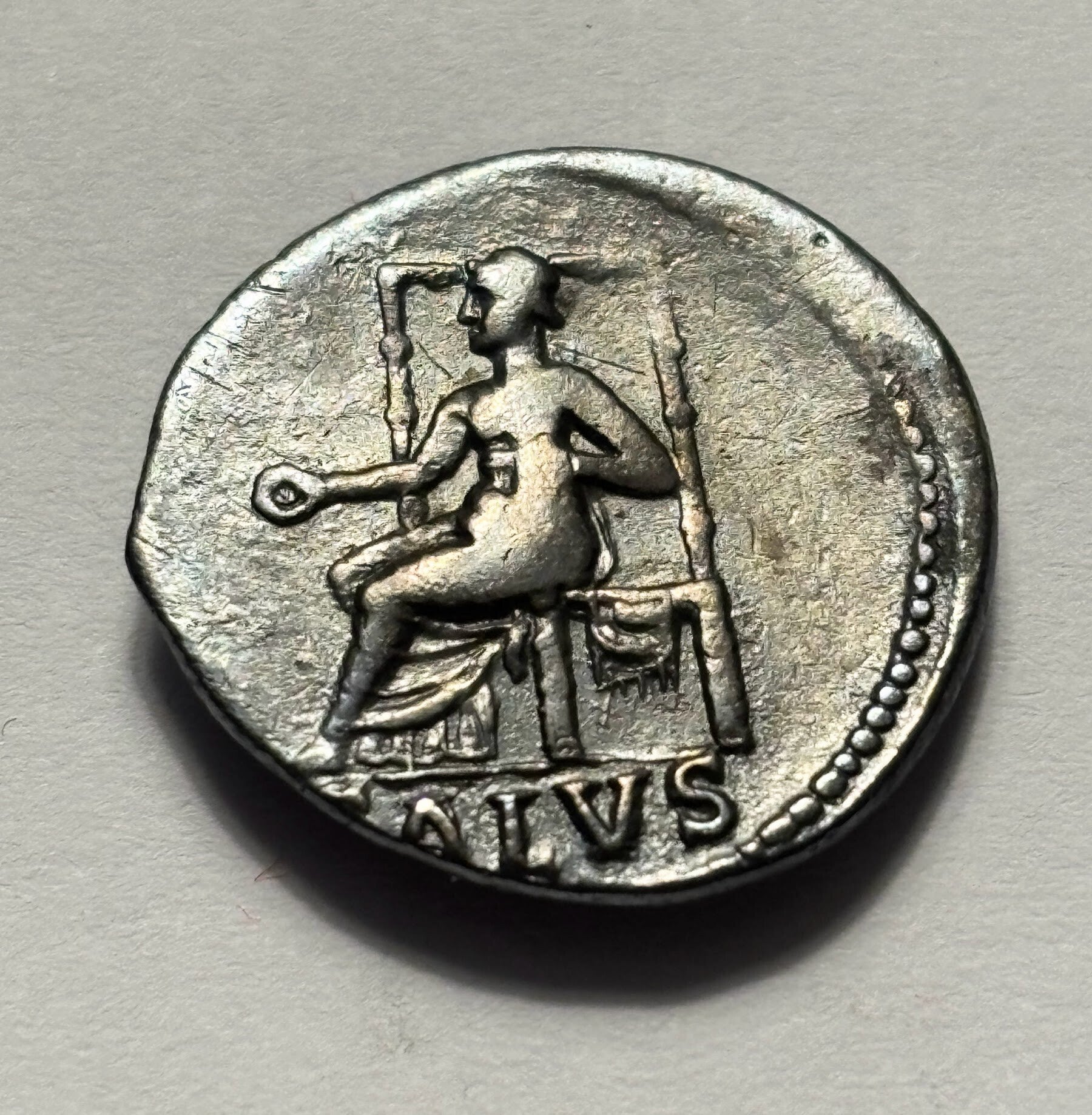
133. Nero (54-68) - Jupiter Seated
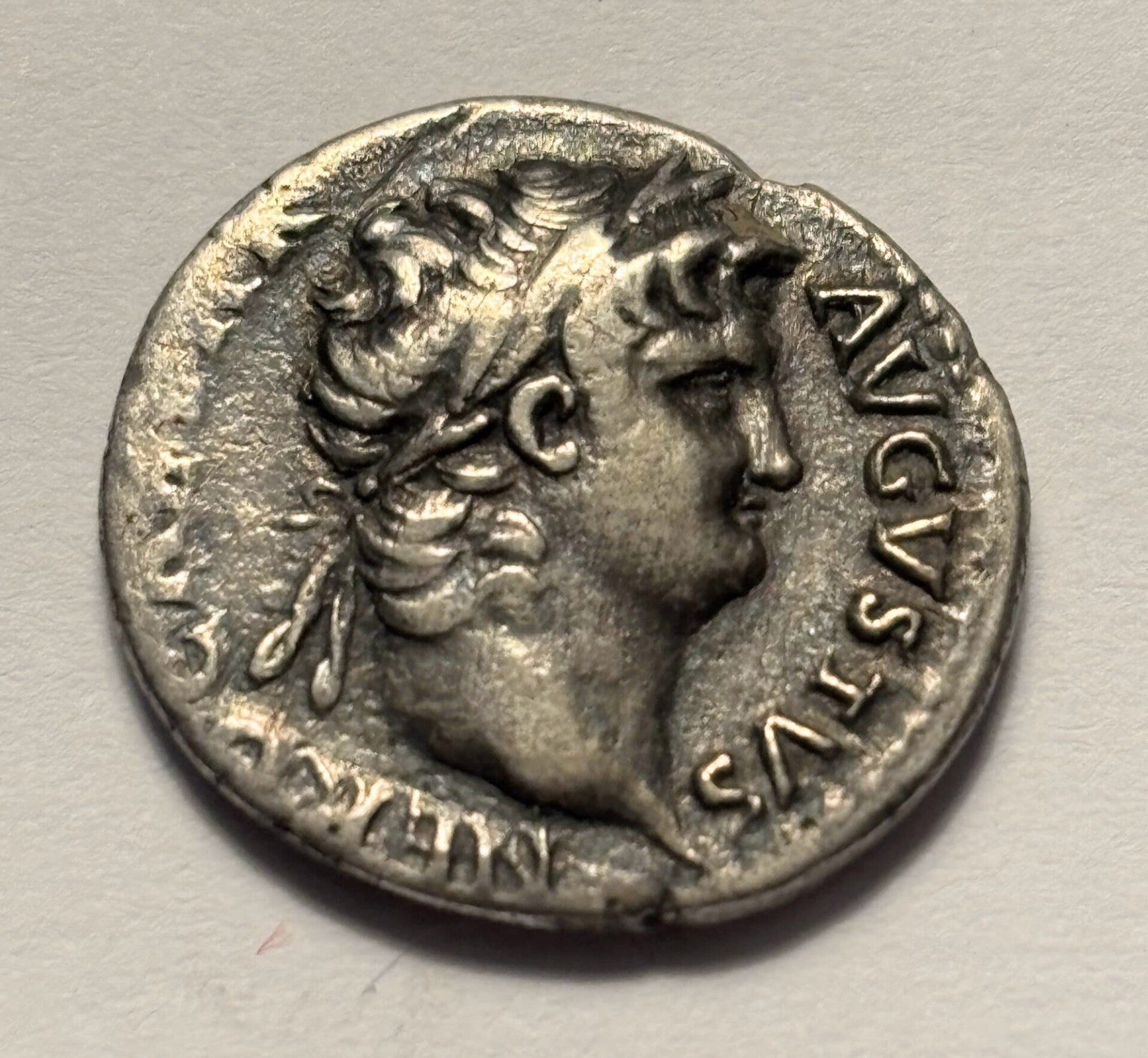
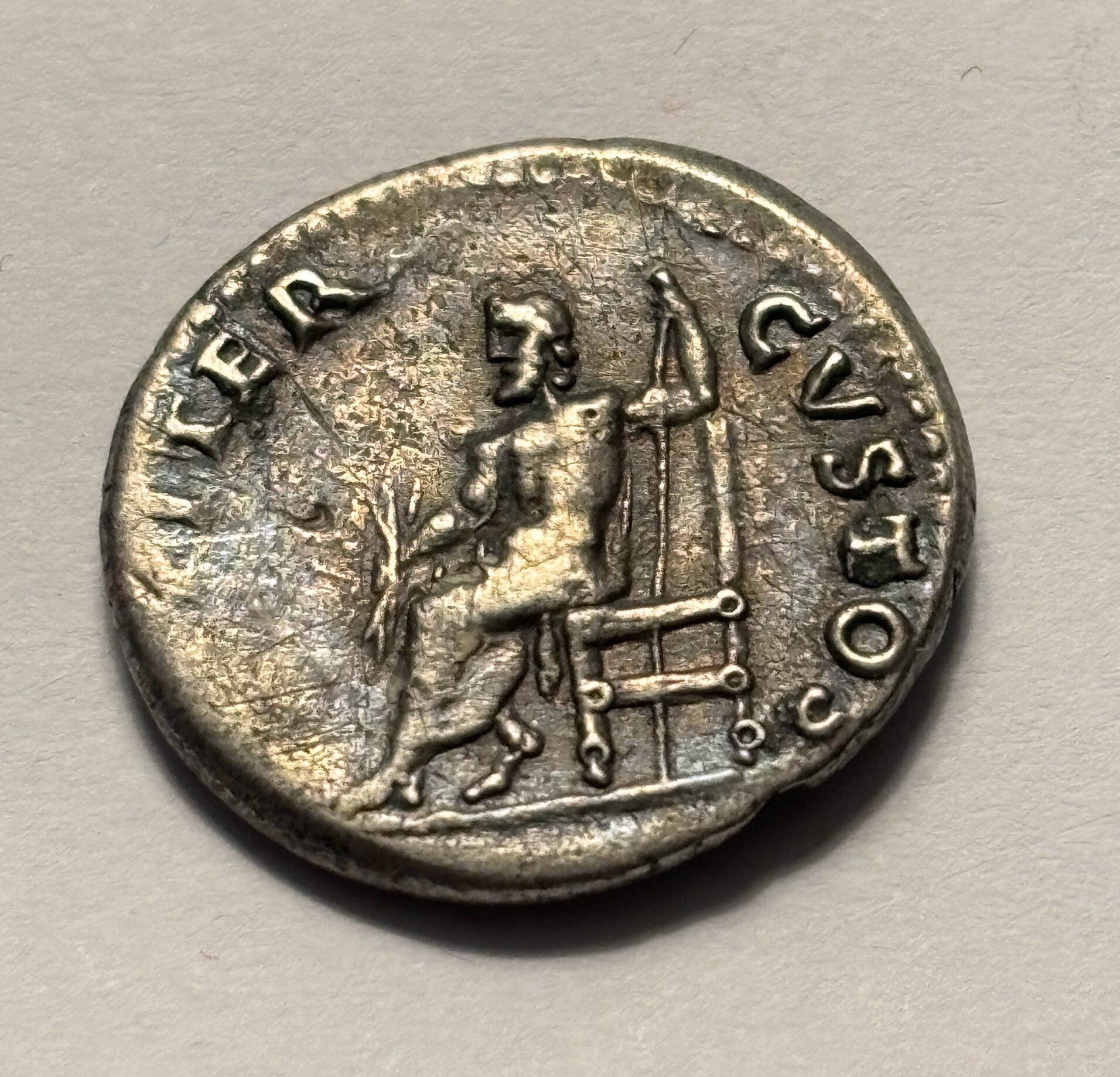
32. Nero (54-68) - Jupiter Seated
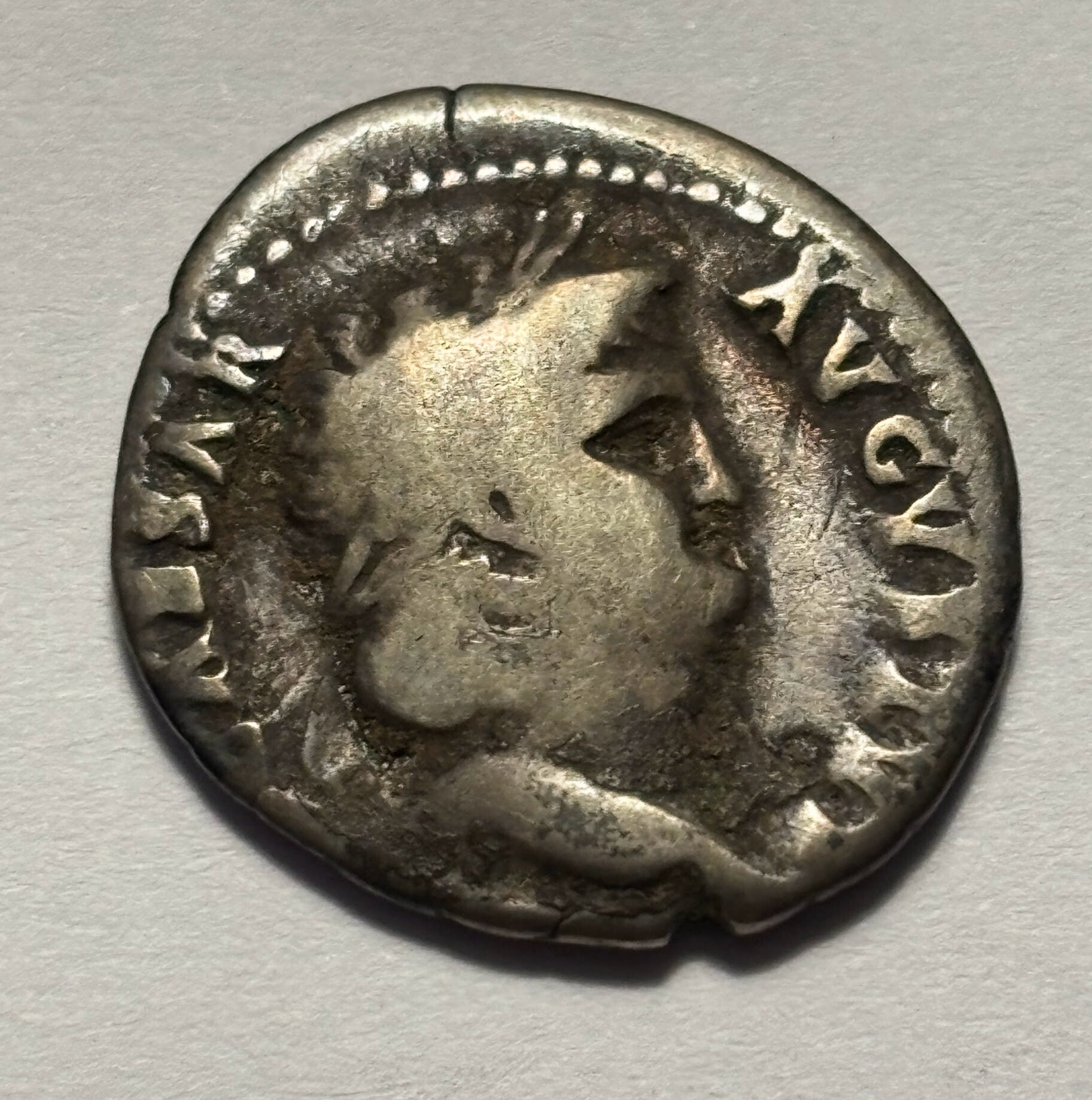
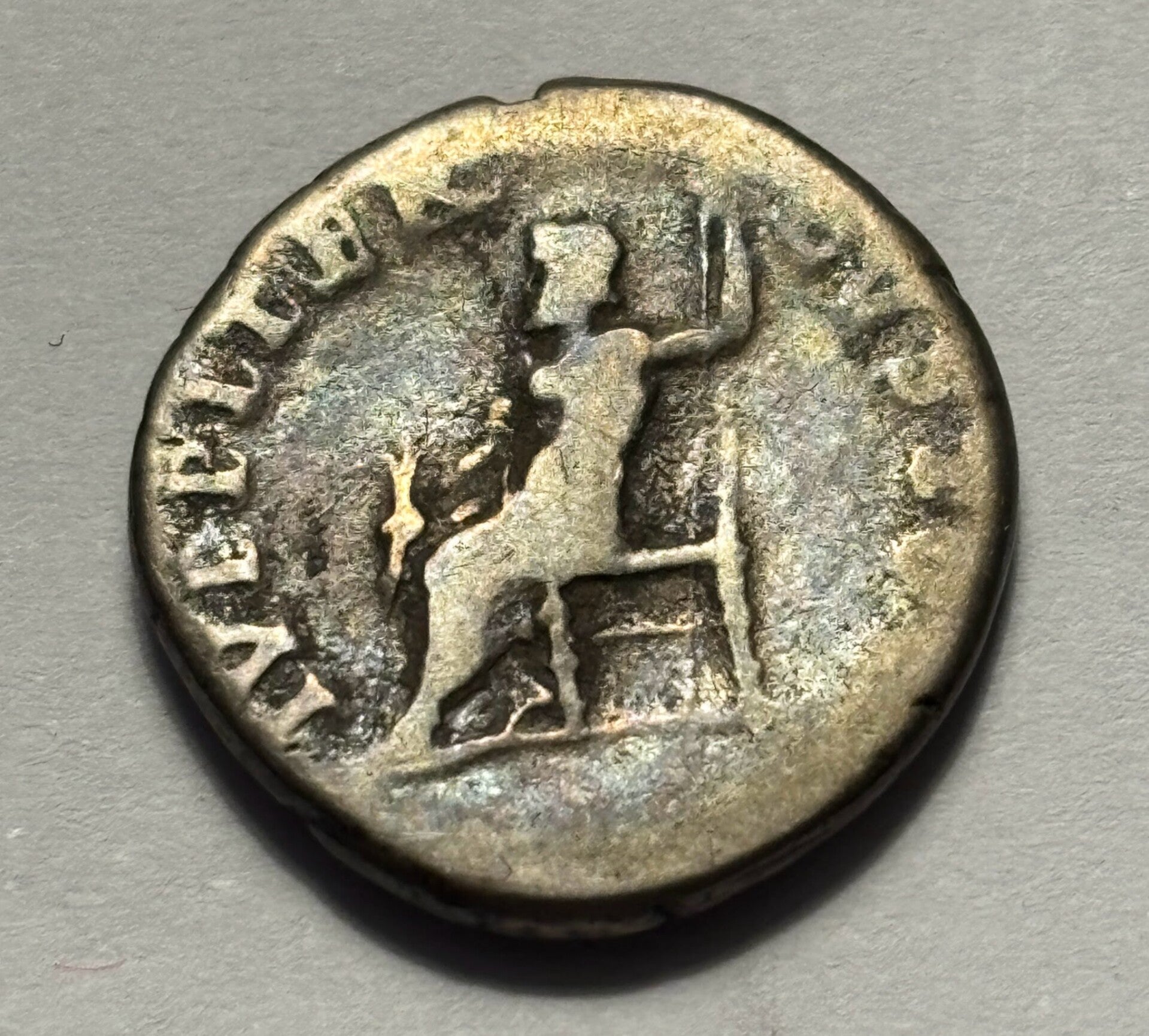
235. Nero (54-68) - Young Nero & Claudius
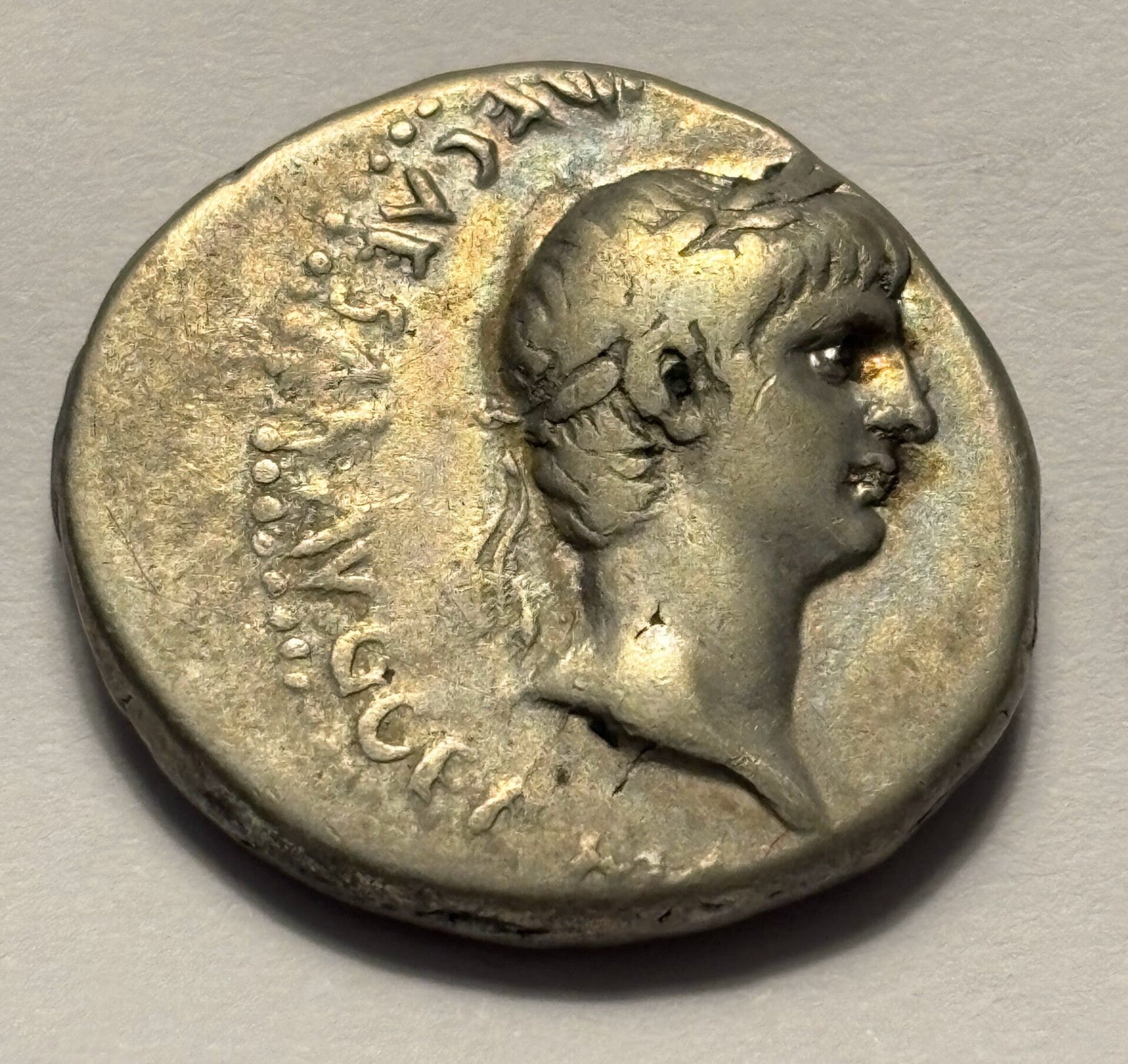
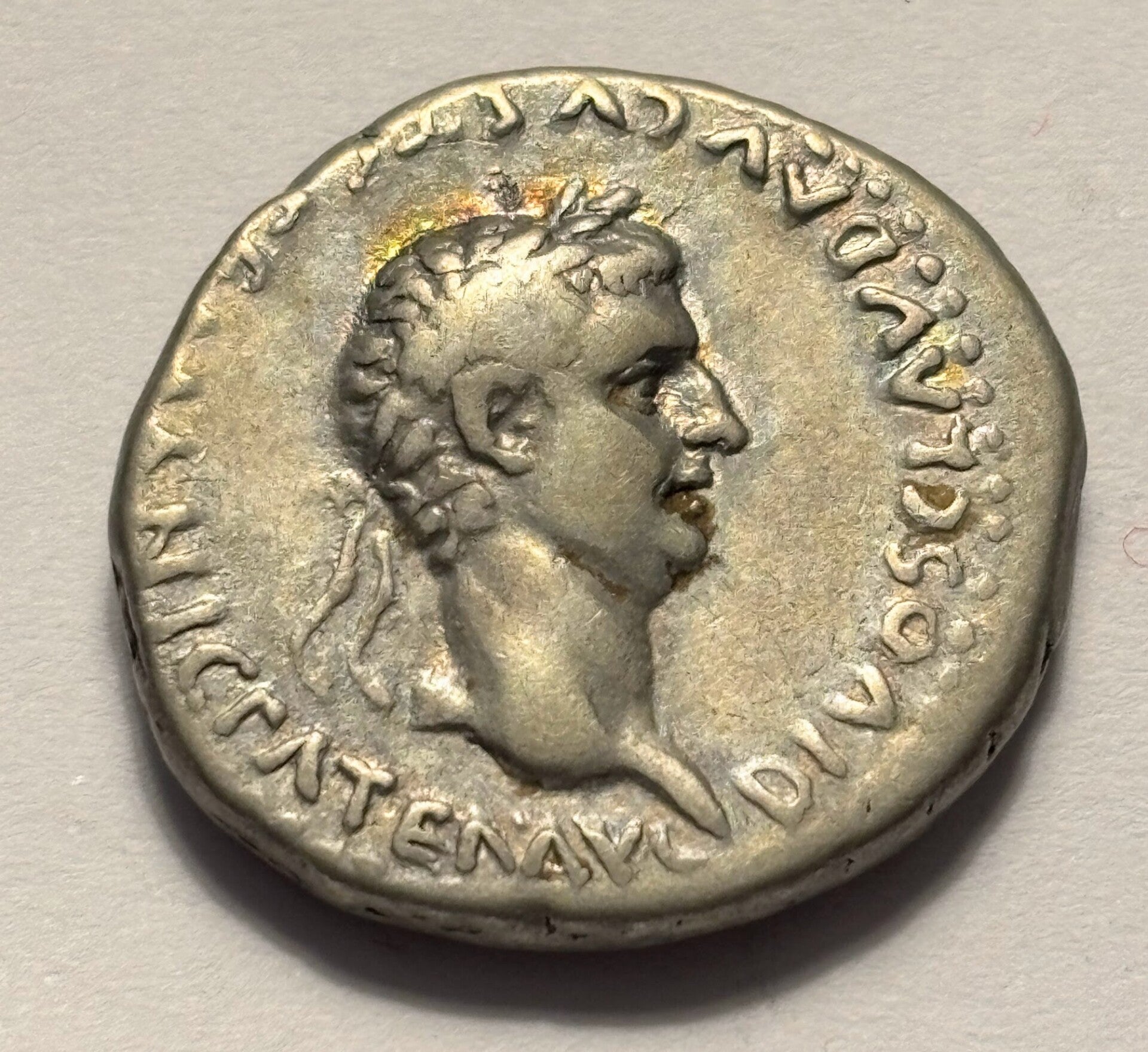
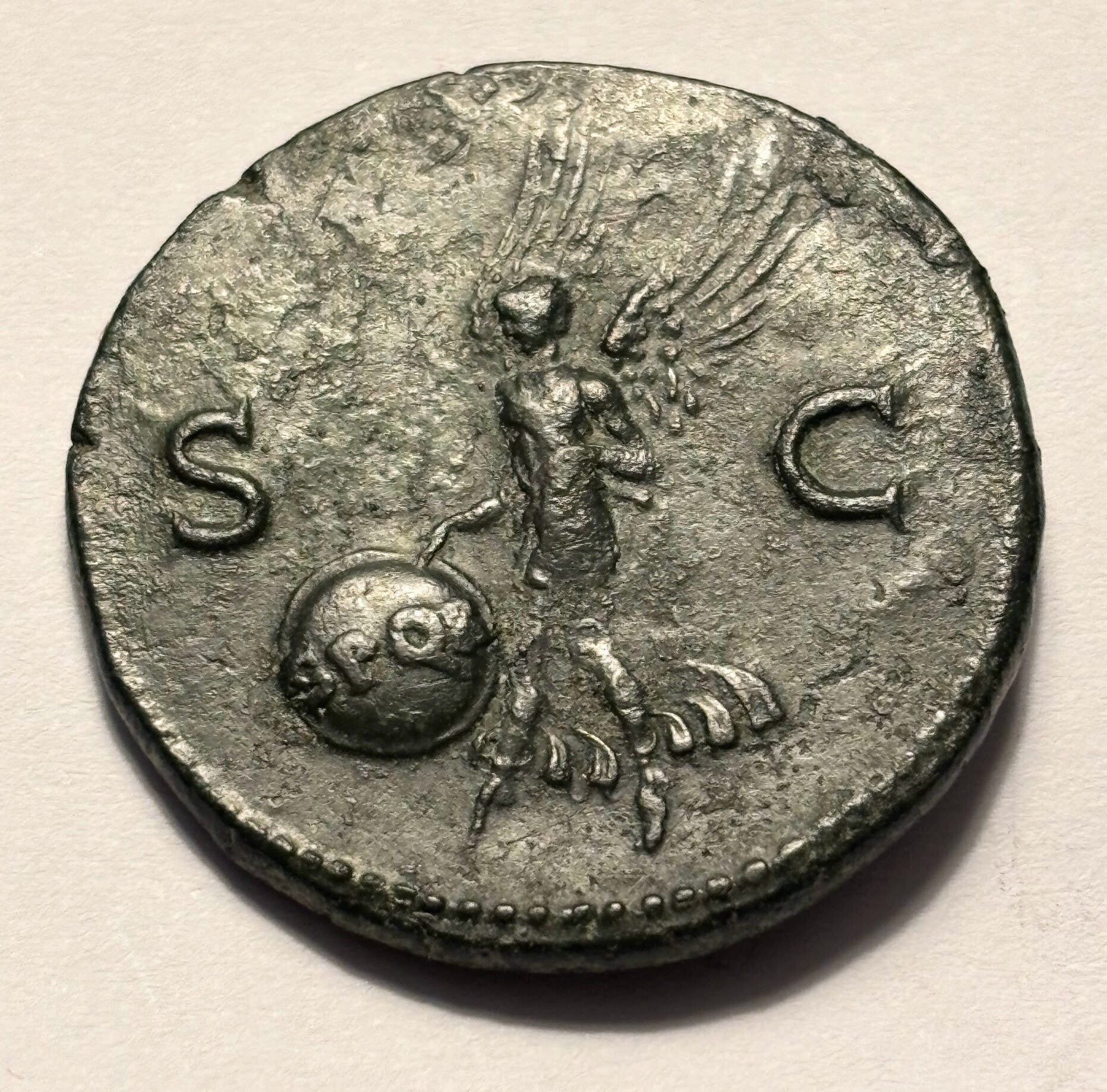
125. Nero (54-68) - Victory Flying, SPQR on Shield
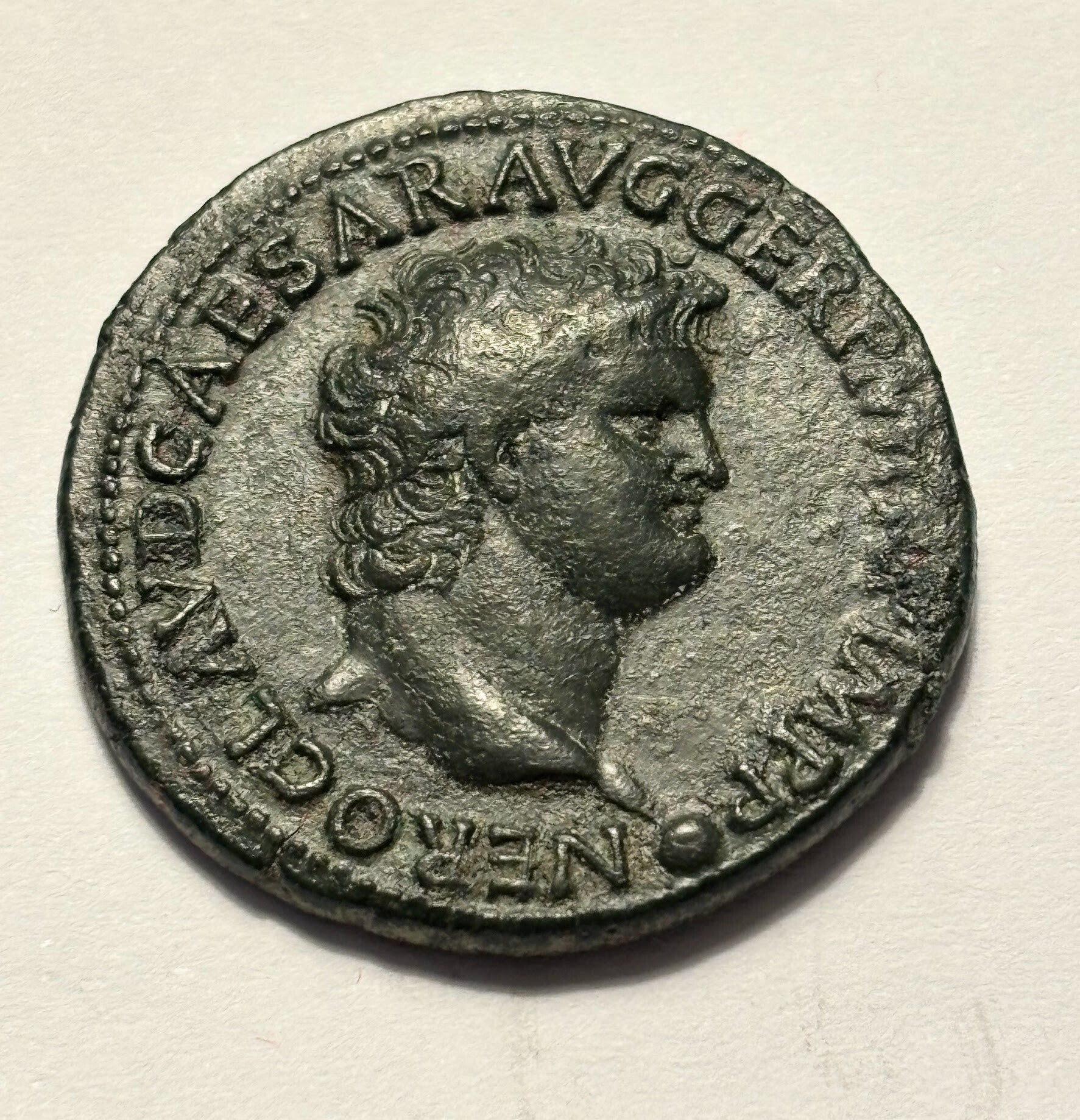
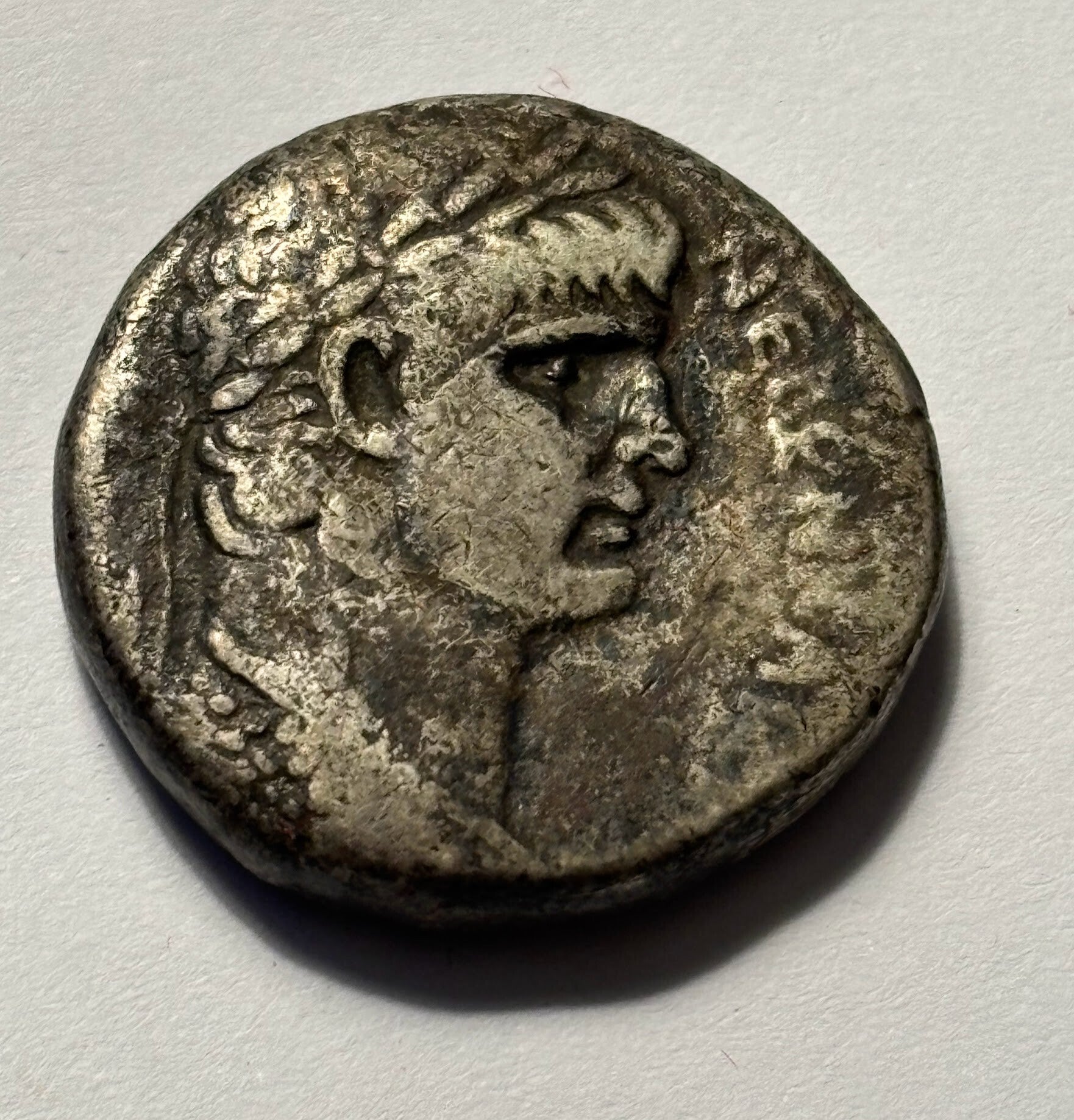
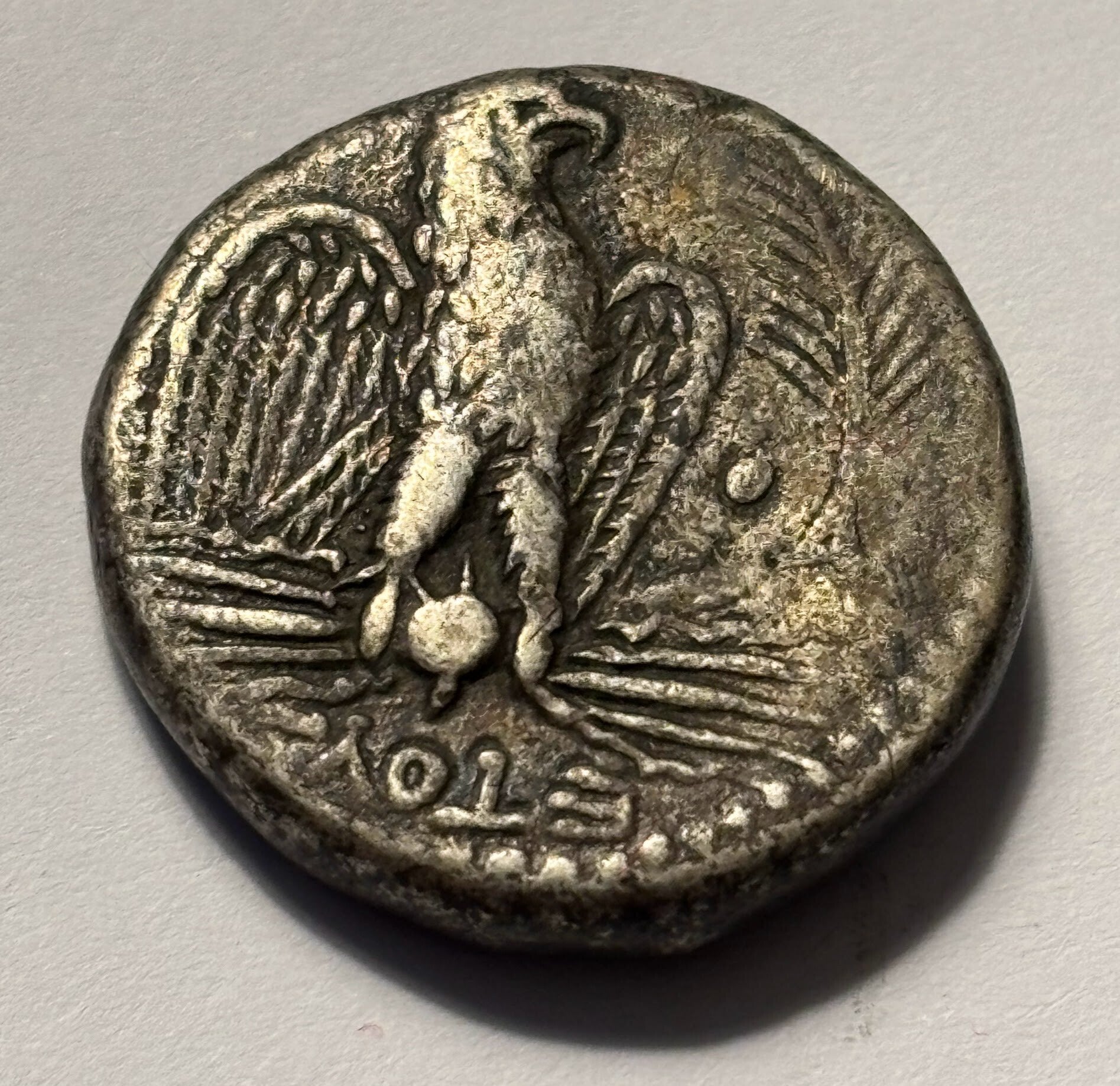
81. Nero (54-68) - Antioch - Eagle on Thunderbolt
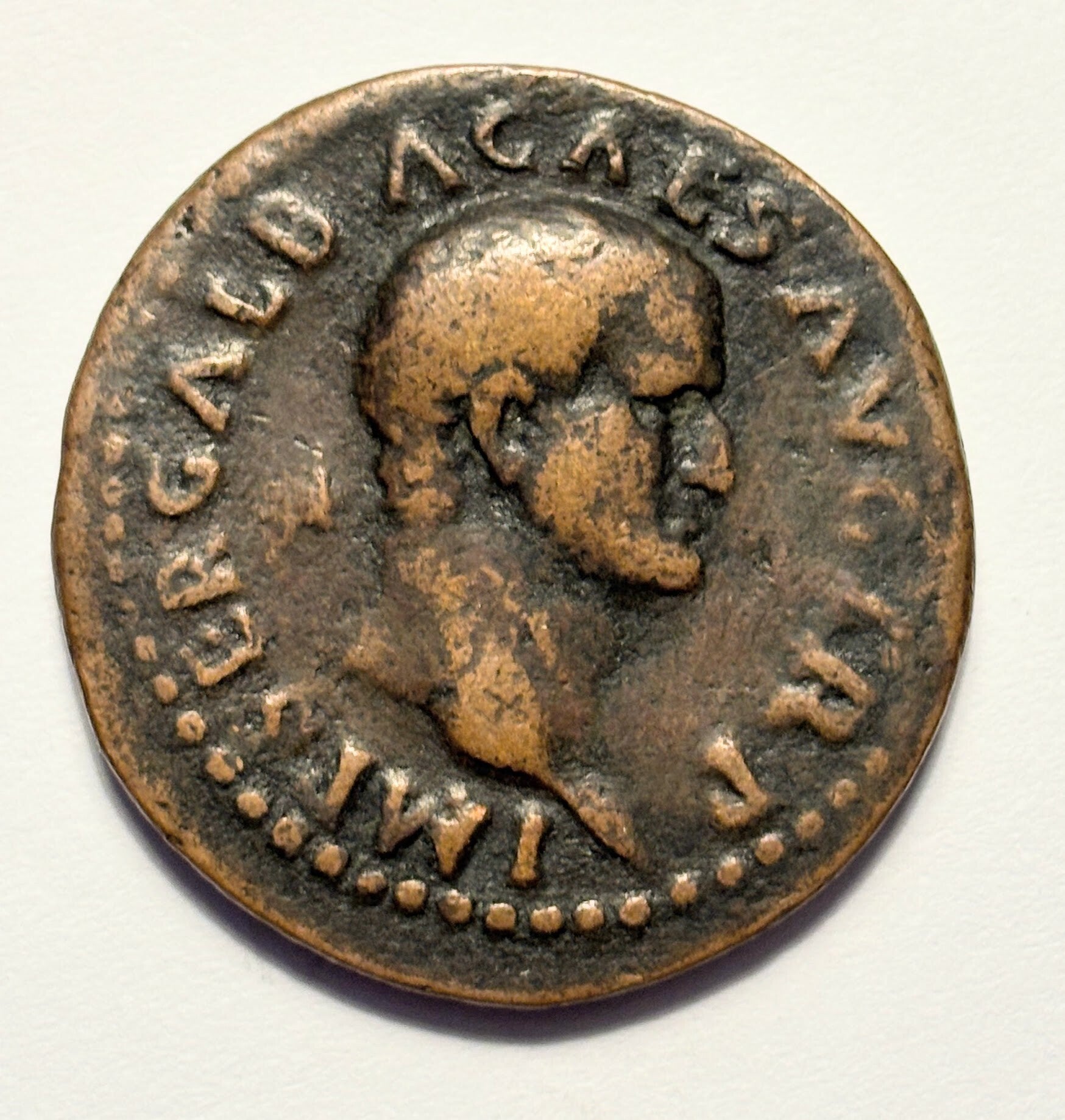
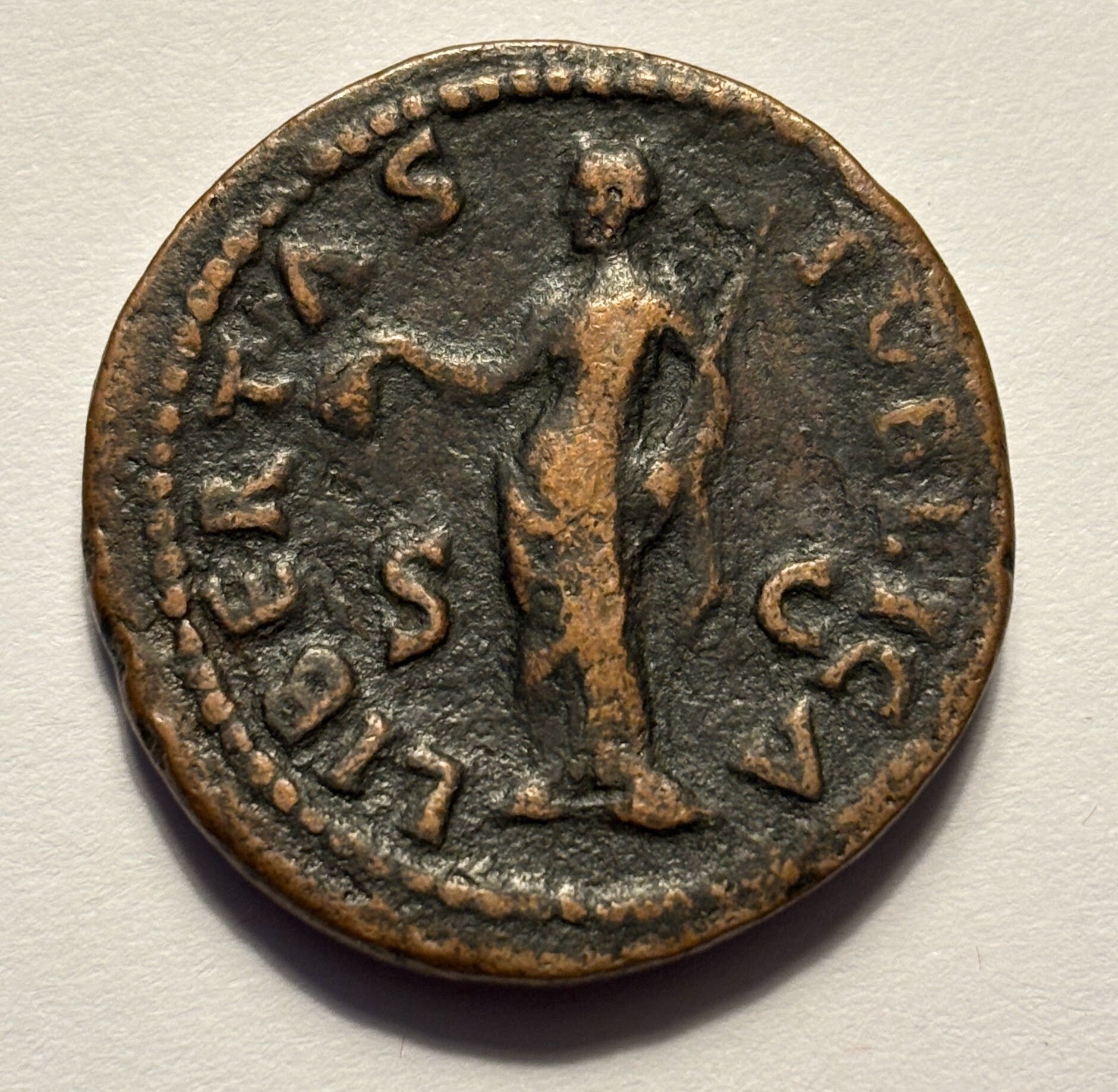
Galba (AD 68–69) was the first emperor of the turbulent Year of the Four Emperors, rising to power after leading a revolt against Nero. A seasoned soldier and former governor of Spain, he entered Rome promising a return to discipline, senatorial authority, and traditional Republican values. His brief reign was marked by austerity and unpopular financial measures, which quickly alienated both the Praetorian Guard and the legions who had expected rewards for supporting him. After only seven months in power, Galba was assassinated in the Forum by Otho’s supporters, his death symbolising the deep instability gripping Rome. Despite his short rule, Galba’s coins and policies reflect a determined—if ultimately unsuccessful—attempt to restore order after Nero’s chaotic final years.
Galba struck coinage that reads like a manifesto for restoring Roman virtue after Nero’s excesses. His types emphasise austere Republican ideals — the corona civica, SPQR inscriptions, and personifications of Roma and Victory — all signalling a ruler who claimed legitimacy through discipline, tradition, and service to the state. Even his portraits are deliberately stark and unadorned, projecting the image of an older, battle‑hardened soldier rather than a glamorous princeps. Galba’s coinage is principled, moralising, and intensely political, capturing a brief attempt to steer Rome back toward old values during the violent opening act of the Year of the Four Emperors.
65. Galba (68-69) - SPQR / OB / C S within Oak‑Wreath
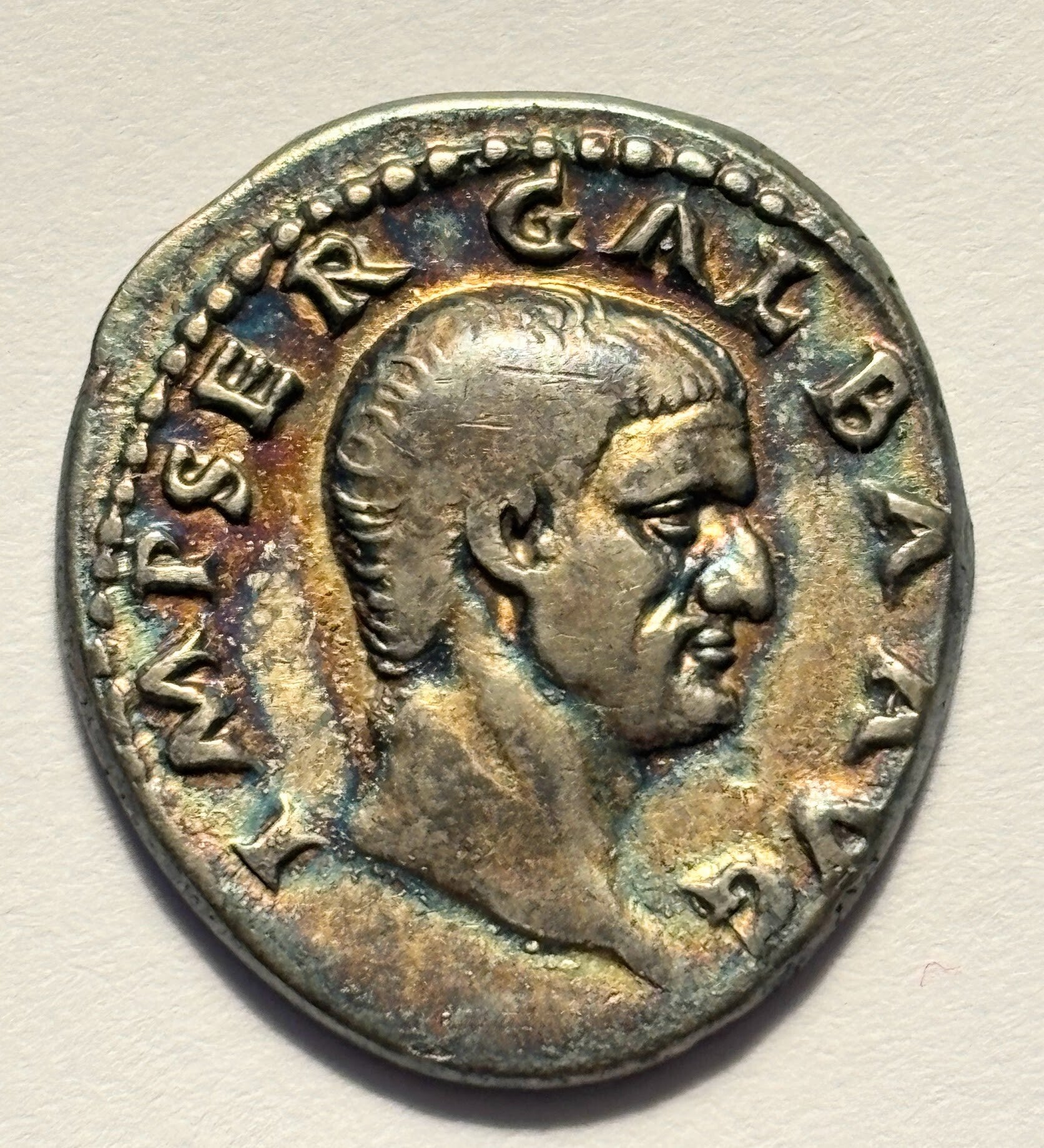
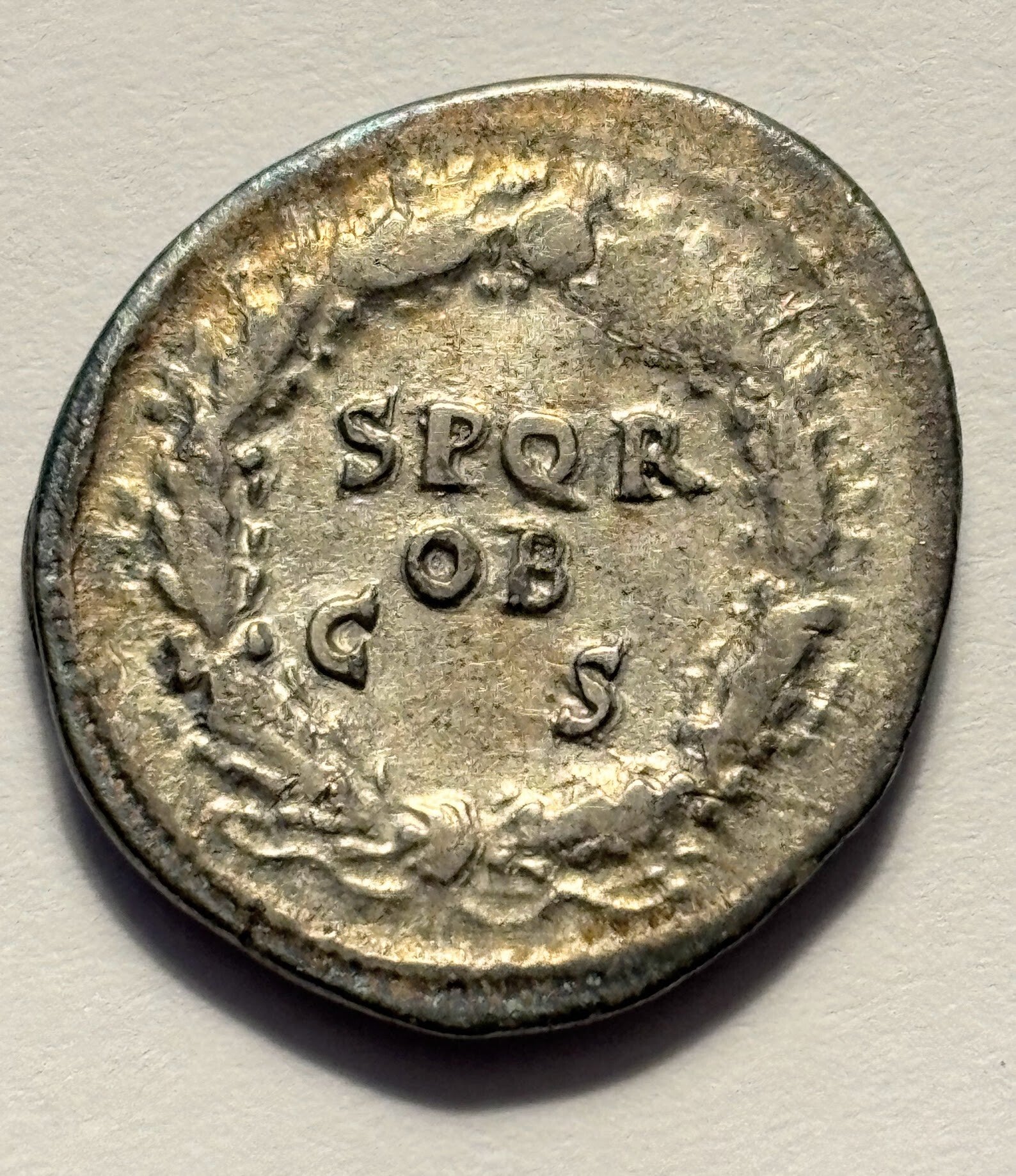
165. Galba (68-69) - SPQR / OB / C S within Oak‑Wreath
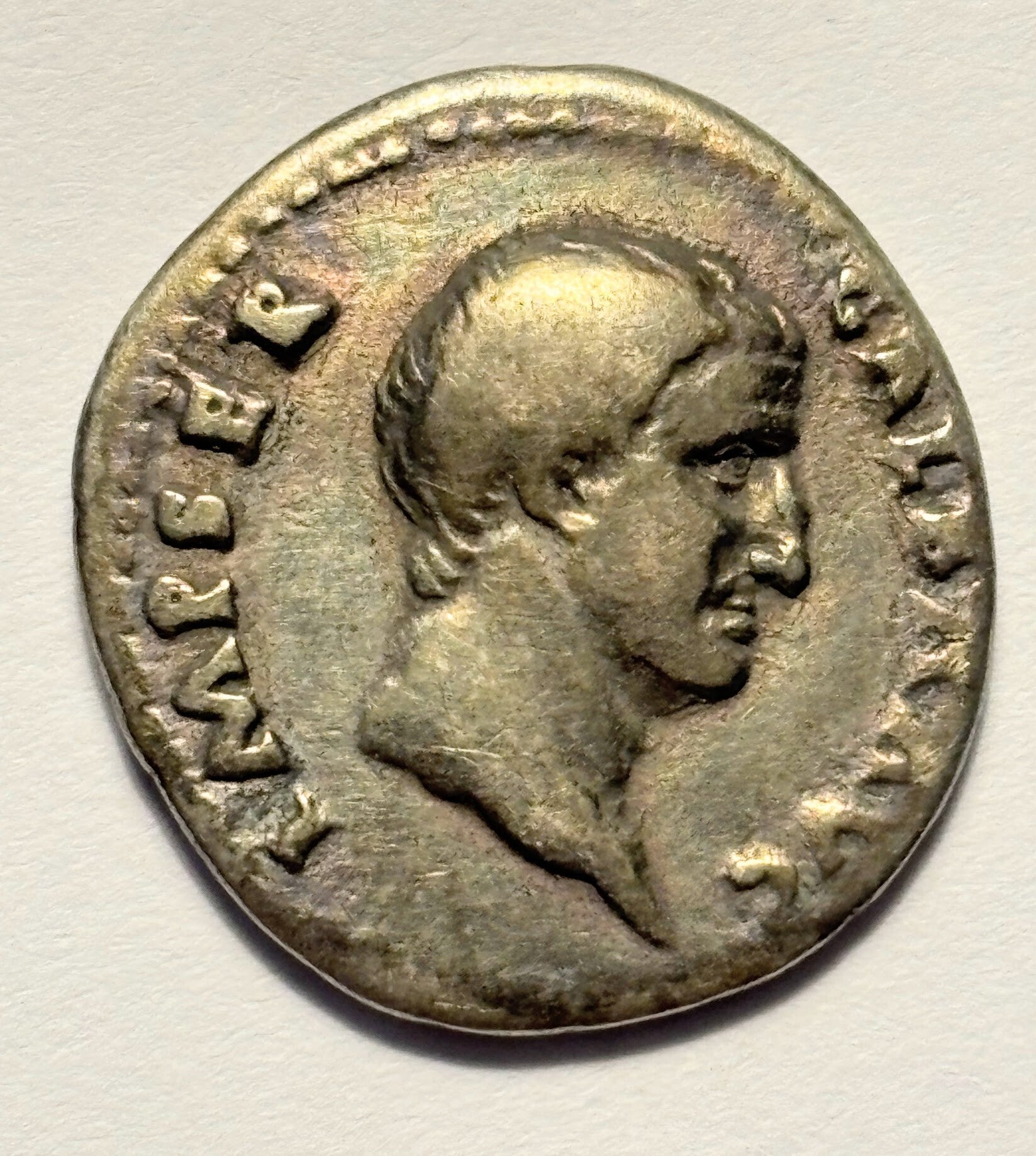
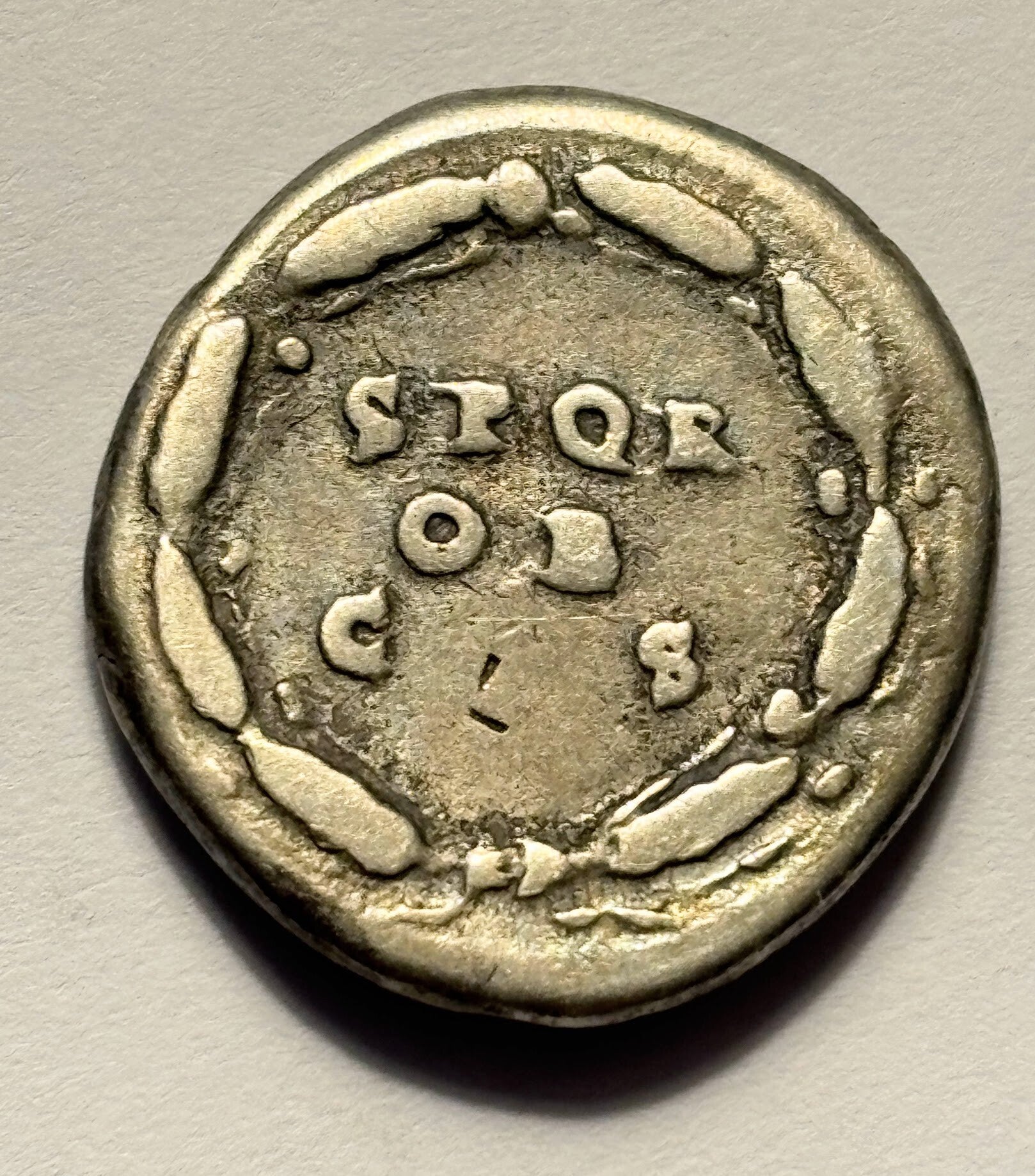
101. Galba (68-69) - Roma Standing, Foot on Globe
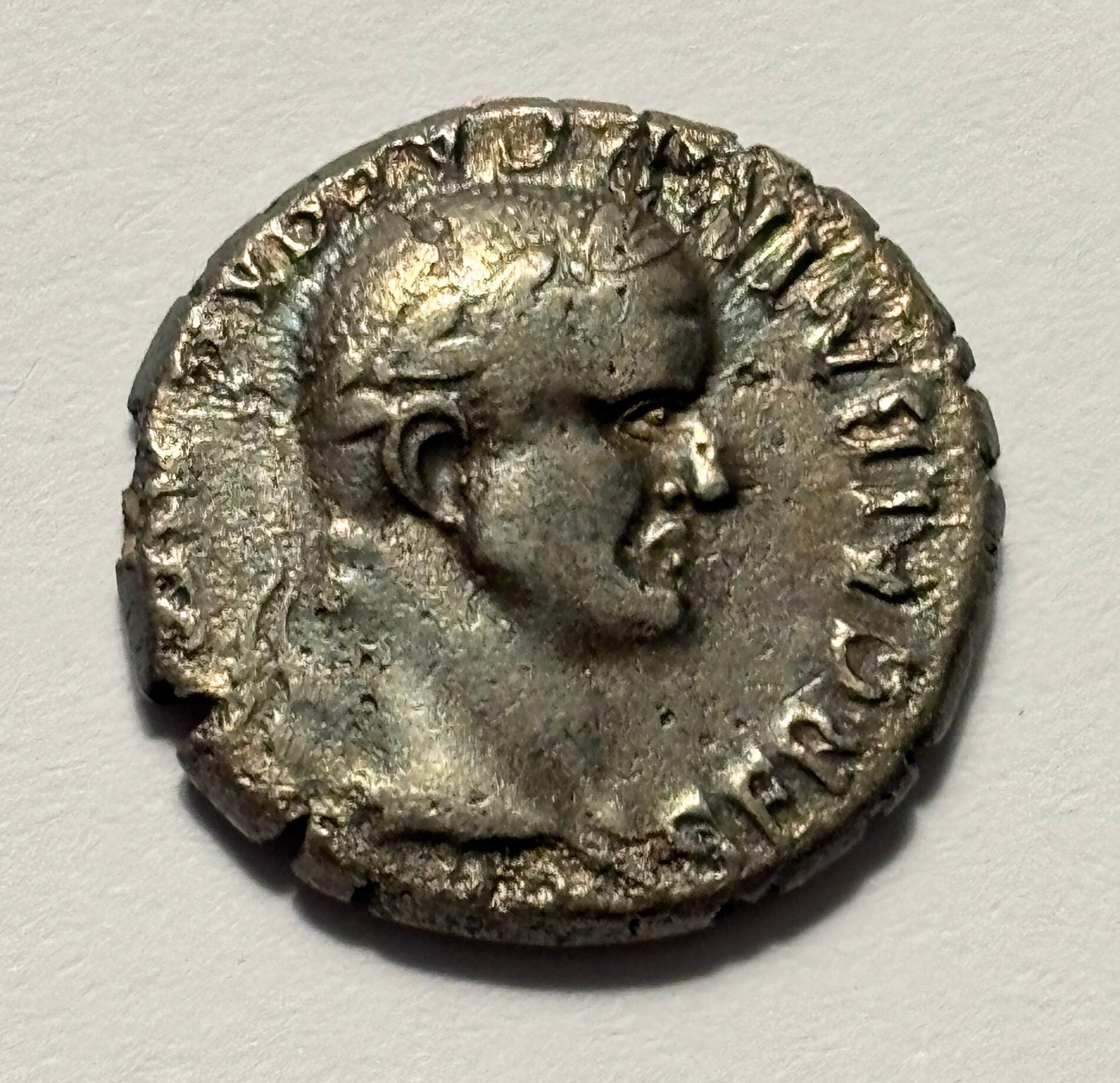
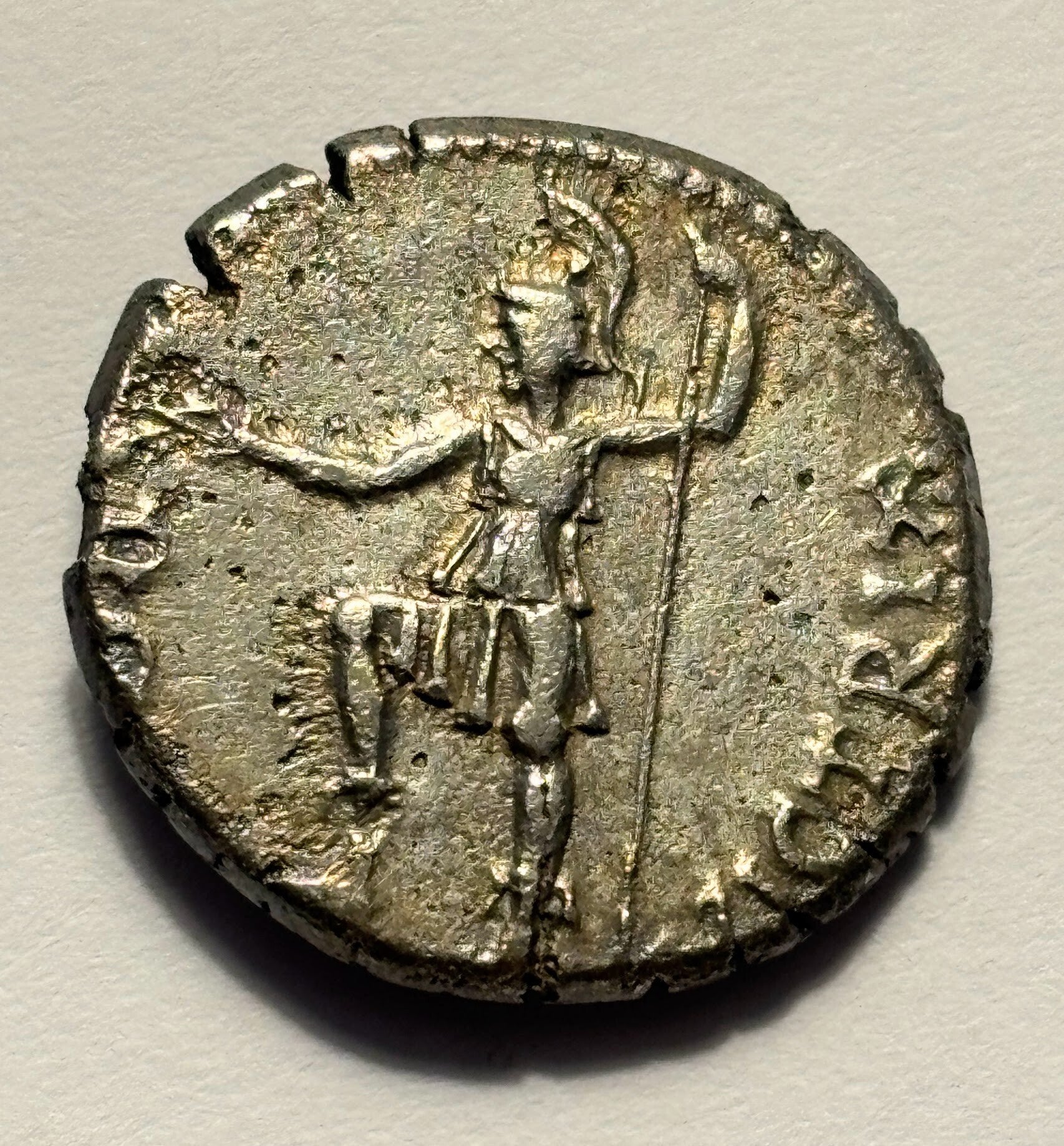
306. Galba (68-69) - Libertas standing between two ears of corn
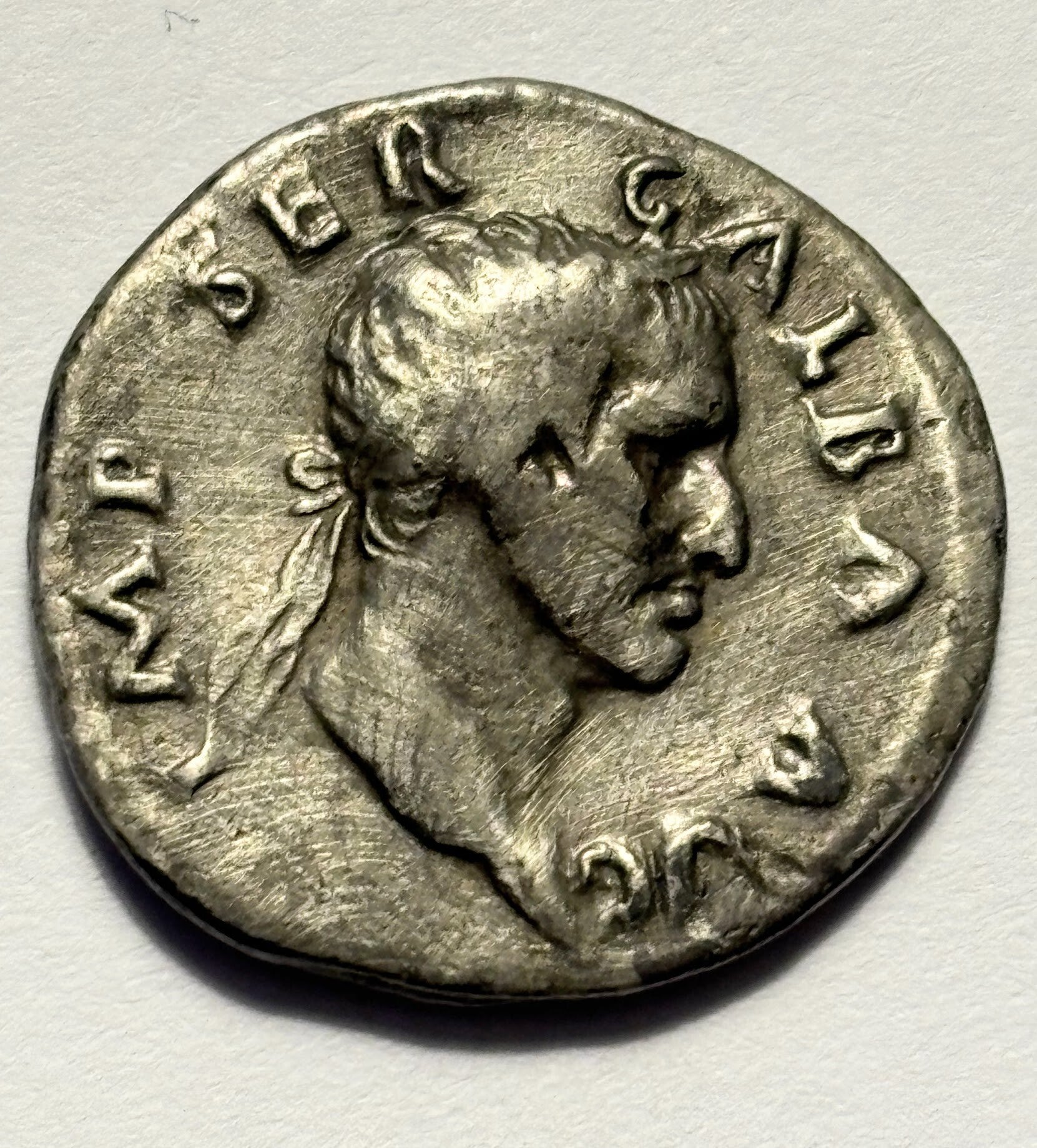
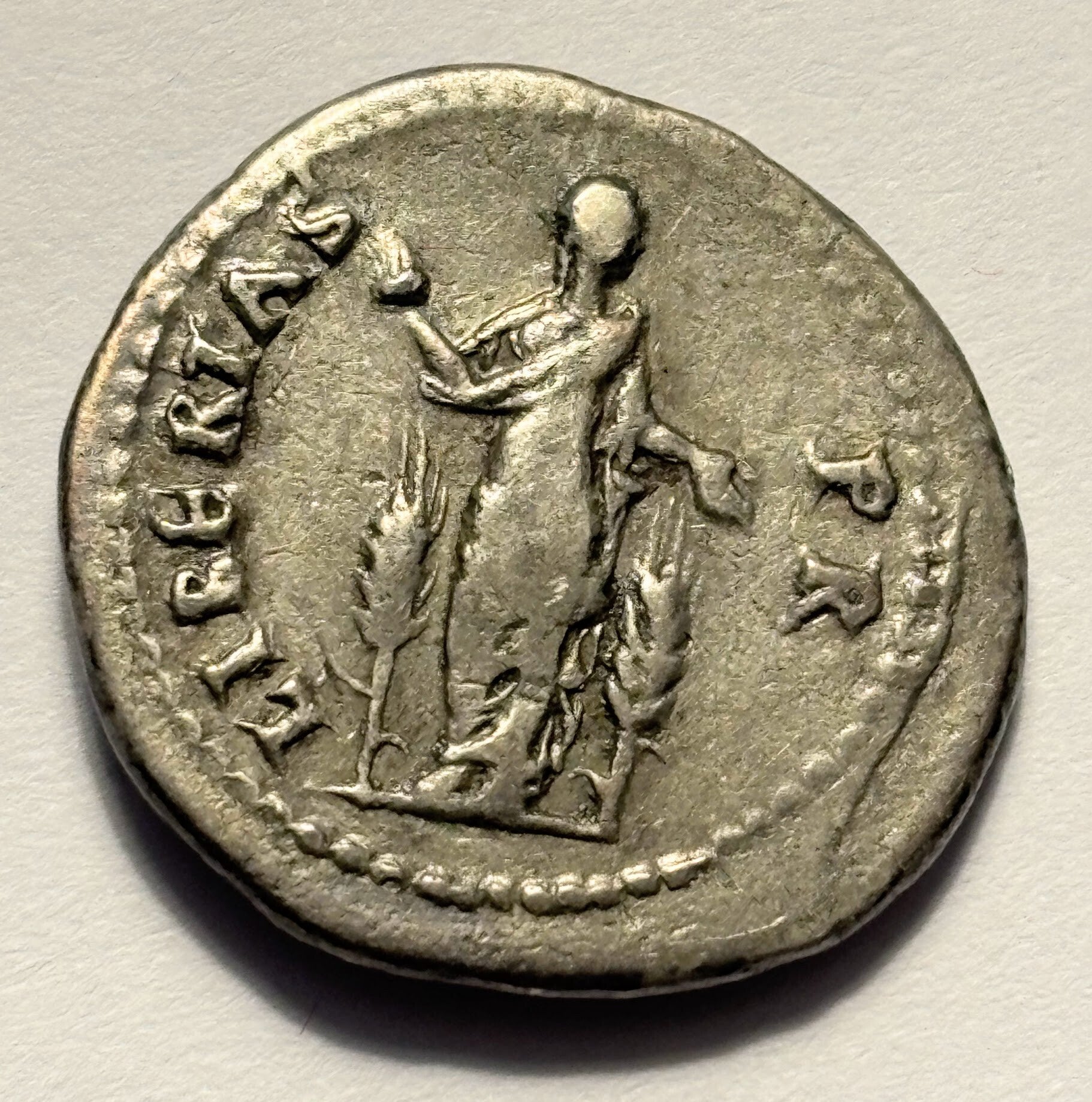
110. Galba (68-69) - Liberty Standing
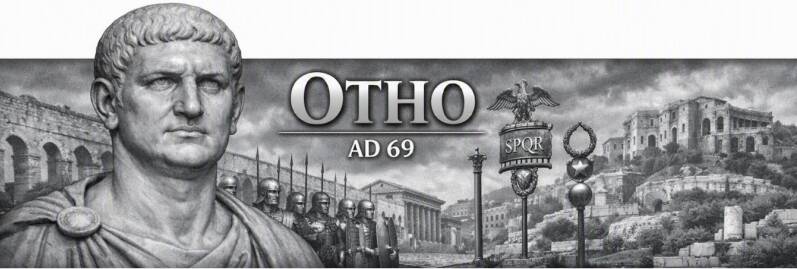
Otho (AD 69) was the second emperor of the chaotic Year of the Four Emperors, ruling for just three months. A polished courtier and former governor, he had once been close to Nero and even adopted some of his fashions — including the carefully styled wig he wore to conceal thinning hair, a detail noted by ancient historians and often repeated ever since. After Galba refused to adopt him as heir, Otho orchestrated a swift coup and was proclaimed emperor by the Praetorian Guard. His short reign aimed at stability and reconciliation, but Vitellius’ legions marched on Italy, forcing Otho into a desperate civil war. Defeated at the First Battle of Bedriacum, he chose suicide rather than prolong bloodshed, leaving a legacy of dignity and tragic honour in a year otherwise marked by turmoil.
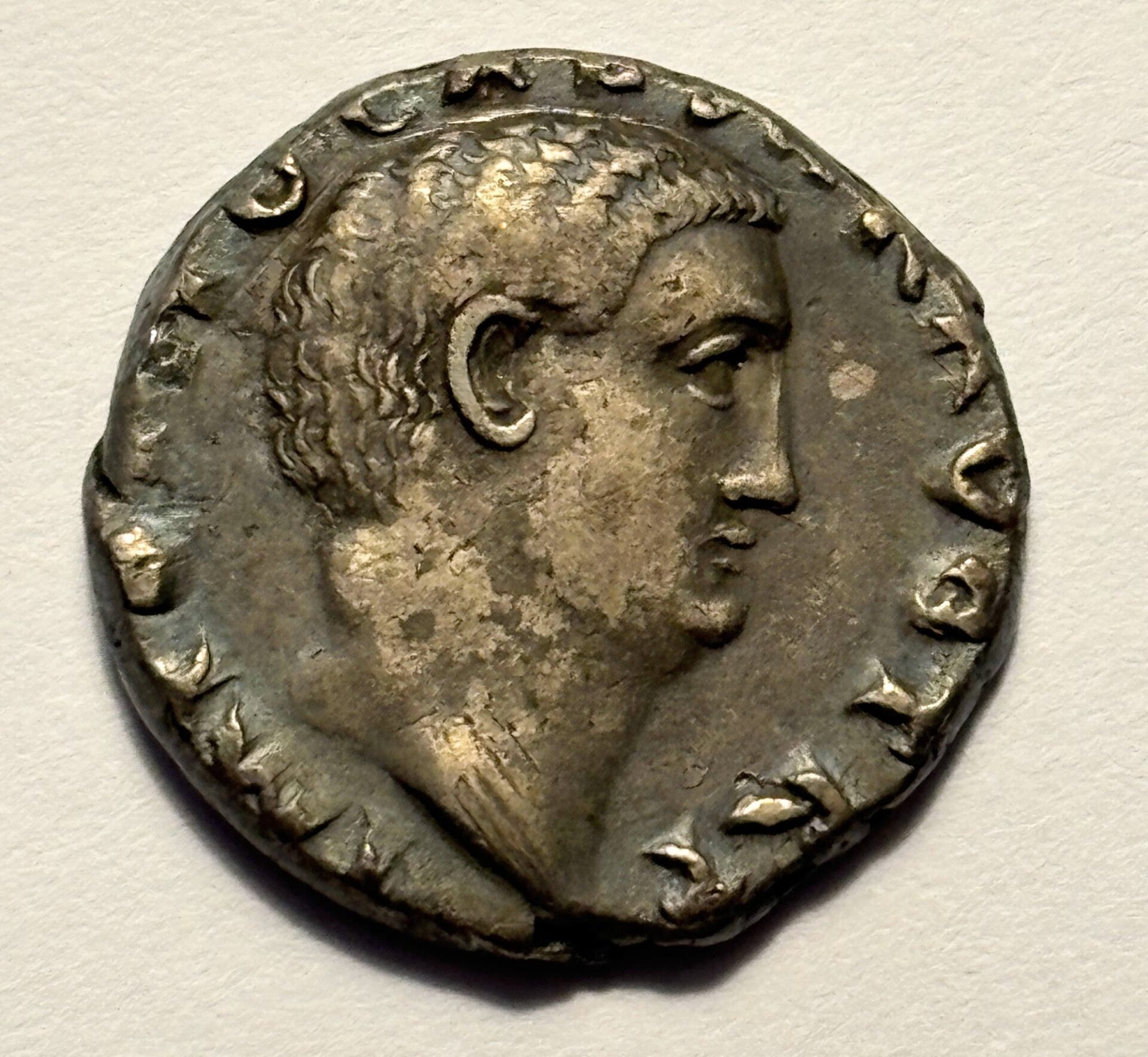
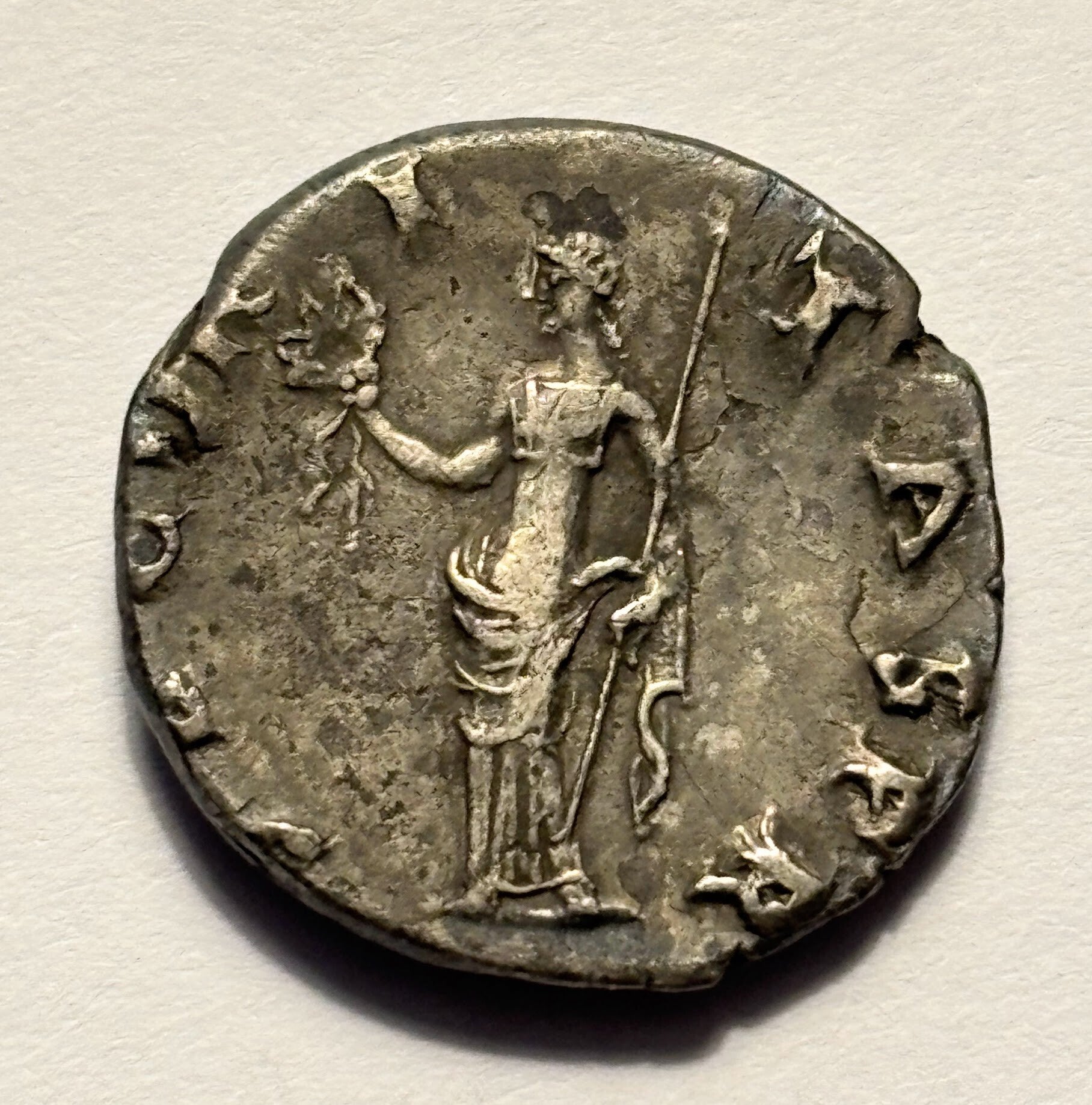
Otho struck coinage that projects dignity, calm, and a deliberate promise of stability in the midst of civil war. His portraits are unusually refined — elegant hair, composed features — signalling a ruler who wished to present himself as cultured and capable despite the turmoil of AD 69. The reverses emphasise peace and security, especially the celebrated PAX ORBIS TERRARVM and SECURITAS types, which proclaim his intention to restore order after Galba’s harsh rule and Vitellius’ looming threat. Otho’s coinage is polished, hopeful, and surprisingly serene, capturing a brief reign defined by restraint, honour, and a sincere attempt to steady the empire.
1. Otho (69) - Pax holding Olive Branch and Sceptre
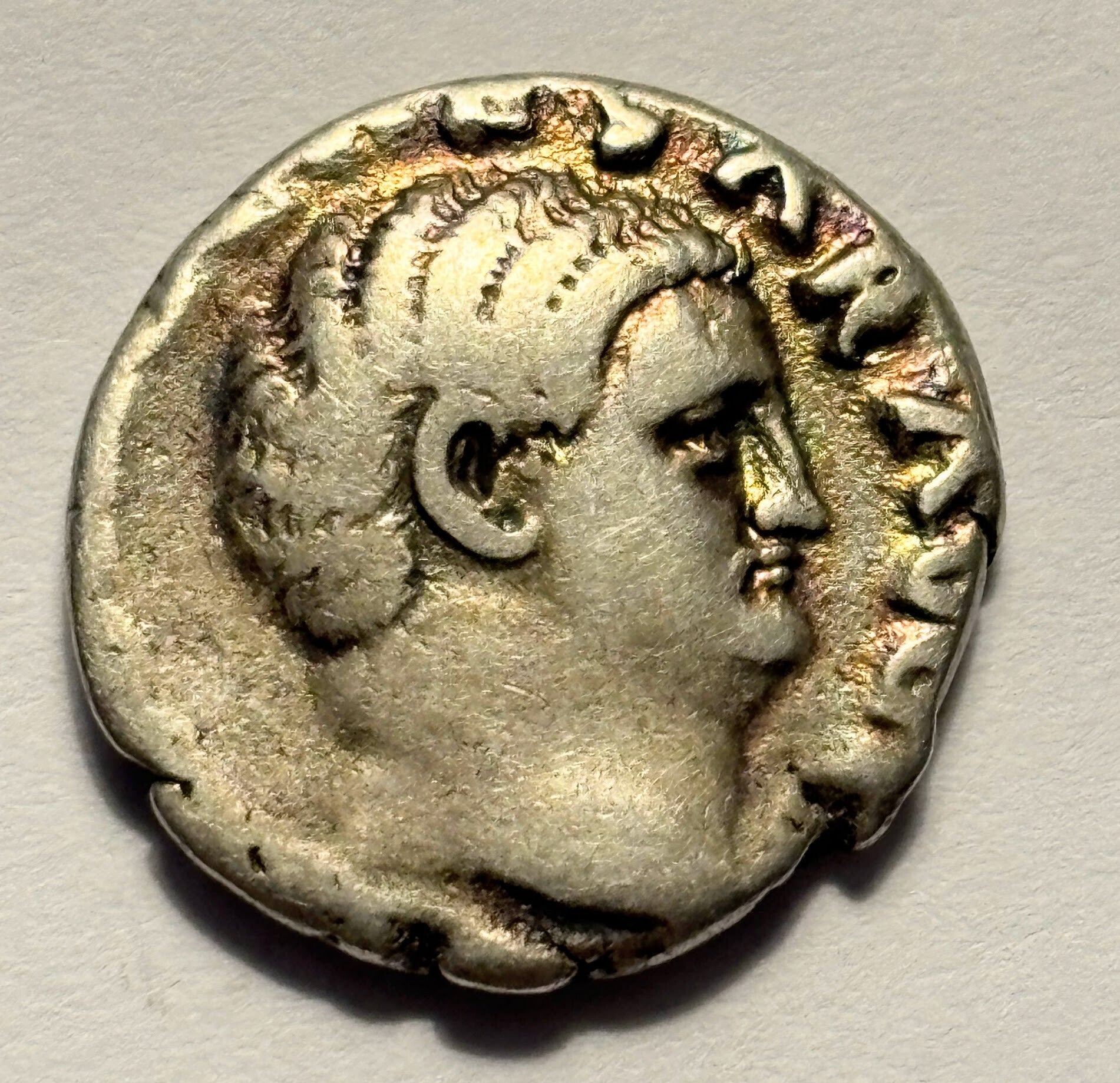
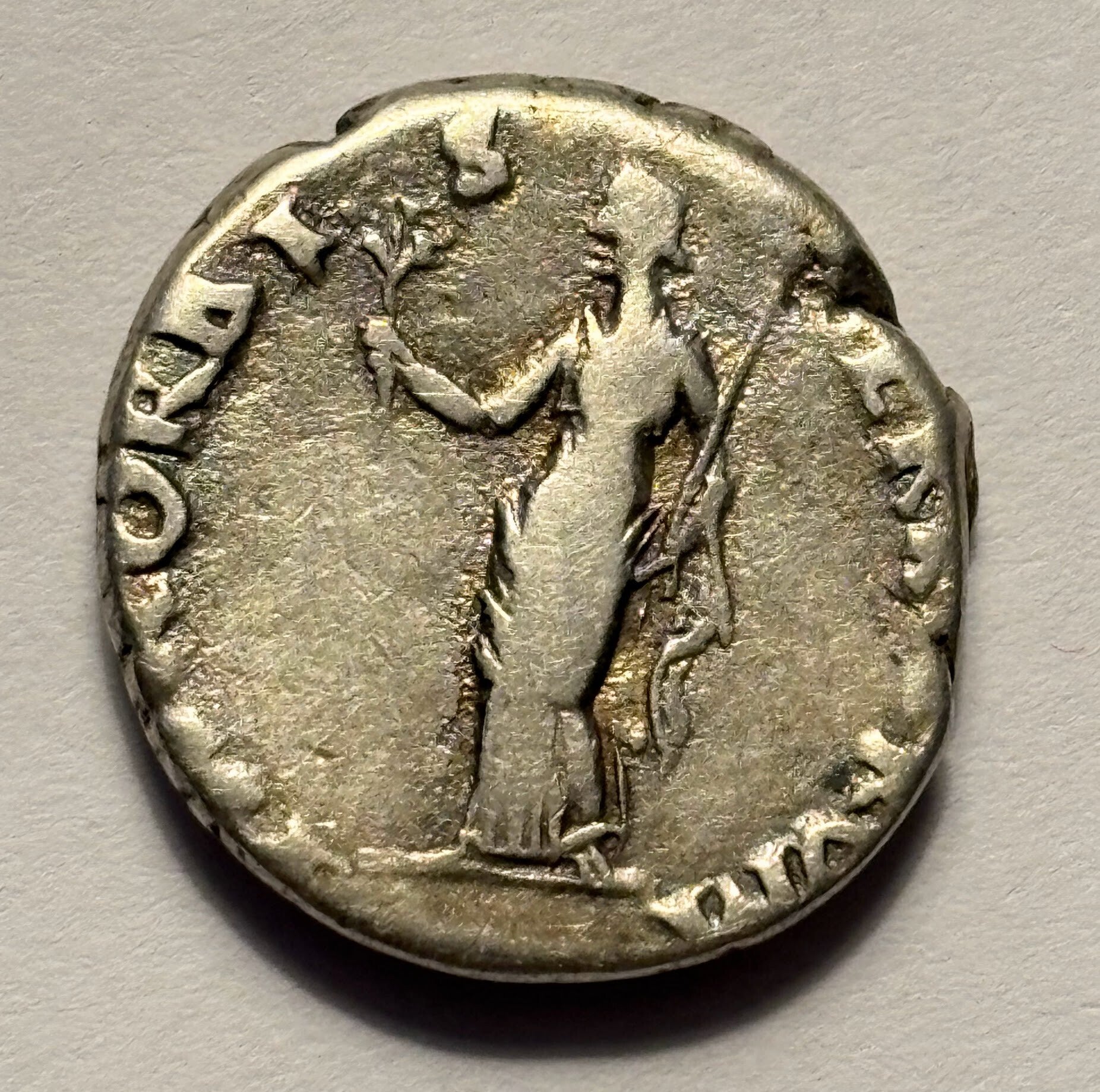
79. Otho (69) - Securitas Draped, standing left
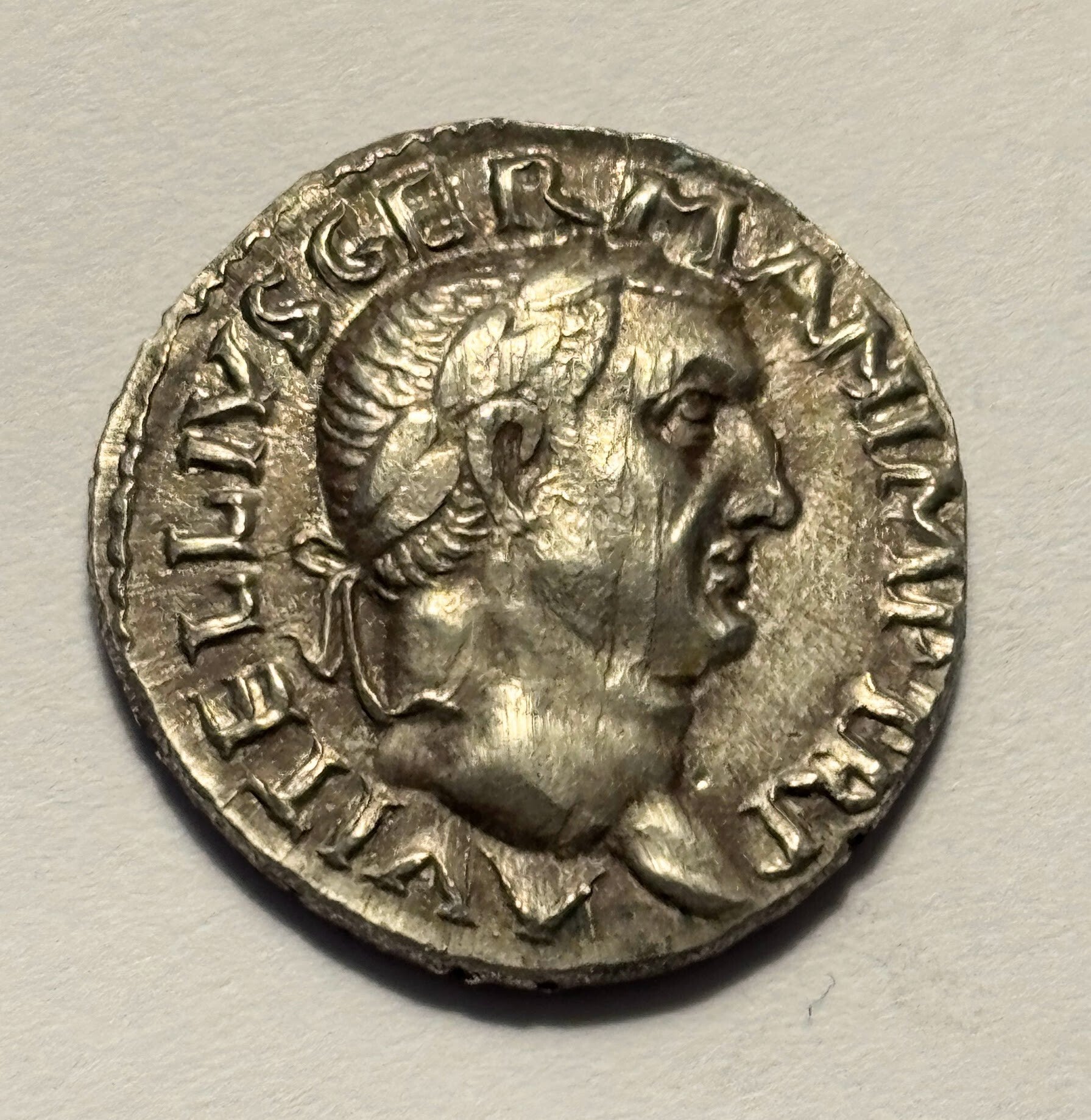
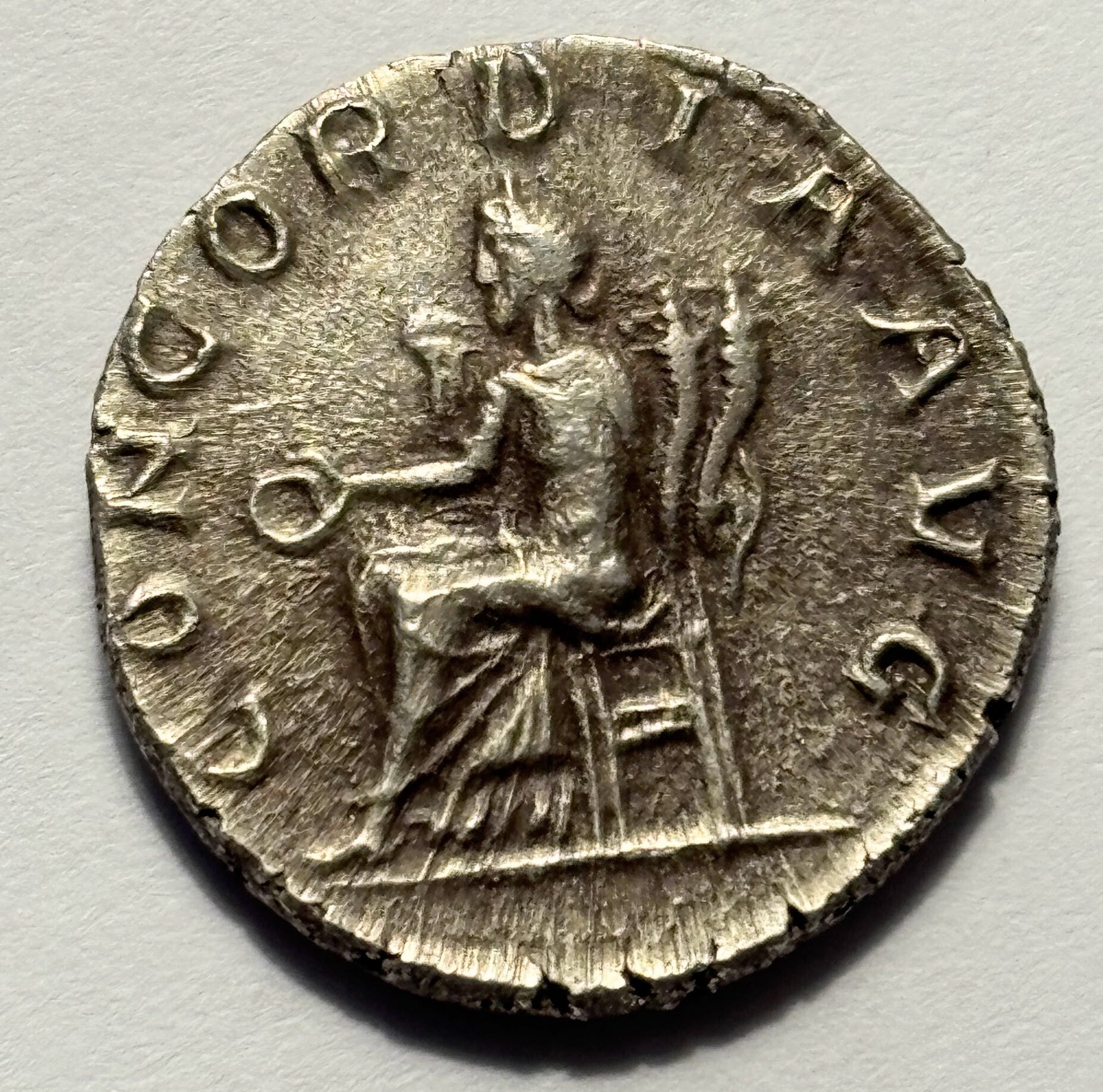
Vitellius (AD 69) was the third emperor of the Year of the Four Emperors, raised to power by the legions of Germany who proclaimed him emperor after Nero’s fall. A seasoned administrator and former governor, he entered the struggle for the throne as a compromise candidate but quickly became swept up in the civil war that defined the year. After defeating Otho at Bedriacum, Vitellius took control of Rome, presenting himself as a traditional, approachable ruler and emphasising his priestly background and the loyalty of the German legions. His reign, however, was short‑lived: Vespasian’s eastern armies advanced on Italy, and Vitellius was overthrown and killed in December AD 69. Though remembered for excess and mismanagement, his brief rule reflects the deep instability of Rome during one of its most violent political crises.
Vitellius used his coinage to proclaim legitimacy in a year defined by chaos, leaning heavily on divine favour and the loyalty of the German legions who raised him to power. His portraits are broad, weighty, and unmistakably realistic, projecting a ruler grounded in military authority rather than dynastic glamour. The reverses emphasise Jupiter’s protection — especially the powerful IVPPITER VICTOR type — along with Victory, priestly emblems, and titles that underline his role as Germanicus. Vitellius’ coinage is assertive, martial, and intensely symbolic, capturing a brief reign that sought to anchor itself in divine sanction and battlefield loyalty during the storm of AD 69.
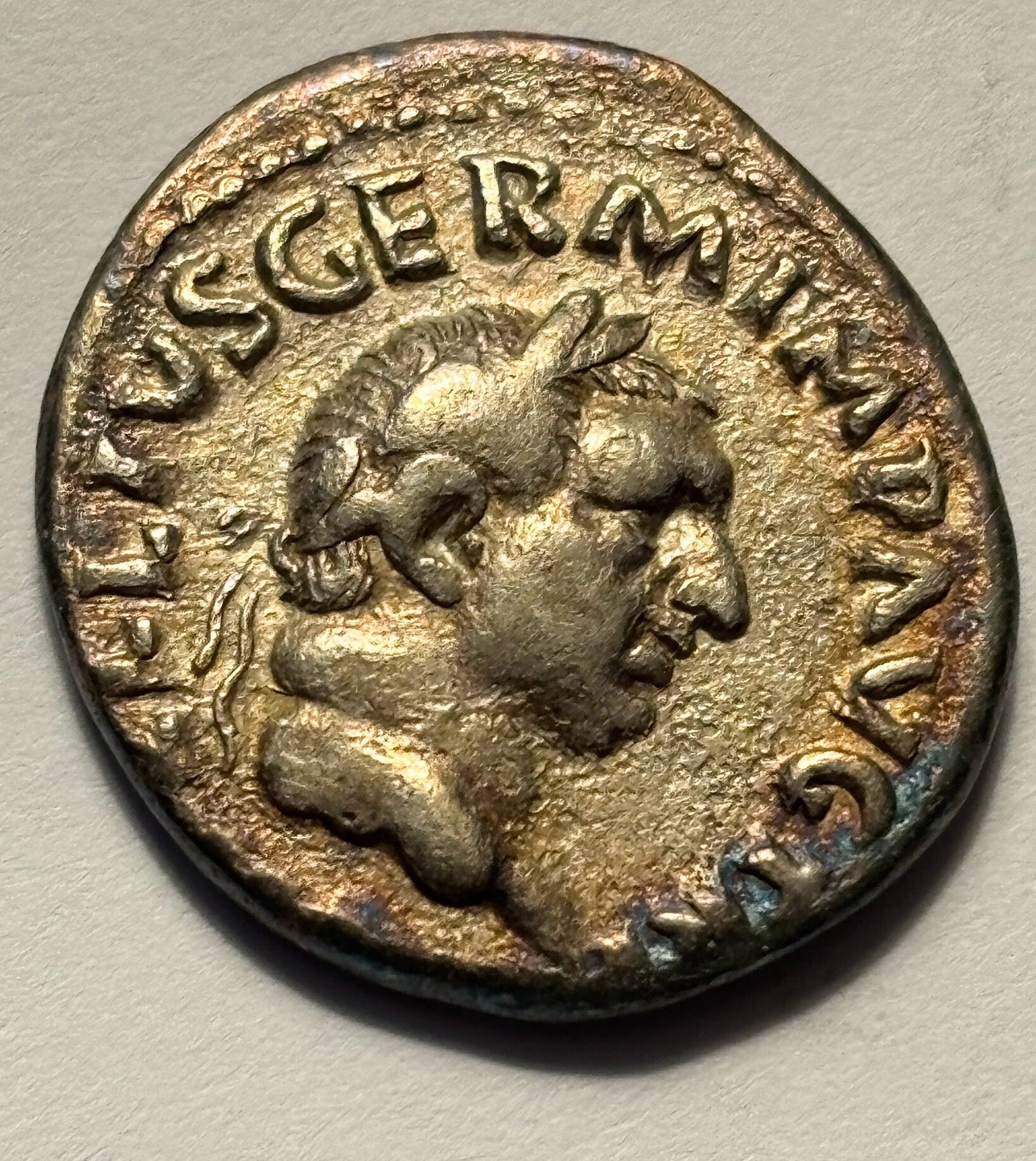
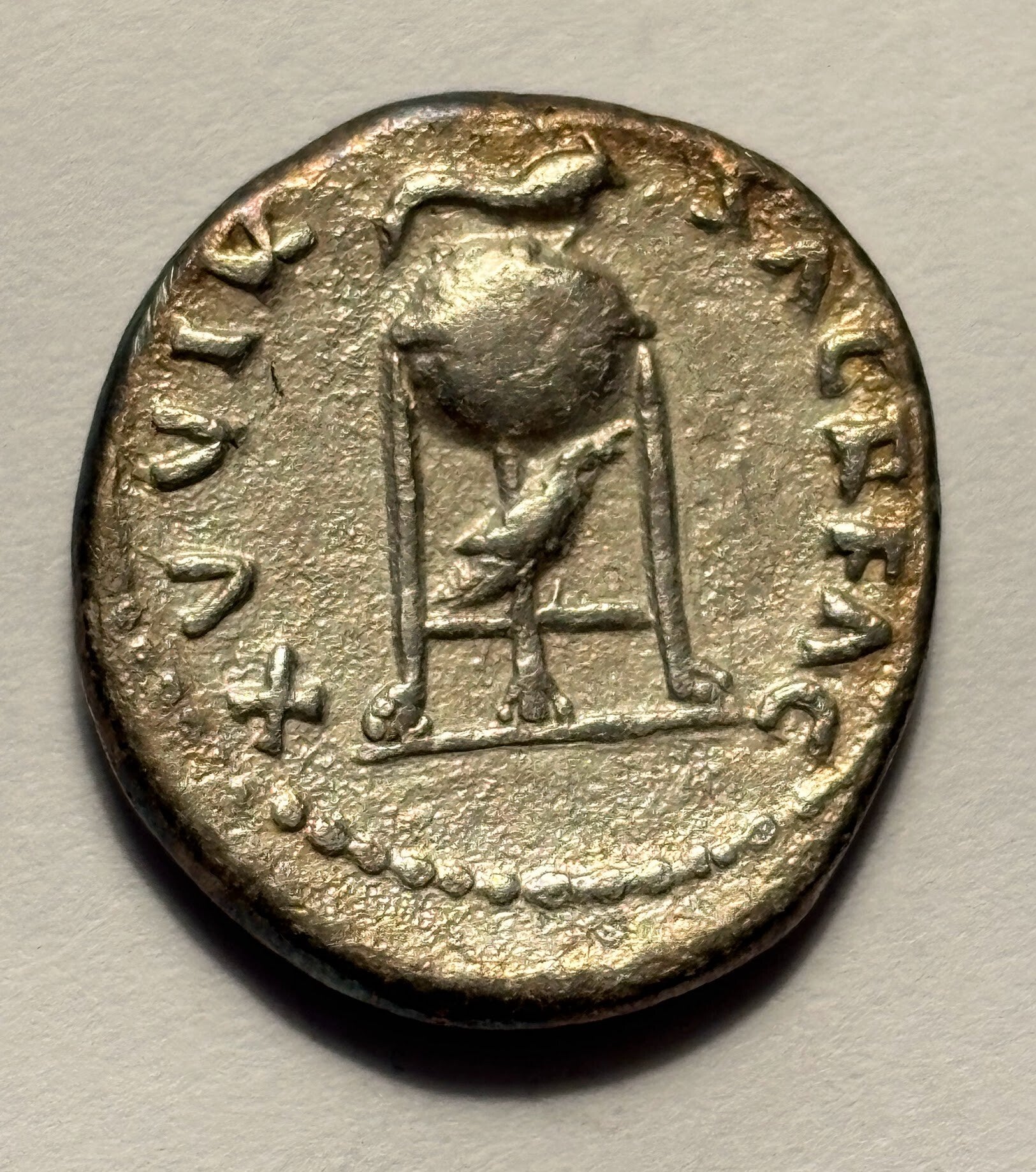
99. Vitellius (69) - Tripod-Lebes surmounted by dolphin and Raven Beneath
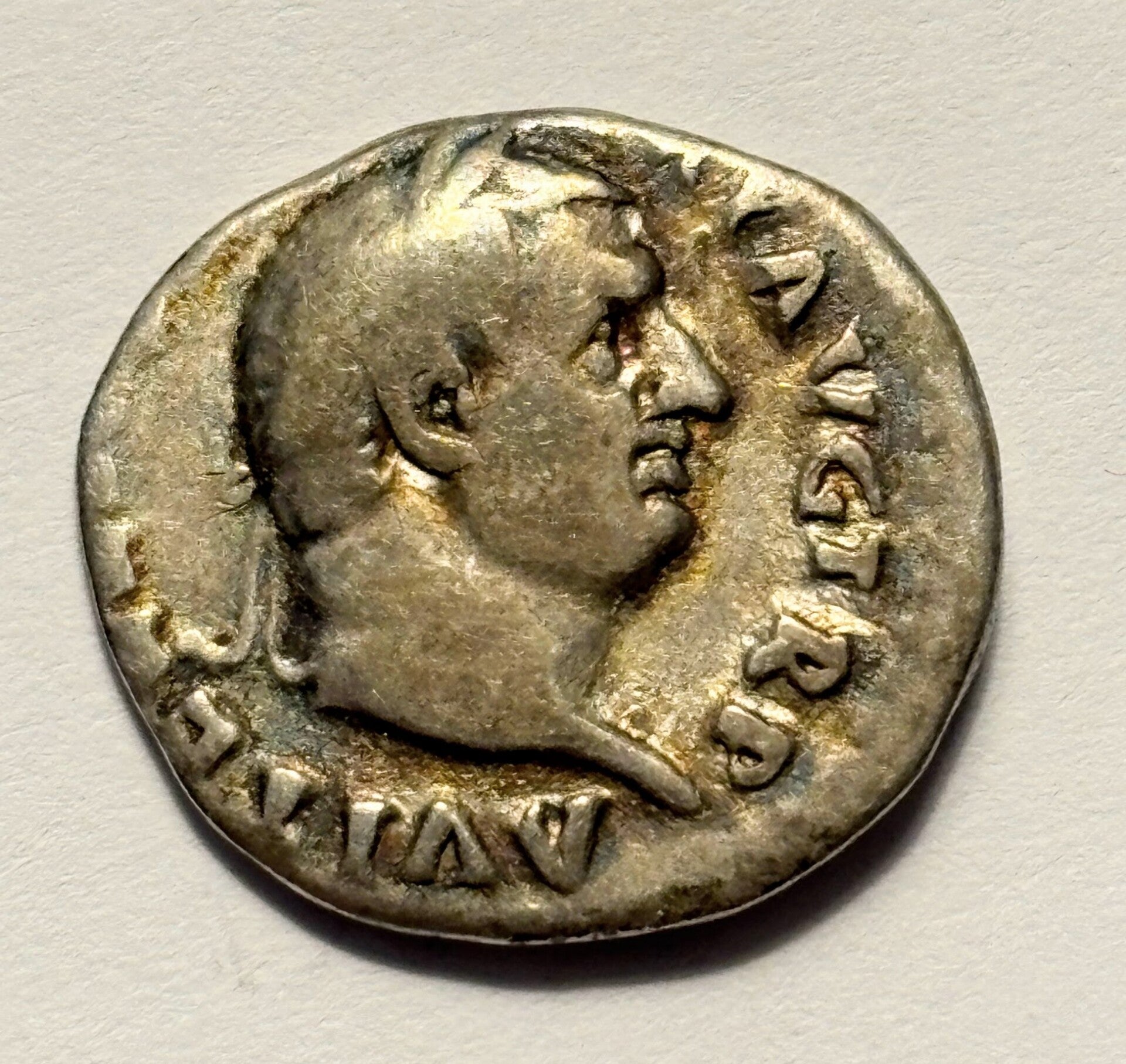
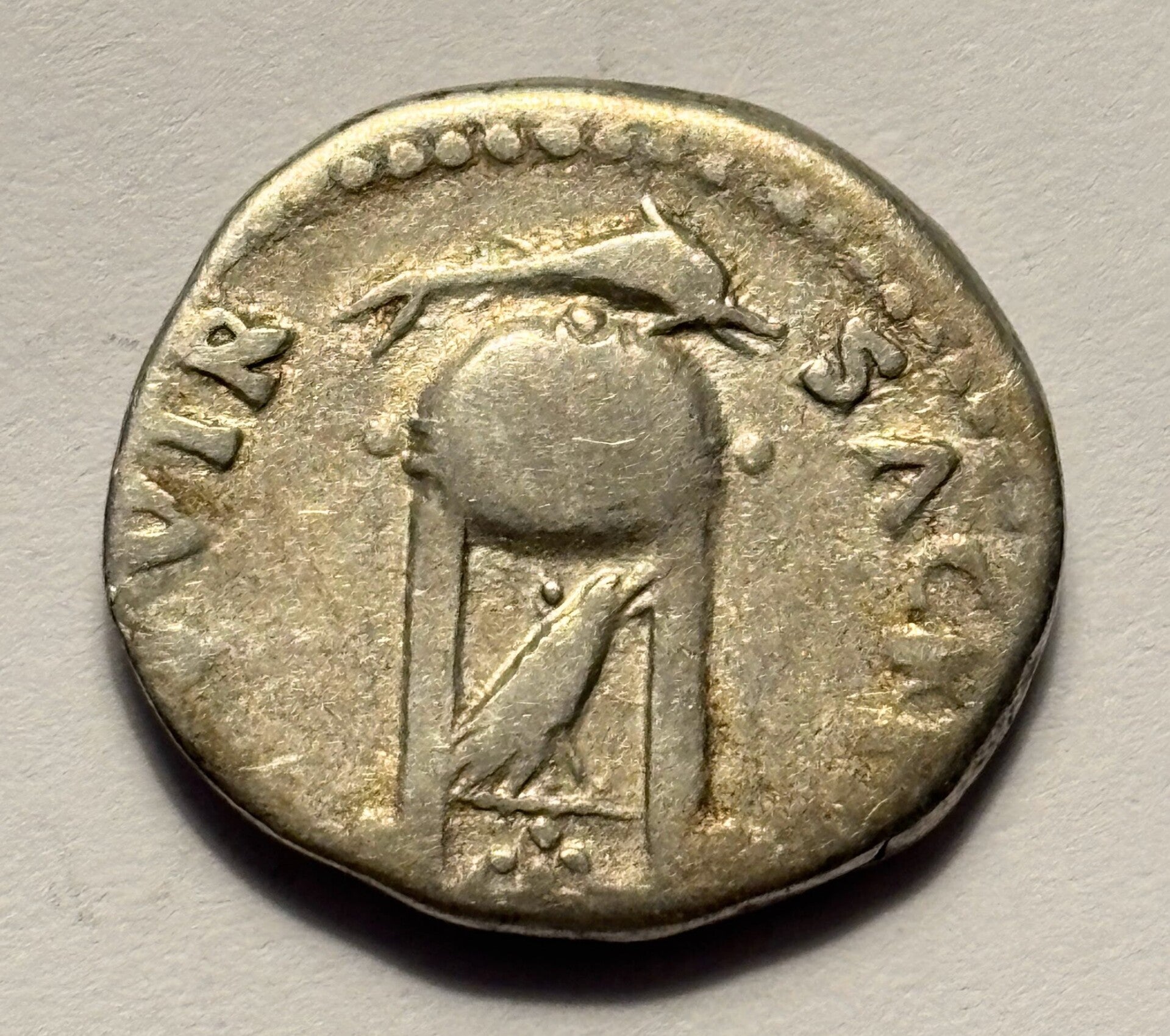
64. Vitellius (69) - Tripod-Lebes surmounted by dolphin and Raven Beneath
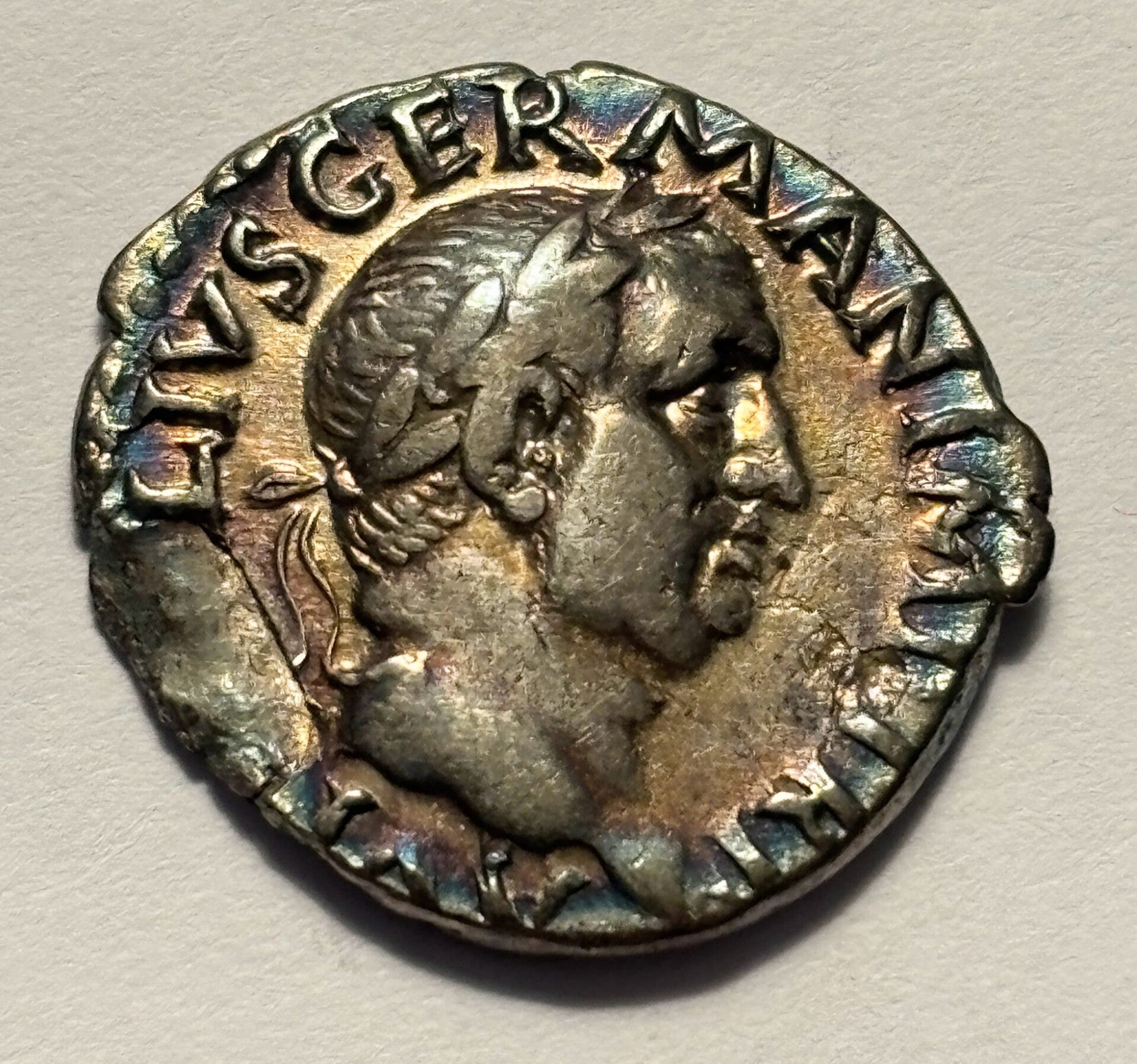
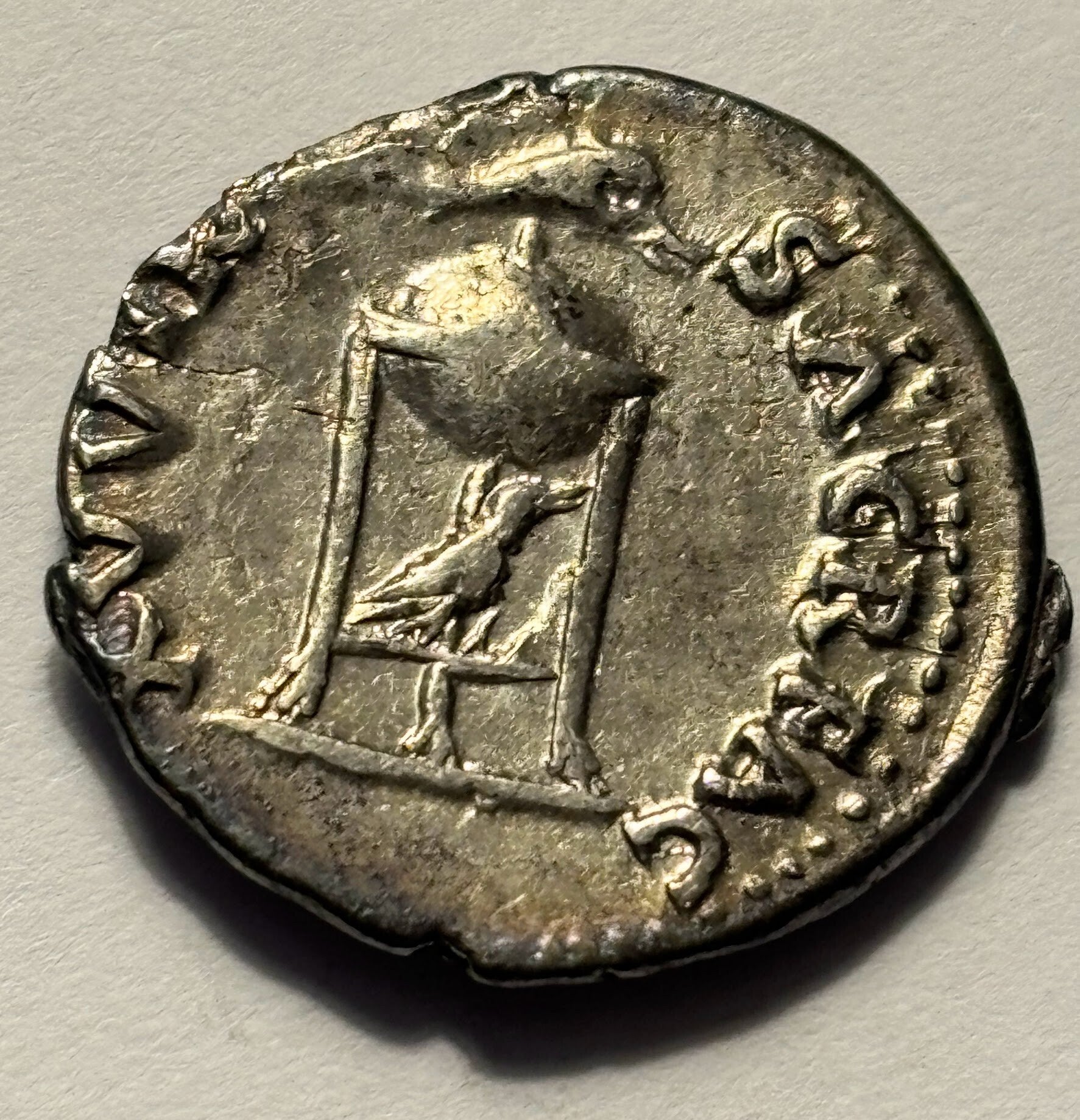
326. Vitellius (69) - Tripod-Lebes surmounted by dolphin and Raven Beneath
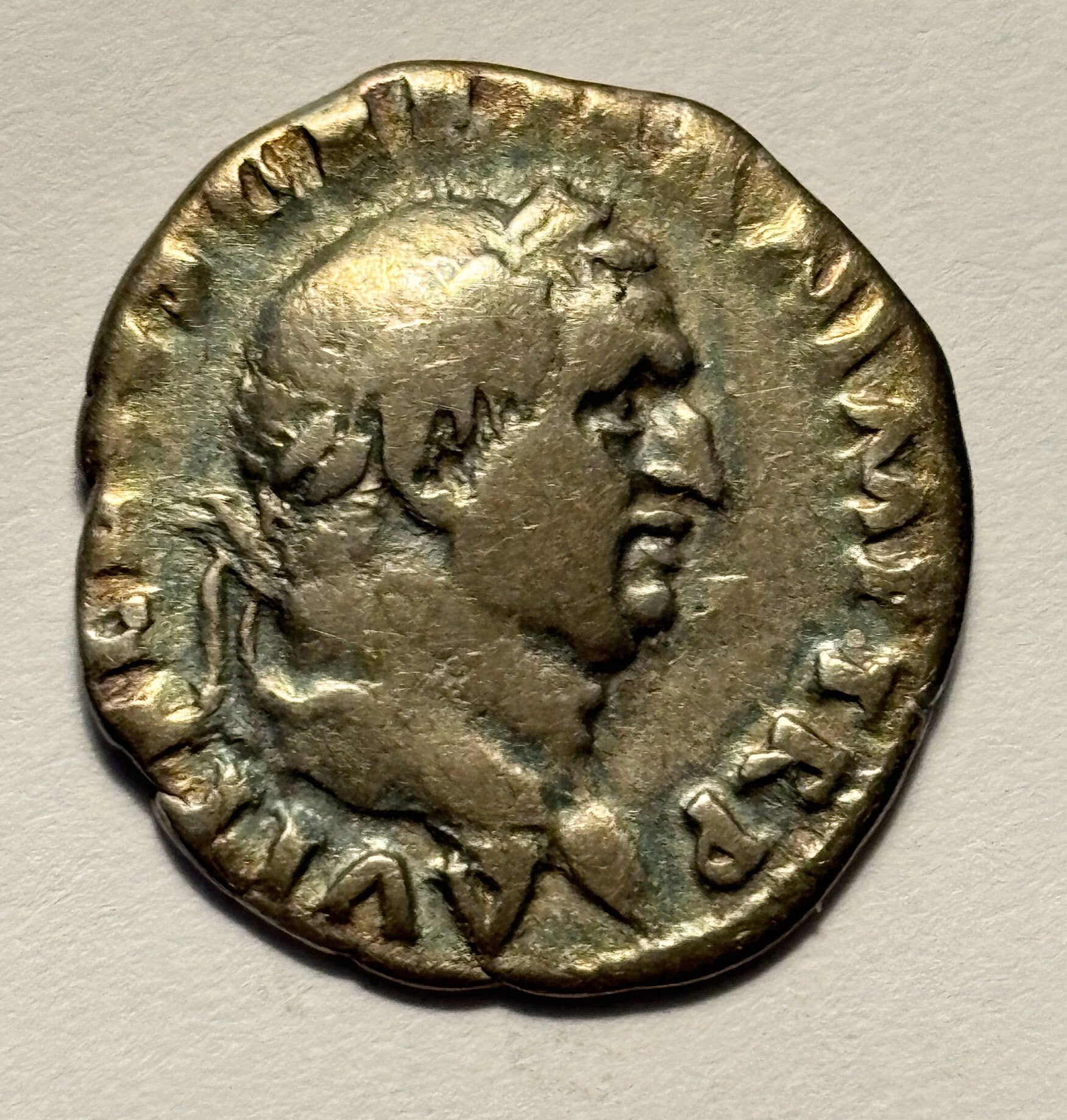
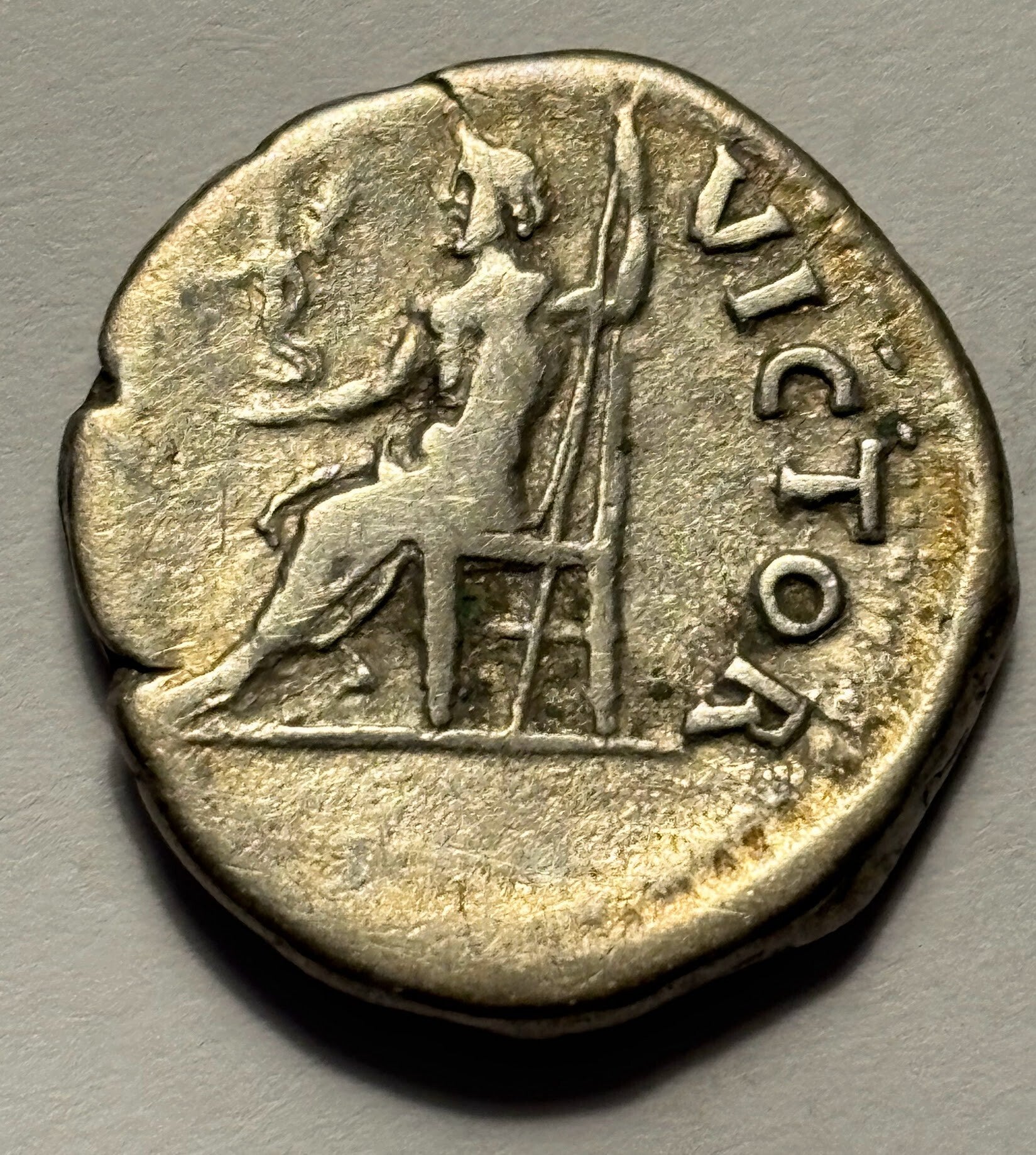
118. Vitellius (69) - Jupiter seated, holding victory & sceptre
362. Vitellius (69) - Libertas standing
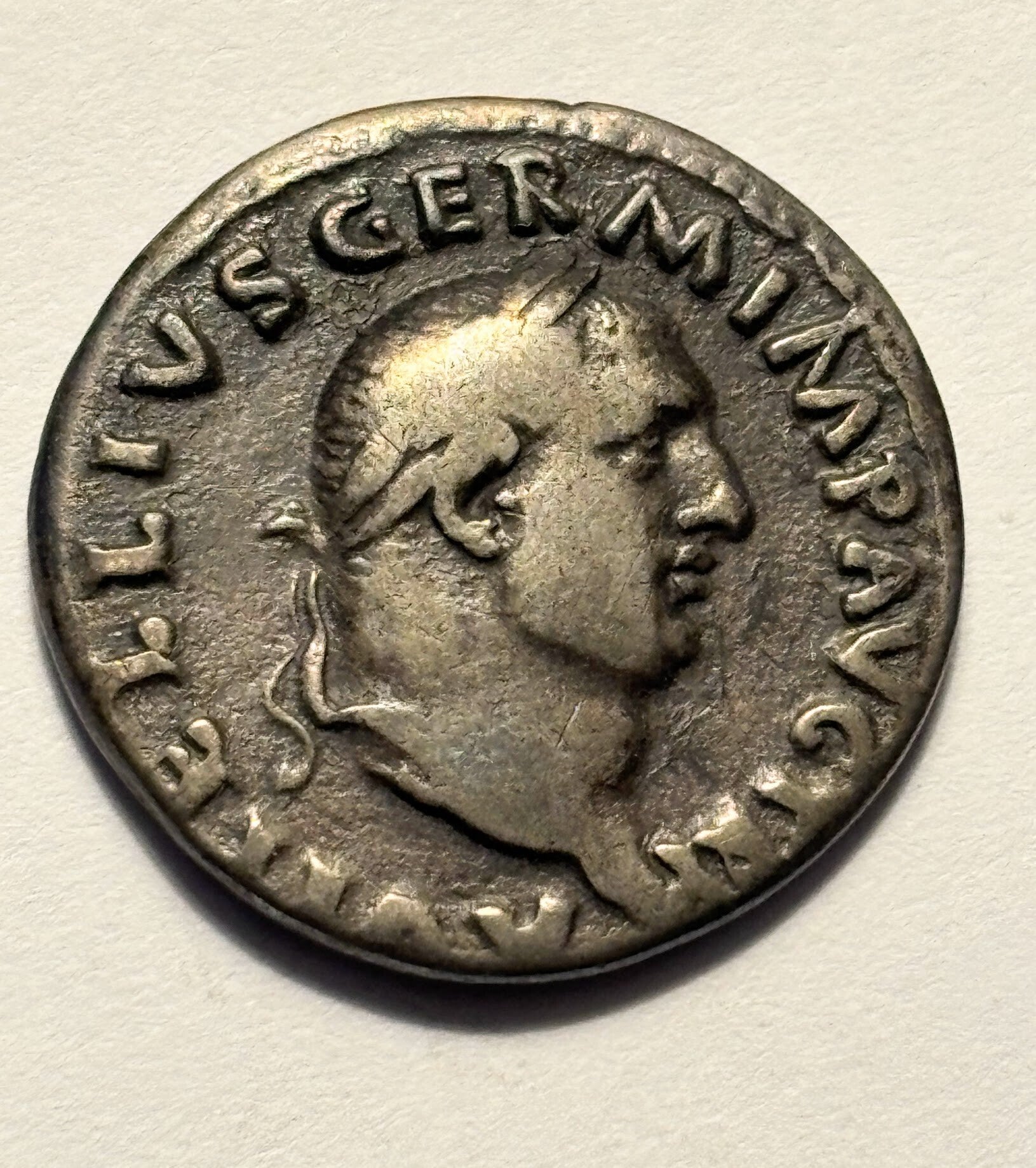
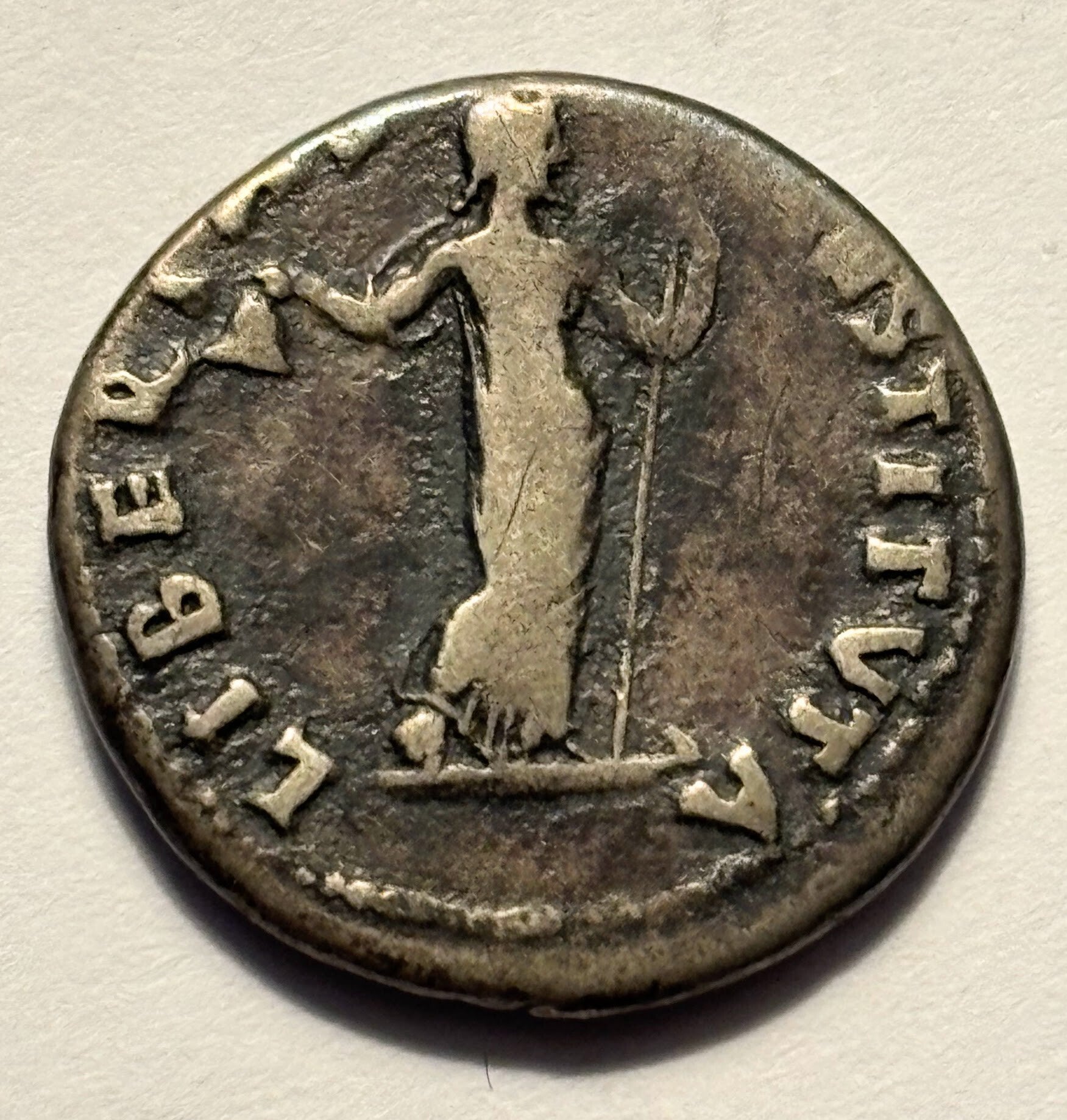
387. Vitellius (69) - Concordia
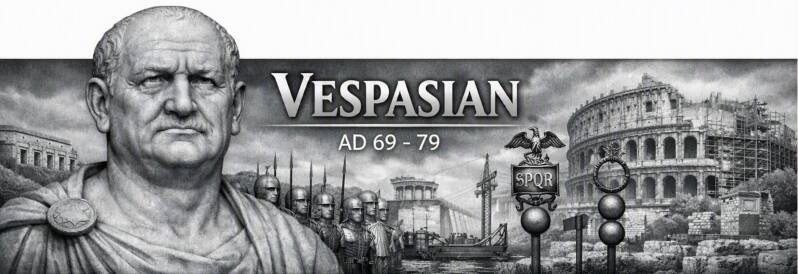
Vespasian’s rule restored solidity and sanity to an empire exhausted by civil war. Rising from the chaos of AD 69, he governed with the practical discipline of a career soldier and the shrewdness of a provincial administrator. His priorities were clear: rebuild Rome’s finances, re‑establish the authority of the Senate, and repair the physical and moral fabric of the capital. Vespasian revived long‑neglected offices, tightened fiscal control, and poured resources into monumental construction — most famously the Flavian Amphitheatre, a symbol of stability and civic pride rising from Nero’s former pleasure grounds. His reign marked a decisive return to order, modesty, and administrative competence, laying the foundations for a dynasty that would guide Rome through a decade of recovery and renewal.
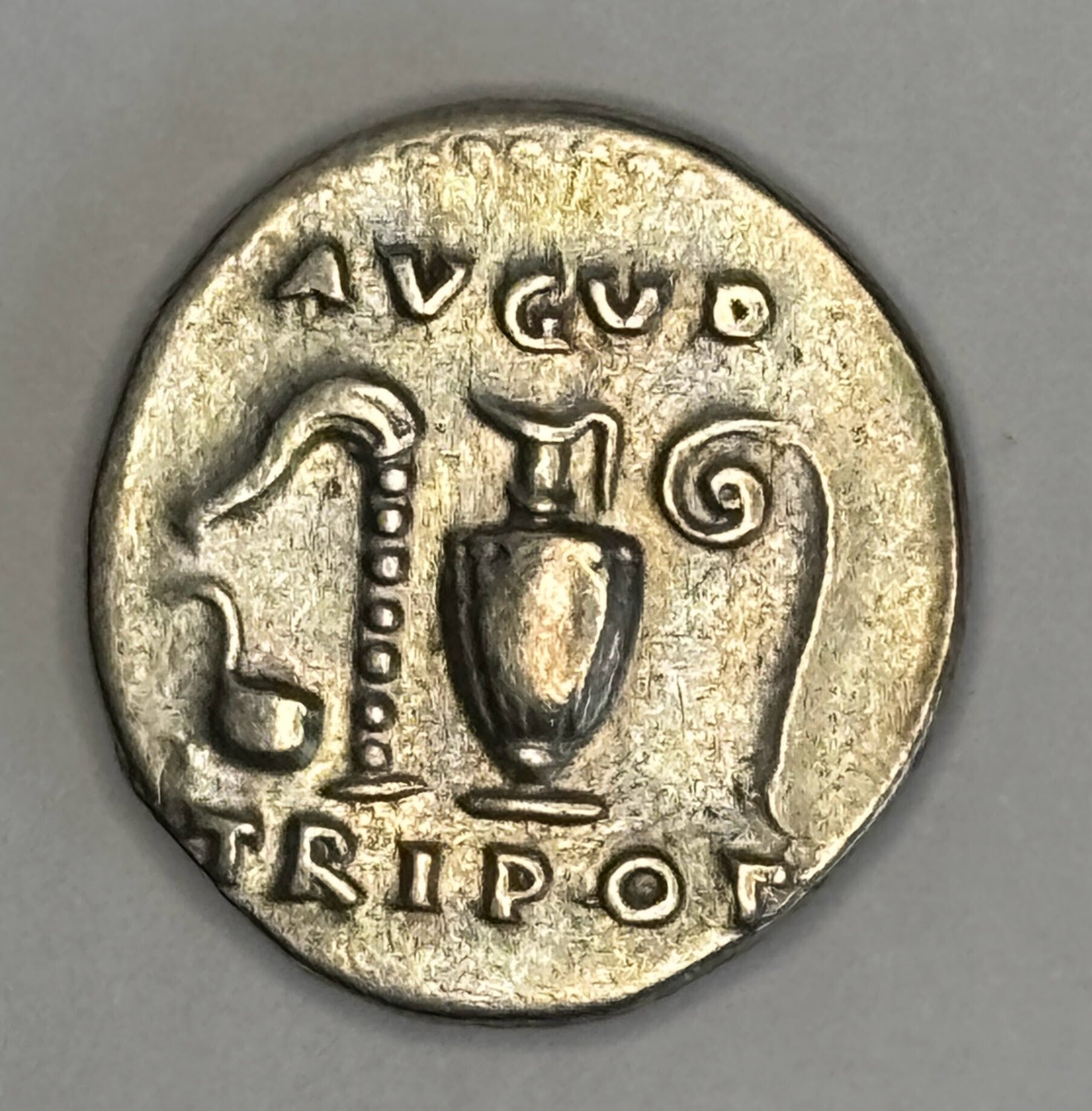
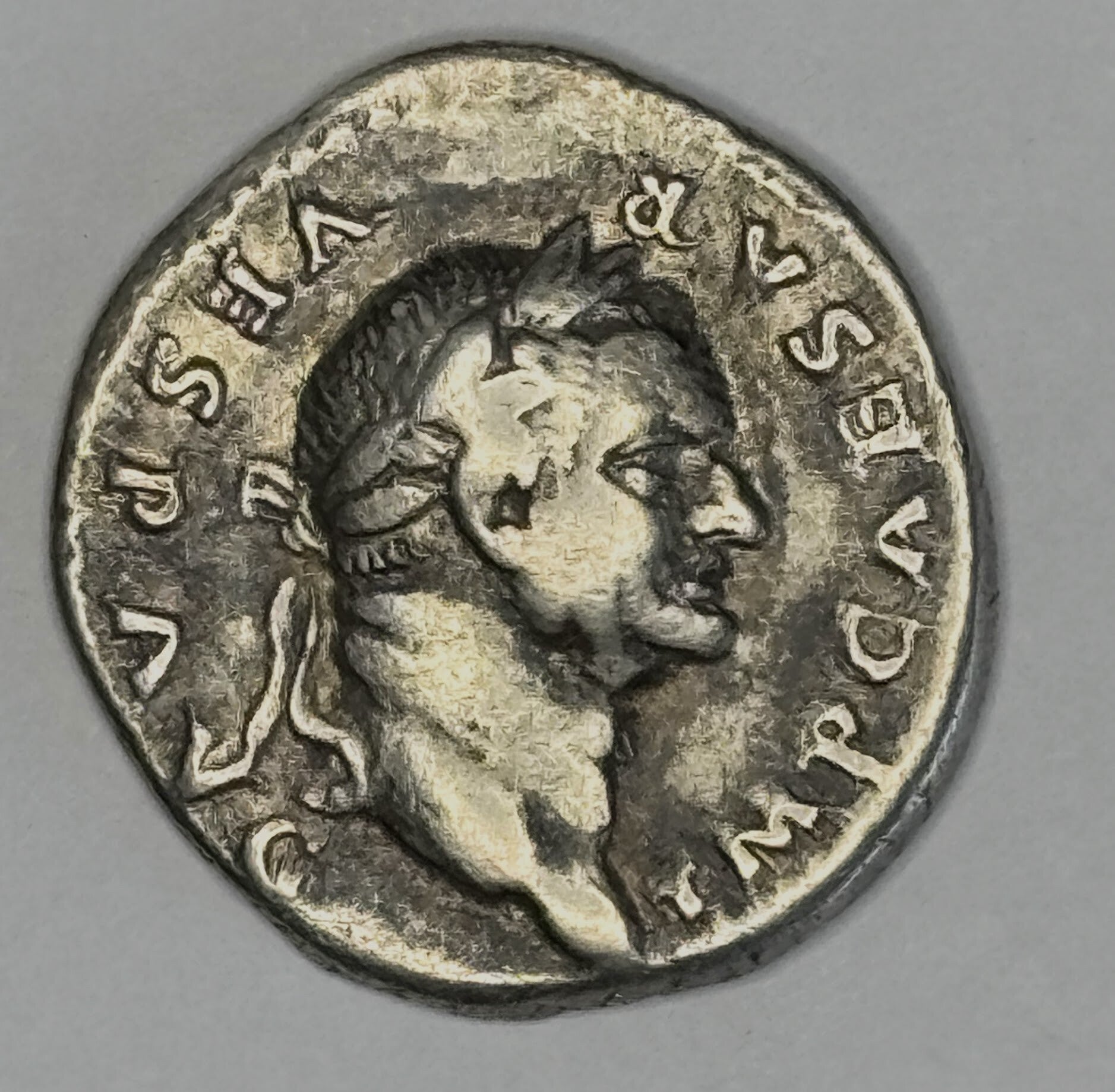
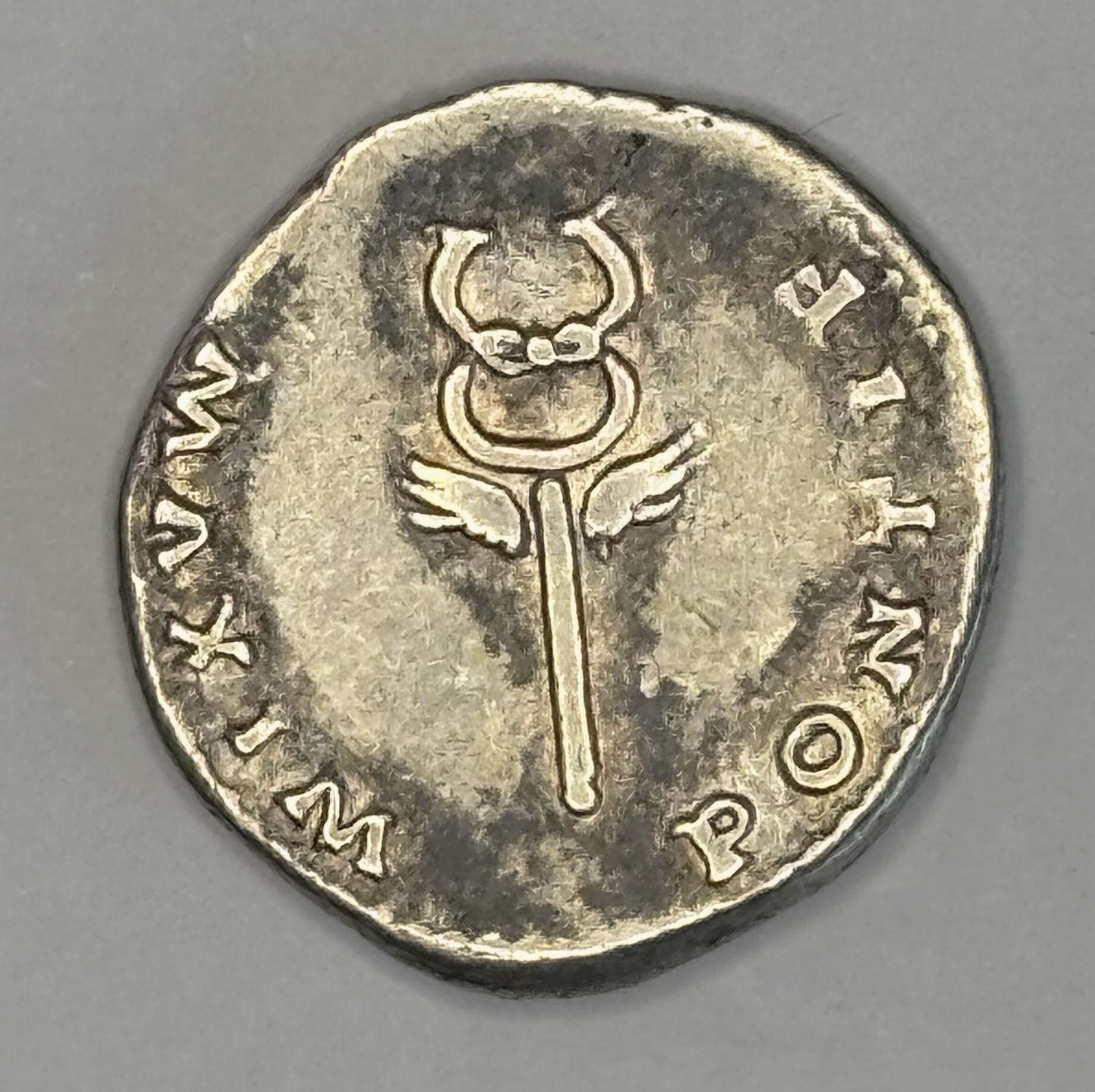
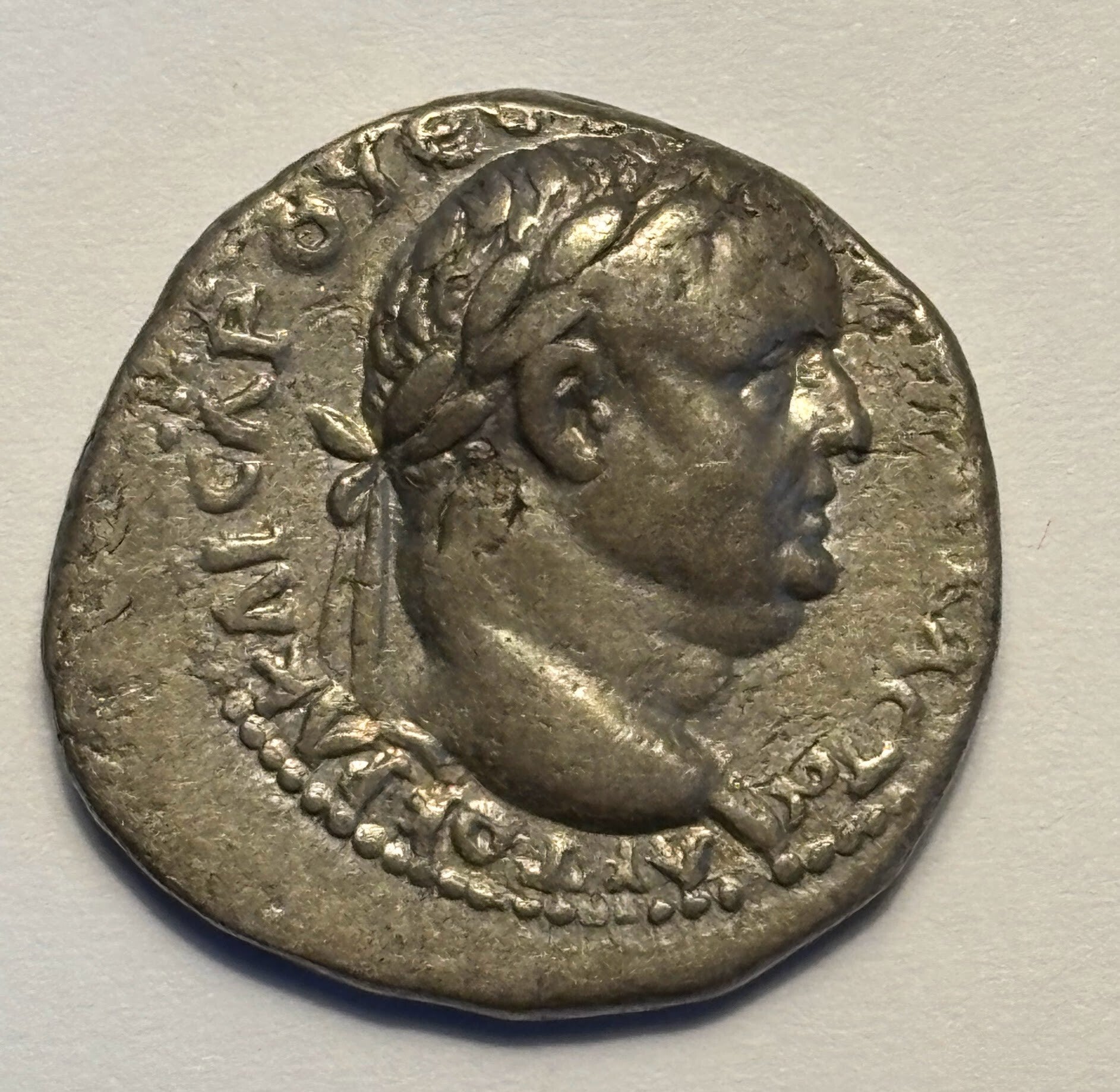
Vespasian rebuilt Rome’s authority after the collapse of 69, and his coinage is one of the clearest expressions of that restoration. His portraits are firm, rugged, and unmistakably realistic — a deliberate rejection of Julio‑Claudian idealisation — projecting a seasoned soldier‑emperor who earned power through discipline and service. The reverses emphasise victory, stability, and renewal: IVDAEA CAPTA proclaims his triumph in the East, while types for Pax, Concordia, and the rebuilding of Rome signal the beginning of a new, orderly era. Vespasian’s coinage is practical, confident, and deeply political, capturing the moment the Flavian dynasty re‑anchored the empire after a year of civil war.
21. Vespasian (69-79) - Sacrificial Instruments
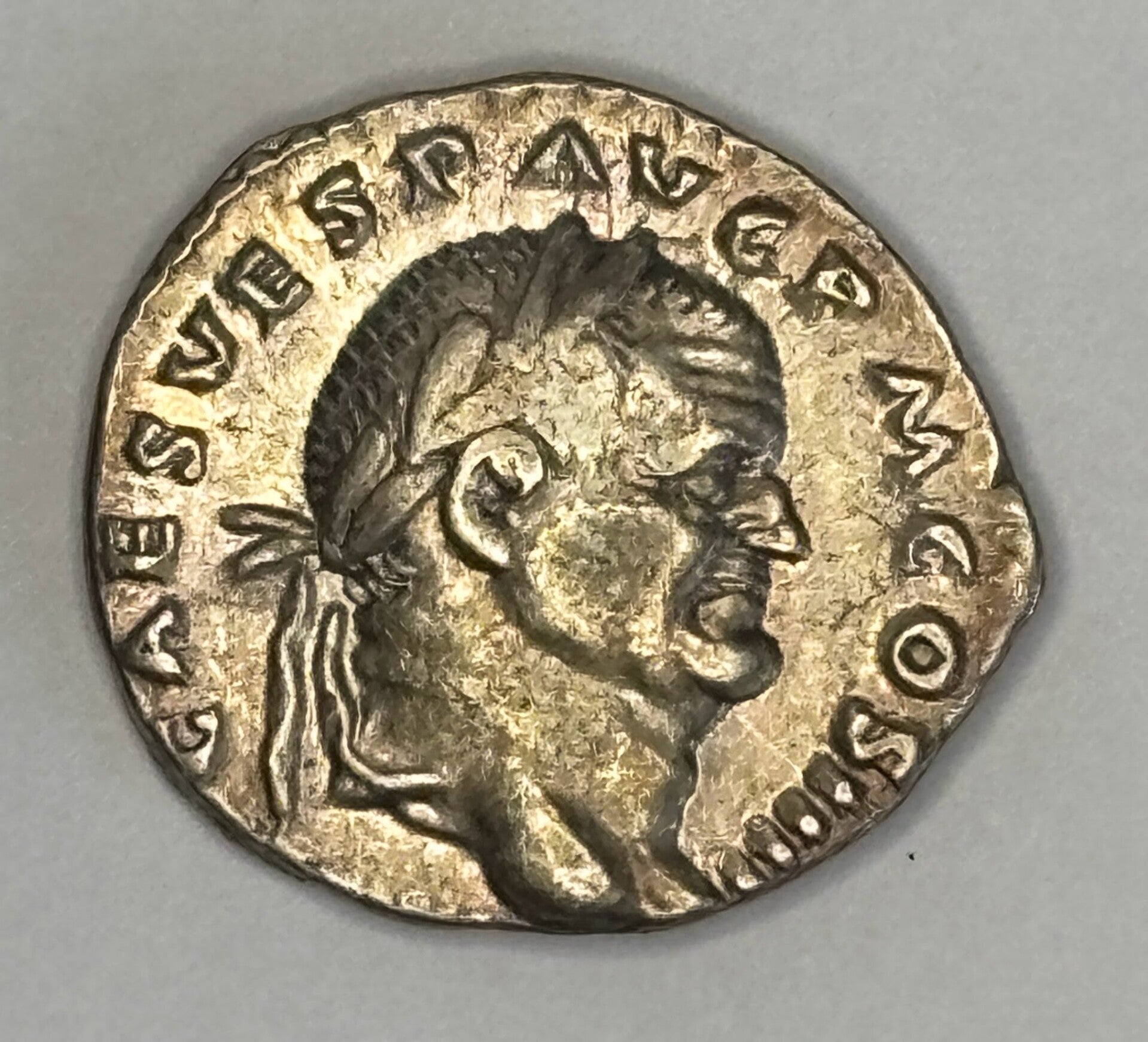
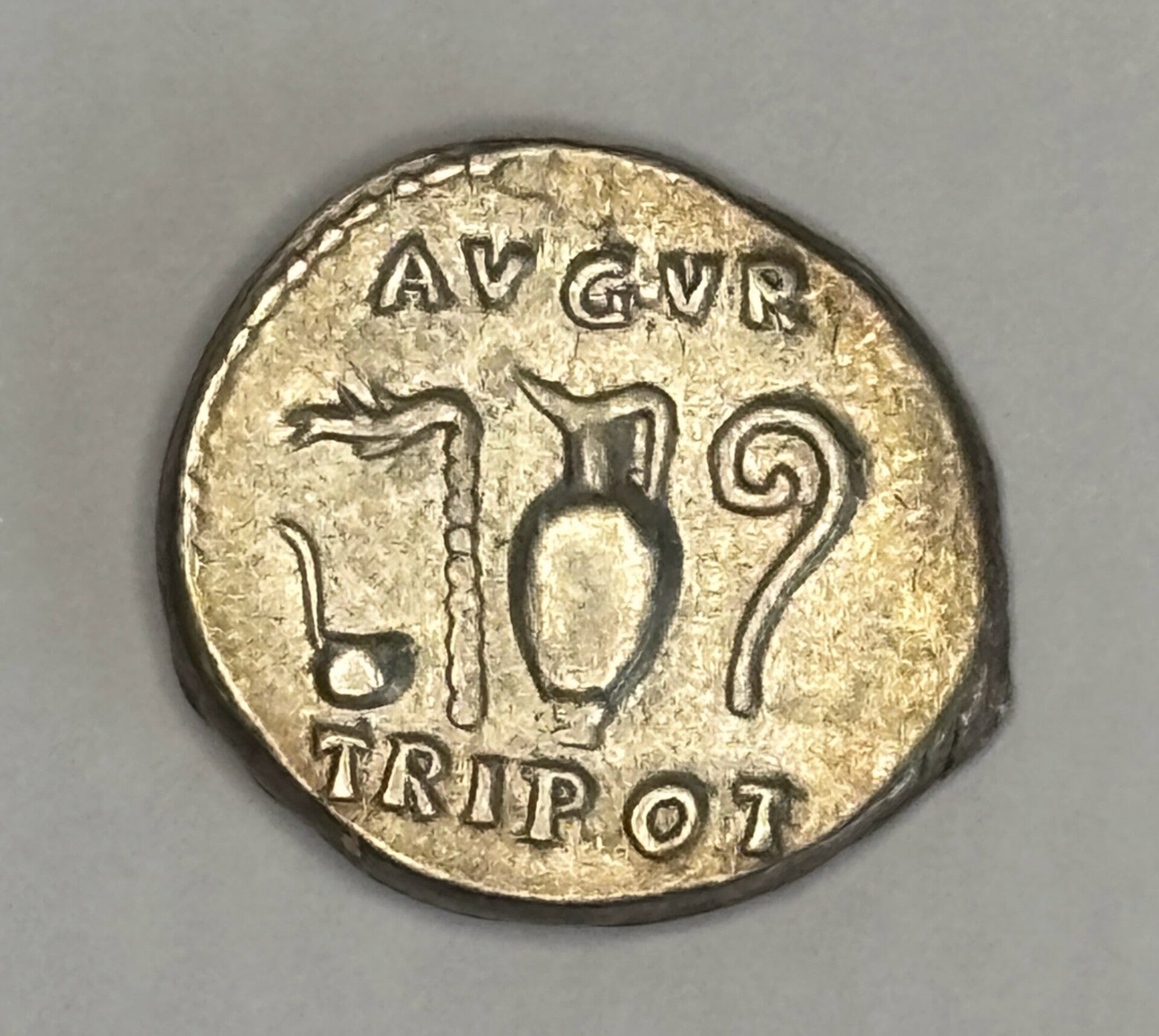
69. Vespasian (69-79) - Sacrificial Instruments
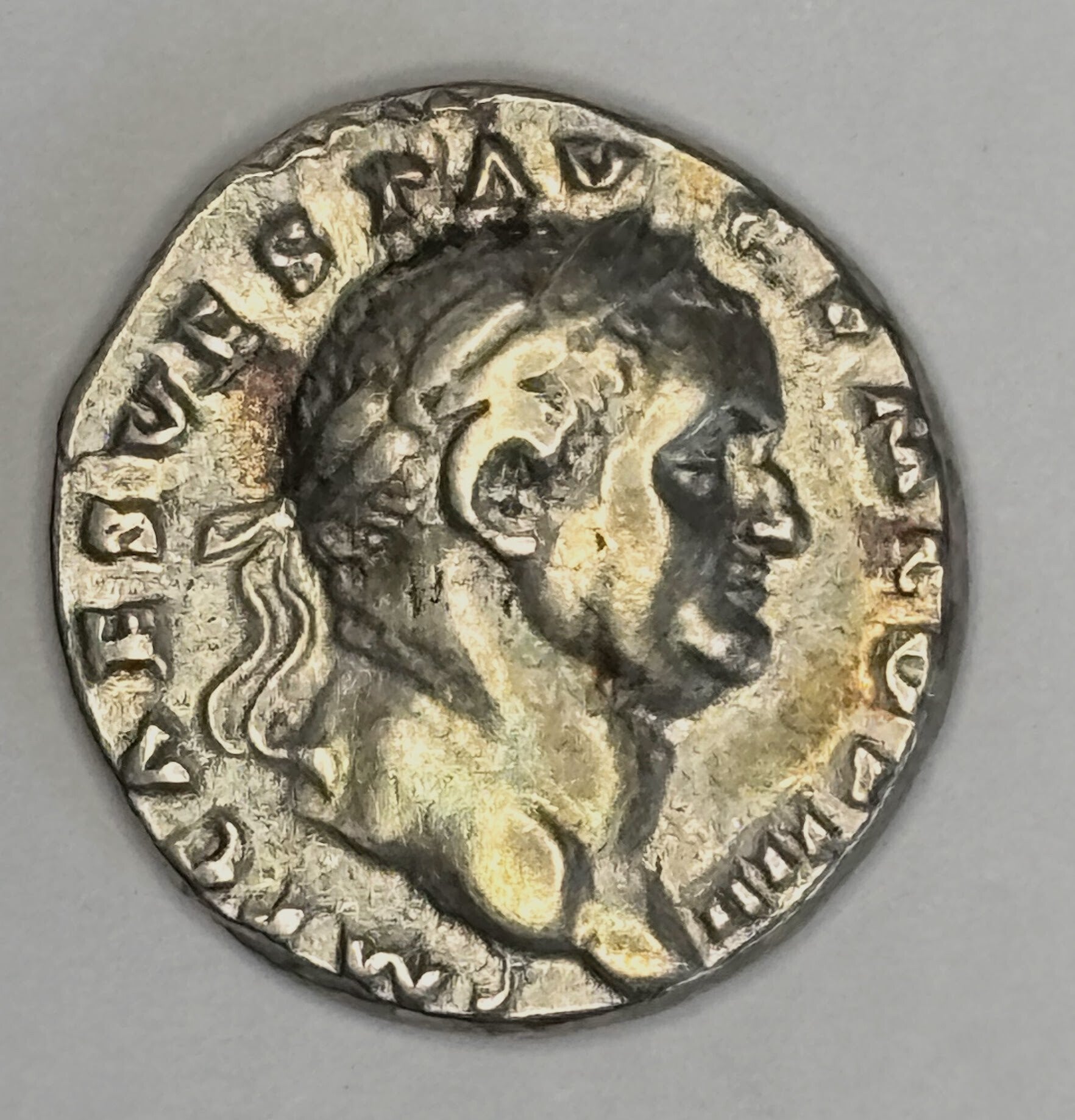
29. Vespasian (69-79) - Winged Caduceus
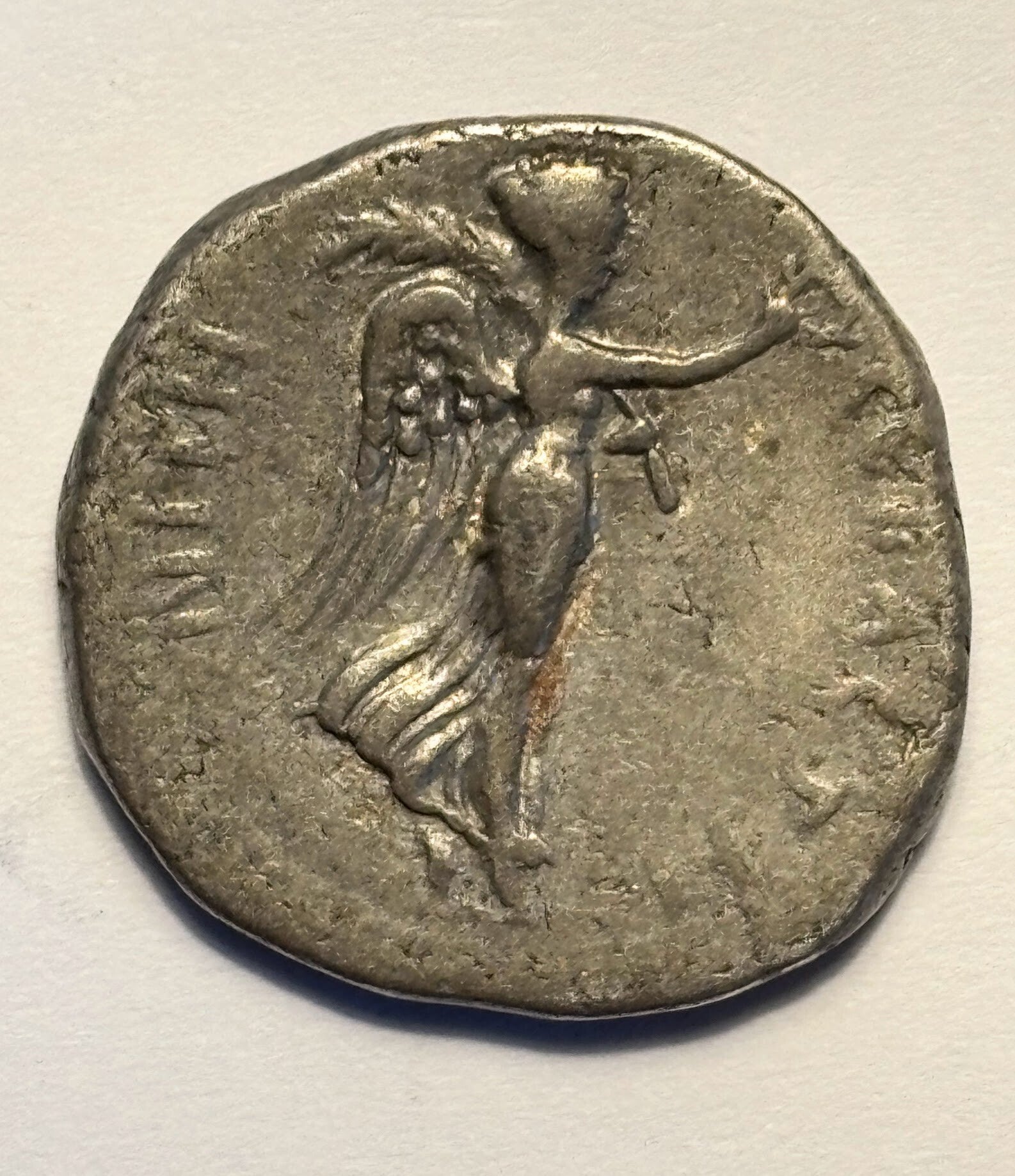
67. Vespasian (69-79) - Nike advancing right. Judaea Capta commemorative
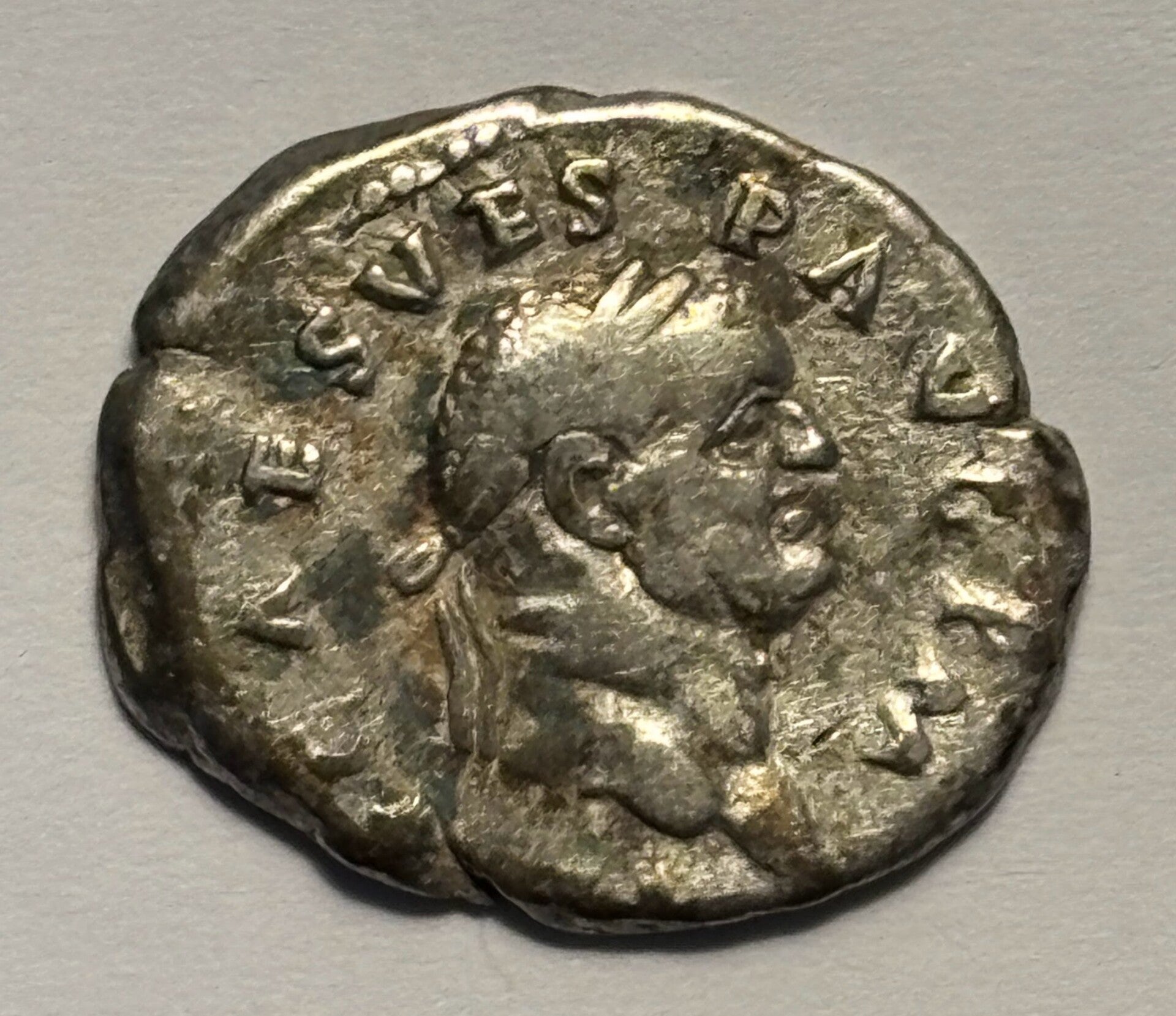
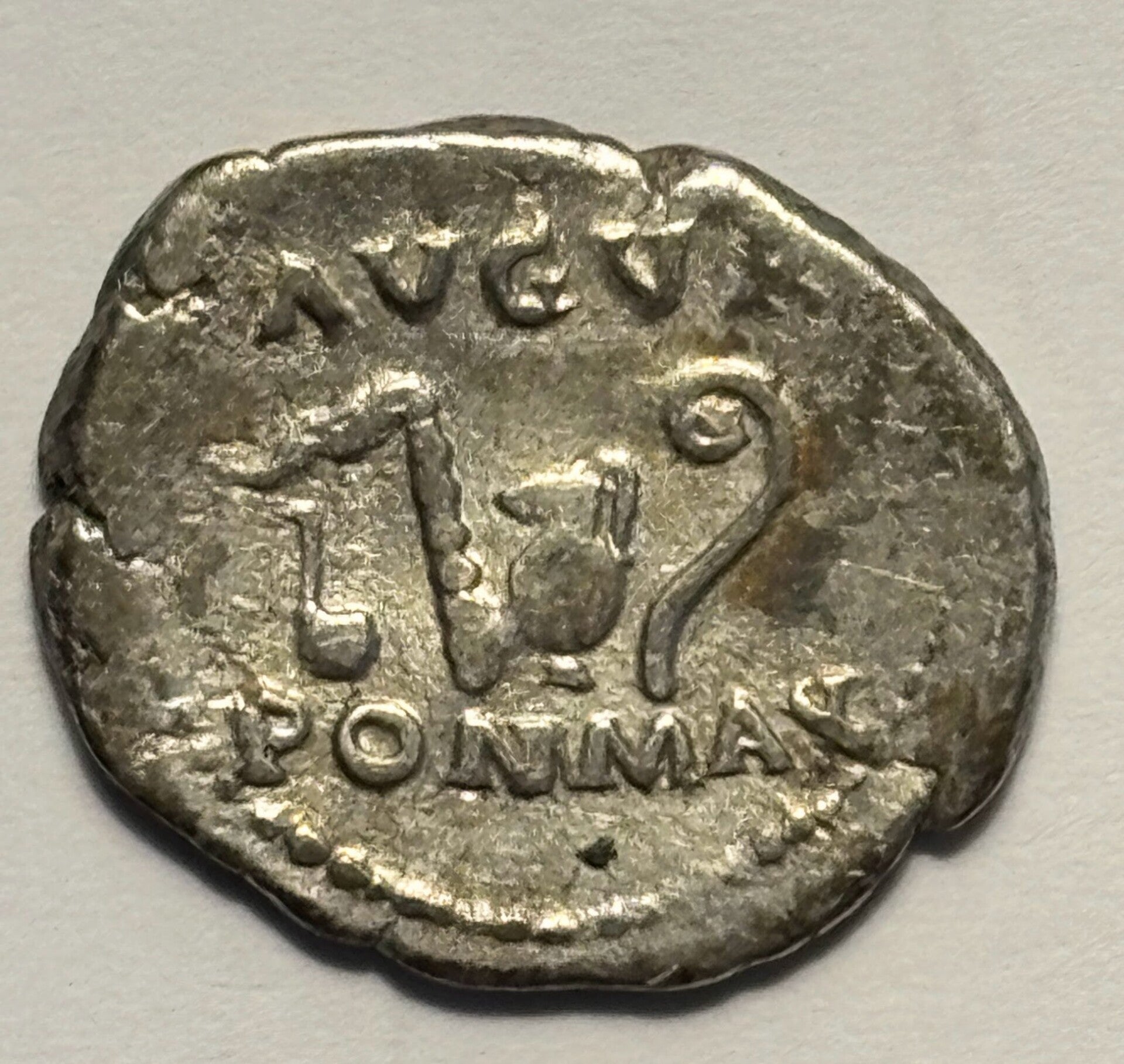
27. Vespasian (69-79) - Simpulum, Sprinkler, Jug and Lituus
17. Vespasian (69-79) - Victory advancing, Placing Wreath on Standard and holding Palm